Dog Vests for Cold Water Retrieves
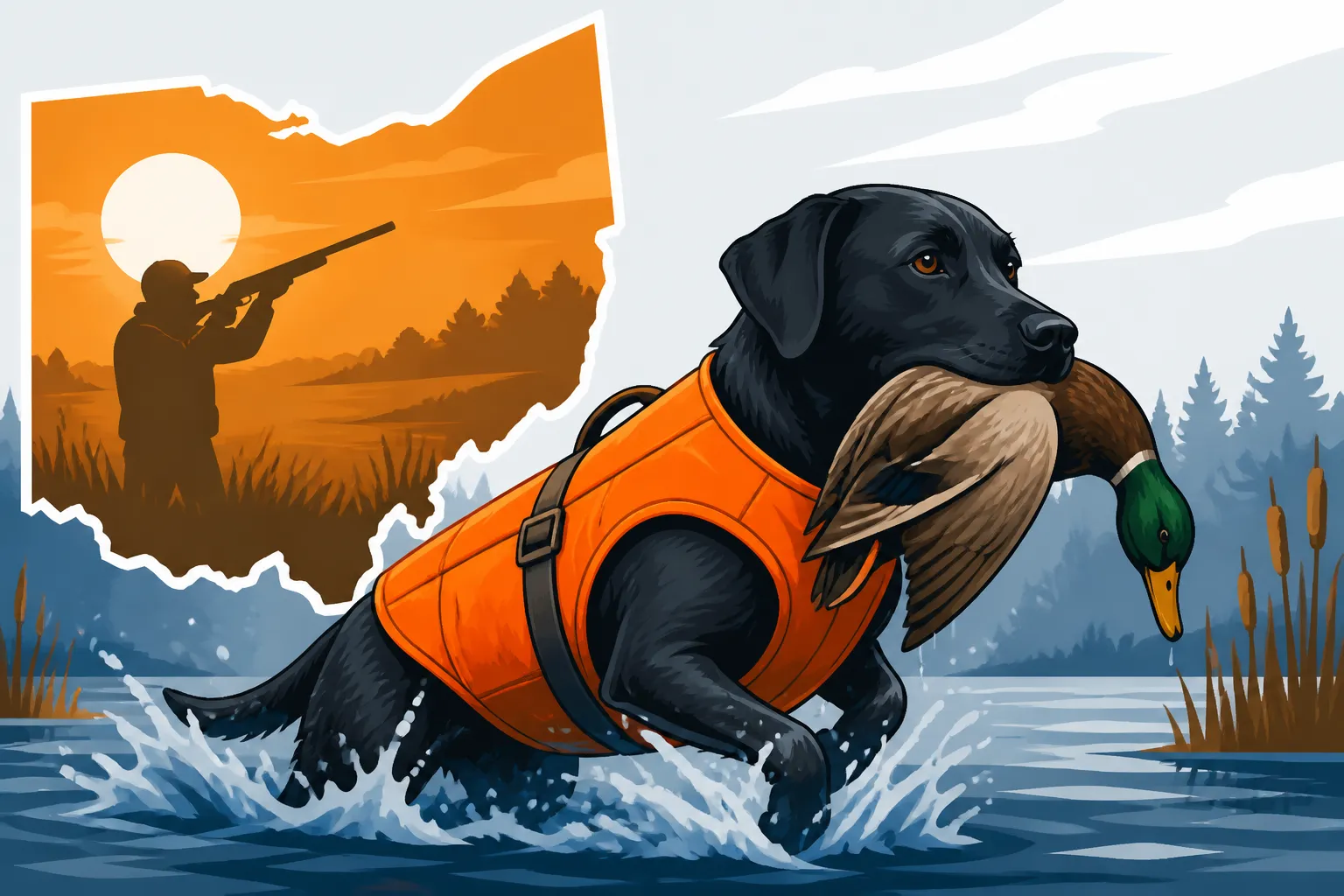
There’s nothing quite like the thrill of a successful waterfowl hunt in Ohio, watching your retriever bound into the icy water to bring back that prized duck or goose. But as exhilarating as it is, the bitter cold of Ohio's duck and goose seasons, especially late in the year, poses a serious threat to our four-legged hunting partners. This guide will walk you through everything you need to know about choosing and using dog vests to ensure your retriever stays warm, safe, and effective during cold water retrieves.
Why a Dog Vest is Essential for Cold Water Retrieves
When the air is biting and the water is frigid, a dog’s natural fur coat just isn't enough to fend off hypothermia, especially during repeated retrieves. We ask a lot of our hunting dogs, and it’s our responsibility to equip them for the conditions, just as we would ourselves. Neglecting proper insulation can quickly turn a successful hunt into a dangerous situation, potentially leading to a veterinary emergency.
Protecting Against Hypothermia
Hypothermia is the silent killer for working dogs in cold water. When a dog's body temperature drops too low, their vital organs begin to shut down, leading to lethargy, disorientation, and eventually, cardiac arrest. Ohio's waterfowl seasons often extend into December and January, where water temperatures can dip to near freezing. Think about those brisk mornings on Lake Erie or a freezing river. Every time your dog enters that water, their core temperature drops. A good vest acts as a thermal barrier, retaining precious body heat and significantly reducing the risk of hypothermia, especially during those long waits between flights or after multiple retrieves. It’s not just about comfort; it's about survival. You might be in Waders for Ohio Marsh Hunting, but your dog needs more than just their fur.
Guarding Against Abrasions and Punctures
Beyond the cold, the environments we hunt can be surprisingly harsh. From sharp ice shards in a partially frozen marsh to submerged branches and jagged rocks along a riverbank, there are countless hazards that can cut or scrape your dog. A well-constructed vest, often made from durable neoprene, provides an extra layer of protection against these physical dangers. Imagine your dog busting through thin ice to reach a downed bird; that neoprene offers a buffer that could prevent serious lacerations to their chest and belly, saving you a trip to the emergency vet and keeping your hunting season on track.
Enhancing Visibility
Another crucial, often overlooked, benefit of a dog vest is improved visibility. Many vests come in bright, highly visible colors like orange, yellow, or camouflage patterns with reflective elements. This is absolutely critical when hunting in low-light conditions – think pre-dawn setups, overcast days, or tracking a bird in dense cover. A highly visible vest helps you keep track of your dog, prevents accidental shootings, and makes it easier for other hunters in the area to spot your canine companion. This is especially important on busy public lands, and it contributes to overall safety, much like your own blaze orange during gun seasons for deer, even if it's not strictly required for dogs in the same way.
Key Features to Look For in a Cold Water Dog Vest
Not all dog vests are created equal, especially when you're talking about serious cold water retrieving. There are several key features that differentiate a good vest from a great one, and understanding them will help you make the best choice for your hunting partner.
Material and Insulation
The material is paramount for cold water performance. Neoprene is the gold standard, and for good reason. It's the same material used in wetsuits, offering excellent insulation properties even when wet. Look for vests with a thickness of at least 3mm, but 5mm neoprene provides superior warmth for those truly frigid Ohio days. Some high-end vests incorporate fleece linings or other thermal layers for added heat retention. The material should also be durable and flexible enough to allow your dog full range of motion without chafing, which can be a real issue after hours in the field. GoHunt often reviews gear options that highlight these material differences, helping hunters make informed decisions.
Fit and Adjustability
A vest is only effective if it fits properly. Too loose, and it won't provide adequate insulation and can snag on brush; too tight, and it will restrict your dog's movement and breathing. Look for vests with adjustable straps, usually around the neck and chest, to ensure a snug, customized fit. Many models feature robust zippers, buckles, or hook-and-loop closures. Try to find one with a full chest protector that extends from the throat to the belly, ensuring critical organs are covered. Don't assume sizes are universal; always measure your dog carefully according to the manufacturer's guidelines. A poorly fitting vest can chafe, cause discomfort, and ultimately hinder your dog's performance and safety.
Flotation and Buoyancy
While primarily designed for warmth, many quality dog vests also offer a degree of flotation. This can be a lifesaver, especially for younger, less experienced dogs or those making long retrieves in choppy waters, like what you might encounter when Diver Hunting on Open Lake Erie Water. The added buoyancy can help your dog conserve energy, stay higher in the water, and reduce strain during prolonged swims. Some vests have built-in foam panels that provide significant lift, while others offer more subtle assistance. Consider the types of water and retrieves your dog will be doing most often. If you're consistently hunting big water, extra flotation is a definite plus.
Grab Handles and D-Rings
These might seem like small details, but they can be incredibly important. A sturdy grab handle on the back of the vest allows you to easily assist your dog out of deep water, lift them over obstacles, or quickly control them when necessary. This is especially useful in situations like getting a dog back into a boat or over a slick riverbank. D-rings are perfect for attaching a leash or a tracking device, keeping your hands free while moving through cover. Look for reinforced stitching on these features, as they'll take a lot of stress over time.
Choosing the Right Vest for Ohio's Waterfowl Hunting Conditions
Ohio offers a diverse range of waterfowl hunting opportunities, from the expansive open waters of Lake Erie to flooded timber and small inland ponds. The specific conditions you hunt will influence the best vest choice for your retriever.
Big Water and Marsh Hunting
When you're out chasing ducks on Lake Erie or navigating the vast marshes of the Western Basin, your dog will face some of the most challenging conditions Ohio has to offer. The wind can whip across the open water, creating chop and driving temperatures down. In these scenarios, maximum insulation and robust construction are key.
For these environments, prioritize vests made from thicker (5mm) neoprene with excellent chest and belly coverage. Flotation is also a significant advantage here, as it helps dogs battle currents and waves. Look for bright colors and reflective elements, as visibility can be low on foggy or overcast marsh mornings. The vest needs to be durable enough to withstand sharp ice, dense cattails, and potentially abrasive debris. If you're hunting in the Hunting Lake Erie Marsh Zone Waterfowl, a top-tier vest isn't just a luxury; it's an absolute necessity.
Inland Ponds, Rivers, and Flooded Timber
Hunting smaller inland bodies of water, rivers, and flooded timber presents a different set of challenges. While the water might not be as vast or choppy as Lake Erie, it can still be incredibly cold, especially in shaded areas or during late-season freezes. The terrain around these spots often includes dense brush, submerged logs, and sharp branches.
Here, a vest that offers a balance of insulation and flexibility is ideal. A 3mm neoprene vest might suffice for some situations, but don't shy away from 5mm for extended hunts in colder temperatures. Look for vests with reinforced stitching and a smooth outer layer to resist snagging on brush. The fit should allow for agile movement through tight cover and over fallen timber. Visibility is still important, especially if you're working near other hunting parties or in thick cover. Many hunters will consult resources like GoHunt to see what gear other experienced Ohio hunters recommend for these specific conditions, sharing insights on how different vests perform when retrieving from a swift river current or navigating a maze of deadfall in flooded woods. For information on seasonal considerations, you might look at articles like Ohio Waterfowl Hunting on Lake Erie and Inland.
Early Season Versus Late Season
The Ohio waterfowl season spans several months, and conditions change dramatically from the mild days of early September teal season to the bitter cold of a January Canada goose hunt. It's not uncommon for dedicated hunters to have different vests for different times of the year, or at least to consider layering for their dog, much like Layering for an Ohio Deer Stand applies to humans.
For early season hunts, when water temperatures are still relatively warm, a lighter vest or even just a chest protector might be sufficient. These can offer protection from abrasions without causing your dog to overheat. However, as the season progresses into late fall and winter, the need for maximum insulation becomes critical. On a frigid December morning while Hunting the Ohio River Backwaters, a dog without adequate thermal protection can quickly become a liability rather than an asset. Investing in a robust, well-insulated vest for the bulk of the season will provide peace of mind and keep your dog healthy and effective when it matters most.
Maintenance and Fit: Ensuring Your Dog's Vest Performs
Even the best dog vest won't do its job if it's not properly maintained or doesn't fit correctly. These practical considerations are crucial for extending the life of the vest and, more importantly, ensuring your dog's safety and comfort every time they wear it.
Proper Sizing and Fit Adjustments
Getting the right fit starts with accurate measurements. Most vest manufacturers provide a sizing chart that requires measuring your dog's chest girth and neck circumference. Don't guess! A vest that’s too big will rub, chafe, and offer poor insulation. One that’s too small will restrict movement, especially around the front legs and chest, leading to discomfort and potentially hindering your dog’s ability to swim or run.
When you try on the vest for the first time, ensure it's snug but not tight. You should be able to slide two fingers comfortably under the straps. Check for full range of motion, especially when your dog retrieves, jumps, and shakes. After the first few hunts, re-check the fit. Neoprene can stretch slightly over time, and your dog’s weight might fluctuate. Adjusting the straps as needed will maintain that ideal, secure fit. A correctly fitted vest is paramount for your dog's comfort and its ability to do its job effectively.
Cleaning and Storage
Just like your own hunting gear, your dog's vest needs regular cleaning to remain effective and hygienic. After each hunt, rinse the vest thoroughly with fresh water to remove mud, debris, and any marsh grime or saltwater residue. For deeper cleaning, use a mild soap and a soft brush, especially on areas prone to collecting dirt. Avoid harsh chemicals or detergents that can degrade the neoprene or other materials.
Once clean, hang the vest to air dry completely, ideally out of direct sunlight. Never store a damp vest, as this can lead to mildew growth, odors, and material breakdown. Proper storage means hanging it in a well-ventilated area, away from extreme temperatures. Following these simple steps will significantly extend the life of your investment and keep the vest ready for the next hunting trip. Imagine trying to put a mildew-ridden, stiff vest on your dog – neither of you would be happy.
Routine Inspection for Wear and Tear
Before every hunt, take a few minutes to inspect your dog's vest. Check for any signs of wear and tear, such as torn seams, frayed straps, damaged buckles, or punctures in the neoprene. Small tears can often be repaired with a neoprene patch kit, preventing them from becoming larger problems. If a buckle or zipper is damaged, replace it before the hunt.
A compromised vest offers less protection against both cold and physical hazards. It's far better to catch a problem at home than to discover it when you're knee-deep in freezing water miles from the truck. Regular inspection is part of responsible dog ownership and ensures that your retriever's essential gear is always in top working condition. You want that vest to perform reliably whether you're hunting mallards or Canada Geese on Ohio Farmland.
Vest Feature Comparison
To help you visualize the different aspects of dog vests, here’s a quick comparison of features to consider when making your choice:
| Feature | Basic Vest (Entry-Level) | Mid-Range Vest (Good All-Around) | Premium Vest (Cold/Extreme Conditions) |
|---|---|---|---|
| Neoprene Thickness | 2-3mm | 3-4mm | 5mm+ (often with additional lining) |
| Coverage | Chest and minimal belly | Good chest and belly | Full chest, belly, and often extended back coverage |
| Flotation | Minimal or none | Moderate buoyancy | Significant buoyancy for energy conservation |
| Closure System | Hook-and-loop, basic buckles | Durable zippers, robust buckles, adjustable straps | Heavy-duty zippers, multiple adjustment points, secure buckles |
| Visibility | Basic camou, some bright panels | Bright panels, some reflective elements | High-visibility colors (e.g., orange, yellow), ample reflective piping |
| Durability | Adequate for light use, occasional snags | Reinforced stitching, good abrasion resistance | Heavy-duty materials, extreme tear resistance |
| Handles/D-Rings | Small or none | 1-2 reinforced grab handles, D-ring for leash | Multiple robust grab handles, multiple D-rings for versatility |
| Price Point | Lower | Moderate | Higher |
Ultimately, choosing the right dog vest is about matching the gear to the conditions and the demands you place on your retriever. Whether you're targeting Diver Ducks on Lake Erie or working small sloughs, investing in a quality vest is an investment in your dog's health, safety, and continued success in the field. Don't skimp on this crucial piece of equipment; your best friend deserves the best protection you can give them.
Disclaimer
This article is for general informational purposes only and does not constitute professional advice. Laws, prices and regulations vary by location and change over time. Consult a qualified professional for guidance on your specific situation.