Base Layers for an Ohio December
There’s nothing quite like late-season deer hunting in Ohio. The woods are quiet, the leaves are down, and the big bucks are often on their feet searching for those last food sources. But let’s be real – December in Ohio can be absolutely brutal. That bone-chilling cold that seeps into your core, especially when you’re sitting motionless on a deer stand for hours, can make or break your hunt. This guide is all about tackling that deep freeze head-on, focusing on the unsung heroes of cold-weather comfort: your base layers, and how choosing the right ones can keep you warm, focused, and in the woods longer.
The Harsh Reality of Ohio's December Cold
December in Ohio isn’t just "cold"; it’s a specific kind of cold that can test even the most seasoned hunter's resolve. We've all been there, shivering uncontrollably, trying to tell ourselves it's worth it, while our focus drifts from the deer to the burning question of whether we can feel our toes.
Why December is Different
Unlike the crisp, manageable chill of early archery season or even the brisk snap of November, December often brings a damp, penetrating cold that seems to cling to your bones. You might encounter freezing rain that turns to sleet, followed by a heavy, wet snow, all within a single day. The winds sweeping across open fields in northwest Ohio or funneling through the deep hollows of Appalachia can drop the effective temperature far below what the thermometer reads. It's this combination of low temperatures, high humidity, and often persistent wind that makes proper layering not just a preference, but an absolute necessity.
Think about it: you spend hours scouting, hanging stands, and strategizing, only for your hunt to be cut short because you just can't get warm. Your fingers are numb around your rifle, your core is shivering, and every rustle of leaves sounds the same because you’re too miserable to concentrate. This isn’t just uncomfortable; it’s a safety concern and a huge deterrent to success. The woods might be beautiful in December, but that beauty comes with a serious requirement for preparedness. This isn't the time to skimp on your cold-weather gear.
The Importance of Layering, Starting with the Base
Many hunters make the mistake of piling on one or two super-thick outer layers, thinking that's enough to combat the cold. While a good insulated jacket is certainly important, it's only part of the equation. True warmth and comfort in the field, especially during those long, static sits, come from a well-thought-out layering system, and the foundation of that system is your base layer.
A base layer's primary job is twofold: to provide a close-to-skin layer of insulation and, more importantly, to manage moisture. You see, even on the coldest December day, you're going to sweat. Maybe it's from the uphill hike to your stand in Wayne National Forest, or perhaps it's just the exertion of dragging out a deer. Once that sweat gets trapped against your skin, it rapidly cools, drawing heat away from your body. This is where a single, heavy outer layer fails miserably; it might keep you warm initially, but as soon as you start sweating, you become cold and damp, and staying warm from that point on is an uphill battle. Layering allows you to adapt to changing activity levels and conditions, shedding or adding insulation as needed, and it all starts with a base layer that actively works to keep you dry.
Deciphering Base Layer Materials: What Really Works?
When it comes to base layers, not all fabrics are created equal. The material directly impacts how well the layer performs its critical functions of insulation and moisture management. Making the wrong choice here can lead to a truly miserable day in the deer woods.
Merino Wool: The Hunter's Gold Standard
If you talk to serious cold-weather hunters, you'll hear merino wool mentioned almost reverently, and for good reason. Merino wool isn't your grandma's scratchy wool sweater; it's made from incredibly fine fibers that feel soft against the skin and don't itch. Its biggest superpower, though, is its ability to insulate even when wet. This is a game-changer for active hunters. Imagine you just pushed hard up a ridge in Finding Ground Others Walk Past or dragged a buck a quarter-mile to your truck. You're sweating. With merino, that moisture gets wicked away from your skin, but the wool fibers themselves retain their insulating properties. You won't feel that sudden, chilling cold when you stop moving.
Merino also boasts natural odor resistance, which is a huge bonus for multi-day hunts or early morning sits when you want to minimize your scent profile. You can wear a quality merino base layer for several days without it smelling like a locker room, allowing you to focus on Hunting Pressure on Ohio Public Land rather than your scent. It's incredibly breathable, helping to regulate your body temperature, and surprisingly durable for its softness. The downsides? It tends to be more expensive than synthetics, and while it insulates when wet, it does take longer to dry if it gets thoroughly soaked. Brands like GoHunt often incorporate merino blends for their premium performance.
Synthetic Fabrics: The High-Performance Alternative
Synthetic base layers, typically made from polyester, polypropylene, or a blend of similar materials, offer a fantastic alternative to wool, especially if you're on a tighter budget or prioritize speed of drying. These fabrics are engineered to excel at wicking moisture away from your skin and drying incredibly fast. If you're planning a highly active hunt, like a deer drive on public land or a long morning of Run-and-Gun Turkey Tactics on Public Land, where you expect to be sweating a lot and then cooling down, synthetics can be a great choice because they will actively move that sweat to your outer layers where it can evaporate quickly.
Many outdoor brands, including technical hunting apparel lines, rely heavily on synthetics because of their consistent performance, durability, and often lower cost compared to merino. They stand up well to repeated washing and hard use. However, synthetic fabrics do have a notable drawback: odor retention. Unlike wool's natural antimicrobial properties, synthetics tend to hold onto body odor, meaning you'll likely need to wash them after every serious outing if scent control is a priority. Some manufacturers treat their synthetics with antimicrobial finishes to mitigate this, which can certainly help. For more on this comparison, check out Wool Versus Synthetics in Wet Cold.
Avoiding Cotton at All Costs
If there's one golden rule of cold-weather hunting, it's this: cotton kills. I know, I know, it sounds dramatic, but it's fundamentally true in the context of staying warm and safe. Cotton is a fantastic material for a summer t-shirt, but it is an absolute disaster as a base layer in cold, damp conditions like an Ohio December.
The problem with cotton is its structure. Cotton fibers absorb moisture—sweat, rain, melting snow—and they hold onto it. They don't wick it away, and they don't insulate when wet. So, as soon as you start to sweat, that cotton layer becomes saturated, and it essentially turns into a cold, wet rag pressed against your skin. This rapidly pulls heat away from your body through evaporative and conductive cooling, leading to hypothermia even in temperatures that aren't extreme. I've had miserable hunts where I made the mistake of wearing a cotton long-sleeve underlayer, and within an hour of sitting, I was shivering uncontrollably, focusing only on getting back to the truck. Don't make that mistake. When you're packing for a day in Wayne National Forest Hunting or any other cold Ohio hunting ground, leave the cotton at home.
Understanding Base Layer Weights and Fits for Ohio Conditions
Choosing the right material is just the first step. To truly optimize your warmth and comfort, you need to consider the weight of your base layer and how it fits your body. These factors dictate how much insulation it provides and how effectively it manages moisture.
Light, Mid, and Heavyweight Choices
Just like your sleeping bag, base layers come in different "weights" or thicknesses, designed for varying levels of activity and external temperatures.
- Lightweight Base Layers: These are typically thin and designed for highly aerobic activities in cool (not necessarily freezing) weather, or as a very first layer under mid-weight layers when temperatures are truly frigid. They excel at wicking moisture and are great for hunts where you'll be moving a lot, like still-hunting Shawnee State Forest Hunting ridges on a milder December day, or if you're someone who naturally runs hot. Their primary function is moisture management, with minimal insulation.
- Midweight Base Layers: This is often the workhorse for most Ohio December deer hunting. A good midweight base layer provides significant insulation while still maintaining excellent wicking capabilities. It's ideal for moderate activity levels and sitting for extended periods in typical December cold. If you're not sure what to choose, a quality midweight merino or synthetic top and bottom is usually a safe bet for conditions ranging from freezing rain to light snow.
- Heavyweight Base Layers: When the mercury truly plummets, or you're planning an all-day sit in bitter winds, heavyweight base layers are your best friend. These are the thickest options, designed for maximum insulation. They're perfect for those late-season archery days when How Ohio's Archery Season Runs Into February and the cold is really biting, or for the coldest days of Muzzleloader Deer Hunting in Ohio in January. While they still wick moisture, their bulk means they're better suited for static hunting where you won't be generating a lot of sweat through intense activity.
Matching the weight to your activity level and the expected temperature is crucial. Overdressing with a heavyweight base layer when you're hiking hard can lead to excessive sweating, ultimately making you colder. Conversely, too light a layer on a frigid sit means you'll never warm up.
The Critical Role of Fit
Once you've picked your material and weight, the fit is paramount. A base layer isn't meant to be baggy like a regular shirt, nor should it be so tight that it restricts movement or circulation. The ideal fit is snug against your skin, but comfortable, allowing for a full range of motion.
Why is this so important? Because a snug fit optimizes the base layer's ability to wick moisture. If there are air gaps between the fabric and your skin, moisture can condense and get trapped there, defeating the purpose of the wicking material. A close fit ensures that sweat is efficiently pulled away from your skin and transferred to the outer surface of the fabric, where it can evaporate or be transferred to your next layer. It also traps a thin layer of warm air against your body, contributing to insulation.
When trying on base layers, pay attention to areas like the cuffs, collar, and waist. Cuffs should sit snugly around your wrists to prevent cold air from drafting up your sleeves. Collars should offer good coverage without chafing. And the waist of the bottoms should be comfortable and stay in place without riding up or bunching. Remember, these are the layers closest to your body, so any discomfort will be magnified over hours in the woods. Getting the right fit is a key component of Layering for an Ohio Deer Stand.
Integrating Base Layers for Maximum Warmth on an Ohio Hunt
Now that we've covered the what and the why, let's talk about the how. How do you actually use these base layers effectively to stay warm and comfortable during a long Ohio December hunt? It's about building a system, from head to toe, and understanding how to adapt.
Top to Bottom: A Complete Base Layer System
When we talk about base layers, it's not just about a top. For true cold-weather comfort, you need to think about a complete system covering as much of your body as possible.
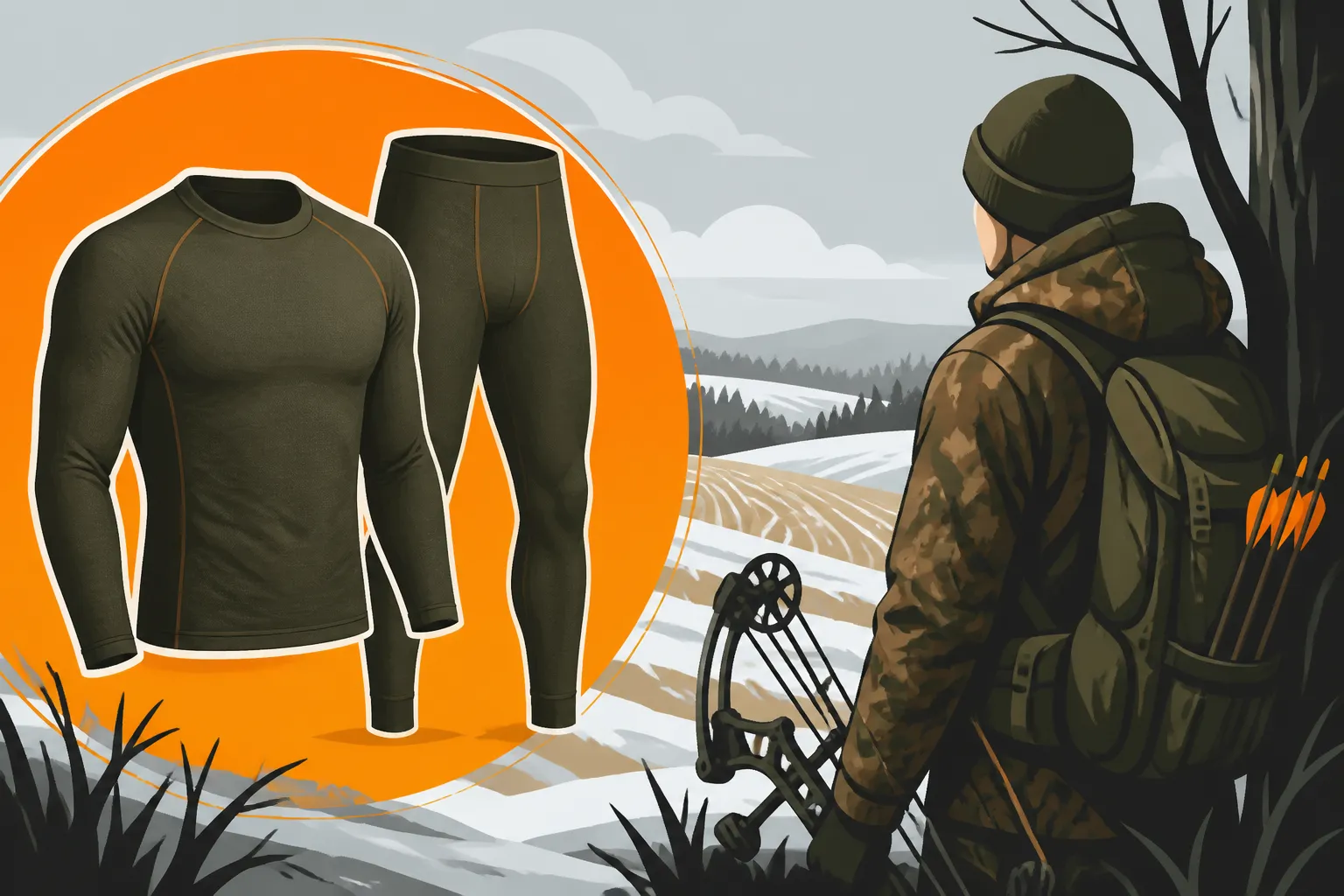
- Tops: Base layer tops come in crew neck, quarter-zip, and full-zip options. For maximum warmth on a cold sit, a crew neck or quarter-zip offers good neck coverage and minimal openings for heat loss. A quarter-zip can be handy for venting if you're active on the way in.
- Bottoms: Don't forget your legs! Base layer bottoms are just as crucial as the top, especially when you're sitting. They fit under your hunting pants, providing vital warmth to your large leg muscles.
- Socks: This is a huge one. Good quality merino wool socks are non-negotiable for cold feet. They will keep your feet warm even if they get damp from sweat or external moisture. Forget cotton socks – they’ll lead to misery. Layering socks (a thin liner sock under a thicker wool sock) can also work well, just make sure your boots still fit comfortably without restricting circulation. Check out Insulated Boots for All-Day Sits for more on keeping those feet warm.
- Glove Liners: Thin merino or synthetic glove liners worn under your main hunting gloves provide an extra layer of warmth and can be pulled off quickly if you need dexterity for a shot, leaving a light layer of protection.
- Headwear: While not strictly a "base layer" in the traditional sense, a thin merino or synthetic beanie or balaclava worn under your primary hat can make a massive difference in retaining heat, as a significant amount of body heat is lost through the head.
Real-World Scenarios and Adjustments
One of the biggest advantages of a good base layer system is its adaptability. Ohio weather can be notoriously fickle, so being able to adjust on the fly is essential.
- For a Long Stand Sit: If you're planning to sit still for hours, perhaps waiting for a cruising buck during Hunting the Rut in Early November or late into December, prioritize warmth. A heavyweight merino base layer, paired with good mid-layers and an insulated outer shell, will give you the best chance of staying warm. When you hike to your stand, try to walk slowly and avoid overexertion. If you feel yourself starting to sweat, slow down or even briefly pause to let your body cool slightly. Once you reach your stand, put on your outer insulation layers immediately before your body has a chance to cool down from the exertion. This helps trap the warmth you generated during the walk. For more tips on staying warm, read Cold-Weather Sitting Strategy in Ohio.
- For Active Still-Hunting or Deer Drives: If you're on a Deer Drives With Three or Four Hunters or quietly still-hunting through a thicket, you'll be generating more body heat. In these scenarios, a midweight base layer might be more appropriate. You might even start with fewer mid-layers and keep an insulating jacket in your pack, ready to put on when you stop moving. The key is to avoid sweating profusely, as that will quickly make you cold when you eventually stop. Don't be afraid to shed a layer or open a zipper if you start to feel warm. A sturdy pack, like those discussed in Packs for a Day on Wayne National Forest, is invaluable for carrying those extra layers.
- Managing Sweat: Sweat management is the name of the game. If you have a long walk to your stand, consider wearing minimal layers for the hike and packing your heavier mid and outer layers. Once you arrive, quickly put on your full insulation system. This prevents you from sweating through your base layers on the walk, which would compromise your warmth for the sit.
Smart Layering Beyond the Base
While base layers are the foundation, they are part of a larger system. To truly conquer an Ohio December, you need to think about your entire layering strategy:
- Mid-Layers: These go over your base layer and provide the bulk of your insulation. Fleece, down, or synthetic puffy jackets are common choices. They trap air and create warmth.
- Outer Shell: Your outermost layer should protect you from the elements – wind, rain, and snow. A good quality waterproof and windproof shell is crucial for keeping your inner layers dry and protected. For torrential downpours or heavy wet snow, you'll be grateful for robust Rain Gear for an Ohio Downpour.
- Insulation: Some outer shells come insulated, but often, separate insulating mid-layers allow for more versatile temperature regulation.
Remember, the goal is to create air pockets that trap warmth, while allowing moisture to escape. Each layer has a job, and when they work together, they create a microclimate around your body that keeps you comfortable and focused on the hunt, not the cold.
| Feature | Merino Wool Base Layer | Synthetic Base Layer |
|---|---|---|
| Material | Natural fibers from Merino sheep | Polyester, polypropylene, blends |
| Warmth (Wet) | Excellent, insulates even when damp | Good, wicks moisture quickly to dry |
| Moisture Wicking | Good, manages moisture effectively | Excellent, dries very fast |
| Odor Resistance | Excellent, naturally antimicrobial | Poor to Moderate (unless treated) |
| Feel | Soft, non-itchy | Smooth, sometimes slightly slick |
| Durability | Good, but can be prone to holes over time | Excellent, very tough and long-lasting |
| Cost | Generally higher | Generally more affordable |
| Ideal Use | Static sits, multi-day hunts, varied activity | High-exertion, quick-drying needed |
There’s no doubt that chasing deer in Ohio during December requires some serious commitment, but a big part of that commitment is being prepared for the cold. Investing in high-quality base layers, understanding the differences between materials, and learning how to layer effectively will transform your late-season hunting experience from a shivering ordeal into an enjoyable and productive adventure. Don't let the cold be the reason you punch out early; be smart with your gear, and you’ll find yourself out there longer, making memories and hopefully filling a tag.
Disclaimer
This article is for general informational purposes only and does not constitute professional advice. Laws, prices and regulations vary by location and change over time. Consult a qualified professional for guidance on your specific situation.