Frame Packs for Boning Out a Deer
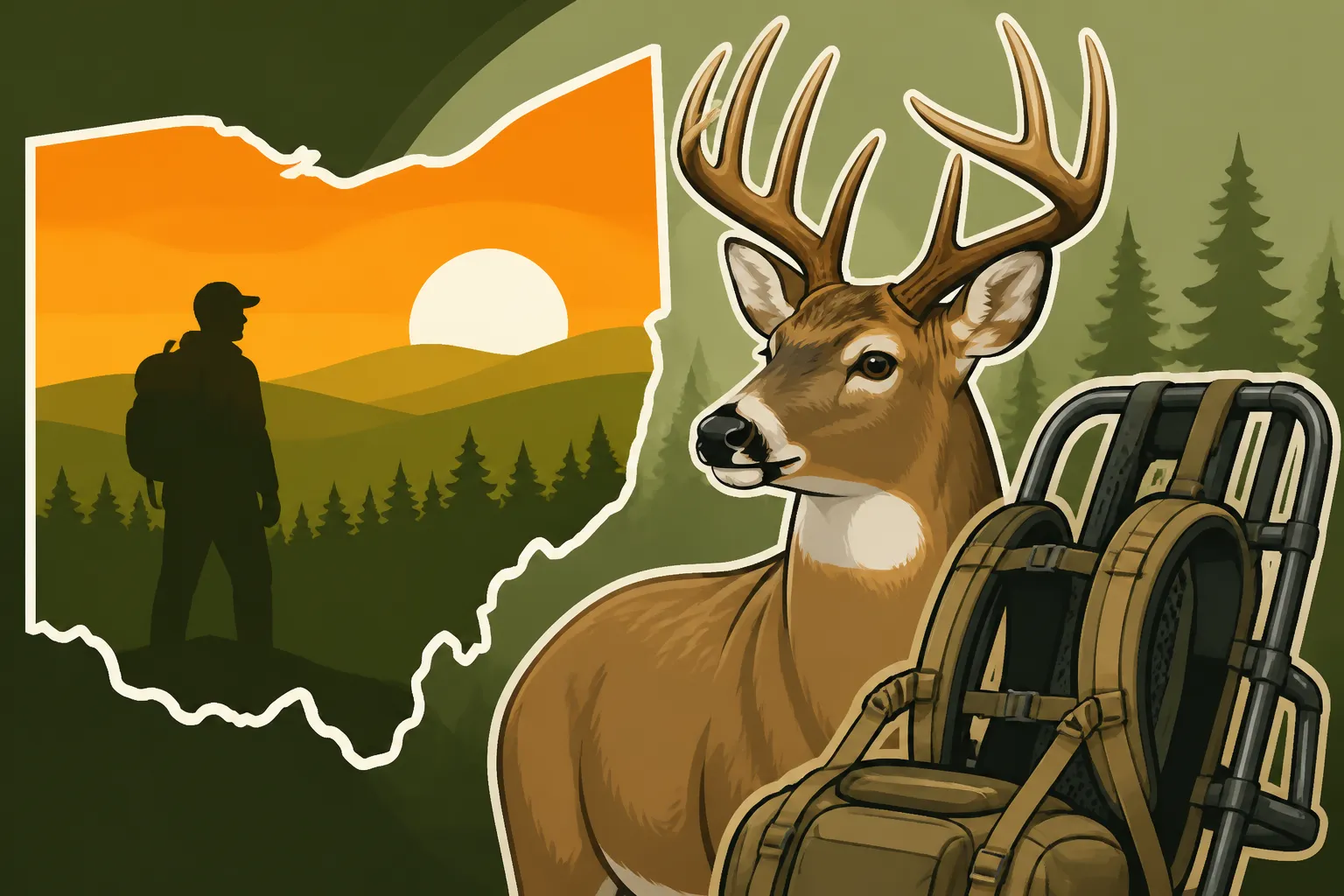
Dragging a whole deer out of some of Ohio's tougher terrain, especially when you’re deep in the Wayne National Forest or navigating those steep Appalachian ridges, can feel like an impossible task. It’s physically exhausting, time-consuming, and sometimes even dangerous if you’re trying to navigate slippery ravines alone. This guide is all about making that grueling recovery process manageable by showing you how a well-chosen frame pack can transform boning out a deer into a far more efficient and safer endeavor.
Why Boning Out a Deer is a Smart Move in Ohio's Diverse Landscapes
For many Ohio hunters, especially those of us venturing onto public land or into remote private tracts, the idea of boning out a deer on the spot might seem like extra work. But trust me, once you've tried to drag a whole buck out of a steep hollow or a half-mile across a muddy field, you'll quickly understand the immense benefits. It’s not just about saving your back; it's about smart hunting and respecting the meat you've harvested.
Challenging Terrain and Access Points
Ohio is a state of surprising topographic variety. While we have plenty of flat agricultural land, particularly in the northwest, our southeastern counties present a completely different challenge. We're talking about the foothills of the Appalachian Mountains, with deep ravines, thick timber, and relentless elevation changes. Places like Shawnee State Forest or parts of the Wayne National Forest aren't designed for easy game retrieval. Logging roads might be miles apart, and ATV access is often restricted or non-existent.
Imagine you've just taken a mature buck at last light, two miles into a deep hollow on public land. The thought of dragging that entire animal, probably weighing well over 150 pounds dressed, up and down those hills in the dark is enough to make anyone reconsider their shot placement. Boning out the deer means you reduce the weight by more than half, eliminate the bulk, and can carry the meat in manageable portions. This approach not only makes the physical exertion far less intense but also allows you to focus on safe navigation back to your vehicle. It's truly a game-changer when you're Dragging a Deer Off a Steep Ridge.
Warm Weather Early Season Concerns
Ohio's deer season kicks off with archery in late September, which means we often face surprisingly warm temperatures well into October. Anyone who’s hunted during these early weeks knows the anxiety of getting your deer cooled down quickly to prevent spoilage. A full carcass retains heat, and bacteria can quickly begin to break down the meat, especially in the thickest parts of the hindquarters.
When you bone out a deer in the field, you're not just making it easier to carry; you're actively aiding in the rapid cooling of the meat. By separating the muscle groups from the bone and hide, you expose more surface area to the air, allowing heat to dissipate much faster. This is particularly critical if you're alone and the retrieve is going to take several hours. Placing the boned-out meat into game bags, which allow air circulation, within your frame pack helps keep it as cool as possible until you can get it into a cooler with ice. This proactive approach ensures the venison you worked so hard for remains high quality. It’s also a vital consideration for Coolers and Game Bags for Early Archery.
Public Land Considerations and Logistics
Hunting on Ohio public land, whether it’s a Wildlife Area or a State Forest, often means sharing the woods with other hunters. While most are respectful, there's always an underlying pressure to get your game out efficiently and without causing undue disturbance. Dragging a whole deer can be a noisy, messy, and slow process that might cross paths with other hunters.
Boning out a deer quietly and efficiently reduces your footprint and impact. It also means you might not need to rely on a deer cart, which can be cumbersome on narrow trails and in dense cover. A quality frame pack allows you to carry all your gear in, bone out your animal, and carry it out, all in one trip if you’re well-prepared. This method lets you reach areas Finding Ground That Sees Fewer Hunters where others might shy away because of the difficult retrieval, giving you an edge. Many serious public land hunters, especially those who utilize mapping tools like the ones often highlighted by GoHunt, plan their hunts knowing that boning out a deer deep in the woods is part of the strategy.
Anatomy of an Effective Frame Pack for Boning Out
Not just any backpack will do when you're planning to bone out a deer and haul heavy, awkward loads of meat. A dedicated frame pack, especially one designed for backcountry hunting, is built differently and offers features that are critical for comfortably and safely transporting boned-out game. Understanding these components will help you choose the right tool for the job.
The External Frame Advantage
Modern frame packs for hunting typically fall into two categories: internal and external frames. While internal frames are great for lighter, more traditional backpacking, an external frame or a hybrid external/internal frame system is generally superior for boning out a deer. The rigid external frame is designed to transfer heavy loads directly to your hips, bypassing your shoulders and making even substantial weight feel more manageable.
This structure also creates a natural "gap" or "shelf" between your main pack bag and the frame itself, which is absolutely crucial for hauling meat. Instead of stuffing bloody, irregularly shaped meat bags inside your clean gear compartment, you can secure them against the frame, often using compression straps or a dedicated meat shelf. This keeps the meat separate from your clothing, optics, and other valuables, preventing cross-contamination and making cleanup much easier. The robust nature of these frames also means they can handle significant poundage without deforming or putting undue stress on your body.
Meat Shelf and Load Shelf Design
This is arguably the single most important feature for a frame pack intended for boning out a deer. A true meat shelf, or load shelf, is a platform that folds out or is integrated into the bottom of the external frame. It's designed to support the bulk of the boned-out meat, which is typically secured between the frame and the main pack bag.
High-quality frame packs like those reviewed on GoHunt forums often feature a robust, adjustable load shelf. This allows you to stack several game bags filled with venison directly onto the shelf, cinching them tightly against the frame with heavy-duty compression straps. This design keeps the densest, heaviest part of your load low and close to your back, improving your balance and making the carry far more stable, especially when navigating uneven terrain. Without a dedicated meat shelf, you'd be forced to either shove meat inside your main pack bag or rig up an uncomfortable, unstable carry system, neither of which is ideal after a long day in the woods.
Durability and Material Choices
When you're dealing with raw meat, blood, and the rough environment of a successful hunt, durability isn't just a preference—it's a necessity. A frame pack for boning out a deer needs to withstand abuse. Look for packs constructed from heavy-duty nylons, such as Cordura, with high denier counts (500D to 1000D are common). These materials resist tears, abrasions, and punctures, which are inevitable when brushing against thorns, rocks, and rough bark.
The zippers, buckles, and stitching also need to be top-notch. YKK zippers are a standard for reliability, and buckles should be robust, not flimsy plastic that will snap under pressure or in cold weather. Reinforced stitching at all stress points—shoulder straps, hip belt, and load lifters—is critical. Consider packs with a separate, washable liner or meat bag that fits the load shelf, making cleanup after a successful hunt significantly easier. This attention to detail in materials ensures your pack will last for many seasons of successful Ohio hunts, from the early archery opener to Muzzleloader Tactics in January Cold.
Selecting Your Ideal Frame Pack System
Choosing the right frame pack isn't a decision to rush. It's an investment in your hunting success and comfort. There are several key factors to consider to ensure the pack you pick will serve you well when it's time to haul those precious pounds of venison out of the Ohio wilderness.
Fit and Adjustability are Paramount
No matter how many bells and whistles a pack has, if it doesn't fit you properly, it will be uncomfortable and inefficient, especially under heavy loads. The most important elements of fit are torso length and hip belt circumference. Many quality frame packs offer adjustable torso lengths, allowing you to fine-tune the fit for your specific body measurements. A properly fitted pack will distribute the majority of the weight (typically 70-80%) onto your hips, not your shoulders.
The hip belt itself should be substantial and well-padded, wrapping securely around your iliac crest (hip bones). It shouldn't slip down or ride up. Shoulder straps should conform to your body without pinching or creating hot spots. Load lifter straps, which connect the top of the shoulder straps to the top of the frame, are also crucial; they pull the load closer to your body, improving stability and comfort. Before buying, try on several packs, ideally with some weight in them, and adjust every strap. Walk around, bend, and twist. Many online retailers and hunting outfitters provide excellent sizing guides, and a quick search on GoHunt might even yield user reviews with specific fit advice for different body types. Don't underestimate the importance of a personalized fit—it makes all the difference when you're Dragging a Deer Off a Steep Ridge.
Capacity and Modularity
The capacity of your frame pack is another crucial consideration. For boning out a deer, you'll need enough space for your day hunting gear (water, snacks, rain gear, first aid, Field Dressing Knives Worth Carrying, bone saw, game bags) plus the volume to comfortably secure and protect the boned-out meat. Packs are typically measured in liters, and for a dedicated meat-hauling frame pack, something in the 4,000 to 7,000 cubic inch (roughly 65-115 liter) range is often ideal, depending on whether it's a multi-day or single-day hunt.
Modularity is also a significant advantage. Many frame pack systems are designed with a common external frame to which various pack bags can be attached. This means you might buy one frame and then interchange smaller day-hunt specific bags or larger multi-day expedition bags as needed. This flexibility allows you to customize your setup for different hunting scenarios in Ohio, from a quick afternoon squirrel hunt to a multi-day deer camp trip in the Appalachian foothills. Check for external compression straps, daisy chains, and attachment points for adding external pouches or securing extra gear like a spotting scope or a treestand, which can be invaluable when Hanging a Stand on an Appalachian Ridge.
Budgeting for Quality
While there are many packs on the market, when it comes to frame packs for hauling game, you generally get what you pay for. Investing in a high-quality frame pack is investing in your comfort, safety, and the longevity of your gear. Expect to pay more for robust materials, superior design, and advanced suspension systems that effectively manage heavy loads.
Think of it as an investment in your overall hunting experience. A cheap pack might save you money upfront, but it could lead to discomfort, equipment failure at a critical moment, or even injury when you're trying to haul out hundreds of pounds of meat. Many seasoned hunters will tell you that after optics and a reliable weapon, a quality pack is one of the most important pieces of gear. Research brands known for their hunting-specific frame packs, read user reviews (especially on sites like GoHunt, which often have detailed field testing feedback), and don't be afraid to save up for a pack that will truly stand up to the rigors of an Ohio hunting season and many successful meat hauls.
Techniques for Loading and Carrying Boned-Out Meat
Once you've made the shot and decided to bone out your deer, the real work begins. Properly boning out the animal and then efficiently loading your frame pack are crucial steps to ensure a comfortable and successful retrieve.
Field Boning Basics and the Gutless Method
Before you can load your pack, you need to process your deer. While you can certainly quarter a deer with bones in, the most efficient method for minimizing weight and maximizing pack space is the "gutless method" for boning out. This technique allows you to remove all major muscle groups from the deer without gutting the animal, minimizing mess and speeding up the process. It's particularly useful in warm weather or when you're deep in the woods.
Essentially, you lay the deer on one side, make strategic cuts along the backbone and around the joints, and then peel off the muscle groups—backstraps, tenderloins (if you can reach them without fully gutting), hindquarters, and front shoulders. You'll use a sharp, sturdy Field Dressing Knives Worth Carrying to separate the meat from the bone. Once one side is complete, flip the deer over and repeat. Don't forget the neck meat and any rib meat you want to salvage! Place each muscle group into individual, breathable game bags as you remove it. This keeps the meat clean and allows for air circulation. If you're unfamiliar with the gutless method, there are many excellent instructional videos and articles, even on outdoor platforms like GoHunt, that can walk you through the steps. This method, along with having the right tools like a quality knife, makes field processing far more efficient than trying to saw through bone.
Packing the Meat Safely and Efficiently
With your meat boned out and in game bags, it’s time to load the frame pack. The key here is to distribute the weight as low and close to your back as possible to maintain balance and reduce strain.
- Prepare the Load Shelf: If your pack has a dedicated load shelf, deploy it. Ensure any internal pack bags are properly compressed or removed to create space between the frame and the bag.
- Load the Heaviest Meat First: Start with the largest, densest pieces of meat—typically the hindquarters. Place them directly onto the load shelf, against the external frame.
- Layer and Compress: Stack the remaining meat (front shoulders, backstraps, neck meat) on top of the hindquarters, building the load upwards. As you stack, use the pack's compression straps to cinch the meat tightly against the frame. This prevents shifting and swaying, which can throw you off balance.
- Secure with Pack Bag (if applicable): If your pack has a main bag that sits on the frame, you'll then secure that bag over the meat, using its own compression straps to further stabilize the load. If it's a minimalist frame, use heavy-duty cargo straps directly over the meat and frame.
- Separate Gear: Keep your personal gear (water, first aid, GPS, spare clothes) in the main pack bag or external pockets, separate from the raw meat. This keeps it clean and accessible.
The goal is a tight, stable, brick-like load that moves with you, not against you.
Weight Distribution and Carrying Comfort
Even with the best frame pack, hauling 80-100 pounds of boned-out deer meat is a serious workout. However, proper weight distribution and a correctly adjusted pack can make it significantly more manageable.
Once the pack is loaded and on your back, make these crucial adjustments:
- Hip Belt: Cinch the hip belt tightly around your hips. It should feel snug and secure, bearing the majority of the weight.
- Shoulder Straps: Snug the shoulder straps so they carry some weight, but not excessively. They should prevent the pack from falling backward, not bear the primary load.
- Load Lifters: Tighten the load lifter straps (at the top of the shoulder straps) to pull the top of the pack closer to your body. This brings the center of gravity forward, improving stability and reducing backward pull.
- Sternum Strap: Fasten the sternum strap across your chest. This pulls the shoulder straps inward, preventing them from spreading and chafing your armpits, and helps with overall stability.
Take your time walking out, especially on uneven ground. Use trekking poles if the terrain is particularly steep or slippery, as they can greatly assist with balance and reduce strain. Staying hydrated and taking short, frequent breaks will also help you cover the ground safely and efficiently. By mastering the art of the field bone-out and using your frame pack effectively, you can conquer even the toughest retrievals in Ohio. Remember, the journey isn't over until the meat is in the freezer! You'll be glad you invested in good gear when you're Recovering a Deer From a Steep Ravine.
| Feature/Method | Traditional Dragging/Carting (Whole Deer) | Boning Out with Frame Pack (Meat Only) |
|---|---|---|
| Weight | Full carcass weight (150-250+ lbs for a buck) | Reduced by 50-70% (bones, hide, guts removed) |
| Bulk/Size | Large, awkward, difficult to maneuver in thick cover or steep terrain | Compact, conforms to pack, easier to navigate dense woods |
| Speed/Efficiency | Slow, exhausting, prone to getting hung up on obstacles | Faster, less strenuous per trip, often allows single-trip extraction |
| Terrain Suitability | Best for flat, open ground; challenging on steep, rocky, or brushy areas | Excellent for steep, rugged, brushy terrain where a cart is impossible |
| Meat Cooling | Slower cooling, higher risk of spoilage in warm weather | Faster cooling due to increased surface area, less risk of spoilage |
| Cleanliness | Messier, more blood contamination on exterior of animal | Cleaner; meat in game bags, separate from personal gear |
| Effort | High, physically demanding, often requires multiple people | Moderate, still physically demanding but more manageable for solo hunters |
Disclaimer
This article is for general informational purposes only and does not constitute professional advice. Laws, prices and regulations vary by location and change over time. Consult a qualified professional for guidance on your specific situation.