Muzzleloader Deer Hunting in Ohio
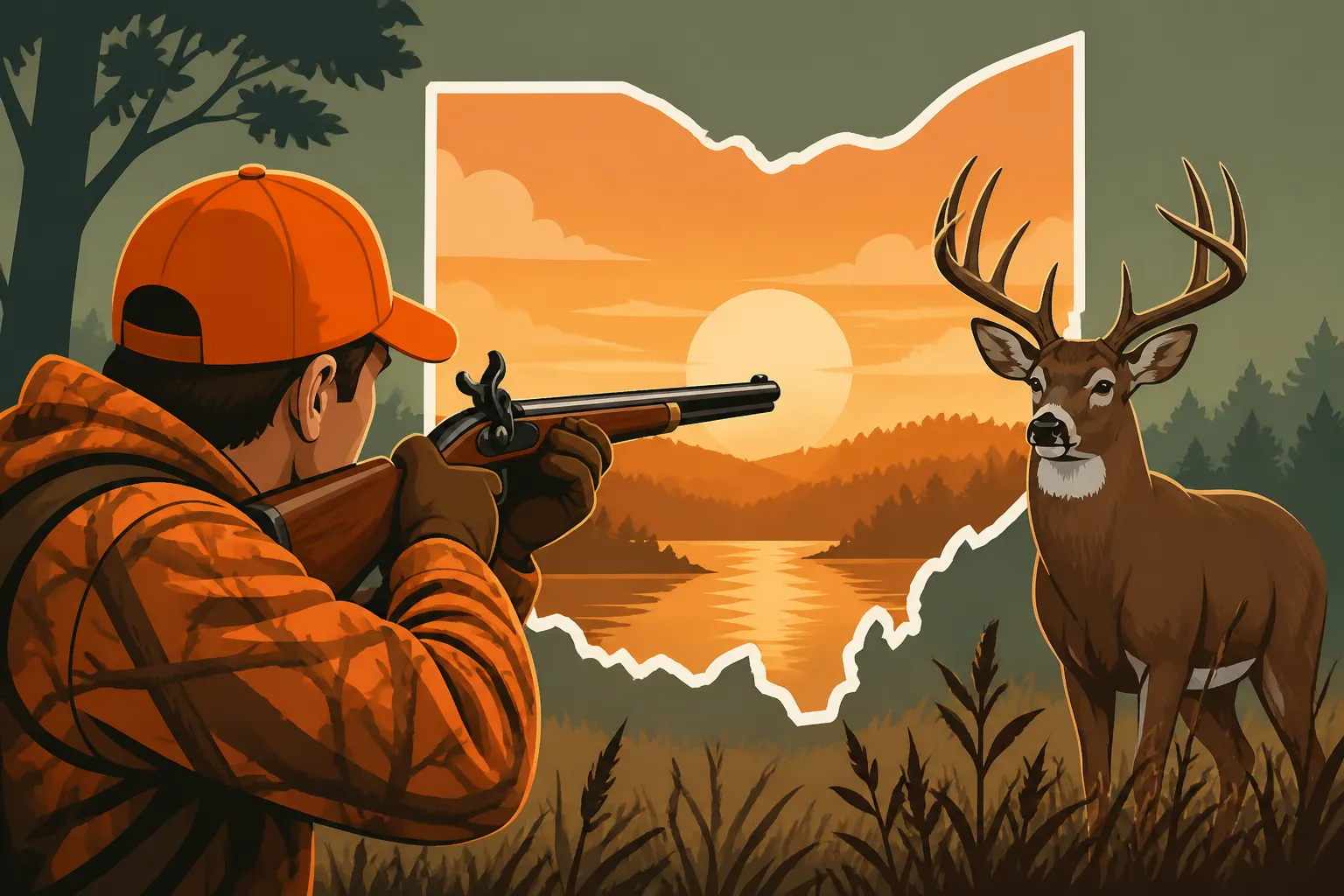
For many Ohio deer hunters, the general gun season might be the main event, but there’s a quiet, often overlooked gem that offers a truly unique challenge: muzzleloader season. When the leaves are long gone and winter's chill really sets in, stepping into the woods with a smoke pole feels like a nod to tradition, yet it comes with its own set of frustrations and triumphs. This comprehensive guide will walk you through everything you need to know to make the most of muzzleloader deer hunting in Ohio, from regulations and gear to late-season tactics and cold-weather care.
The Allure of Muzzleloader Deer Hunting in Ohio
There's something incredibly primal and satisfying about hunting with a muzzleloader. It's not just about the limited range or the single shot; it's about connecting with a hunting heritage that predates modern firearms. In Ohio, the muzzleloader season often comes when the deer have seen plenty of pressure, making it a test of skill and patience.
Ohio's Muzzleloader Season Structure
The Ohio muzzleloader season is strategically placed, typically in early January, right after the main gun seasons have wrapped up. This can be both a blessing and a curse. On one hand, it’s a dedicated period where you won't be competing with centerfire rifles, which means potentially less competition in some areas. On the other hand, the weather can be brutal, with deep snow, freezing rain, and bitter cold often making an appearance. Understanding the specifics of the season is crucial. The Ohio Department of Natural Resources (ODNR) sets the specific dates each year, but you can generally count on it running for a week or so in early January. This timing presents a unique opportunity for hunters who appreciate the late season, often after the rut has completely dissipated and deer are solely focused on food and cover.
Historically, this season was implemented to offer additional hunting opportunities and to help manage the state's robust deer herd. For many, it's a chance to extend their time afield and perhaps fill a deer tag that went unused during the earlier archery and gun seasons. The structure allows for taking one deer, typically with a valid deer permit, but always double-check the current regulations for any changes or specific antlerless restrictions in certain zones. Knowing the exact dates for Ohio Muzzleloader Season Dates is the first step in planning your hunt, allowing you to scout and prepare adequately for what can be some of the toughest, yet most rewarding, hunting conditions of the year.
Why Choose a Muzzleloader?
So, why would anyone willingly choose a single-shot firearm with a slower reload time and more limited range when modern rifles are available? It's a question many ask, and the answer often lies in the challenge and the connection to tradition. For some, it's about embracing the limitations, forcing them to become better, more patient hunters. You learn to stalk closer, to make that single shot count, and to really understand deer behavior. It strips away some of the technological advantages and puts the focus back on woodsmanship.
Beyond the personal challenge, the muzzleloader season offers a distinct tactical advantage. When you're out there in January, the woods are often quieter, and the deer are facing different pressures. They've been pushed and prodded for months, making them wary, but they also have very specific needs: food, water, and thermal cover. Muzzleloader hunting forces you to be exceptionally meticulous in your scouting and approach. You can't rely on a quick follow-up shot if your initial shot is off, which means every decision, from stand placement to shot angle, becomes incredibly deliberate. It elevates the experience from simply harvesting an animal to truly hunting. Plus, the satisfying puff of smoke and delay after the shot adds an old-school thrill that's hard to replicate with modern firearms.
Understanding Ohio Muzzleloader Regulations
Navigating hunting regulations can sometimes feel like trying to untangle a particularly stubborn knot. Ohio's rules for muzzleloaders are specific, and getting them right is non-negotiable for a legal and ethical hunt.
Legal Firearms and Ammunition
Ohio has specific requirements for what constitutes a legal muzzleloader for deer hunting. Generally, this includes traditional caplock and flintlock rifles, as well as modern in-line muzzleloaders. The key here is that they must load from the muzzle, and they must be a single-shot firearm. You can't use a breech-loading firearm that happens to fire a projectile similar to a muzzleloader, nor can you use multi-shot systems that load from the muzzle. The ammunition itself is also regulated; you'll typically be limited to using projectiles like sabots, conical bullets, or patched round balls. The minimum caliber for muzzleloaders when deer hunting in Ohio is .45.
It's absolutely critical to confirm these details with the current ODNR hunting regulations before you head afield. Every year, there can be subtle changes or clarifications. For instance, while smokeless powder muzzleloaders are popular in some states, Ohio generally requires black powder or approved black powder substitutes like Pyrodex or Triple Seven. Make sure your setup is compliant. Using the wrong powder or a non-approved projectile could land you in hot water. For a truly deep dive into the specifics, checking the ODNR website or the official hunting digest is your best bet to ensure your chosen firearm, whether it’s a traditional .50 caliber Hawken replica or a modern CVA Accura, meets all the legal criteria for Ohio Legal Firearms for Deer Hunting.
Blaze Orange Requirements
Safety is paramount, especially during any firearms season, even one with a lower hunter density like muzzleloader season. In Ohio, wearing blaze orange or blaze pink is a mandatory safety requirement when hunting deer with a firearm. This isn't just a suggestion; it's the law. You need to wear a visible outer garment that is primarily solid hunter orange or camouflage hunter orange, or the equally visible blaze pink. This applies to all deer firearms seasons, including the muzzleloader season.
The idea behind this regulation is simple: maximize visibility to other hunters, minimizing the risk of accidental shootings. Even if you're hunting private land or what feels like an isolated woodlot, other hunters might be nearby, or someone might be retrieving a deer. Your vest or jacket should be clearly visible from all sides. Don't skimp on this. While the exact square footage isn't often specified beyond "outer garment," think common sense. A small orange hat isn't enough. Many hunters opt for a full blaze orange vest or jacket, and some hunting pants also incorporate orange panels. Remember, deer are largely colorblind to orange hues, so it won't spook them. Prioritize your safety and the safety of others.
Where You Can Hunt
Ohio boasts a variety of hunting grounds, from sprawling public lands to numerous private tracts. For muzzleloader hunters, understanding where you can legally pursue deer is fundamental. Public hunting opportunities are abundant, with options ranging from the vast expanses of Wayne National Forest Hunting in southeastern Ohio to smaller, more scattered state wildlife areas across the state. These public lands, like the Wayne National Forest or Shawnee State Forest, offer thousands of acres, but they also tend to receive significant pressure during the earlier general gun seasons. By the time muzzleloader season rolls around in January, however, some of this pressure has subsided, though deer are undoubtedly wiser.
When planning your hunt, consider utilizing resources like the Ohio HuntFish app or websites such as GoHunt, which provide detailed maps of public land boundaries, aerial imagery, and even topographical features. These tools are invaluable for identifying potential hotspots and planning your approach. If you're targeting private land, ensure you have explicit permission from the landowner. Trespassing laws in Ohio are clear, and written permission is always the safest bet. During the cold, late muzzleloader season, deer movement is heavily dictated by food sources and thermal cover, so scouting these features on your chosen land is critical. Whether you're navigating the rugged ridges of the Hunting Southeast Ohio Appalachian Foothills or the flat agricultural fields of Hunting Northwest Ohio Farm Country, knowing the terrain and legal access points is key to a successful muzzleloader hunt.
Essential Muzzleloader Gear and Setups
Hunting with a muzzleloader isn't just about the firearm; it's about the entire system. From the gun itself to the accessories you carry, every piece plays a vital role in your success and safety in the chilly Ohio January woods.
Choosing Your Muzzleloader
The market for muzzleloaders has expanded considerably from the traditional flintlocks of yesteryear. Today, you have several primary types to consider, each with its own advantages and quirks.
- Traditional Flintlocks and Caplocks: These are often chosen by purists who enjoy the historical aspect and the unique challenge. Flintlocks ignite the powder with a spark from a flint striking steel, while caplocks use a percussion cap. They are generally slower to load and more susceptible to moisture, but they offer an unparalleled connection to hunting heritage. A good .50 caliber caplock, like those made by Thompson/Center (T/C), can be incredibly accurate and robust.
- In-line Muzzleloaders: These are the most popular choice for modern hunters due to their reliability, accuracy, and ease of use. The primer is "in-line" with the powder charge, meaning the ignition is more direct and less prone to misfires, especially in damp conditions. Brands like Traditions, CVA, and Savage (known for their smokeless powder models, though Ohio limits powder types) offer excellent options.
- Break-Action Muzzleloaders: Many in-line muzzleloaders feature a break-action design, making them incredibly easy to clean and maintain. This is a huge plus when dealing with the corrosive nature of black powder and its substitutes. They are also typically more compact and easier to handle in a treestand.
When considering a muzzleloader for Choosing a Muzzleloader for January Cold, think about your personal comfort with the mechanics, your budget, and how much you prioritize modern convenience versus traditional experience. A .50 caliber is the most common and versatile choice, offering plenty of knockdown power for Ohio whitetails. Ensure your chosen model is easy to clean, as black powder fouling can be significant.
Optics and Sighting In
While some traditionalists might stick with open sights, most modern muzzleloader hunters opt for a scope to maximize accuracy, especially in the low light of a late Ohio winter morning or evening. A good quality, low-power scope (like a 1-4x or 2-7x variable) is often ideal. You don't need high magnification for muzzleloader ranges, which are typically under 150 yards, and a lower power setting offers a wider field of view for quick target acquisition in thick timber. Look for a scope with good light-gathering capabilities and a clear, simple reticle. Brands like Leupold, Vortex, or Nikon offer reliable and rugged scopes that can withstand the recoil and weather.
Sighting in your muzzleloader is arguably more critical than with a modern rifle, given the single-shot nature and the unique ballistics of black powder. The trajectory of a muzzleloader projectile is often more rainbow-like than a modern rifle, so knowing your exact point of impact at various ranges is essential. Start at 25 yards to get on paper, then move out to 50 and 100 yards. Practice shooting from various positions you might encounter in the field – offhand, resting on a tree, or from a shooting stick. Don't just shoot a few rounds and call it good; spend time understanding how your particular rifle, powder, and projectile combination performs. Remember, cold weather can affect powder burn and projectile flight, so doing some practice in conditions similar to the hunt can be very beneficial. Using a high-quality rangefinder, like those offered through tools found on GoHunt, can help you practice effectively and precisely calculate distances in the field, ensuring you're confident in your ethical shooting range.
Powder, Primers, and Projectiles
The heart of a muzzleloader's performance lies in its charge. The right combination of powder, primer, and projectile is crucial for accuracy and reliability.
- Powder: As mentioned, Ohio generally requires black powder or approved substitutes. Black powder comes in different granulations (FFFG, FFG, Fg), with FFG being common for rifles. Substitutes like Hodgdon Pyrodex or IMR Triple Seven are popular because they are less corrosive and easier to clean. Always measure your powder charge accurately using a reliable powder measure. Consistency is key to accuracy. Avoid using any form of smokeless powder unless your muzzleloader is specifically rated for it and it's legal in Ohio, which is typically not the case for deer hunting.
- Primers: In-line muzzleloaders most commonly use 209 shotshell primers, which provide a very hot and reliable ignition, even in cold or damp conditions. Traditional caplocks use percussion caps (often #11 caps). Always ensure your primers are fresh and stored in a dry place. A misfire due to a damp primer is incredibly frustrating in the field.
- Projectiles: This is where things get interesting.
- Sabots: These are typically plastic sleeves holding a smaller, modern bullet (like a .45 caliber bullet in a .50 caliber sabot). They offer excellent accuracy and velocity, making them a popular choice. The Barnes Expander MZ or Hornady SST are common, effective choices.
- Conical Bullets: These are solid lead bullets, often weighing 300-500 grains, that are loaded directly down the bore without a sabot. They hit hard and are a good choice for bigger deer. The PowerBelt Aerolite or a traditional Maxi-Ball are examples.
- Patched Round Balls: These are historically accurate and very effective at close ranges, especially in traditional rifles. They rely on a cloth patch to seal the bore.
Deciding between Sabot Versus Conical for Deer depends on your rifle and personal preference. Some rifles shoot sabots better, while others prefer conicals. Experiment on the range to find what provides the best accuracy in your muzzleloader. Always carry extra powder, primers, and projectiles in a waterproof container when hunting. Nothing is worse than having a successful shot and realizing you can't reload for a follow-up or another opportunity.
Late-Season Muzzleloader Tactics
Hunting in Ohio during the January muzzleloader season presents a unique set of challenges and opportunities. Deer behavior has shifted dramatically from the rut, and the cold weather dictates much of their movement.
Targeting Food Sources
By January, the primary focus for Ohio whitetails is survival, and that means finding reliable food. The lush green browse of early season is long gone, and acorns might be buried under snow. Deer will be concentrating heavily on any available calorie-rich food sources. This makes identifying and hunting these areas absolutely crucial for muzzleloader success.
Think about standing grain fields, such as corn or soybeans, that haven't been harvested yet. These fields offer both food and crucial thermal cover from the harsh winter winds. Deer will often bed down in these fields or in thick cover adjacent to them, only moving out to feed during periods of low light. Another prime late-season food source is brassicas, if any local farmers or landowners have planted them. These turn sweet after a hard frost and become highly attractive. Even areas with leftover hard mast, like white oaks that still hold acorns, can be goldmines if the snow isn't too deep. Locating these areas requires diligent scouting, often involving glassing fields from a distance during the early morning or late evening, and looking for tracks and droppings at field edges. Remember, deer will often travel specific, well-worn paths to and from these critical food sources, which makes setting up along these travel corridors incredibly effective. The objective is to intercept them during their brief feeding windows, making Late-Season Food Sources for Ohio Whitetails a core component of your strategy.
Tracking and Still-Hunting
With snow often covering the ground during muzzleloader season, tracking becomes a viable and incredibly effective hunting method. Fresh snow can act like a giant whiteboard, revealing every movement a deer makes. If you find fresh tracks leading into a thick bedding area, don't be afraid to put on a slow, deliberate still-hunt. This involves moving incredibly slowly, taking a few steps, then pausing and scanning for several minutes, looking for any sign of a deer: a flick of an ear, a horizontal line in a vertical world, or the tell-tale glint of an eye. The key is to blend in with the environment and move with the wind in your favor.
Still-hunting is also an excellent tactic when you're covering ground in larger public areas like the Wayne National Forest. Instead of sitting in a static stand all day, which can be brutal in freezing temperatures, still-hunting allows you to stay warm and actively engage with the hunt. You're constantly searching for sign, listening for sounds, and trying to anticipate where deer might be. This method works particularly well in areas with diverse terrain, like the rolling hills of Southeast Ohio, where deer might be holding tight in a secluded ravine or on a sunny, south-facing slope seeking warmth. While the single shot of a muzzleloader requires precise aiming, the advantage of still-hunting is often getting much closer to your quarry, increasing the likelihood of a high-percentage shot.
Cold-Weather Hunting Strategies
Hunting in January in Ohio demands a different mindset and preparation than an early fall archery hunt. The cold isn't just uncomfortable; it can be dangerous if you're not properly dressed and equipped. Your first priority should be layering. Start with a good moisture-wicking base layer, add insulating layers like fleece or wool, and top it off with a windproof and waterproof outer shell. Wool, in particular, is an excellent choice for Cold-Weather Sitting Strategy in Ohio because it retains its insulating properties even when wet. Don't forget extremities: quality insulated boots, thick wool socks, a warm hat, and heavy gloves or mittens are non-negotiable. Chemical hand warmers and toe warmers can be lifesavers on long sits.
Hydration is also critical, even though you might not feel thirsty. Carry a thermos with hot coffee, tea, or broth to help warm your core. As for deer, they are also trying to conserve energy. They will often move later in the morning and earlier in the afternoon, maximizing their feeding time during the warmest parts of the day. This might mean adjusting your hunting hours to match their peak activity. Look for thermal cover – thick pines, cedars, or south-facing slopes that catch the sun – where deer will bed to escape the cold. Setting up a ground blind, perhaps brushed in for extra concealment, can also help cut down on wind exposure during a long sit. Remember, the challenge isn't just taking a deer; it's enduring the elements and staying mentally sharp throughout the hunt.
Hunting Different Ohio Terrains with a Muzzleloader
Ohio's diverse landscapes offer varied hunting experiences, and muzzleloader season is no exception. From rugged hills to flat farmlands, understanding the nuances of each terrain type is crucial for success.
Appalachian Foothills
The southeastern region of Ohio, often referred to as Appalachia, is characterized by its steep, forested hills, deep ravines, and extensive timber. Areas like Zaleski State Forest or Tar Hollow State Forest provide challenging but rewarding muzzleloader hunting. Deer densities here can be lower than in the farm belt, but the bucks tend to be older and wiser, having eluded hunters for several seasons. Hunting these areas with a muzzleloader requires a solid understanding of topography and deer behavior. Deer will often utilize ridge tops for travel, saddles as funnels between drainages, and thick clear-cuts or secluded ravines for bedding.
During the cold January muzzleloader season, focus on south-facing slopes for bedding, as they catch more sunlight and offer warmer conditions. Deer will also seek out dense conifer stands for thermal cover. Identifying the primary food sources – often residual acorns or isolated pockets of browse – and connecting them to bedding areas via subtle trails is key. Your physical fitness will be tested, as still-hunting and tracking through these rugged hills can be exhausting. Consider using a good mapping app, perhaps with the GoHunt overlay, to identify topography, potential pinch points, and cover changes. The effort required is substantial, but the reward of harvesting a mature buck from these wild, beautiful hills with a muzzleloader is deeply satisfying. Remember, the tactics for Still-Hunting Shawnee State Forest Ridges are especially pertinent here, focusing on silent movement and observation.
Northwest Ohio Farmland
Contrast the Appalachian foothills with the flat, expansive agricultural lands of Northwest Ohio. Here, deer densities are often higher, and the landscape is dominated by crop fields, woodlots, fencerows, and drainage ditches. Muzzleloader hunting in this region typically revolves around these features, particularly if there are standing crops or leftover forage. Deer in farmland areas are incredibly adept at utilizing small pockets of cover. A seemingly insignificant fencerow, a thick ditch line, or even a small island of timber in the middle of a vast field can hold deer, especially during pressured seasons.
Your strategy here will heavily involve glassing fields at dawn and dusk to identify feeding patterns and travel routes. Deer will often bed in thick woodlots during the day and move out to feed in crop fields, sometimes traveling considerable distances. Pay close attention to wind direction, as the open nature of the terrain makes scent control paramount. Setting up ground blinds or treestands on the edges of woodlots overlooking key travel corridors or food sources can be very effective. The challenge in these areas isn't necessarily finding deer, but getting within muzzleloader range without being detected in the open landscape. Patience and strategic placement are vital. For more specific insights into these unique hunting conditions, check out resources on Hunting Northwest Ohio Farmland Deer.
Public Land Pressures
Whether you're in the hills or the plains, hunting Ohio's public lands during any deer season, including muzzleloader, means acknowledging hunting pressure. By January, deer on public land have seen it all. They've been educated by bowhunters since September, pushed by multiple gun seasons, and have likely developed acute senses and evasive behaviors. This can be one of the most frustrating aspects of hunting public land.
To find success, you need to think differently. Often, the key is to go where others aren't willing to go. This might mean hiking deeper into remote sections of the Wayne National Forest or Shawnee State Forest, pushing through thick, unappealing cover, or navigating terrain that most hunters avoid. Look for overlooked pockets of cover, steep ravines, or dense thickets far from main trails and parking areas. Utilize detailed topo maps and aerial imagery to find these hidden sanctuaries. Sometimes, simply walking an extra half-mile beyond where other tracks end can make all the difference. Deer on pressured public land become masters of evasion, holding tight in cover and only moving when absolutely necessary or under the cloak of darkness. Your muzzleloader hunt on public land often becomes a game of outsmarting not just the deer, but also predicting and avoiding the residual impacts of previous hunter activity.
Field Care and Post-Hunt Essentials
After the shot, the work isn't over. Proper field care of your muzzleloader and your harvested deer is crucial, especially in the cold conditions of Ohio's January.
Keeping Your Muzzleloader Dry
One of the biggest frustrations of muzzleloader hunting, particularly with traditional black powder or its substitutes, is the susceptibility to moisture. Rain, snow, or even heavy condensation can wreak havoc on your powder charge and primers, leading to misfires or hangfires. In the often-damp and snowy Ohio winter, keeping your muzzleloader dry is a constant battle.
Before heading into the field, ensure your rifle is clean, lightly oiled, and loaded properly. When hunting, protect the muzzle with a piece of electrical tape, a finger cot, or a dedicated muzzle cover to prevent moisture from entering the barrel. For caplocks, a small piece of balloon or rubber band over the percussion cap can offer vital protection. Many hunters also carry their powder and primers in waterproof containers or sealed plastic bags. If you’re sitting in a stand in sleet or snow, try to keep your rifle tucked under your arm or inside a blind to shield it. After the hunt, whether you shot or not, take the time to unload your muzzleloader safely and thoroughly clean it, especially if it was exposed to moisture. Black powder fouling is corrosive, and neglecting it can quickly lead to rust and damage. More detailed advice on Keeping a Muzzleloader Dry in Wet Snow can save you a lot of headache and potentially a missed opportunity.
Field Dressing in Cold Weather
Successfully harvesting a deer in January is a triumph, but the cold weather also brings advantages to field dressing and meat care. The low temperatures act as a natural refrigerator, slowing down bacterial growth and helping to preserve the meat. This doesn't mean you can be complacent, but it does afford you a bit more time than a warm early-season hunt.
The basic principles of Field Dressing a Deer in Cold Weather remain the same: eviscerate the animal quickly and cleanly to allow the carcass to cool. However, working with cold hands and potentially frozen ground can be challenging. Wear gloves to protect your hands, and carry a sharp, reliable knife. Once the deer is field-dressed, focus on getting it transported out of the woods and allowing it to continue cooling. If it's below freezing, the cold will do most of the work for you. If it's a bit warmer (above 35-40°F), consider getting the deer to a cooler or processing facility as soon as possible. Avoid dragging the deer through unnecessary mud or water, which can contaminate the meat. If you're on public land and have a long drag, a game sled can be a godsend.
Checking and Reporting Your Deer
Ohio has mandatory deer checking requirements, and this applies equally to deer harvested during muzzleloader season. It's a critical step in wildlife management, providing the ODNR with essential data on harvest numbers, deer health, and population trends. The process is relatively straightforward but must be done within 24 hours of harvest.
You have a few options for checking your deer:
- Online: The most common and convenient method is through the Ohio Wildlife Licensing System website or the HuntFish Ohio app. You'll need to enter information about your permit, the county of harvest, and the deer's characteristics (sex, antler points).
- By Phone: A dedicated phone number is also available for reporting your harvest.
Regardless of the method, ensure you receive a confirmation number. Keep this number as proof of compliance. Failure to properly check your deer is a violation and can result in fines and other penalties. This data is vital for ensuring the future of deer hunting in Ohio. For detailed instructions on Registering a Deer Through Ohio's Check-In System, refer to the current ODNR hunting regulations. Be prepared with your license and permit information, as well as the exact location and date of your harvest.
Overcoming Common Muzzleloader Challenges
Muzzleloader hunting is full of character, and sometimes that character comes in the form of unique challenges. Being prepared for these can make or break your hunt.
Dealing with Misfires and Hangfires
Few things are as disheartening as aiming at a trophy buck, squeezing the trigger, and hearing a click instead of a boom. Misfires (no ignition) and hangfires (a delayed ignition) are an inherent risk with muzzleloaders, especially with traditional designs or in damp conditions.
- Misfires: If you experience a misfire, keep the muzzle pointed in a safe direction. Wait for at least 30-60 seconds, as it might be a hangfire. Then, try to recock the hammer and re-prime or replace the percussion cap/primer. Sometimes a second strike is all it takes. If it still won't fire, you'll need to safely unload the rifle. This typically involves removing the breech plug (on an in-line) or carefully disassembling the rifle if it's a traditional model, which is why practicing this at home is so important. Make sure your powder is dry, your primer is fresh, and there's no obstruction in the flash channel.
- Hangfires: These are arguably more dangerous because they give the impression of a misfire, but the ignition is merely delayed. Always keep the gun pointed downrange for a minimum of 30-60 seconds after a "click" before doing anything else. It's rare, but a hangfire can happen, and the projectile can still discharge.
The best defense against both is meticulous preparation: use fresh, dry powder and primers, keep your rifle clean (especially the flash channel), and protect it from moisture. Practice loading and unloading to become proficient, so if a misfire does occur, you can handle it calmly and safely.
Extended Reload Times in the Field
Unlike a modern rifle where a follow-up shot is often a matter of seconds, reloading a muzzleloader in the field is a deliberate, multi-step process. This is the "one shot" challenge that defines muzzleloader hunting and can be a source of significant frustration if you're not prepared.
Imagine this scenario: you take a shot at a deer, but it’s not a clean kill, and the animal is wounded but still on its feet, perhaps offering a second opportunity. Or, you miss entirely, and another deer presents itself. Reloading under pressure, with cold hands, possibly in low light, can feel agonizingly slow. This is where practice pays off. Develop a routine for reloading that you can execute efficiently, even when stressed. Many hunters pre-measure powder charges into speed loaders or plastic tubes, making it quicker to dump powder down the barrel. Keep your projectiles and primers readily accessible. A starter tool can help seat the bullet quickly and properly.
The extended reload time means every shot must be taken with absolute confidence. It emphasizes the need for ethical shot placement and patient waiting. If you shoot and the deer doesn't drop immediately, resist the urge to rush. Assess the situation, give the deer time if it looks to be a good hit, and consider your next steps carefully rather than fumbling through a hurried reload. The slower reload makes tracking and recovery even more critical, as you might not get a second chance to finish the job quickly.
Maintaining Focus in Extreme Cold
The January muzzleloader season in Ohio can be brutally cold. Sitting for hours in freezing temperatures, possibly with wind and snow, can quickly erode your concentration and make you miserable. But losing focus can lead to missed opportunities or unsafe situations.
This is where your cold-weather hunting strategies come full circle. Proper layering, warm boots, hand warmers, and hot drinks are not just about comfort; they are about maintaining mental sharpness. If your core temperature drops, your decision-making abilities will be impaired, your dexterity will suffer, and you'll be more likely to make mistakes. Choose your stand location wisely, perhaps opting for areas with natural windbreaks or positions that allow for some occasional movement to stay warm. If you find yourself shivering uncontrollably or losing sensation in your fingers and toes, it's time to move, even if it means sacrificing a sit. Prioritize your safety and well-being. A successful hunt isn't worth risking hypothermia. Taking short breaks to walk or warm up in a vehicle can sometimes be more productive than freezing for hours, as it allows you to return to the stand refreshed and focused. The satisfaction of overcoming the elements to harvest a deer with a muzzleloader in Ohio's winter is one of the most profound experiences a hunter can have.
Disclaimer
Hunting is an inherently risky activity. Always adhere to all local, state, and federal hunting regulations. Ensure you have the necessary licenses and permits. Prioritize firearm safety and wear appropriate safety gear, including blaze orange or blaze pink as required. The information provided in this article is for educational purposes and should not replace professional guidance or official government regulations. Always verify current hunting laws with the Ohio Department of Natural Resources before hunting.