Diver Ducks on Lake Erie
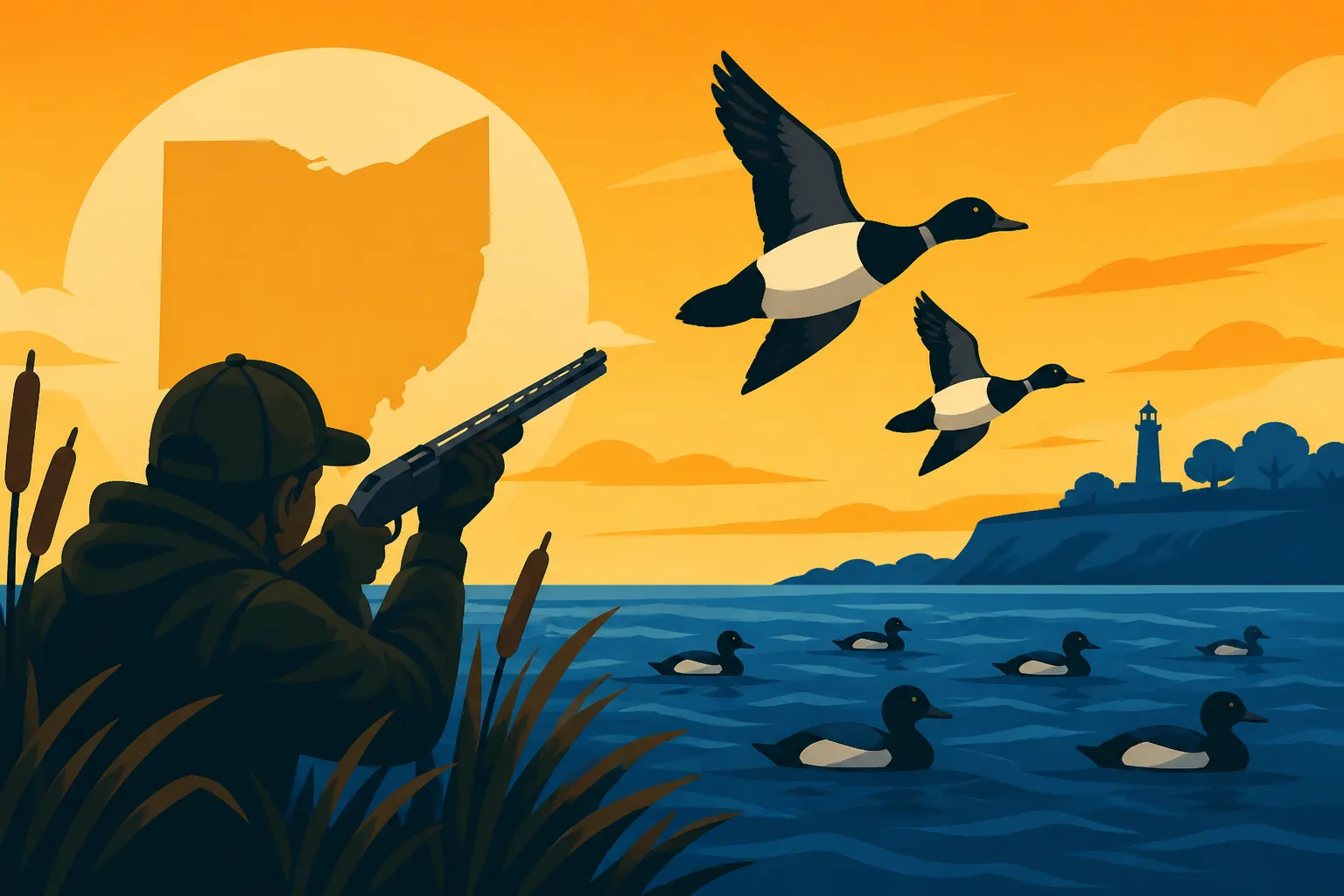
Ah, Lake Erie diver ducks. If you've ever stood on a blustery fall morning, peering out over that vast, gray expanse of water, you know the feeling. It's a mix of awe, anticipation, and a healthy dose of trepidation. Hunting diver ducks on Lake Erie isn't for the faint of heart or the unprepared. It demands respect for the water, a keen understanding of bird behavior, and the right gear to face some truly challenging conditions. This guide is all about demystifying that experience, helping you understand the unique world of diver ducks on Lake Erie, and equipping you with the knowledge to safely and successfully pursue them.
Understanding Lake Erie's Diver Duck Habitat
Lake Erie is a beast, plain and simple. It's the shallowest of the Great Lakes, but what it lacks in depth it makes up for in sheer ferocity when the weather turns. This unique geography creates a diverse range of habitats that appeal to various species of diver ducks, making it a critical stopover and wintering ground on the migratory flyway. You can't just pick a spot and expect success; you need to understand why the ducks are there.
The Dynamics of the Western Basin
When most folks think of Lake Erie waterfowl, their minds often drift to the Western Basin. This area, particularly from Toledo east towards Sandusky Bay, is famous for its shallow depths, rich aquatic vegetation, and abundant invertebrate life. These conditions make it an absolute magnet for ducks, especially divers. The broad, expansive bays like Maumee Bay and Sandusky Bay, along with the numerous marsh systems, offer sheltered feeding grounds. The bottom here is often soft and muddy, perfect for ducks like canvasbacks and redheads to root around for tubers and mollusks. This incredible richness is why the Western Basin is such a renowned waterfowl destination. If you're looking for prime areas, a platform like GoHunt, with its detailed mapping and historical harvest data, can be incredibly helpful for pinpointing these hotspots before you even launch your boat. Understanding the lay of the land, or rather, the lay of the water, is paramount here.
The extensive shallow areas of the Western Basin mean that even a moderate wind can kick up significant waves, making navigation and hunting from small boats a real challenge. However, these same winds can concentrate birds in more sheltered pockets, like the lee side of islands or within the deeper channels of the marsh complexes. Hunters often focus on these transition zones, where divers might be resting before heading out to deeper water or feeding in the abundant weed beds. The constant churn of nutrients and the warmer water temperatures compared to the other Great Lakes contribute to an explosion of life, from larval insects to small baitfish, all crucial food sources for migrating divers.
Key Features of the Central and Eastern Basins
While the Western Basin gets a lot of the glory, don't sleep on the Central and Eastern Basins. These areas are deeper, with rockier bottoms and fewer large, shallow marsh systems. Here, you'll find different hunting opportunities and, often, different concentrations of diver species. The Central Basin, stretching from Sandusky east to Cleveland, sees good numbers of scaup (bluebills) and goldeneyes, which prefer deeper, clearer water where they can dive for mussels and small fish. These ducks are less reliant on the shallow vegetation that draws in canvasbacks and redheads.
Further east, toward Ashtabula and Conneaut, the Eastern Basin is even deeper and colder, with less overall waterfowl pressure. This can be a boon for hunters willing to put in the effort. The rocky shoals and deeper ledges in these areas are prime feeding grounds for larger diving ducks that prey on zebra mussels and quagga mussels, which are sadly abundant throughout the lake. Hunting these deeper waters requires heavier-duty boats and an even greater respect for Lake Erie's unpredictable moods, but the rewards can be substantial for those who learn to navigate these challenging waters. These regions often offer a more solitary experience than the bustling Western Basin, appealing to hunters who prefer solitude.
The Role of Nearshore vs. Offshore Waters
Understanding whether divers are in nearshore or offshore waters is critical to developing your strategy. Nearshore areas, within a mile or two of the coast, often include protected bays, river mouths, and the edges of larger marsh complexes. These spots are typically targeted by hunters using layout blinds or small boats working the fringes. The ducks here might be feeding, resting, or staging before longer flights. Conditions can be slightly more manageable closer to shore, though Lake Erie is always capable of throwing a curveball.
Offshore hunting, on the other hand, is a completely different beast. This involves venturing several miles out onto the open lake, often far from land, to target rafts of divers that gather over specific shoals, reefs, or mussel beds. This is where you'll find the truly immense concentrations of bluebills and goldeneyes, often in waters 20 to 50 feet deep. This style of hunting requires specialized boats, extensive safety equipment, and a deep understanding of marine weather. You'll need to study detailed bathymetric charts and potentially use a GPS or a mapping application like GoHunt to mark promising underwater structures. The payoff can be incredible, but the risks are equally high, so it's not a pursuit to be taken lightly. Many hunters will target the edges of these large rafts, deploying massive decoy spreads to draw in passing birds or those looking to join the main group.
Identifying Key Diver Duck Species on Lake Erie
Lake Erie hosts a remarkable variety of diver ducks throughout the fall and winter, each with its own characteristics, preferred foods, and flight patterns. Being able to identify them on the wing, or even just knowing which species are most likely to be in your hunting area, is a huge advantage. It helps you tailor your decoy spread, your calling, and your overall strategy.
Canvasbacks and Redheads
These two species are often grouped together because they share a preference for shallower, vegetated waters, though canvasbacks will certainly venture into deeper areas for mussels. The "king of ducks," the canvasback, is instantly recognizable by its sloped forehead and long, dark bill, contrasting with its brilliant white body and reddish-brown head. Redheads, while similar in coloration, have a rounder head, a blue-gray bill with a black tip, and a more uniform gray body. Both are highly prized by hunters for their table fare and their challenging flight.
On Lake Erie, you'll primarily find canvasbacks and redheads concentrated in the Western Basin, especially during the early to mid-fall migration. They feed heavily on the sago pondweed, wild celery, and various tubers found in the shallower bays and marsh edges. Setting up in these areas, particularly where you've observed birds feeding or resting, is key. Decoy spreads for these birds often include a significant number of "cans" and "reds," typically rigged as diver decoys to ride low in the water. Remember, these birds are smart and will often circle a spread several times before committing, so concealment is paramount. If you're interested in more specific tactics, check out articles on topics like Diver Ducks on Western Lake Erie for more detailed insights into hunting these magnificent birds.
Bluebills Scaup and Ringnecks
Greater and Lesser Scaup, collectively known as bluebills, are perhaps the most numerous divers on Lake Erie. These tough, gregarious birds are comfortable in both shallow and deeper water, though they typically prefer open water areas where they feed on mussels and small invertebrates. They're characterized by their black heads and chests, white flanks, and distinctive blue-gray bills. Ring-necked ducks are smaller, with a similar dark head and chest, but they have a white ring at the base of their bill (though often hard to see) and a distinct white ring around their neck, often only visible up close. Their diet is more varied, including seeds, tubers, and invertebrates.
You'll encounter bluebills across all basins of Lake Erie, though the largest rafts are often found in the Central and Eastern Basins, particularly over mussel beds. Ringnecks tend to favor more sheltered, vegetated waters, similar to canvasbacks, but are also common on smaller inland lakes and ponds. When hunting bluebills, large spreads, often 100+ decoys, are the norm to mimic the massive rafts they form. They are fast, erratic flyers, often appearing suddenly over the horizon. Knowing the current Ohio Duck Daily Bag Limit is crucial, as scaup limits can sometimes be more restrictive than other species. Keep an eye on the species ID, as it directly impacts your legal take.
Goldeneyes and Buffleheads
Goldeneyes and buffleheads are smaller, hardier divers that often arrive later in the season and can tolerate colder, rougher conditions. Common goldeneyes are striking, with a greenish-black head, a bright white spot near the bill, and clean white sides. Barrow's goldeneyes are much rarer. Buffleheads, affectionately known as "butterballs," are tiny and compact, with a large white patch on their black heads and a clean white body. Both are rapid, agile flyers, and goldeneyes have a distinctive whistling sound their wings make in flight.
These birds are excellent mussel eaters and will be found in both nearshore and offshore areas across the lake, particularly as the water cools down. Goldeneyes are often found in river mouths and along rocky shorelines, while buffleheads can pop up almost anywhere, even in smaller, sheltered pockets of water. For these species, smaller, more dynamic decoy spreads can be effective. They are less wary than canvasbacks or redheads and will often zip right into a spread if they think it's a safe place to land. Hunters targeting these tenacious little divers often brave late-season conditions, proving that even small ducks can offer big challenges.
Essential Gear and Setup for Lake Erie Diver Hunting
Hunting diver ducks on Lake Erie is a gear-intensive endeavor, and for good reason. The lake can be incredibly unforgiving, and the margin for error is slim. Your safety and success depend heavily on having the right equipment and knowing how to use it. This isn't your average puddle duck hunt in a calm farm pond; this is big water, and it demands respect.
The Right Boat and Safety Equipment
First and foremost, you need a suitable boat. Forget your john boat or small aluminum skiff for open Lake Erie diver hunting. You need a stable, sea-worthy vessel capable of handling chop and potential swells. A deep-V hull fiberglass or heavy-gauge aluminum boat, at least 18-20 feet long, is usually considered the minimum for venturing beyond sheltered bays. The boat needs a reliable motor, preferably a primary and a kicker motor, because being stranded miles offshore on Lake Erie is a nightmare scenario. You'll also need ample space for decoys, hunters, and all your safety gear.
Speaking of safety, this cannot be overstressed. Every single person on board must have a properly fitting life jacket, and it's highly recommended to wear it at all times. Essential safety equipment includes:
- VHF Marine Radio: Essential for communication, especially where cell service is spotty.
- GPS Unit: For navigation and marking spots. Many hunters use dedicated marine GPS units in conjunction with apps like GoHunt on their phones for added redundancy.
- Flares and Signaling Devices: Visual and audible signals are critical for emergencies.
- Anchor and Line: A heavy anchor with plenty of line is necessary to hold position in strong currents or heavy winds.
- Bailer or Bilge Pump: To handle any water that comes over the bow or gets into the boat.
- Fire Extinguisher, Horn, and Navigation Lights: Standard Coast Guard requirements.
- First Aid Kit: Comprehensive enough for potential injuries in a remote setting.
- Extra Fuel, Tools, and Spare Parts: Anything that can prevent a minor breakdown from becoming a major incident.
- A "Float Plan": Always tell someone on shore where you're going and when you expect to return.
Ignoring any of these safety measures is not just irresponsible; it's potentially fatal on a body of water as temperamental as Lake Erie. Don't take chances.
Decoy Spreads for Lake Erie Divers
Diver duck hunting on Lake Erie is synonymous with massive decoy spreads. These birds often travel in large groups and are drawn to the sight of a substantial flock on the water. A typical diver spread for offshore hunting might consist of 50-100+ decoys, often arranged in J-hooks, U-shapes, or long lines to guide birds into the shooting zone. For Decoy Spreads for Lake Erie Divers, realism and motion are key. Heavy-keeled decoys are preferred to keep them stable in choppy water, and often specialized diver-specific decoys are used, which ride lower than puddle duck decoys.
Many hunters use long lines, sometimes referred to as "gang rigs," where multiple decoys are attached to a single main line with clips or snoods. This makes deployment and retrieval much faster and more efficient for large numbers of decoys. Some hunters will also incorporate spinning-wing decoys (where legal and appropriate) or jerk strings to add extra motion, mimicking the constant movement of a feeding or resting flock. The exact configuration will depend on the species you're targeting, the wind direction, and the currents, but the principle remains: create a highly visible, inviting spread that looks natural and large. Don't skimp on quality; durable decoys that can withstand the abuse of big water are a worthwhile investment.
Ammunition and Shotgun Considerations
For diver ducks, you'll want a reliable shotgun, typically a 12-gauge, capable of handling heavy loads. Many hunters prefer semi-automatics or pump-actions for quick follow-up shots on fast-moving birds. Choke selection is crucial; modified or improved modified chokes are popular for the longer shots often presented by divers. Since you'll be waterfowl hunting, remember that Where Nontoxic Shot Is Required in Ohio. Steel shot, bismuth, or tungsten-matrix loads are all viable options.
When choosing your ammunition, velocity and pellet size are key. Diver ducks are notoriously tough birds, with dense feathers and thick bones, especially larger species like canvasbacks and goldeneyes. You'll want shotshells with good knockdown power. Many hunters opt for 3-inch or 3.5-inch magnum loads, with pellet sizes ranging from #2 to BB steel, or #4 to #2 in more dense alternatives like bismuth or tungsten. Practice with your chosen load and choke to understand its pattern and effective range. Remember, ethical hunting means making clean kills, and that starts with knowing your equipment's capabilities. Hunting from an open boat, consider a shorter barrel for easier maneuvering, but balance that with the need for sufficient sight plane.
Tactics for Success on Lake Erie's Open Waters
Hunting divers on Lake Erie isn't just about showing up with gear; it's about understanding the nuances of the environment and the birds themselves. The lake presents a constantly changing set of variables, and adapting to them is what separates a successful hunt from a frustrating, or even dangerous, one.
Reading Weather and Water Conditions
Lake Erie is famous for its unpredictable temperament. What starts as a calm morning can quickly turn into a white-capping gale. Learning to read the weather is paramount for both safety and success. Always check the marine forecast before heading out, paying close attention to wind speed and direction, wave height, and potential for sudden storms. NOAA weather radio, marine forecast apps, and local buoy data are your best friends. Ideal conditions for diver hunting often involve a moderate wind (5-15 mph) that creates some chop but isn't dangerously rough. This chop breaks up the water surface, making decoys look more natural and helping to conceal your blind.
Strong winds can concentrate birds in sheltered areas, creating incredible opportunities, but they also make boat handling, decoy deployment, and shooting much more challenging. Conversely, dead calm days can make birds wary, as your decoys might look too static, and your blind will be highly visible. Water temperature also plays a role; as the lake cools, divers move to deeper water or seek out specific mussel beds. Understanding Ohio Waterfowl Migration Timing and how cold fronts impact bird movement can help you predict when and where new waves of divers might appear. Never underestimate the power of Lake Erie, and always err on the side of caution.
Blind and Layout Hunting Strategies
There are generally two primary strategies for hunting diver ducks on Lake Erie: traditional boat blinds and layout blinds.
Boat Blinds: For hunting closer to shore, in sheltered bays, or over specific submerged features, a permanent or portable boat blind can be effective. These blinds are typically well-camouflaged, providing shelter from the elements and hiding hunters from incoming birds. They are often anchored over a productive feeding area or a travel corridor. The key here is effective concealment. Birds that are pressured will flare at the slightest unnatural glint or movement. Hunters often supplement boat blinds with large decoy spreads, positioning themselves for optimal shooting angles as birds commit.
Layout Blinds: This is the iconic method for open-water diver hunting. Layout boats are low-profile, coffin-like boats designed to be virtually invisible on the water. They are typically deployed miles offshore, anchored in a spread of several hundred decoys. Hunters lie flat in these blinds, popping up to shoot when birds are working the spread. This method is incredibly effective because it blends seamlessly with the vastness of Lake Erie, but it requires a larger "mother ship" boat to transport the layout blind and hunters, and to pick up downed birds. Safety considerations are even more critical with layout blinds, as you are exposed to the elements and far from immediate help. A comprehensive article on Layout Blind Hunting Ohio Farm Fields provides insights into blind setup, though the principles for open water are obviously much more demanding.
Calling and Movement Considerations
Unlike puddle ducks, diver ducks aren't typically "chatted up" with intricate calling sequences. Their calls are generally coarser and less varied. Scaup, for instance, have a distinctive "bbrrr" or "purrr" sound, while canvasbacks have a deeper "karr-karr" call. Effective diver calling is more about creating realistic background noise and confirming the presence of other ducks. Short, sharp confidence calls are often more effective than long, drawn-out sequences. Many hunters primarily rely on their decoy spread and the natural draw of large rafts of birds.
Movement, however, is crucial. Whether you're in a boat blind or a layout blind, remaining absolutely still until it's time to shoot is paramount. Divers have excellent eyesight and will shy away from any perceived threat. This means no fidgeting, no peeking over the blind, and certainly no standing up until the birds are committed and within range. After the shot, swift retrieval of downed birds is important, as divers are experts at diving and swimming away, especially if wounded. A well-trained retriever can be invaluable, but often, the mother ship or small skiff is used to chase down birds on open water. Patience and discipline are your most important hunting tools on Lake Erie.
Challenges and Conservation for Diver Hunters
Lake Erie diver hunting is not without its difficulties, from navigating the inherent dangers of big water to understanding complex regulations and contributing to conservation efforts. Being a responsible and knowledgeable hunter means addressing these challenges head-on.
Navigating Lake Erie's Unique Hunting Pressure
Despite its vastness, certain areas of Lake Erie, especially the Western Basin, can experience significant hunting pressure during peak migration. Public access points can be crowded, and popular spots may see multiple hunting parties. This pressure can make ducks wary, forcing them to avoid well-known areas or to fly higher and be more reluctant to decoy. Finding success often means doing your homework:
- Scouting: Extensive pre-season scouting, both by boat and by studying satellite imagery, is crucial. Look for areas away from the crowds, often just a little further out or in less obvious locations.
- Off-Peak Times: Hunting on weekdays or during less popular times can sometimes yield better results as pressure subsides.
- Adaptation: Be prepared to move if your chosen spot isn't producing. Lake Erie is dynamic, and where birds were yesterday might not be where they are today.
- Respect for Others: Common courtesy on the water goes a long way. Maintain safe distances from other hunting parties, and be mindful of your wake and noise.
Platforms like GoHunt, with their mapping layers and land ownership information, can help identify less-pressured areas or potential new spots to explore. Always remember that sharing the resource responsibly ensures everyone has a better experience. Understanding Hunting Pressure on Ohio Public Land can give you an edge, even on big water.
Dealing with Avian Influenza and Other Concerns
Like all waterfowl hunters, those on Lake Erie must be aware of potential wildlife diseases, particularly avian influenza (AI). AI can affect waterfowl populations and poses a potential, though low, risk to humans. The Ohio Department of Natural Resources (ODNR) regularly monitors for AI and other diseases. Hunters should be vigilant for sick or dead birds and report any unusual observations to the ODNR.
Best practices for handling harvested birds include:
- Wear Gloves: Always wear disposable gloves when handling waterfowl.
- Wash Hands and Equipment: Thoroughly wash hands, knives, and all equipment with soap and hot water after handling birds.
- Cook Thoroughly: Cook all game meat to an internal temperature of at least 165°F (74°C).
- Avoid Contact with Sick Birds: Do not handle birds that appear sick or are found dead.
While AI is a concern, it shouldn't deter you from hunting. Instead, it should reinforce the importance of responsible hunting practices and staying informed through official wildlife agency channels.
Contributing to Diver Duck Conservation
Diver duck populations, like all waterfowl, face various challenges including habitat loss, climate change, and pollution. As hunters, we play a vital role in conservation, and purchasing licenses and stamps is a direct contribution. Every hunter on Lake Erie needs to ensure they have their Ohio Federal Duck Stamp Requirement and their Ohio Migratory Bird Certification. These funds directly support wetland conservation and habitat restoration across the continent, benefiting not only divers but all migratory birds.
Beyond financial contributions, hunters can also engage in:
- Habitat Improvement: Support local conservation groups that work on wetland restoration or participate in volunteer efforts.
- Ethical Hunting: Practice responsible hunting by striving for clean kills, retrieving all downed birds, and adhering to all bag limits and regulations. This ensures a sustainable harvest.
- Data Collection: Participate in hunter surveys or provide data to wildlife agencies when requested, which helps biologists monitor populations and make informed management decisions.
- Advocacy: Be an advocate for waterfowl and wetland conservation. Educate others about the importance of these habitats and the role hunters play in preserving them.
Hunting diver ducks on Lake Erie is a privilege, a challenging and rewarding pursuit that connects us to a wilder side of Ohio. By understanding the birds, respecting the water, using the right gear, and contributing to conservation, we ensure that this tradition can continue for generations to come.
Disclaimer
This article is for general informational purposes only and does not constitute professional advice. Laws, prices and regulations vary by location and change over time. Consult a qualified professional for guidance on your specific situation.