Ohio Waterfowl Migration Timing
It can feel like a guessing game sometimes, watching the skies and wondering when those waves of migrating waterfowl will finally push through Ohio. We've all been there, checking the weather radar for cold fronts up north, hoping for that perfect storm to bring in new birds. This comprehensive guide is here to demystify Ohio's waterfowl migration timing, helping you understand the ebb and flow of ducks and geese throughout the season and better plan your hunts.
Understanding Ohio's Place in the Flyways
Ohio sits squarely in the heart of the Mississippi Flyway, a superhighway for migratory birds traveling between their northern breeding grounds and southern wintering areas. This geographical advantage means we get to experience a wide variety of waterfowl species passing through, sometimes even stopping over for extended periods to feed and rest.
The Mississippi Flyway Advantage
The Mississippi Flyway is one of four major avian migration routes across North America, stretching from the arctic tundras down to the Gulf of Mexico. For Ohio waterfowlers, this means our state is a crucial stopover point, especially for species like mallards, pintails, wood ducks, and various diving ducks. We're not just getting local birds; we're often seeing fresh migrations of birds from Canada and the northern U.S. states. This constant influx of new birds makes for dynamic hunting opportunities, though it also means understanding the broader weather patterns that dictate their movements.
Lake Erie's Role as a Migration Hub
Lake Erie, and its expansive marsh zones along the western basin, acts as a massive magnet for waterfowl. It’s an essential staging area for ducks and geese, particularly divers, as they prepare for longer flights south. The sheer size of the lake, combined with its abundant food sources and sheltered marshes, draws in incredible numbers of birds. Hunters often find that the conditions on Lake Erie can dictate migration patterns for ducks well into inland Ohio, as birds will move from the lake to smaller bodies of water and agricultural fields when pressured or when weather makes the big water too rough. Learning to anticipate these movements is key to success. You can explore more about Hunting Lake Erie Marsh Zone Waterfowl to understand the local dynamics.
Early Season Waterfowl: September and October Arrivals
The early season can be a mixed bag, offering some fantastic opportunities for resident birds and the first push of northern migrants, but it also brings challenges like warm weather and abundant natural food sources.
Teal and Wood Duck Season
September often kicks off with the special early teal season, a brief but exciting window focused on blue-winged and green-winged teal. These speedsters are among the first to move south, often pushed by the first hints of cooler weather far to the north. While they don't stick around long, their early presence is a clear signal that the migration is beginning. Following close behind, and often overlapping with general duck season opener in October, are the beautiful wood ducks. Ohio has a strong resident population of wood ducks, and their numbers are augmented by birds migrating from further north. They prefer timbered swamps, beaver ponds, and slow-moving creeks, often found in surprisingly tight cover. Targeting these birds requires a different approach than open-water hunting, focusing on scouting secluded pockets of water and mastering silent approaches.
Early Goose Migration and Resident Birds
Early September also brings the opening of Canada goose season, often focused on managing Ohio’s thriving resident goose population. These local birds can offer consistent action, particularly in agricultural fields and larger ponds near urban or suburban areas. As the season progresses into October, the first waves of migrant Canada geese begin to trickle in from the north. These early migrants are often younger birds or smaller family groups, and they tend to be less wary than the heavily pressured geese encountered later in the season. Understanding Early Goose Season Tactics in Ohio can give you an edge, as these birds behave differently than their late-season counterparts. Using tools like GoHunt can help you scout historical feeding patterns in specific fields, looking for where geese might have staged in previous early seasons.
Peak Migration: November's Duck and Goose Rush
For many Ohio waterfowl hunters, November is the month we truly live for. This is when the serious cold fronts arrive, pushing massive numbers of ducks and geese down the flyway. The landscape changes, and new birds seem to appear daily.
Mallard and Dabbler Influx
As November deepens, especially after the first hard freezes up north, Ohio sees its largest influx of dabbling ducks. Mallards, in particular, arrive in huge numbers, alongside substantial pushes of black ducks, gadwalls, and wigeon. These birds are often less wary initially, having not yet faced extensive hunting pressure. They flock to flooded timber, crop fields, and larger marsh systems like those found along Lake Erie's western basin. This is prime time for decoy spreads in cut cornfields or well-hidden blinds along river systems. The migration timing is heavily influenced by sustained cold weather in the prairie provinces and Great Lakes region, so keeping an eye on those weather reports is crucial.
Diving Duck Movement on Big Water
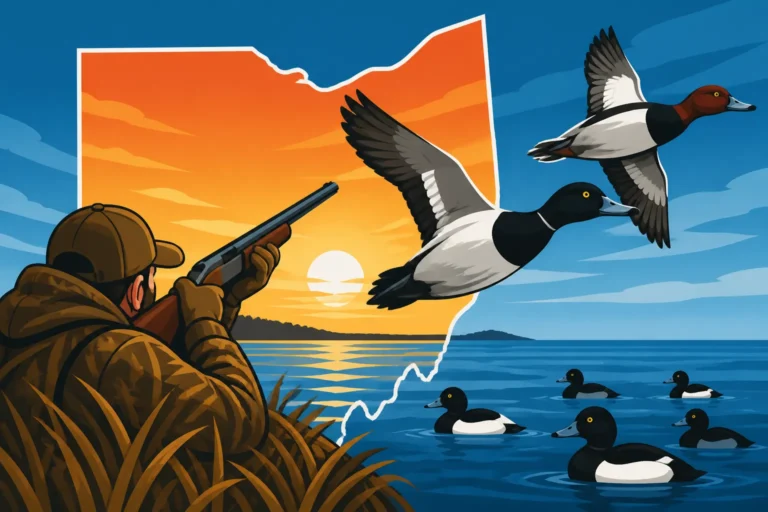
While dabblers dominate the inland marshes and fields, November is also when the diving duck migration truly peaks on Lake Erie and other large reservoirs. Canvasbacks, redheads, bluebills (scaup), ring-necked ducks, and buffleheads arrive in impressive numbers, often pushed by strong northwwesterly winds. These birds prefer large, open bodies of water where they can dive for submerged vegetation and invertebrates. Hunting divers often requires specialized gear, like sturdy marsh boats and large spreads of decoys, and a keen understanding of wave and wind patterns. This is where researching Diver Hunting on Open Lake Erie Water becomes essential, as safety and effective decoy placement are paramount.
Snow Geese and Other Migrant Geese
While not as common as Canada geese, November and December can bring exciting opportunities for snow geese. These birds travel in enormous flocks, creating spectacular aerial displays. While some may pass over quickly, significant snow goose migrations can occur, especially in major agricultural areas. Additionally, larger, darker "giant" Canada geese continue to move south throughout this period, often mixing with the earlier arrivals. Hunting snow geese typically involves extensive spreads of white decoys and specific calling techniques to draw in these wary birds. Knowing where to expect these large flocks often involves tracking regional reports, and platforms like GoHunt can sometimes offer insights into historical flyway movements.
Late Season Opportunities: December and January Persistence
Don't hang up your waders too soon! Ohio's late season, extending into January for many species, can offer some of the most challenging but ultimately rewarding waterfowl hunting experiences.
Cold Weather Ducks and Iced-Out Options
By December, the landscape has often frozen over, concentrating birds into the remaining open water. This can mean excellent hunting on rivers with current, warm-water discharges, or areas where ice breakers keep the water open. Mallards, black ducks, and some diving ducks will tough it out as long as there's open water and food. These birds are incredibly wary, having survived weeks of hunting pressure, but if you can find them, the action can be intense. This is when Cold-Weather Sitting Strategy in Ohio truly pays off, as staying warm and comfortable for hours in frigid temperatures is key to success. Hunters often find themselves working smaller, isolated pockets of open water, focusing on careful concealment and precise calling.
Wintering Geese and Field Hunting
Ohio is a major wintering ground for Canada geese, and large flocks will spend the colder months here, feeding primarily in agricultural fields. December and January field hunting for geese can be phenomenal, especially after a fresh snowfall. These birds become highly patterned, often flying from roosting areas to feeding fields at predictable times. Layout blinds become indispensable for these hunts, allowing hunters to hide effectively in barren fields. For deeper insights into this specialized hunting, checking out Layout Blind Hunting Ohio Farm Fields can provide invaluable tips on setup and concealment. Scouting becomes more critical than ever, as geese will often switch fields if they feel too much pressure.
The Role of Extreme Cold
While regular cold fronts are good, extreme, prolonged cold spells can sometimes push birds completely out of Ohio and further south. However, these severe events can also create unique opportunities just before or after the coldest snap. As ice forms rapidly, birds are forced to move, concentrating on specific open water areas. If you can be there when they arrive, it can be a hunt of a lifetime. Conversely, a mid-winter thaw can bring some birds back north temporarily, offering a brief resurgence in activity. These fluctuations mean flexibility and constant monitoring of weather patterns are crucial for late-season success.
Factors Influencing Migration Timing
Waterfowl migration isn't a static calendar event; it's a dynamic process influenced by a multitude of environmental factors. Understanding these can help you predict movements and plan your hunts more effectively.
Weather Patterns and Cold Fronts
By far, the most significant driver of waterfowl migration is weather. Strong cold fronts pushing south from Canada act like a migration trigger, prompting birds to leave their northern breeding grounds. Sustained periods of freezing temperatures, especially those that begin to lock up northern lakes and ponds, are a sure sign that a major push of birds is on its way. Conversely, mild weather can delay migration, keeping birds further north for longer. Paying attention to long-range forecasts for the entire Mississippi Flyway, not just Ohio, can give you a significant advantage. A good resource like GoHunt can provide weather overlays on mapping tools, allowing you to visualize conditions across the flyway.
Food Availability and Water Conditions
Waterfowl need both food and water to survive. Abundant food sources, whether natural vegetation in marshes or waste grain in agricultural fields, can hold birds in an area for extended periods. If a particular area has excellent mast crops, or if farmers leave fields unharvested, it can become a hotspot. Conversely, a lack of food or widespread drought conditions that dry up wetlands can force birds to move sooner. Similarly, water conditions play a huge role. If marshes freeze solid, birds are forced to seek out open water on larger rivers, lakes, or warmer industrial discharge areas. Understanding the relationship between these factors and bird presence is a key part of scouting, and you can learn more by understanding Reading a Marsh for a Morning Flight.
Hunting Pressure and Disturbance
Even if conditions are perfect, intense hunting pressure can quickly push birds out of an area. Waterfowl are incredibly smart and will avoid places where they feel threatened. High traffic on public lands, constant shooting, or poorly concealed blinds can make birds "go nocturnal" or simply move on to less disturbed areas. This is why finding unpressured pockets, or hunting during less busy times, can be so effective. Early morning is often best, but sometimes late afternoon hunts can also be productive. Always consider how your presence, and the presence of other hunters, might be influencing local bird behavior. Practicing low-impact scouting and setting up before daylight can make a huge difference.
Planning Your Hunt Based on Migration Trends
With so many variables at play, effective waterfowl hunting in Ohio relies on a blend of historical knowledge, real-time observation, and adaptability. Being prepared for different scenarios across the migration timeline is crucial.
Scouting for Localized Movements
Even within the broad migration windows, local conditions can greatly influence where birds are holding. This is where dedicated scouting pays off. Before and during the season, drive rural roads, use binoculars to scan fields for geese, and observe local ponds and marshes for duck activity. Pay attention to newly flooded areas, as these can be instant magnets for dabblers. Walk-in scouting on public lands can reveal hidden pockets of water or preferred feeding areas. Utilizing the Ohio HuntFish map tool, or advanced mapping applications like GoHunt, to identify potential habitat, property lines, and access points is an excellent starting point for any serious waterfowler. This pre-season and in-season scouting is more critical than any other single factor for consistent success.
Gear Up for All Conditions
Ohio's waterfowl season spans a wide range of weather conditions, from mild early-season mornings to bitter, freezing late-season days. Your gear needs to reflect this versatility. Early season might call for lighter waders and breathable layers, while late season demands insulated waders, heavy waterproof parkas, and plenty of warm base layers. Don't forget essentials like quality calls for different species, sturdy decoys, and a reliable shotgun. Understanding how to maintain your equipment in changing weather is also key, as cold can affect shotgun performance, and mud can bog down calls. Making sure you have the right Waders for Ohio Marsh Hunting or Waterfowl Loads for Lake Erie Divers will ensure you're prepared for whatever the migration brings.
Adaptability is Your Best Weapon
Perhaps the most important aspect of hunting Ohio's waterfowl migration is adaptability. Birds change their patterns daily, sometimes even hourly, based on weather shifts, food availability, and hunting pressure. If your spot isn't producing, be willing to move. If ducks aren't responding to your mallard call, try some gadwall or pintail whistles. If the big water is too rough, look for sheltered creek bottoms or flooded timber. The hunter who can read the conditions and adjust their strategy on the fly will consistently find more success than someone rigidly sticking to one plan. Keep observing, learning, and experimenting; that’s the true spirit of Ohio waterfowl hunting.
| Migration Period | Typical Weather | Primary Species Arriving | Key Hunting Strategy Considerations |
|---|---|---|---|
| Early Season | Mild, warm. Occasional light cold fronts. | Blue-winged Teal, Green-winged Teal, Wood Ducks, Resident Canada Geese | Focus on small water, timbered areas, resident goose fields. Quick flights. |
| Mid-Season/Peak | Cooler, increasing cold fronts, first freezes up north. | Mallards, Black Ducks, Gadwalls, Wigeon, Canvasbacks, Redheads, Scaup, Migrant Canada Geese | Field hunting, large marsh systems, Lake Erie for divers. Aggressive calling. |
| Late Season | Freezing temperatures, ice formation, possible snow. | Mallards, Black Ducks, Goldeneyes, Buffleheads, Pintails, Wintering Canada Geese | Seek open water on rivers, warm water discharges, large agriculture fields for geese. Wary birds, heavy concealment. |
Disclaimer
This article is for general informational purposes only and does not constitute professional advice. Laws, prices and regulations vary by location and change over time. Consult a qualified professional for guidance on your specific situation.