Waterfowl Loads for Lake Erie Divers
Lake Erie diver hunting isn't for the faint of heart. Those blustery open-water hunts, battling waves and frigid temperatures, demand more than just grit; they demand the right gear, especially when it comes to your shotgun shells. If you've ever watched a canvasback power through a volley of shot or retrieved a seemingly well-hit bluebill only to find it needed a second, follow-up shot, you know the frustration. This guide dives deep into choosing the absolute best waterfowl loads to consistently drop those fast-flying, hard-hitting divers right where you want them, even in the toughest Ohio conditions.
Understanding Diver Ducks and Lake Erie's Demands
Before we even talk about shot, we need to talk about the target: diver ducks. These aren't your mallards dabbling in a shallow marsh; these are tough, fast-flying birds that live in open, often deep water, and have a remarkable ability to take a hit and keep going. Combine that with the notoriously challenging environment of Lake Erie, and you've got a recipe for missed opportunities if your ammunition isn't up to snuff.
The Nature of Diver Ducks: Tough and Tenacious
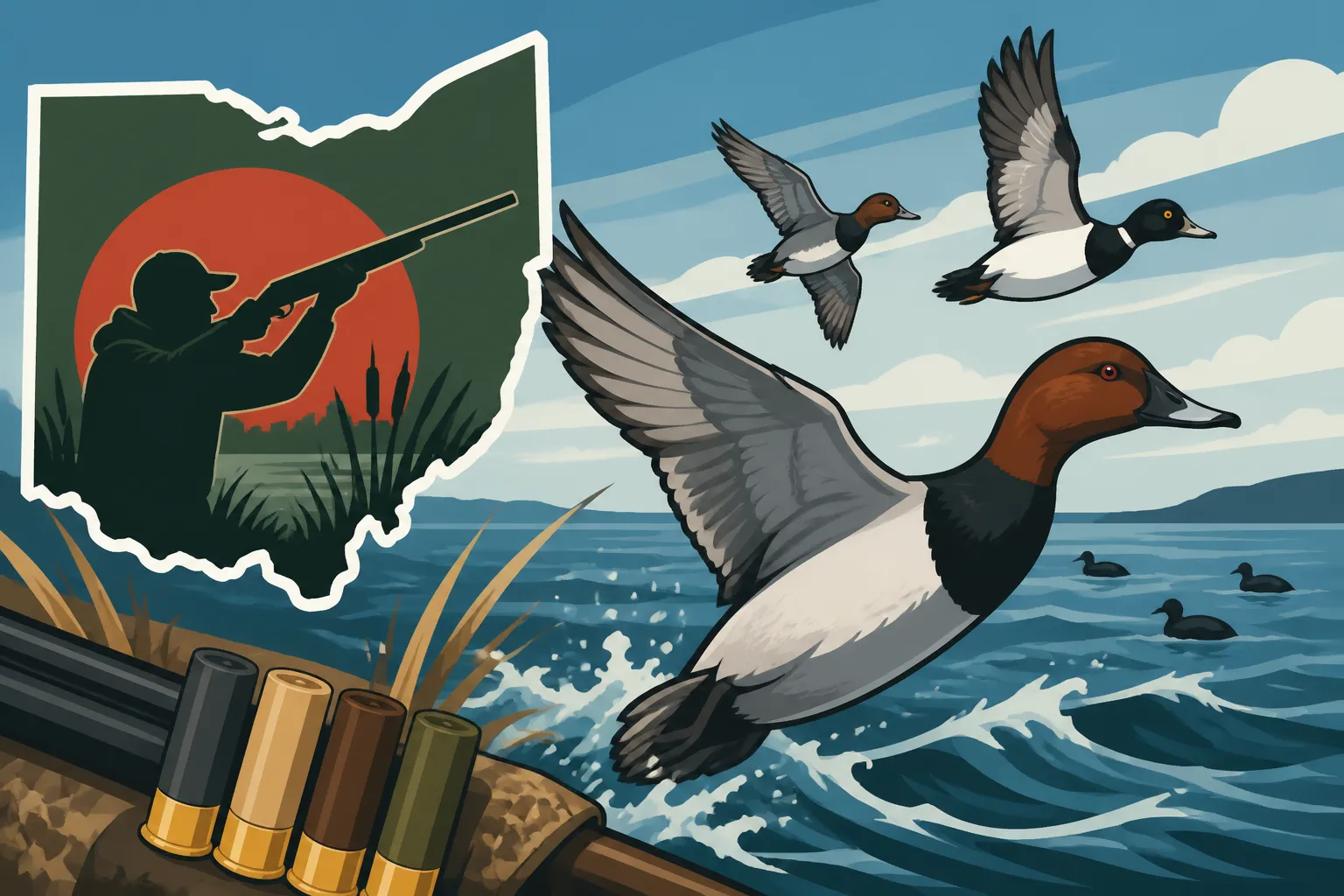
When we talk about diver ducks, we're primarily focused on species like canvasbacks, redheads, bluebills (scaup), ring-necked ducks, and goldeneyes. These birds have a denser feather structure and typically thicker bone and muscle mass than puddle ducks. Their bodies are built for power-diving and surviving in more exposed environments. They hit the decoy spread at incredible speeds, often flying low over the waves, and if they're not hit hard and clean, they can quickly disappear under the water, making retrieval a nightmare, especially if the chop is up.
Think about a big canvasback barreling into the blocks on a stiff northwest wind. It's a majestic sight, but also a formidable target. You might have only a split second for a shot, and that shot needs to deliver maximum energy. An underpowered load or an inadequate shot size might simply wound the bird, leading to lost game, which is something every responsible hunter wants to avoid. Their resilience means you need loads that can penetrate effectively and transfer enough energy to ensure a quick, ethical kill.
Lake Erie's Unique Hunting Challenges
Hunting divers on Lake Erie adds several layers of complexity beyond just the bird's toughness. First and foremost, you're dealing with vast, open water that can turn from glass to whitecaps in a matter of minutes. This means shots are often taken over longer distances as birds flair or get pushed by the wind. The cold, wet conditions inherent to late-season Lake Erie hunting also impact performance, both yours and your gear's. Your hands are numb, your vision might be blurred by spray, and every movement is more difficult.
Furthermore, retrieving a downed bird on open water, especially with waves, can be a major undertaking. A duck that sails for a hundred yards after the shot, or dives and resurfaces far away, makes your day significantly harder and less productive. This reinforces the need for loads that drop birds stone dead, reducing the chances of crippling losses and minimizing dangerous retrieves. The typical setup involves layout boats or large diver boats, often anchored far from shore, amplifying the consequences of a poorly performing load. Knowing your equipment can handle these conditions is paramount for Ohio Waterfowl Hunting on Lake Erie and Inland.
Key Considerations for Waterfowl Loads
When selecting ammunition for Lake Erie divers, several critical factors come into play. It’s not just about what's cheapest or what you have leftover from early goose season. We need to think about the physics of the shot, the legal requirements, and the practical realities of shooting over big water.
Shot Material Matters: Steel vs. Premium Alloys
Ohio, like all states, mandates the use of non-toxic shot for waterfowl hunting. For most hunters, this means steel shot. Steel is readily available and more affordable than other non-toxic options, but it comes with a trade-off: it's less dense than lead. This lack of density means steel pellets lose energy and velocity faster than lead, and they don't penetrate as well. To compensate, you often need to go up a shot size or two compared to what you might use in lead. For divers, this often means BB, BBB, or even T shot in steel.
However, the market has seen significant advancements in premium non-toxic shot alternatives. Materials like bismuth, tungsten-matrix, and especially Tungsten Super Shot (TSS) offer much higher densities, often exceeding that of lead. Bismuth is a good intermediate step, being denser than steel and softer, making it safe for older shotguns. Tungsten alloys, like TSS, are incredibly dense and hard, delivering superior energy transfer and penetration even with much smaller pellet sizes. While these premium loads come at a higher cost, their performance can be a game-changer for those challenging long shots on Diver Ducks on Lake Erie.
Shot Size and Its Impact on Divers
Choosing the right shot size is crucial. Smaller shot sizes mean more pellets in a shell, increasing your pattern density. However, individual small pellets carry less energy and lose it quicker. For divers, particularly those larger canvasbacks and redheads, you need pellets that retain enough energy to penetrate their thick plumage and substantial bodies at typical shooting distances.
For steel shot, many experienced diver hunters opt for BB, BBB, or T shot. These larger pellets retain energy better at range, giving you a better chance of a clean kill on a tough diver. You might have fewer pellets in the pattern, but each one is more effective. When you step up to premium non-toxic loads, you can often drop down in shot size. For example, #2 or even #3 bismuth can perform like larger steel shot, giving you both increased pellet count and superior energy. With TSS, hunters might even use #7 or #9 shot due to its extreme density, achieving incredible penetration and pattern density at extended ranges. Your choice often comes down to balancing cost, effective range, and the specific diver species you expect to encounter most often.
Velocity, Pattern Density, and Choke
High velocity certainly helps with lead, but for steel, it can be a double-edged sword. While faster steel starts with more energy, it also loses that energy quickly. More importantly, excessive velocity can sometimes degrade your pattern density, leading to blown patterns and fewer pellets on target. What you truly need for divers is a dense, consistent pattern that delivers enough pellets with sufficient energy to the bird at your maximum ethical shooting range.
This is where choke selection becomes paramount. For open-water diver hunting, you're almost always looking for tighter patterns. Modified, Improved Modified, or Full chokes are common choices. These chokes constrict the shot column more, keeping the pellets together for longer to deliver a concentrated pattern downrange. Patterning your shotgun with different loads and chokes is absolutely non-negotiable. You might be surprised at how much difference a specific load makes with a particular choke in your gun. A load that patterns beautifully in one gun with a Modified choke might be dismal in another. Tools like those found through resources like GoHunt can sometimes offer insights into what setups are working for other hunters in similar conditions, but personal testing is the ultimate authority.
Recommended Waterfowl Loads for Lake Erie Divers
Now that we understand the birds and the factors influencing load selection, let's talk about some specific recommendations to get you started on Lake Erie. Remember, these are starting points; your gun's preference for a particular load and choke combination is the final arbiter.
Steel Shot Strategies for Diver Success
If you're primarily using steel shot, which many hunters do due to cost and availability, you need to maximize its effectiveness. For most diver hunting on Lake Erie, 12-gauge 3-inch or 3.5-inch shells are the standard. The extra payload of a 3.5-inch shell can be beneficial, especially if you're taking longer shots. Within steel, lean towards larger shot sizes.
- BB Shot: A very popular choice for divers. It offers a good balance of pellet count and individual pellet energy. Great for bluebills, ringnecks, and close- to mid-range redheads and canvasbacks.
- BBB Shot: Stepping up slightly, BBB provides even more energy per pellet. This is an excellent choice for canvasbacks and for when you anticipate shots stretching out a bit further.
- T Shot: The largest common steel shot size, T shot carries significant energy. While pellet count is lower, the penetration is impressive. It's often favored for very long shots or when canvasbacks are the primary target.
Pair these with a Modified or Improved Modified choke. Avoid overly tight chokes with large steel shot, as it can sometimes lead to pattern deformation. High-velocity steel loads can work, but always pattern them to ensure they aren't blowing your patterns. Many hunters using steel prioritize a steady 1450-1550 fps range for optimal patterning and energy.
Premium Non-Toxic Options for Extended Range and Knockdown
For those looking for an edge, especially on windy days or when birds are working just outside that confident steel range, premium non-toxic loads are worth the investment. They can significantly increase your effective range and knockdown power, leading to fewer crippled birds and more successful retrieves.
- Bismuth: Denser than steel, bismuth offers performance closer to lead. It's also softer, making it safe for older shotguns not rated for steel. For divers, #2 or #3 bismuth can be highly effective. A #3 bismuth pellet carries similar energy to a BB steel pellet but you get significantly more pellets in the pattern. This makes it a fantastic all-around choice for Lake Erie.
- Tungsten-Matrix/Blends: Several manufacturers offer various tungsten blends (e.g., Kent Fasteel 2.0 with a bismuth/tungsten blend, or Federal Black Cloud TSS). These typically fall between bismuth and pure TSS in density and price. They provide a noticeable boost in performance over steel and can be an excellent compromise. Shot sizes like #2 or #4 in these blends are often devastating on divers.
- Tungsten Super Shot (TSS): The king of non-toxic shot. TSS is incredibly dense and hard. This means you can use much smaller shot sizes (e.g., #7 or #9) and still achieve superior energy and penetration compared to large steel shot. A #9 TSS pellet carries more energy than a #2 steel pellet at 40 yards! This allows for incredibly dense patterns and extends your ethical range significantly. While very expensive, a single box can last a long time if used judiciously for critical shots. It's truly a game-changer for those challenging Canvasbacks on Lake Erie that might hang up at 50+ yards.
Many hunters running premium loads will stick with 12-gauge 3-inch shells, finding that the improved density negates the need for the extra powder and shot of a 3.5-inch hull. For extreme range, 3.5-inch premium loads are certainly available, but often unnecessary.
Gauge and Shell Length Considerations
While you can technically hunt ducks with a 20-gauge, the 12-gauge is overwhelmingly the standard for Lake Erie diver hunting. Its ability to handle heavier payloads of larger shot sizes, whether steel or premium non-toxic, provides a significant advantage when you need to deliver maximum energy. A 3-inch 12-gauge shell is usually the go-to, offering a good balance of recoil, payload, and ballistic performance.
The 3.5-inch 12-gauge shell certainly offers the heaviest payload, packing more shot into each shell. This can be appealing, especially for larger steel shot sizes (T or even F shot), where sheer pellet count matters. However, 3.5-inch shells also come with significantly increased recoil, which can affect follow-up shots and shooter fatigue. For most premium non-toxic loads, the increased density means that a 3-inch shell with a smaller shot size can outperform a 3.5-inch steel load, making the extreme shell length less necessary unless you're truly pushing the absolute limits of ethical range.
| Shot Type | Recommended Shot Size (Steel) | Recommended Shot Size (Premium) | Typical Effective Range (yards) | Key Benefit |
|---|---|---|---|---|
| Bluebills/Ringnecks | BB, BBB | #3 Bismuth, #5 TSS | 20-45 | Balance of pattern & energy |
| Redheads | BBB, T | #2 Bismuth, #4 TSS | 25-50 | Consistent knockdown at mid-range |
| Canvasbacks | T, F | #2 Bismuth, #4 or #2 TSS | 30-60+ | Maximum energy & penetration for large, tough birds |
| Goldeneyes | BB, BBB | #3 Bismuth, #5 TSS | 20-45 | Similar to bluebills; dense feathers |
Optimizing Your Setup for Diver Hunting
Beyond the specific loads, how you integrate them into your overall setup and approach will determine your success rate on Lake Erie divers. It’s a holistic approach, where gun, choke, load, and hunter skill all come together.
Choke Tube Selection for Maximum Effectiveness
For diver hunting, your choke tube is a critical component in ensuring your chosen load performs as intended. Unlike jump-shooting a creek or Rabbit Hunting Ohio Fencerows where a more open choke might be desirable, open-water diver hunting demands a tighter pattern. Modified and Improved Modified chokes are excellent starting points for most steel loads, offering a good balance between pattern density and spread. For premium non-toxic loads, or if you consistently find yourself taking longer shots on pressured birds, a Full choke can be highly effective.
However, a word of caution: generally, do not use steel shot larger than BB through a Full choke unless your shotgun manufacturer specifically states it's safe. Modern steel-rated chokes are designed for this, but always verify. Premium shot materials like bismuth and tungsten are much safer through tighter chokes because they are softer or denser, allowing for smaller pellet sizes. The goal is to deliver a pattern with at least 3-5 pellets of sufficient energy to the vitals of a duck at your maximum ethical range, and a tighter choke helps achieve that. When considering Decoy Spreads for Lake Erie Divers, you'll want to think about the typical shot distance your spread creates.
The Absolute Necessity of Patterning Your Shotgun
I can't stress this enough: pattern your shotgun. It doesn't matter what expensive loads you buy or what online forum recommends; every shotgun is a law unto itself. Different guns, even of the same make and model, will pattern different loads and chokes differently. You need to know exactly what your gun and chosen load combination is doing at various distances.
Set up large sheets of paper or cardboard targets at 30, 40, and 50 yards. Shoot at a marked center point and analyze your pattern. Look for:
- Density: Are there enough pellets within a 30-inch circle to reliably kill a duck?
- Evenness: Are there any large holes in the pattern where a duck could fly through untouched?
- Point of Impact: Is the center of your pattern actually where you were aiming? Sometimes guns shoot high or low, or off to the side.
Test several brands and shot sizes of your chosen material (steel, bismuth, etc.) through 2-3 different chokes. This experimentation will show you which combination performs best for your gun. Investing an hour or two at the range pre-season will pay dividends in the blind, reducing frustration and ensuring ethical kills. This process is just as important for success as choosing your Layout Blinds and Marsh Boats or Waders for Ohio Marsh Hunting.
Shooting Fundamentals for Open Water Conditions
Even with the perfect load, proper shooting technique is essential, especially in the demanding environment of Lake Erie. Diver ducks are incredibly fast, and judging distance over open water can be tricky. Strong winds can also affect both the bird's flight path and your shot string.
Always lead the bird sufficiently. Divers often look like they're going slower over the vastness of the lake, but they are absolutely ripping. When shooting from a layout blind or a boat that might be rocking, maintain your balance and execute a smooth swing and follow-through. Practice acquiring fast-moving targets. If you're hunting with a buddy, communicate on incoming birds and stick to your shooting lanes. Don't be afraid to let a bird pass if it's too far; the goal is clean kills, not just emptying your magazine. Understanding the Ohio Duck Daily Bag Limit and Ohio Federal Duck Stamp Requirement is the foundation, but putting birds in the bag ethically is the art.
Remember, a successful day of diver hunting on Lake Erie is a combination of meticulous preparation, smart gear choices, and refined shooting skills. Equip yourself with the right loads, and you'll be well on your way to enjoying the thrill of these unique Ohio waterfowl hunts. Don't forget to ensure you meet the Ohio HIP Certification for Bird Hunters and understand the Zone A, B and C Under Ohio's New Waterfowl Map relevant to your hunting plans. For more specifics on where to find these birds, check out Hunting Lake Erie Marsh Zone Waterfowl or Diver Ducks on Western Lake Erie.
Disclaimer
This article is for general informational purposes only and does not constitute professional advice. Laws, prices and regulations vary by location and change over time. Consult a qualified professional for guidance on your specific situation.