Zone A, B and C Under Ohio’s New Waterfowl Map
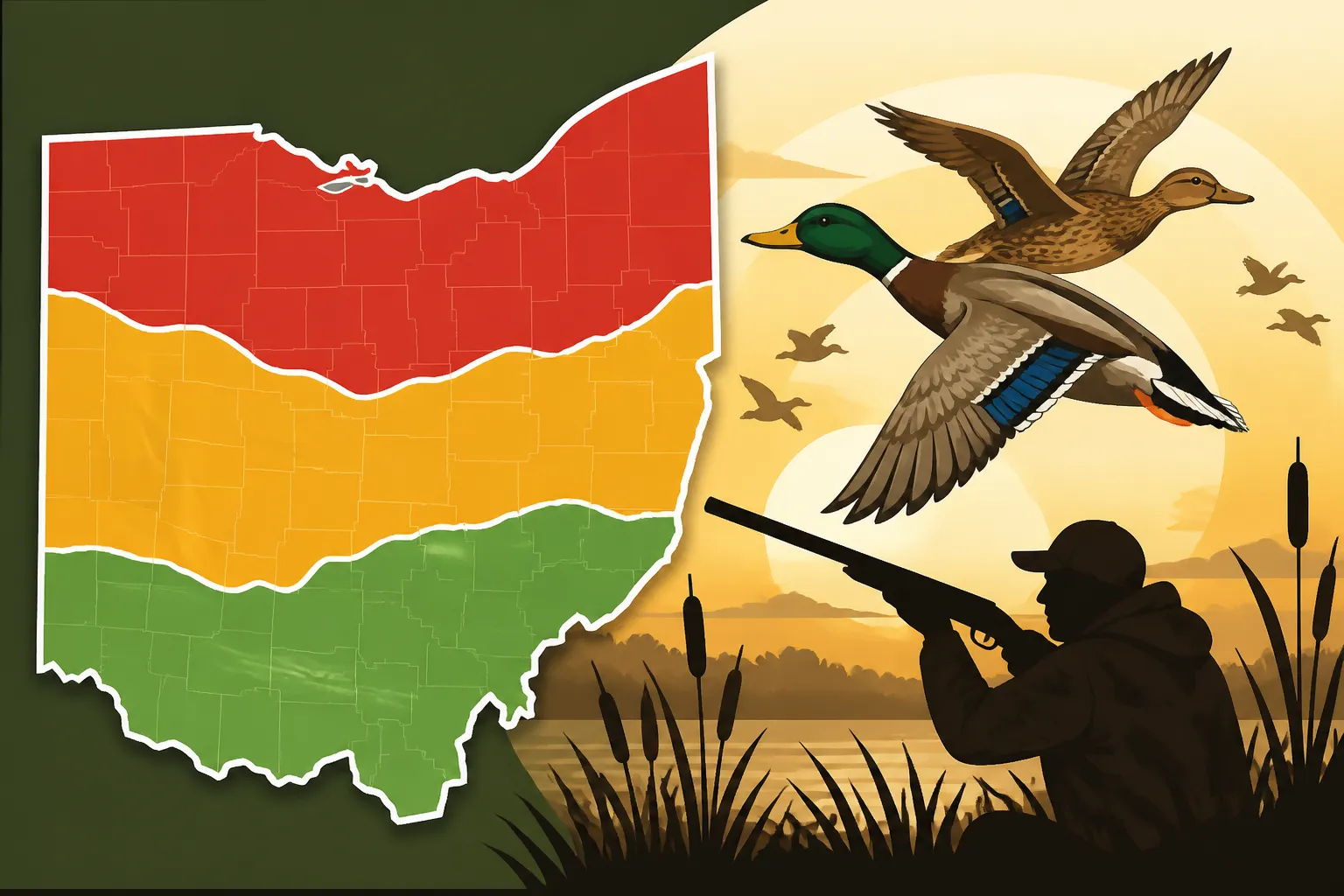
It feels like just when you get comfortable with the Ohio hunting regulations, something shifts, especially when it comes to migratory birds. Waterfowl seasons, with their complex zones, dates, and species-specific rules, can be a real headache to keep straight. This guide is here to untangle the confusion surrounding Ohio's recently updated waterfowl map, specifically breaking down Zones A, B, and C, so you can confidently plan your duck and goose hunts.
Navigating Ohio's Waterfowl Zone Overhaul
Ohio's waterfowl hunting landscape has seen its fair share of changes over the years, and the most recent adjustments to the zone map have certainly kept us all on our toes. It's easy to get frustrated when the lines on the map seem to move, especially if you've been hunting the same spots for decades. But understanding the reasoning behind these shifts is the first step in adapting your approach and making the most of your time in the blind.
The Rationale Behind the Changes
The Ohio Department of Natural Resources (ODNR) doesn't just redraw lines on a whim. These changes are typically driven by a combination of biological data, hunter input, and regional migration patterns, all in an effort to provide the best possible hunting opportunities while sustainably managing waterfowl populations. Historically, Ohio has been part of the Mississippi Flyway, a superhighway for migrating birds, but the nuances of when different species arrive and depart across the state are complex. The federal frameworks dictate certain season lengths and bag limits, and states then have some flexibility to carve out zones that reflect local conditions. For a long time, Ohio operated with fewer zones, but as migration patterns subtly shift due to climate and habitat changes, a more granular approach becomes necessary to optimize hunting pressure and harvest opportunities. These adjustments aim to better align hunting seasons with the actual presence of ducks and geese, particularly addressing the needs of hunters in different geographical and ecological regions of the state.
Key Adjustments from Previous Seasons
If you've been hunting waterfowl in Ohio for a while, you've probably noticed that the most significant change centered around how Lake Erie and its adjacent marshes are now managed. Previously, this region might have been grouped into a larger northern zone, but with the new map, Lake Erie and a good portion of the northwestern marsh country received their own distinct designation. This wasn't just a simple boundary adjustment; it was a recognition of the unique ecological role and hunting dynamics of that specific area. Other counties also saw their allegiances shift, moving from one zone to another, which impacts everything from opening day jitters to late-season strategies. These changes are all about fine-tuning, allowing for more specific season dates that ideally capitalize on peak migration waves for different waterfowl species, ensuring hunters in each zone have a fair shot at a productive season. If you're looking for more comprehensive details, understanding What Changed in Ohio's 2026-27 Waterfowl Map can provide a deeper dive into the specific boundary modifications.
Decoding Zone A: The North's Early Opener
Zone A, generally covering the northern tier of Ohio, often feels like the early bird special for waterfowl hunters. This is where the first flights of migrating ducks and geese often make their appearance as they begin their journey south. Understanding its geographical layout and typical migration patterns is crucial for planning your hunts effectively.
Geographical Boundaries and Key Water Bodies
Zone A broadly encompasses the northwestern and north-central portions of Ohio. We’re talking about counties like Lucas, Wood, Ottawa, Erie, Sandusky, and extending eastward through areas bordering Lake Erie, but excluding the main body of Lake Erie itself and its associated primary marshes, which are now largely in Zone B. Think of the inland waterways, smaller lakes, and agricultural fields in these northern counties. These areas provide critical staging grounds and feeding opportunities for early migrants. Ponds, creeks, and flooded timber scattered throughout this region hold birds before they push further south or settle into larger wetlands. It’s a diverse landscape, from expansive agricultural areas with scattered woodlots to smaller river systems like the Maumee River and its tributaries. For a hunter using a tool like the GoHunt app, tracing these precise boundaries on a map is essential to avoid any accidental infractions.
Species and Hunt Timing in Zone A
Because Zone A often has the earliest opening dates, it typically sees a strong influx of early-migrating species. Teal, both blue-winged and green-winged, are often the stars of the early season. Wood ducks are also prevalent, especially in the timbered creek bottoms and smaller swamps before they, too, continue their migration. As the season progresses into cooler weather, you'll start to see more mallards and gadwall filtering in. Geese, particularly resident Canada geese, are a constant presence from the earliest days, often feeding in cut grain fields. The early timing means hunters here need to be prepared for warmer weather hunts, often battling mosquitoes and dealing with swift meat care if success comes early. Tactics often involve setting up on smaller potholes, creek bends, or even in stubble fields with a good spread of decoys. Understanding the Ohio Waterfowl Migration Timing is critical for predicting when different species might arrive in this zone.
Adapting Your Early Season Strategies
Hunting Zone A successfully in the early season demands a different approach than late-season, frozen-water hunting. Given the typically warmer temperatures, ducks are often very active at dawn and dusk, but might loaf in shaded, secluded areas during the midday heat. Scouting becomes paramount – not just for finding birds, but for identifying their preferred feeding and resting areas. You'll want to focus on smaller water sources, ephemeral puddles in fields, and timbered backwaters that might be overlooked by others. Decoy spreads can be smaller and more dynamic, mimicking resting or feeding birds. Consider using fewer decoys for teal, or a mix that includes several wood duck and mallard decoys as the season progresses. Camouflage that blends with lush green vegetation, rather than stark browns and grays, will be more effective. Moreover, having a good game plan for quickly cooling and processing your birds is crucial to prevent spoilage in warmer conditions. Think lightweight gear, good bug spray, and an ice-filled cooler ready to go.
Understanding Zone B: Where Lake Erie Now Sits
The creation of Zone B is perhaps the most significant update for many Ohio waterfowlers, as it specifically delineates the vast and unique hunting opportunities found along Lake Erie and its associated critical wetland habitats. This area is a true gem for migratory birds, and its dedicated zone reflects that importance.
The Significant Shift of Lake Erie and Its Implications
For years, the status of Lake Erie's hunting regulations sometimes felt like an afterthought, or it was simply lumped into a broader category. Now, with Lake Erie firmly anchored within Zone B, it acknowledges the unique migratory corridor and wintering grounds this immense freshwater sea provides. This shift means that the opening and closing dates for waterfowl hunting here are specifically tailored to the influx and presence of birds utilizing the lake and its adjacent marshes. This is monumental for hunters targeting divers and sea ducks, but also for those chasing puddle ducks that stage in the vast wetland complexes along its shoreline. The implications are clear: hunters in this region now have season dates that should, in theory, better coincide with the arrival of major diver flights and the sustained presence of birds throughout the fall and early winter. This zone's establishment highlights the need for specialized tactics and gear, different from inland puddle duck hunting. For those who prioritize big water hunting, this focused approach is a welcome change. To learn more about specific techniques, check out Diver Hunting on Open Lake Erie Water.
Major Waterways and Public Access Points
Zone B isn't just Lake Erie itself; it includes the vast network of marshes, embayments, and river deltas that feed into it. We're talking about iconic locations like Magee Marsh Wildlife Area, Ottawa National Wildlife Refuge, and the expansive private hunting clubs that dot the shoreline. These areas are globally recognized as critical stopovers for millions of waterfowl each year. The major waterways within this zone include the Maumee Bay, Sandusky Bay, and the various rivers that empty into the lake, creating rich estuaries. Public access points can be found at numerous state wildlife areas, like the Mosquito Creek Wildlife Area or the Metzger Marsh Wildlife Area, offering blinds, boat ramps, and walk-in opportunities. However, competition for these prime spots can be fierce, particularly on opening weekends. Scouting these areas, often from a boat or using mapping tools, is crucial. Tools like GoHunt can be invaluable for identifying public access points, navigating property lines in complex marsh environments, and even studying historical bird movements via satellite imagery to find productive areas.
Target Species and Mid-Season Opportunities
Zone B is a paradise for a wide array of waterfowl. Early in the season, you'll find plenty of mallards, wood ducks, and pintails using the shallow marshes. But as the season progresses and colder weather sets in, Lake Erie truly comes alive with diver ducks. Canvasbacks, redheads, bluebills (scaup), ringnecks, and goldeneyes become primary targets. Oldsquaws (long-tailed ducks) and buffleheads also frequent these waters. Canada geese are abundant throughout the season, often moving between the lake and surrounding agricultural fields. The season timing in Zone B is designed to capture the peak of these major migratory pushes, offering excellent mid-to-late season opportunities, especially for hunters willing to brave the open water and colder temperatures. This often means facing challenging weather conditions, from high winds to freezing spray, but the rewards can be spectacular. Understanding the distinct behavior of Diver Ducks on Lake Erie is key to success in this unique hunting environment.
| Waterfowl Zone | General Location | Primary Habitat Types | Key Species (Typical) | Season Focus |
|---|---|---|---|---|
| Zone A | NW/NC Ohio (Inland) | Agricultural fields, small ponds, rivers | Teal, Wood Ducks, Resident Geese | Early Season, Puddle Ducks |
| Zone B | Lake Erie & Coastal Marshes | Great Lake, large marshes, bays | Divers (Canvasback, Scaup), Mallards, Geese | Mid/Late Season, Divers & Puddle |
| Zone C | Southern Ohio (Inland/River) | Ohio River, inland reservoirs, swamps | Mallards, Wood Ducks, Geese, Black Ducks | Late Season, Puddle Ducks |
Exploring Zone C: The Southern Waterfowl Haven
Zone C represents the southernmost regions of Ohio, extending down to the Ohio River itself. This zone often experiences milder weather for longer, and its unique river systems and inland impoundments create excellent late-season hunting opportunities after the northern waters have started to freeze.
Defining the Southernmost Boundaries
Zone C covers the vast majority of central and southern Ohio. This includes counties along the Ohio River, such as Adams, Scioto, Meigs, and Clermont, and extends northward to incorporate much of the state's interior, including major reservoirs and river valleys. Unlike the flat, open farmland and vast marshes of the north, Zone C is characterized by rolling hills, extensive timber, and the sprawling network of the Ohio River and its major tributaries like the Muskingum, Scioto, and Little Miami rivers. Large inland reservoirs such as Caesar Creek Lake, Rocky Fork Lake, and Dillon Lake also fall within this zone, providing significant staging areas for waterfowl. These geographical features dictate different hunting strategies and species availability compared to the northern zones. You can find excellent hunting grounds in places like Hunting the Ohio River Backwaters or other inland impoundments.
River Systems and Inland Hunting Grounds
The heart of Zone C waterfowl hunting lies in its river systems and large inland lakes. The Ohio River, in particular, acts as a major migration corridor and wintering ground for ducks and geese. Backwaters, sloughs, and flooded timber along the river offer prime habitat. Further inland, numerous state wildlife areas, often centered around reservoirs or floodplains, provide crucial resting and feeding areas. Places like Big Island Wildlife Area or the Grand River Wildlife Area offer diverse habitat from shallow impoundments to timber. These areas attract a variety of dabblers and divers, depending on water levels and food availability. Many hunters focus on permanent water features, setting up on points, islands, or in well-camouflaged blinds along shorelines. With fewer expansive marsh systems compared to the north, hunters here often become experts at reading river currents, understanding the ebb and flow of smaller water bodies, and utilizing natural cover.
Late Season Tactics and Key Ducks
Zone C often offers the latest waterfowl seasons in Ohio, which means hunters need to be prepared for truly cold weather, potential snow, and frozen conditions. This is when large concentrations of mallards, black ducks, and gadwall can be found, often seeking out open water on rivers or springs that resist freezing. Geese, too, will concentrate in large numbers, loafing on major water bodies and feeding in nearby corn and soybean fields. Late-season hunting in Zone C demands durable, warm clothing, insulated waders, and an understanding of how birds react to extreme cold. Decoy spreads often need to be larger and more visible against snowy backdrops, with motion decoys becoming increasingly effective to draw attention from distant birds. Field hunting for geese becomes a strong option, requiring layout blinds and considerable decoy power. Patience is key, as birds can be wary, having encountered hunting pressure further north. The reward, however, can be spectacular hunts for large numbers of well-fed ducks and geese. If you're planning to hunt into January, understanding Muzzleloader Tactics in January Cold for deer might not directly apply to waterfowl, but the principle of cold-weather preparedness certainly does!
Practical Implications for Ohio Waterfowlers
Understanding the new zone map is just the beginning. The real challenge, and the real fun, comes in applying this knowledge to your hunting plans. This isn't just about reading a map; it's about thinking strategically about your entire waterfowl season.
Planning Your Hunts Across Multiple Zones
For many dedicated Ohio waterfowlers, the new zone structure opens up possibilities for extending their season or targeting specific species. If you live on the border of two zones, you might have the opportunity to hunt an early teal season in Zone A, then shift to Zone B for the diver opener on Lake Erie, and finally pursue late-season mallards in Zone C. This requires careful planning, checking regulations for each specific county, and being mindful of state-wide bag limits and daily possession rules. It also means potentially investing in different gear optimized for varying conditions, from lightweight early-season camo to heavy-duty waders for late-season marsh hunts. Managing these multi-zone hunts can be a logistical challenge, but for the passionate hunter, it means more days in the field and a chance to experience the full spectrum of Ohio's waterfowl hunting. Remember to verify the Ohio Duck and Goose Bag Limits as they can vary by species and sometimes by zone.
Essential Gear and Scouting Adjustments
Each zone, with its unique timing and habitat, demands specific gear and scouting tactics. In Zone A's early season, lighter clothing, effective mosquito repellent, and smaller, agile boats for navigating shallow waters are key. Scouting involves glassing small ponds and agricultural fields for early arrivals. As you move into Zone B for Lake Erie hunting, heavy-duty layout blinds, specialized diver decoys, stout boats, and cold-weather gear like the best Waders for Ohio Marsh Hunting become non-negotiable. Scouting shifts to observing large bodies of water for rafts of divers. For Zone C's late-season river and reservoir hunts, warmth is paramount, so durable insulated waders, thick base layers, and perhaps even portable heaters for blinds are wise investments. Scouting here involves identifying open water, often spring-fed, and tracking large concentrations of birds as they follow the open water south. Regardless of the zone, a good pair of binoculars, a reliable rangefinder, and a detailed map (whether paper or digital like the GoHunt app) are universally essential.
Utilizing Digital Tools for Zone Clarity
In today's hunting world, digital tools are no longer a luxury but a necessity, especially when navigating complex regulations like waterfowl zones. The official Ohio Department of Natural Resources (ODNR) website and their HuntFish app are indispensable resources, providing the most up-to-date maps and regulation summaries. Beyond that, subscription services like GoHunt offer detailed mapping overlays that show public land boundaries, property lines, and often topographical features invaluable for scouting. You can mark potential blind locations, entry and exit routes, and even track observed bird movements. These apps are particularly useful for hunters who move between zones or explore new areas. They can help you confirm which side of a county line you're on, ensure you're within legal hunting areas, and even aid in communication with hunting partners. Before heading out, always double-check the current year's regulations on the official ODNR site, but these digital mapping tools can provide a fantastic visual aid for understanding your chosen zone. Don't forget your Ohio HIP Certification for Bird Hunters is also a digital requirement!
Disclaimer
Please remember that hunting regulations, zone boundaries, and season dates can change annually. While this guide aims to be as accurate and up-to-date as possible, it is always the hunter's responsibility to consult the most current Ohio Department of Natural Resources (ODNR) hunting regulations before heading afield. This content is for informational purposes only and does not constitute legal advice.