Ohio Pheasant Season and Stocking
It can be incredibly frustrating to hear old-timers wax poetic about Ohio's pheasant hunting glory days while you struggle to even catch a glimpse of a wild bird today. We all dream of those explosive flushes, but the reality is, wild pheasant populations have faced some tough times in the Buckeye State. This guide is here to cut through the nostalgia and give you a realistic, comprehensive look at Ohio's pheasant season, from understanding the subtle differences between wild and stocked birds to finding the best places to hunt them.
Ohio's Pheasant Legacy and Decline
For generations, the ring-necked pheasant was synonymous with upland hunting in Ohio. Tales of vibrant fields, overflowing with cackling roosters, are woven into the fabric of our hunting heritage. But like many good things, those days have largely faded, leaving hunters to adapt to a new reality.
A Look Back at Ohio's Wild Pheasant Boom
The initial introduction of pheasants to Ohio in the late 1800s and early 1900s was nothing short of a conservation miracle. These hardy birds, native to Asia, found a perfect home in Ohio's agricultural landscape. The small, diverse farms of yesteryear, with their patchwork of grain fields, hayfields, fencerows, and brushy cover, provided everything a pheasant needed to thrive. They had abundant food, safe nesting cover in the tall grasses of hayfields, and crucial escape cover in dense thickets and brushy ditch lines. Hunting wasn't just a pastime; it was an annual tradition where bags of wild pheasants were common, often shared with neighbors and family. This era shaped what many of us still envision when we think about pheasant hunting: the anticipation of a rooster bursting from cover, its iridescent colors flashing in the autumn sun. It was a true golden age for upland bird hunters across the state.
The Vanishing Wild Pheasant Population
Sadly, that golden age began to dim, and the wild pheasant population in Ohio has been in a steep decline for decades. The primary culprit? Habitat loss, pure and simple. Modern agriculture, while incredibly efficient, has transformed Ohio's landscape into vast monocultures of corn and soybeans. The small, diverse fields are gone, replaced by massive tracts of a single crop. Crucially, the fencerows are often cleared, the ditch lines are tiled and manicured, and the hayfields that once provided vital nesting cover have largely disappeared. Think about it: a hen pheasant needs safe, undisturbed cover for weeks to lay and hatch her clutch. If every field is mowed or tilled before chicks can fledge, that generation is lost. Pesticide use also impacts insect populations, which are a critical food source for young pheasant chicks. Add to this the pressure from predators like coyotes and raccoons, which thrive in fragmented habitats, and it creates a perfect storm against wild pheasant survival. It’s a harsh reality to face when you’re out walking what looks like good cover, only to find it empty.
Understanding Ohio's Pheasant Season Structure
Despite the challenges for wild birds, Ohio still offers a pheasant season, largely sustained by dedicated stocking efforts. Knowing the dates and specific regulations is crucial for making the most of your time afield.
General Statewide Pheasant Season Dates
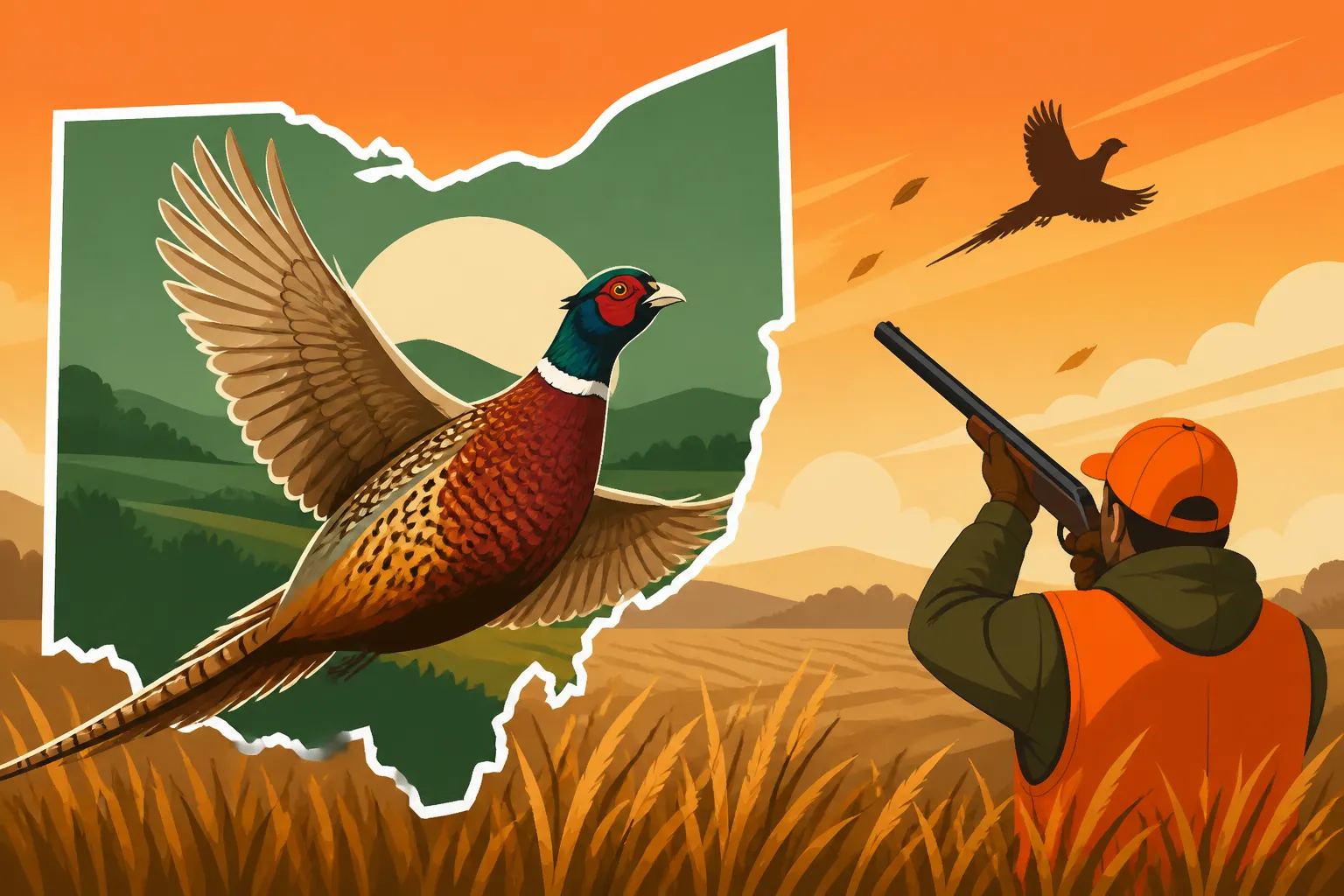
Ohio’s pheasant season typically opens in early November and runs through early to mid-January. While the exact dates can shift slightly each year, it generally coincides with the later portions of Ohio's small game seasons. It’s a statewide season, meaning the dates are uniform across all counties open to pheasant hunting, whether you're stalking a fencerow in Northwest Ohio or hoping for a remnant bird in the Appalachian foothills. Legal shooting hours usually run from sunrise to sunset, giving you ample time to work cover. The daily bag limit is typically two roosters (male pheasants) per hunter, with a possession limit of four. Importantly, only roosters are legal to harvest. Identifying a rooster by its distinctive plumage, especially the white neck ring, is key before you take a shot. Remember to always double-check the current year's Ohio hunting regulations, published by the Ohio Department of Natural Resources (ODNR), before heading out, as these specifics can be tweaked annually.
Youth and Controlled Hunt Opportunities
The ODNR is committed to fostering new generations of hunters, and youth pheasant hunts are a fantastic example of this dedication. These special youth-only weekends usually occur prior to the general season opener, often in late October, giving young hunters a unique opportunity to experience pheasant hunting with less pressure. These hunts are often held on public wildlife areas that are specifically stocked with pheasants for the event. It’s a controlled, safe environment designed to maximize success and build positive hunting memories. Parents or mentors (who must be licensed but cannot hunt pheasants during the youth hunt) guide the young hunters. Beyond these youth opportunities, the ODNR also occasionally offers controlled pheasant hunts, often through a lottery system, on specific wildlife areas. These hunts aim to manage pressure and provide a quality experience, sometimes even including access to areas not typically open to general hunting. Keep an eye on the ODNR's website or their "Wild Ohio" portal for application periods and details on these special opportunities, which are usually announced months in advance. These events are invaluable for introducing newcomers to the thrill of upland hunting.
The Role of Stocking Programs in Ohio
Given the significant decline in wild pheasant numbers, the Ohio Department of Natural Resources (ODNR) has stepped in to preserve a semblance of pheasant hunting tradition through robust stocking programs. These efforts are crucial for providing opportunities that simply wouldn't exist otherwise.
ODNR's Pheasant Stocking Initiative
The ODNR's pheasant stocking initiative is a cornerstone of upland hunting in Ohio today. The primary goal is straightforward: to provide readily available pheasant hunting opportunities on public lands, especially for hunters who don't have access to private property with wild birds. Each year, thousands of pen-raised pheasants are released on selected public wildlife areas across the state. These birds are typically raised in game farms, often supplied by commercial breeders, ensuring a steady supply for the hunting season. The stocking usually begins just before the youth season and continues through the general season, with releases often occurring several times a week in certain popular areas. These birds, while not possessing the same wild instincts as their native counterparts, offer a challenging and exciting hunt. For many, it's the only way to get a consistent pheasant hunting experience in Ohio, keeping the tradition alive and providing a reason to get out with their bird dogs. You can find the full list of stocked areas and the stocking schedule on the ODNR's website, which is invaluable for planning your hunts.
Navigating Stocked Hunting Areas
Hunting stocked areas requires a slightly different approach than chasing elusive wild birds. When you're heading to a stocked wildlife area, timing can be everything. Birds are often released on specific days, so hunting shortly after a release can significantly increase your chances. That said, these areas can see a lot of pressure, especially on weekends and opening days, so be prepared to share the field with other hunters.
The behavior of pen-raised pheasants also differs from their wild cousins. They tend to hold tighter, often allowing hunters and dogs to get quite close before flushing. However, they can also be less predictable, sometimes running long distances or flushing wildly. A good bird dog is still your best asset here, not just for finding birds, but for retrieving them, as stocked pheasants can be runners even after being shot. Expect to walk diverse cover types – from standing corn to switchgrass fields, fencerows, and brushy edges – as the ODNR manages these areas specifically for upland game. Some hunters use platforms like GoHunt to scout public land boundaries and identify potential cover blocks before they even set foot in the field, helping them strategize their approach to high-traffic stocking locations. For more details on finding specific public hunting grounds, check out our guide on Ohio Wildlife Areas.
Hunting Strategies for Wild and Stocked Pheasants
While the ultimate goal is always to put a rooster in the bag, the tactics for hunting wild pheasants versus stocked pheasants differ significantly. Understanding these nuances can greatly improve your success and enjoyment.
Tactics for Elusive Wild Pheasants
Chasing wild pheasants in Ohio is truly a labor of love, a test of patience, and a deep understanding of habitat. These birds are survivors, wary and incredibly elusive. You won't find them by simply walking through a field; you'll need to focus on pockets of remaining, high-quality habitat. This means targeting thick, undisturbed cover: dense fencerows, overgrown ditch lines with heavy weeds, cattail marshes, and un-mowed grass strips, especially those enrolled in conservation programs like CRP (Conservation Reserve Program). In Northwest Ohio, for example, focusing on a Pheasant Hunting a Northwest Ohio Ditch Line can be incredibly productive.
Scouting is paramount. Look for areas with a mix of food (like waste grain in cornfields) and heavy cover nearby. Walk slowly, deliberately, and often in a zigzag pattern to flush birds that might be holding tight. A reliable bird dog, particularly a pointing breed, is invaluable for locating these scent-savvy birds and holding them for a shot. Without a dog, it's often a game of blind luck. Pay close attention to wind direction, as pheasants prefer to run into the wind, making it easier for a dog to track their scent. Wild roosters will often run far ahead of hunters, trying to sneak away unseen, so anticipating their escape routes and blocking them off with a silent companion can be effective. It’s a low-percentage hunt, but the reward of a wild rooster is incredibly satisfying.
Approaching Stocked Pheasants Successfully
Hunting stocked pheasants, while perhaps not requiring the same level of habitat detective work, demands its own set of tactics, especially on heavily pressured public lands. These birds, being pen-raised, don't have the same ingrained survival instincts as their wild counterparts. They might flush quickly and wildly, or they might hold incredibly tight, almost letting you step on them.
A key strategy is to hunt immediately after a stocking event. The birds will be freshest, and while they can quickly disperse or be harvested, this window offers the best odds. On public lands, hunting pressure is often high, especially on opening weekends. Consider hunting on weekdays if possible, or focusing on less accessible parts of a wildlife area. Formulating a plan that involves working a field edge and then pushing into the center can be effective. Working with a group can also be highly beneficial. By having blockers at the end of a field while beaters walk through, you can funnel birds toward waiting guns, similar to effective Deer Drives With Three or Four Hunters. Always be ready for a quick shot, as these birds can explode from cover with little warning. A good flushing dog, like a Labrador or a springer spaniel, can be incredibly effective at pushing these birds into the air, and their powerful noses are essential for retrieving downed birds in thick cover.
Key Differences: Wild vs. Stocked Pheasants
| Feature | Wild Pheasants | Stocked Pheasants |
|---|---|---|
| Habitat Preference | Dense, diverse cover (fencerows, marshes, CRP) | Released into managed fields, often less dense cover |
| Behavior | Wary, prone to running, strong fliers, elusive | Can hold tight or flush wildly, less wary |
| Flight Speed | Extremely fast, strong, agile | Can be slower, less sustained flight |
| Flavor Profile | Often described as richer, gamier | Milder, sometimes less intense flavor |
| Hunting Pressure | Found in unpressured pockets, very low density | High pressure on release days/weekends |
| Dog Need | Highly recommended (pointing breeds preferred) | Recommended (flushing breeds effective for retrieval) |
| Success Rate | Low-percentage, high reward | Higher chance of success, especially post-stocking |
Finding Pheasant Hunting Opportunities in Ohio
One of the biggest hurdles for pheasant hunters in Ohio isn't just knowing the season dates, but actually finding accessible land to hunt. While wild birds are sparse, dedicated efforts by the ODNR ensure that opportunities for hunting stocked birds remain available.
Public Hunting Lands with Stocking
The Ohio Department of Natural Resources (ODNR) manages numerous wildlife areas where pheasants are regularly stocked during the season. These sites are strategically chosen to offer a variety of cover types suitable for upland birds and to provide opportunities across different regions of the state. Some of the most well-known and consistently stocked wildlife areas include Killdeer Plains Wildlife Area in Wyandot and Marion counties, Big Island Wildlife Area in Marion County, and Resthaven Wildlife Area in Erie County. Other areas like Delaware Wildlife Area, Grand River Wildlife Area, and Mosquito Creek Wildlife Area also see regular pheasant releases.
When planning your trip, it's vital to consult the ODNR's official pheasant stocking schedule, usually released in the fall. This schedule will detail which specific wildlife areas are being stocked and on what days, giving you the best chance to be there when the birds are fresh. Many hunters rely on resources like the Ohio HuntFish Map Tool to visualize these areas, understand boundary lines, and identify access points. While these areas can get crowded, especially on the weekends following a stocking, they are your most reliable bet for finding pheasants to hunt in Ohio. Remember to check local regulations for each specific wildlife area, as some might have unique rules regarding hunting hours or access points.
Private Land Access and GoHunt Considerations
Accessing private land for pheasant hunting in Ohio can be a game-changer, as these areas often see less pressure and might even hold remnant wild bird populations. However, securing permission is notoriously difficult, especially for prime farmland. Many landowners have either leased their hunting rights or are simply wary of granting access due to liability concerns or past negative experiences.
One of the most traditional, yet challenging, ways to gain access is by genuinely Knocking on Doors in Ohio Farm Country. This requires respect, politeness, and persistence. Offer to help with chores, share some of your harvest, or provide references. Sometimes, building a relationship over time is the only way. For those looking for more structured private land opportunities, hunting leases are an option, though they can be costly and competitive. While specific platforms might not focus solely on Ohio pheasants, general hunting lease aggregators can sometimes list properties. If you're a serious hunter looking to maximize your private land access, tools and platforms that provide detailed property information and landowner contact details, such as those sometimes found through services like GoHunt, can be incredibly useful. These resources can help you identify land parcels that might have good habitat and give you a starting point for respectfully requesting permission. Always respect "No Hunting" signs and understand Ohio Trespass and Permission Law thoroughly.
Conservation Efforts and Future Outlook for Pheasants
The future of pheasants in Ohio, particularly wild birds, hinges significantly on ongoing conservation efforts. While stocking programs provide immediate hunting opportunities, long-term sustainability requires a broader approach focusing on habitat.
Habitat Restoration and Farm Bill Programs
The most impactful way to support wild pheasant populations is through habitat restoration. The ODNR, along with federal agencies and conservation groups like Pheasants Forever and the National Wild Turkey Federation, works tirelessly to create and maintain suitable pheasant habitat. A significant portion of this work is tied to federal Farm Bill programs. Programs like the Conservation Reserve Program (CRP) pay farmers to take environmentally sensitive land out of production and plant it with beneficial grasses, legumes, and pollinator-friendly cover. These areas, particularly large blocks of switchgrass or native prairie, provide essential nesting cover, brood-rearing habitat, and winter thermal cover for pheasants and other small game.
Local chapters of organizations like Pheasants Forever often collaborate with landowners to implement habitat projects, offering technical assistance and even financial incentives. While these efforts are vital, they face an uphill battle against economic pressures that favor intensive agriculture. The challenge is to convince enough landowners to dedicate sufficient acreage to these conservation practices to create viable, interconnected corridors of habitat rather than isolated pockets. Supporting these organizations and advocating for robust conservation funding are crucial steps for anyone hoping to see an increase in Ohio's wild pheasant numbers.
The Future of Pheasant Hunting in Ohio
Looking ahead, the reality for pheasant hunting in Ohio is a mixed bag. The prognosis for a widespread return of self-sustaining, wild pheasant populations across the entire state remains challenging due to the persistent loss of diverse agricultural habitat. Intensive farming practices are likely here to stay, making it difficult for wild birds to find the cover they need to thrive and reproduce.
However, it's not all doom and gloom. The ODNR's dedicated pheasant stocking program ensures that opportunities will continue to exist on public lands. These efforts provide a crucial avenue for hunters, especially those without private land access, to pursue pheasants and introduce new hunters to the sport. As we continue to refine habitat management on public wildlife areas and promote conservation programs on private land, there's always hope for localized increases in wild bird numbers. The key for hunters will be to remain flexible, utilize the resources provided by the ODNR, leverage technology like GoHunt for scouting, and continue to support habitat restoration initiatives. While we may never return to the "good old days," the future holds promise for continued, albeit managed, pheasant hunting in Ohio, keeping the tradition alive for generations to come.
Disclaimer
Hunting is an inherently dangerous activity. Always prioritize safety, adhere to all Ohio hunting regulations, and be aware of your surroundings and fellow hunters. The information provided in this guide is for informational purposes only and should not replace official regulations published by the Ohio Department of Natural Resources (ODNR). Always consult the current year's ODNR hunting digests and local wildlife area rules before engaging in any hunting activities.