Ohio Antlerless-Only Permit Rules
Trying to make sense of Ohio's deer hunting regulations can sometimes feel like deciphering an ancient scroll, especially when you're just looking to put some venison in the freezer or do your part for herd management. The concept of antlerless-only permits, while straightforward in theory, often comes with a layer of confusion that can leave even seasoned hunters scratching their heads. This guide is here to untangle those complexities, walking you through everything you need to know about Ohio's antlerless-only permits, how they work, and how to use them effectively during your hunting season.
Understanding the Purpose of Ohio's Antlerless-Only Permits
Ohio’s deer herd is a remarkable success story, but with that success comes the crucial need for diligent management. The antlerless-only permit is a cornerstone of this strategy, designed not just to give hunters more opportunities but to maintain a healthy and balanced deer population across the state. Without these permits, our deer numbers could quickly spiral out of control, leading to a host of problems for both the deer and the ecosystem.
Why Antlerless Harvest Matters for Herd Health
When we talk about herd health, we're really talking about a delicate balance. Too many deer, especially does, can put immense pressure on available food sources. Think about a farmer's field that gets constantly hammered by deer — that's a direct result of overpopulation. When deer exceed the carrying capacity of their habitat, they deplete browse, leading to malnutrition, smaller body sizes, and reduced antler growth in bucks. Moreover, overcrowded conditions can make deer more susceptible to diseases like EHD (Epizootic Hemorrhagic Disease) and CWD (Chronic Wasting Disease), which can devastate local populations. Harvesting antlerless deer directly addresses the reproductive potential of the herd. Each doe removed means fewer fawns born the following spring, which helps stabilize numbers and keeps the population within the habitat's limits. It's a proactive measure that benefits the entire ecosystem, ensuring robust and healthy deer for future generations. It’s also important to understand that the herd isn’t homogenous across the state; areas like those in Appalachian Ohio Versus Farm-Belt Deer have different population dynamics and therefore different management needs.
The Role of Permits in Deer Management
The Ohio Department of Natural Resources (ODNR) uses a combination of data, including annual harvest reports, deer-vehicle collision statistics, and landowner complaints, to assess deer populations in each county. Based on these assessments, they set bag limits and determine the availability of antlerless-only permits. These permits act as a flexible tool. In areas where deer populations are high and need to be reduced, the ODNR might offer unlimited antlerless permits, encouraging hunters to take multiple does. Conversely, in counties where the herd is closer to its management objective, the number of antlerless permits might be restricted or even unavailable. This granular approach allows wildlife managers to tailor their efforts to specific local conditions, rather than applying a one-size-fits-all solution across the entire state. It also offers a valuable incentive for hunters; an additional permit means another chance to fill the freezer, while simultaneously contributing to the overall health of the herd. These permits are distinct from your general deer permit, which typically allows you to take one antlered deer and often one antlerless deer, depending on the season and county. For a deeper dive into the overall framework, you can check out the guide on Ohio Deer Management Permits.
Key Rules and Regulations for Antlerless-Only Permits
Navigating the specifics of Ohio’s hunting regulations can be a bit tricky, but understanding the core rules for antlerless-only permits is essential for a successful and legal hunt. These permits are not just extra tags; they come with specific conditions about what you can harvest, where you can hunt, and when.
What an Antlerless Permit Allows You to Harvest
An antlerless-only permit, as the name clearly implies, is strictly for harvesting a deer without antlers. This means any deer that is a female (doe) or a male fawn that has not yet grown visible antlers. It's crucial to correctly identify your target before you shoot, especially when hunting during seasons where both antlered and antlerless deer may be present, or in areas where button bucks might be mistaken for does at a glance. The ODNR defines an antlerless deer as any deer having no antlers, or having antlers less than three inches in length. This definition helps prevent accidental harvesting of young bucks that haven't developed significant antler growth yet, allowing them to mature. These permits are typically purchased in addition to your regular deer permits, allowing you to increase your antlerless harvest potential. Knowing the difference between the various permits is key, so make sure you understand What an Ohio Deer Permit Actually Covers.
Permit Limits and Availability by County
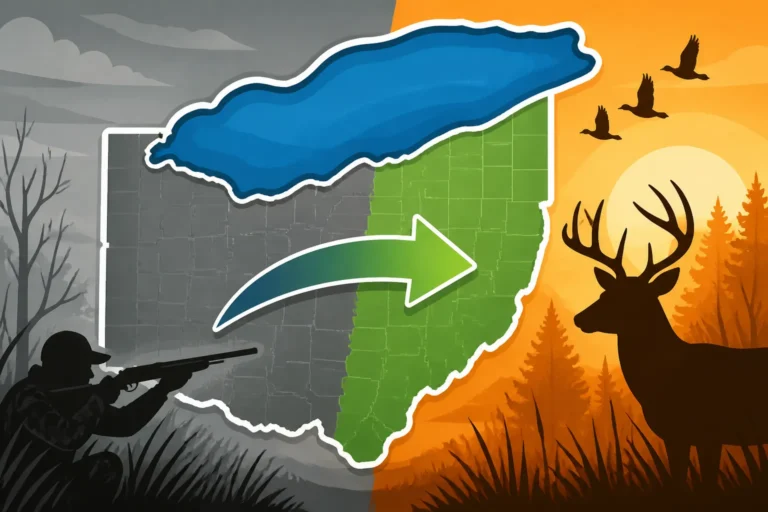
The number of antlerless-only permits you can purchase, and whether they are even available, varies significantly by county. This is a direct reflection of the ODNR's localized management strategy we discussed earlier. In some counties, particularly those in the agricultural belt of northwest and central Ohio where deer populations are denser and often exceed desired levels, antlerless permits might be unlimited. This means a hunter could potentially purchase and fill multiple antlerless tags, contributing significantly to herd reduction. Conversely, in counties with lower deer densities, often found in parts of southeastern Ohio, antlerless-only permits might be restricted to one or two per hunter, or in some cases, not offered at all. Before you head out, it's absolutely vital to check the current hunting regulations for the specific county you plan to hunt in. The ODNR provides a detailed county-by-county breakdown each year, usually available on their website or in the printed hunting regulations digest. You can often find information on Where Ohio Deer Management Permits Are Unlimited to help guide your planning. Using a tool like GoHunt's mapping features can also help visualize these county boundaries and associated regulations quickly.
Legal Weapons and Seasons for Antlerless Deer
Antlerless-only permits can generally be used during most deer hunting seasons where deer hunting is permitted, but the legal weapons depend entirely on the specific season you're hunting in. For instance, during the Bowhunting Ohio's Long Archery Season, you can use a vertical bow or crossbow. During the Ohio's Two-Weekend Gun Deer Season, you'd be limited to shotguns, straight-wall cartridge rifles, or muzzleloaders. And, of course, during the Muzzleloader Deer Hunting in Ohio season, only muzzleloaders are allowed. It's crucial to remember that while the permit allows you to take an antlerless deer, it does not override the weapon restrictions or season dates for that specific hunting period. Always cross-reference your antlerless permit with the statewide and county-specific season dates and legal weapon requirements. The beauty of these permits is their flexibility, allowing you to fill them during many different periods, which extends your time in the woods and increases your chances of success.
Purchasing and Using Your Antlerless-Only Permit
Getting your hands on an antlerless-only permit is usually a pretty straightforward process, but knowing the exact steps for purchase, proper tagging, and reporting is key to avoiding any headaches or legal issues. These permits are designed to be accessible, reflecting the ODNR's goal to encourage antlerless harvest as a primary management tool.
Where and How to Acquire Your Permits
Purchasing your Ohio antlerless-only permits is quite convenient these days. The most common method is online through the Ohio Wildlife Licensing System, often referred to as Wild Ohio. This platform allows you to buy all your necessary hunting licenses and permits from the comfort of your home, using a credit card. You simply log in, select the desired permits, and complete the transaction. Once purchased, you'll receive a digital confirmation, and you can print your permits or carry digital proof on your phone, as long as it's accessible even without cell service. For those who prefer a more traditional route, you can also purchase permits in person at various authorized license vendors located throughout the state. These vendors include sporting goods stores, bait shops, and some department stores. Just be sure to bring your hunter education certification if it's your first time buying a license, and some form of identification. Remember, non-residents also have options, and it’s worth checking out Ohio Nonresident Hunting License Options if you're coming from out of state. Regardless of how you purchase them, always double-check that you're buying the correct permit type for the deer you intend to harvest.
Proper Tagging and Checking Procedures
Once you've successfully harvested an antlerless deer with your permit, the job isn't quite done. Ohio has strict regulations regarding tagging and checking your deer, designed to ensure accurate harvest data and prevent poaching. Immediately after the kill, before moving the deer from the place of kill, you must validate your permit by circling the date and time of kill. Then, securely attach the temporary tag from your permit to the deer's antler (if present and legal, though not for an antlerless, so attach to the ear or leg in this case) or leg. This temporary tag must remain with the deer until it is permanently processed. Within 24 hours of harvest, you must also report your kill to the ODNR. This can be done online through the Wild Ohio system, via the HuntFish Ohio mobile app, or by calling a toll-free number. During the reporting process, you'll provide details like the county of kill, the type of deer (antlerless in this case), and the method of harvest. Once reported, you'll receive a confirmation number, which must also stay with the deer. Failing to properly tag or check your deer can result in fines and other penalties, so don't overlook this crucial step. For a complete understanding, look at Ohio Deer Checking and Reporting Rules.
Strategic Considerations for Antlerless Hunting
Successfully harvesting antlerless deer isn't just about pulling the trigger; it's about smart strategy, knowing deer behavior, and adapting to conditions. Antlerless hunting often requires a slightly different approach than targeting a mature buck, focusing more on understanding doe family groups and their movement patterns.
Identifying Prime Antlerless Opportunities
Does and their fawns often form family units that travel together. These groups are frequently found in areas with reliable food sources, dense cover for bedding and security, and accessible water. During early archery season, focus on agricultural field edges, particularly those with standing soybeans or corn, which offer both food and cover. As the season progresses and crops are harvested, deer shift their focus to remaining browse, acorns, and food plots. Late season, when temperatures drop, food sources become even more critical, drawing deer to specific areas. Think about thickets bordering clear-cuts, creek bottoms with abundant browse, or untouched pockets within larger public lands. Terrain features like saddles, funnels, and natural pinch points that herd animals use to navigate the landscape are always great spots to intercept deer. Understanding how deer use the landscape, especially in areas like Hunting Northwest Ohio Farmland Deer or the more rugged Hunting Southeast Ohio Appalachian Foothills, will significantly increase your success rate for antlerless deer.
Late Season Tactics for Doe Management
Late season hunting for antlerless deer, typically from December through January's muzzleloader season, presents unique challenges and opportunities. Food becomes the overriding factor. With cold temperatures and often snow on the ground, deer are focused almost exclusively on finding calories. This is the time to really hone in on the most appealing food sources, whether it's an unharvested standing grain field, a late-dropping oak flat, or a persistent food plot. Does will often congregate in these areas, forming larger groups. Patience is key during these cold, late-season hunts. Setting up a ground blind or a well-insulated treestand with good cover overlooking a primary food source or a well-used trail leading to one can be incredibly effective. Consider implementing a "sit-all-day" strategy, as deer often move throughout the day, especially when temperatures are bitterly cold. Group hunting tactics, like small, organized deer drives on public lands, can also be highly successful for pushing does out of thick cover towards waiting hunters. Remember, filling an antlerless permit in the late season not only provides excellent venison but also contributes to better overall herd health by reducing pressure on limited winter food resources. This is particularly important for managing the herd effectively, and you might find useful insights in Filling an Antlerless Permit Late in Ohio.
Common Misconceptions and Troubleshooting
Despite their importance, antlerless-only permits can still be a source of confusion for many hunters. Clearing up common misunderstandings and knowing how to navigate specific scenarios will help you hunt more confidently and responsibly.
Antlerless-Only vs. Deer Management Permits
This is perhaps the biggest source of confusion for Ohio hunters. Let's break it down:
- Antlerless-Only Permit: This permit specifically allows you to take an antlerless deer. It is an additional permit you purchase after your general deer permit, and it's solely for does or fawns without antlers. The number available depends on the county's management objectives. In some high-density counties, you might be able to buy multiple antlerless-only permits.
- Deer Management Permit (DMP): While also focused on antlerless harvest, the DMP is a type of permit that often comes with different rules, especially in specific urban zones or areas with very high deer densities. Some DMPs might be issued for specific landowner purposes or in areas with designated urban hunts. Sometimes, your general deer permit might count as your first "deer management" tag. The language can be a bit intertwined, but generally, when the ODNR refers to an "antlerless-only permit," they mean the supplemental permit purchased to take additional does beyond what your primary deer permit allows. Always consult the current year's digest for exact definitions, as these can sometimes be nuanced.
The key takeaway is that both are geared towards increasing the antlerless harvest, but the "antlerless-only permit" typically refers to the widely available, general supplemental tag for does, while DMPs might be more specific to certain programs or areas. This distinction helps the ODNR manage specific population challenges.
Navigating Public Land Antlerless Restrictions
Hunting on Public Hunting Land in Ohio comes with its own set of considerations, and antlerless-only permits are no exception. While these permits are generally valid on most public lands, there can sometimes be specific restrictions or zones to be aware of. Certain state parks, for example, might have very specific hunt dates or lottery systems, or may even be archery-only zones. Some wildlife areas, especially those managed for specific habitat objectives, might have particular rules about harvest numbers or even access.
Before heading to any public land, it's always best practice to consult the ODNR's website or the local wildlife area manager for any specific regulations pertaining to that property. The HuntFish Ohio app, or even services like GoHunt, can be invaluable resources for checking property boundaries, permitted activities, and any special regulations that might apply. Don't assume that just because your antlerless permit is valid statewide, it automatically grants you permission to hunt a doe anywhere on public land. A quick check can save you a lot of grief and ensure you're hunting legally and responsibly.
| Permit Type | Primary Purpose | Antlered Deer Allowed? | Antlerless Deer Allowed? | Availability (General) | Cost (Resident) |
|---|---|---|---|---|---|
| General Deer Permit | Take first deer of season | Yes (1) | Yes (1) | Statewide (often combined antlered/antlerless tag) | ~$26 (Deer Tag) |
| Antlerless-Only Permit | Take additional antlerless deer | No | Yes (1 per permit) | Varies by county (can be unlimited in some areas) | ~$15 (Antlerless Permit) |
| Youth Deer Permit | Youth hunter's primary deer permit | Yes (1) | Yes (1) | Statewide | ~$10 (Youth Deer Tag) |
| Deer Management Permit (DMP) | Specific herd reduction/urban hunt needs | No (usually) | Yes (specific conditions) | Specific zones/programs; rules vary yearly | Varies |
Note: Costs are approximate and subject to change; always check current ODNR regulations for exact figures and rules.
Disclaimer
Please remember that hunting regulations can change. While this guide provides a comprehensive overview of Ohio's antlerless-only permit rules, it is your responsibility to consult the most current Ohio Hunting and Trapping Regulations Digest published by the Ohio Department of Natural Resources (ODNR) before heading afield. Always ensure you are familiar with the latest laws, season dates, and specific county regulations to ensure a safe and legal hunt.