Ohio Mourning Dove Season Dates
It can be incredibly frustrating trying to keep up with all the different hunting seasons here in Ohio, especially when you start getting into migratory birds. The rules can feel like they're constantly shifting, and nobody wants to be out there on opening day only to realize they missed a crucial detail about dates or permits. This guide is here to untangle all the confusion around Ohio's mourning dove season dates, ensuring you're ready and legal for a successful hunt.
Understanding Ohio's Mourning Dove Season Structure
Mourning doves are a beloved game bird across the state, offering a fast-paced, action-packed hunt that many of us look forward to as summer transitions into fall. However, unlike deer or turkey seasons which often have pretty straightforward open and close dates, migratory bird seasons, including doves, can be a bit more nuanced. They often run in different segments, which can catch new hunters, or even seasoned ones, off guard.
Key Dates for the Regular Season
Historically, Ohio's mourning dove season kicks off on September 1st. This is a fairly consistent opener that hunters across the state have come to rely on. It’s a fantastic way to usher in the fall hunting calendar, giving us a chance to dust off our shotguns and get into the field before the deer woods truly come alive. However, the season isn't just one long stretch; it's typically split into several distinct segments.
These segments are designed to maximize hunting opportunities while also aligning with the doves' migratory patterns throughout the fall. For example, the first segment usually runs from September 1st through early to mid-October. This is often the most popular period, as the weather is still pleasant, and a good portion of the local birds are still around before the major push south. After a brief closure, a second segment might open in November, sometimes even extending into early January, to catch later-migrating birds. Always check the current year's Ohio Department of Natural Resources (ODNR) hunting regulations digest, as these specific dates can shift slightly from year to year based on federal frameworks and state population data.
Knowing these segmented dates is crucial for planning your hunts. If you miss the early September rush, don't despair! There's often a later opportunity to target doves, especially if you enjoy hunting in cooler weather or after deer season. Keep an eye on the ODNR's official publications or their website, which is updated annually to reflect these specific windows.
Daily Bag and Possession Limits
When you're out there, birds flying fast and furious, it's easy to lose track, but understanding the bag and possession limits is paramount for legal hunting. For mourning doves in Ohio, the daily bag limit is generally 15 birds. This means that in any single day, regardless of how many times you go out or where you hunt, you can only harvest up to 15 doves.
The possession limit, which refers to the maximum number of lawfully taken doves you can have in your possession at any given time (including at home, in your vehicle, or at a camp), is usually 45 birds. This allows hunters who travel or hunt multiple days to accumulate a certain amount of birds without exceeding federal guidelines. For example, if you hunt for three days and bag 15 doves each day, you'll reach your possession limit of 45 birds. After that, you'd need to consume or process some of your birds before you could legally harvest more. It's a system designed to manage harvest numbers while still providing ample opportunity for hunters. Always double-check these limits in the annual regulations, as they are subject to federal migratory bird treaties and can occasionally be adjusted.
Legal Shooting Hours
Timing is everything in dove hunting, and that extends to legal shooting hours. For mourning doves, and most other migratory game birds in Ohio, the legal shooting hours are from 30 minutes before sunrise to sunset. This allows for some prime early morning and late evening hunting, which often coincides with when doves are most active, flying to and from feeding and watering areas.
It's really important to adhere strictly to these times. Hunting outside of legal hours can lead to serious violations. I always recommend having a reliable watch or checking your phone for precise sunrise and sunset times for your specific location. There are plenty of apps available that can give you this information for your exact coordinates. You can also consult the official tables provided in the annual Ohio hunting regulations digest. You'll find detailed breakdowns of these times for various dates throughout the year, usually organized by county. Getting a handle on these times is also critical for other types of hunting, and we've got a great resource explaining all about Ohio Legal Shooting Hours for a deeper dive.
Essential Permits and Certifications for Dove Hunters
Hunting doves isn't quite as simple as just grabbing your shotgun and heading to a field. Because mourning doves are migratory birds, there are a few extra steps you need to take to ensure you're hunting legally. These requirements are in place to help wildlife agencies track harvest data and manage populations across states, which ultimately benefits us all by ensuring healthy bird numbers for future seasons.
Ohio Hunting License Requirements
First and foremost, you absolutely need a valid Ohio hunting license. This might seem obvious, but it's the foundational requirement for pretty much any hunting activity in the state. Whether you're a long-time resident or visiting from out of state, a current license is non-negotiable.
For Ohio residents, there are various options, including annual licenses that cover a full year of hunting, or even lifetime licenses if you're truly dedicated. You can learn more about specific choices for residents in our guide on Ohio Resident Hunting License Options. If you're coming from another state to experience Ohio's dove hunting, you'll need a non-resident hunting license. These also come in annual or shorter-term options, depending on how long you plan to hunt. Details for visitors can be found in our comprehensive article on Ohio Nonresident Hunting License Options. Always make sure your license is current before you even think about stepping into the field, as enforcement takes this very seriously. You can purchase licenses online through the Wild Ohio customer center, at most sporting goods stores, or from authorized license agents throughout the state.
HIP Certification is a Must
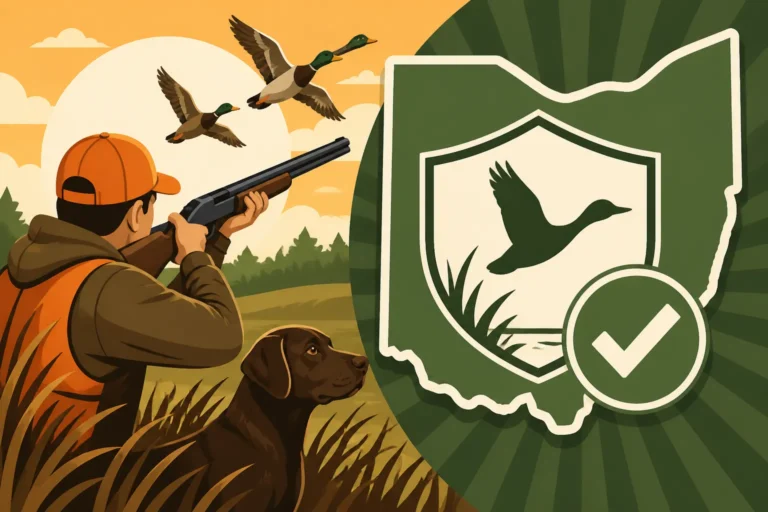
This is where many new migratory bird hunters can get tripped up. Beyond your standard hunting license, anyone who plans to hunt migratory game birds in Ohio—and this includes mourning doves, woodcock, snipe, rails, and waterfowl—is required to have Harvest Information Program (HIP) certification.
HIP is a federal program that collects harvest data from hunters across the country. When you get HIP certified, you're essentially providing the U.S. Fish and Wildlife Service with your contact information, allowing them to conduct surveys to estimate harvest numbers. This data is vital for setting future season lengths and bag limits, ensuring sustainable hunting opportunities. It’s a small step that makes a big difference in wildlife management. Getting certified is usually a quick process that you can do when you purchase your hunting license, either online or in person. It simply involves answering a few questions about your previous year's hunting activity for different migratory bird species. Without this certification, even with a valid hunting license, you are not legally allowed to hunt doves. We have a detailed guide on Ohio HIP Certification for Bird Hunters that can walk you through the process step-by-step.
Federal Duck Stamp Not Required for Doves
It’s worth noting a common point of confusion: the Federal Migratory Bird Hunting and Conservation Stamp, more commonly known as the Federal Duck Stamp. While this stamp is absolutely essential if you plan to hunt ducks, geese, or other waterfowl, it is not required for hunting mourning doves in Ohio.
This distinction is important because both doves and waterfowl are migratory birds, but the federal regulations surrounding them have different requirements. The duck stamp is a separate purchase that supports wetland conservation efforts across the nation, benefiting countless species of waterfowl and other wetland-dependent wildlife. It’s a fantastic program, and if you ever consider adding ducks or geese to your hunting repertoire, you’ll definitely need one. But for dove hunting specifically, you can leave the duck stamp purchase for another time. For more information on this, check out our piece on Ohio Federal Duck Stamp Requirement.
| Category | Detail |
|---|---|
| Season Dates | Typically September 1st, often in segmented periods. |
| Daily Bag Limit | 15 doves |
| Possession Limit | 45 doves |
| Shooting Hours | 30 minutes before sunrise to sunset |
| Hunting License | Required (Ohio resident or non-resident) |
| HIP Certification | Required for all migratory bird hunters |
| Federal Duck Stamp | NOT required for dove hunting |
Tactics and Considerations for Successful Ohio Dove Hunting
Once you have your license and certifications in order, it's time to think about actually getting out there and hunting these speedy little birds. Dove hunting is a unique experience, often requiring different tactics than pursuing deer or turkeys. It's often more social, less stealthy, and focuses heavily on understanding bird movement and setting up in the right spot.
Scouting and Habitat Selection
Success in dove hunting often hinges on scouting before the season opens. Doves are creatures of habit, typically flying predictable routes between feeding areas, water sources, and roosting spots. Your primary goal when scouting is to identify these key locations.
Look for fields that have recently been harvested, particularly those with sunflowers, wheat, millet, or corn. Doves love to feed on the waste grain left behind. Early morning and late afternoon are prime times to observe these fields; watch for birds flying in and out. Water sources like ponds, creeks, or even muddy puddles are also magnets for doves, especially on hot days. They need to drink regularly. Finally, identify large trees or power lines nearby that doves might use for roosting or staging before heading to feed. Many hunters rely on mapping apps like those found on GoHunt to pinpoint likely dove fields on public or private land. These tools are invaluable for looking at aerial imagery to spot cut fields, water sources, and potential flight paths from the comfort of your home. You'll find that putting in the legwork to scout beforehand drastically increases your chances of a productive hunt, as detailed in our guide on Scouting Ohio Public Land Before Season.
Decoys and Blinds
While doves aren't known for being incredibly wary like some other game birds, using decoys and proper concealment can certainly improve your odds, especially on pressured birds or during the later segments of the season. Simple clip-on dove decoys, placed on fences or dead branches around your setup, can attract passing birds. Even more effective are motion decoys, such as spinning-wing models, which simulate a flock of doves feeding or landing and can be irresistible to birds flying overhead.
For concealment, you don't typically need an elaborate pop-up blind, though they can be useful in open fields. Often, simply sitting against a fence line, in a patch of tall weeds, or at the base of a tree that breaks up your outline is enough. Doves have excellent eyesight, but they're focused on their flight path and food. If you can remain still and blend into your surroundings, you'll be surprised at how close they'll come. A good pair of camouflage clothing and a comfortable stool are often all you need.
Ammunition and Shotgun Selection
For mourning doves, a fast-handling shotgun is key. These birds are incredibly agile flyers, making for challenging wing shooting. Most hunters opt for a 12-gauge or 20-gauge shotgun, as they offer a good balance of pellet count and manageable recoil. The specific model (pump, semi-auto, over/under) is really a matter of personal preference.
When it comes to ammunition, you'll want light loads with small shot sizes. Number 7.5 or 8 lead shot is typically ideal for doves. These smaller pellets provide a dense pattern that's effective on doves without excessive recoil, allowing for quick follow-up shots. You don't need heavy, magnum loads for doves; standard field loads are more than sufficient. Just be sure to bring plenty! A typical dove hunt can see you shooting quite a few shells for every bird you bring down, which is part of the fun and challenge. Understanding how different shotguns perform with various loads is also helpful for other small game, as explored in articles like Best Shotgun Gauge for Ohio Squirrel.
Navigating Public and Private Land for Doves
Finding a place to hunt doves in Ohio can be one of the biggest hurdles, especially for those new to the sport. Ohio offers a mix of public and private land opportunities, each with its own advantages and challenges. Knowing where to look and how to gain access is key to a successful season.
Public Hunting Opportunities
Ohio’s vast system of Wildlife Areas managed by the ODNR often provides excellent dove hunting opportunities. Many of these areas actively manage habitat, including planting sunflower and millet fields specifically for doves and other game birds. These fields can be phenomenal during the early part of the season, attracting large numbers of birds.
However, public land dove fields can also be very popular, especially on opening day and the first few weekends. Expect to share the field with other hunters. Some wildlife areas even implement special rules for dove season, such as designated hunting zones, limited parking, or specific shooting hours different from the general statewide rules. Always consult the ODNR website or the specific Wildlife Area's regulations before heading out. Using the official ODNR HuntFish Ohio map, or third-party mapping solutions from GoHunt, can help you locate these public areas and their specific boundaries. These tools are invaluable for determining access points and understanding the lay of the land, helping you find those quieter corners that others might overlook. You can dive deeper into these fantastic resources by checking out our guide to Ohio Wildlife Areas.
Securing Private Land Access
While public lands are a great resource, private land often offers less pressure and potentially more consistent dove populations, especially in prime agricultural areas. Gaining access to private land requires permission from the landowner, and it's always best to ask well in advance of the season.
A polite, face-to-face request is usually the most effective approach. Dress respectfully, be articulate, and clearly state your intentions. Offer to share some of your harvest, or perhaps even offer to help with a chore around their property. Emphasize your commitment to safety and ethical hunting practices. Farmers, in particular, might be open to dove hunters if they have crop fields that doves are heavily utilizing, as it can sometimes help reduce crop damage. Even if they say no, thank them for their time. Building a good reputation in the community can lead to future opportunities. This approach is similar to securing access for other game, and you can find more tips in our article on Getting Private Land Permission in Ohio. Remember, hunting on private land without explicit permission is trespassing and can carry serious penalties, so always err on the side of caution and get that "yes" before you hunt.
Important Regulations and Safety
Beyond licenses and seasons, there are crucial regulations and safety considerations specific to dove hunting that every hunter needs to be aware of. Migratory bird hunting, due to its federal oversight, often has stricter rules, particularly concerning baiting. Safety, as always, should be your absolute top priority in the field.
Baiting and Manipulation of Habitat
This is perhaps the most critical and often misunderstood regulation in migratory bird hunting: the prohibition on baiting. Federal law strictly prohibits hunting migratory birds by aid of baiting. "Baiting" is defined as placing, exposing, depositing, distributing, or scattering salt, grain, or other feed that could lure or attract migratory birds to, on, or over any area where hunters are attempting to take them. This rule is in place to ensure fair chase and prevent the overharvesting of birds.
The confusion often arises with "normal agricultural practices." It is legal to hunt doves over fields that have been prepared as part of a legitimate agricultural operation, such as harvested corn or wheat fields, top-sown small grains (like winter wheat planted for a future crop), or planted food plots that are then manipulated for agricultural purposes (e.g., disced, mowed, or left standing). However, purposely scattering extra grain or unharvested crops to attract birds, or hunting over fields where grain has been added outside of a normal planting/harvest cycle, is illegal. For example, broadcasting supplemental corn specifically to attract doves would be considered baiting. It's a complex topic, and if you have any doubt, it's always best to contact the ODNR or a U.S. Fish and Wildlife Service agent for clarification before hunting a questionable area. The penalties for baiting are severe and can include hefty fines and loss of hunting privileges.
Hunter Education and Safety Best Practices
Before anyone even considers picking up a shotgun, they must meet Ohio's hunter education requirements. This foundational training covers firearm safety, wildlife identification, hunting ethics, and regulations, ensuring new hunters understand their responsibilities. If you're new to hunting in Ohio, or just need a refresher, make sure you complete an approved hunter education course. More details are available in our guide on Ohio Hunter Education Requirements.
Beyond the formal education, practicing general safety in the field is paramount. Doves are often hunted in groups, which means constant awareness of your fellow hunters. Always know your zone of fire, ensuring you have a clear shot and that no one is downrange. Wear eye protection to guard against falling shot or ricochets, and ear protection to prevent hearing damage from repeated shotgun blasts. Identify your target positively before shooting – ensure it's a dove and not another protected species. Be mindful of property boundaries, whether public or private, and always adhere to legal shooting hours. Using a robust mapping platform, like those offered by GoHunt, can help you visualize shooting lanes and identify potential hazards, especially when hunting in a group or near property lines. A safe hunter is a responsible hunter, and we want everyone to come home safe after a fun day in the dove field.
Disclaimer
Please remember that hunting regulations, season dates, and bag limits can change. While this guide provides general information, it is your responsibility to consult the most current Ohio hunting regulations digest, published annually by the Ohio Department of Natural Resources (ODNR), before going afield. This article is for informational purposes only and should not be considered legal advice.