Why Lake Erie Moved to Zone B
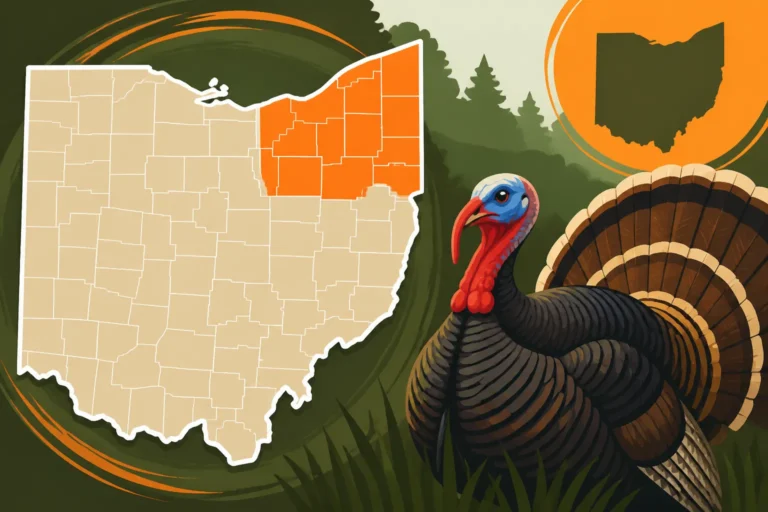
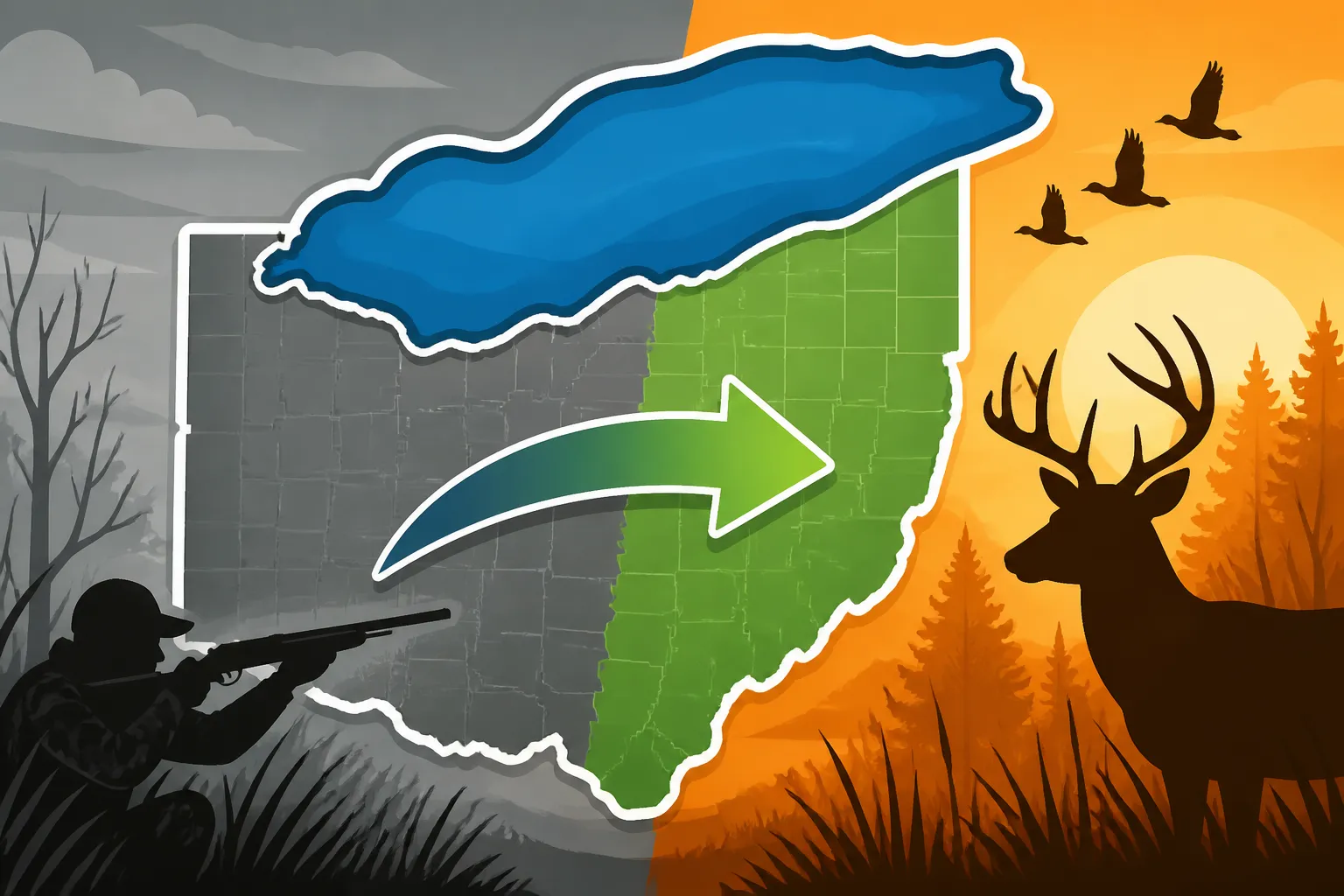
The news hit many Ohio waterfowl hunters like a cold front in October: Lake Erie, the crown jewel of our state's duck and goose hunting, was officially moved into Zone B as part of Ohio's revamped waterfowl zone map. This change has left many folks scratching their heads, wondering why such a significant shift occurred and what it truly means for their beloved hunting traditions. This comprehensive guide will explain the crucial reasons behind this reclassification and what you, as an Ohio hunter, need to know to navigate the new landscape.
The Old Guard: Understanding Ohio's Previous Waterfowl Zone Map
Before we dive into the "why," it’s helpful to understand the landscape that existed for so many years. For a long time, Ohio operated under a system that often felt pretty straightforward, at least on paper. We had distinct waterfowl zones, and Lake Erie, with its unique ecological characteristics and migratory bird patterns, typically enjoyed its own special designation.
The Importance of the Lake Erie Marsh Zone
Historically, the Lake Erie Marsh Zone was a truly distinct entity, often treated almost as its own region due to its incredible importance to migratory waterfowl. Think about it: this area is a critical stopover point on the Mississippi Flyway, a veritable buffet line and resting ground for countless ducks and geese. Hunters who targeted these marshlands knew its value, often facing different season dates and bag limits tailored to the specific pressures and populations unique to the lake's vast expanse and its surrounding wetlands. For many, hunting the Lake Erie Marsh Zone wasn't just a season; it was an annual pilgrimage. It held some of the best opportunities for Ohio Waterfowl Hunting on Lake Erie and Inland and was a tradition passed down through generations. The regulations were always designed to protect these vital resources while providing ample opportunity for hunters to chase everything from mallards and wood ducks to divers and sea ducks that frequented its waters.
The Driving Forces Behind the Lake Erie Zone Reclassification
So, why the change? It’s not simply a matter of the Ohio Department of Natural Resources (ODNR) just deciding to shake things up. These reclassifications are typically the result of extensive scientific review, federal guidelines, and careful consideration of long-term waterfowl management goals.
Federal Framework and Flyway Council Recommendations
First and foremost, waterfowl seasons and zones are heavily influenced by federal frameworks and the recommendations of regional Flyway Councils. Ohio falls under the umbrella of the Mississippi Flyway Council. These councils, comprised of wildlife biologists and administrators from each state in the flyway, analyze mounds of data on duck and goose populations, breeding success, harvest rates, and migratory patterns. They then make recommendations to the U.S. Fish and Wildlife Service (USFWS), which ultimately sets the federal framework within which individual states can then set their specific seasons.
The move of Lake Erie into Zone B wasn't an isolated Ohio decision; it was part of a broader re-evaluation across the flyway. The goal is to standardize regulations where migratory patterns and population dynamics across large geographic areas warrant it. For years, the distinct Lake Erie zone made sense, but as data evolves and bird movements shift, the thinking goes that a more unified approach across larger regions can better manage the resource. This ensures that harvest pressure is distributed appropriately and that long-term population health is prioritized across various species.
Local Population Dynamics and Harvest Data
Another significant factor is the nitty-gritty, boots-on-the-ground data collected right here in Ohio. The ODNR meticulously collects data on Ohio Duck and Goose Bag Limits, annual harvest numbers, breeding bird surveys, and local population trends. Over time, this data can reveal shifts. Perhaps certain species that historically concentrated solely within the Lake Erie Marsh Zone are now spreading out more, or their peak migration periods are aligning more closely with inland patterns.
For instance, studies might have shown that hunter success rates, species harvested, and the timing of peak Ohio Waterfowl Migration Timing in the Lake Erie region were beginning to mirror those of the adjacent inland zones more closely than previously thought. When you combine this local data with the broader flyway perspective, it can build a compelling case for a zone realignment. The aim is to create zones that reflect actual bird behavior and hunter access, ensuring that regulations are effective and sustainable. This kind of data is crucial for platforms like GoHunt, which relies on accurate state-specific information to provide hunting forecasts and regulation summaries.
Hunter Input and Management Goals
It’s easy to feel like these decisions are made in a vacuum, but hunter input genuinely plays a role. The ODNR holds public meetings, solicits feedback, and considers comments from waterfowl hunting clubs, individual hunters, and conservation groups. While scientific data is paramount, understanding the human element – hunting traditions, access challenges, and hunter satisfaction – is also part of the equation.
The overarching management goal is to maximize hunting opportunities while ensuring the long-term health of waterfowl populations. Sometimes, achieving this balance requires adjustments. If a separate zone creates unintended harvest pressures or simplifies the regulatory landscape for hunters without negatively impacting the birds, it’s a change worth considering. The move to consolidate Lake Erie into Zone B might be seen as an effort to streamline regulations for a wider array of hunters while still maintaining robust conservation measures. The goal is not to hinder hunting but to ensure its sustainability and accessibility for future generations.
What This Means for Hunters in the New Zone B
So, Lake Erie is now part of Zone B. What does this actually look like for you when planning your hunts? It means a few key adjustments, primarily around season dates and, potentially, how you approach scouting and access.
Season Dates and Bag Limit Adjustments
The most immediate and tangible change for most hunters is going to be with season dates. With Lake Erie now nested within Zone B, its opening and closing dates will align with the rest of that zone. This is a significant shift from when it had its own, often earlier, season.
Let’s look at a hypothetical example. In the past, the Lake Erie Marsh Zone might have opened a week or two earlier, allowing hunters to target early migrating ducks. Now, those specific dates will likely vanish, and hunters will operate under the broader Zone B framework. This could mean a later start to the season for those accustomed to early Lake Erie hunts. Similarly, the end of the season will likely align with Zone B, potentially extending opportunities in some years, or cutting them short in others, depending on how the statewide framework is set.
Bag limits for Ohio Duck and Goose Bag Limits are generally set flyway-wide, but there can be subtle differences or specific species allowances depending on the zone. While the overall federal frameworks dictate much of this, local zone structures can influence specific species limits or bonus allowances for things like pintails or canvasbacks. Always double-check the most current Ohio hunting regulations when planning your trip; don’t rely on memory from previous years. A useful tool like GoHunt can help you quickly find these updated regulations and season dates.
Impact on Access and Hunt Planning
This reclassification will inevitably affect how hunters plan their access to specific areas, especially public lands or popular marsh systems. If you've historically targeted the Lake Erie Marsh Zone during specific early windows, you’ll now need to adjust your scouting and planning to the new Zone B dates.
For instance, prime public hunting spots like Magee Marsh Wildlife Area or Ottawa National Wildlife Refuge, which were once exclusively within the Lake Erie Marsh Zone, will now follow Zone B regulations. This could concentrate hunter pressure during the new opening days or change how birds move through the area if hunters are now arriving on different schedules. Hunters might need to reconsider their Hunting Lake Erie Marsh Zone Waterfowl strategies, looking for alternative early-season spots inland or adjusting to later starts.
It might also influence private land opportunities. Landowners who leased access based on the old Lake Erie zone dates might need to re-evaluate their agreements. It's a ripple effect that touches every aspect of hunt planning, from booking guides to coordinating with hunting partners. The key is flexibility and being prepared to adapt your approach to the new reality.
Adapting Your Waterfowl Strategies to the New Zone B
Change can be unsettling, but it also presents an opportunity to refine your hunting skills and explore new tactics. Adapting to Lake Erie being in Zone B means rethinking some long-held assumptions and embracing new strategies.
Scouting and Calling Adjustments
With potentially different season dates, your Ohio Waterfowl Migration Timing scouting efforts will need to shift. Birds might still arrive at Lake Erie on their natural schedule, but your hunting access will be dictated by the Zone B opener. This means focusing on scouting closer to the new opening dates to identify current feeding and resting patterns. If the season starts later, you might be targeting birds that have already been on the move for a while, making them warier.
Consider diversifying your scouting locations. While the Lake Erie shoreline remains a fantastic spot for Diver Hunting on Open Lake Erie Water, also explore inland reservoirs, river systems, and flooded timber that fall within Zone B. These areas might offer earlier opportunities or different species mixes depending on the year.
Your calling strategy might also need a tweak. Later season birds, having heard countless calls, are often more educated. This might necessitate a more subtle, less aggressive calling approach, focusing on realistic hen calls and soft quacks rather than loud, attention-grabbing sequences. Observing how other hunters are calling, or utilizing quieter tactics, can be incredibly effective.
Utilizing Resources for Up-to-Date Information
In a time of regulatory change, staying informed is paramount. The ODNR's official website is your primary source for the most accurate and up-to-date Ohio's New Waterfowl Zone Map, season dates, and bag limits. Always consult these directly before planning any hunt.
Beyond the official channels, hunter forums, local conservation groups, and social media groups can be valuable sources of community knowledge and shared experiences. Just remember to verify information against the official ODNR regulations. Tools like the ODNR's Ohio HuntFish Map Tool or services like GoHunt can also be invaluable for overlaying current regulations with public land maps and other critical data points.
Furthermore, remember to complete your Ohio Migratory Bird Certification (HIP survey) annually. This provides vital data to wildlife managers who make these very decisions. By engaging with these resources and staying connected to the broader hunting community, you can ensure you’re always operating within the law and making the most of your waterfowl season, even with the new Zone B changes on Lake Erie. The ducks and geese will still come, and with a bit of adaptation, you'll be ready for them.
| Feature | Old Lake Erie Marsh Zone | New Zone B (Includes Lake Erie) |
|---|---|---|
| Season Dates | Often earlier opening, specific dates | Aligns with broader Zone B dates |
| Bag Limits | Specific to Lake Erie sometimes | Standardized with Zone B |
| Management Focus | Micro-management of Lake Erie specific migratory patterns | Broader regional management for diverse habitats |
| Hunter Planning | Tailored to unique Lake Erie calendar | Integrated with statewide Zone B calendar |
| Flexibility | Less flexible, very specific | More integrated, broader application |
| Primary Goal | Protect unique Lake Erie resource | Balance resource protection with flyway-wide data |
Disclaimer
The information provided in this guide is for general informational purposes only and is subject to change. Hunting regulations, season dates, and bag limits are set by the Ohio Department of Natural Resources (ODNR) and the U.S. Fish and Wildlife Service (USFWS) and can be updated annually or more frequently. Always consult the most current official Ohio hunting regulations and federal migratory bird regulations before engaging in any hunting activities. Failure to do so may result in legal penalties.