Climbing Sticks for Rough Bark
Anyone who's spent time hunting Ohio's hardwood forests knows the challenge: you find that perfect pinch point, that ideal travel corridor, only to discover the best tree for a stand is a gnarled, ancient oak with bark like a dragon's hide. Trying to get climbing sticks to bite and hold securely on these rough-barked giants can be a frustrating and frankly, dangerous, endeavor. This guide is all about helping you conquer those tricky trees, ensuring your ascent is safe, silent, and stable, even when Mother Nature throws you a curveball of crusty bark.
The Frustration of Rough Bark: Why Ohio Trees Challenge Climbers
Let's be real, Ohio's woods are gorgeous, but they aren't always hunter-friendly when it comes to tree stand setups. We've all been there, scouting out a promising ridge line or creek bottom, marking a tree on our Scouting Ohio Public Land Before Season app, only to arrive on opening morning and realize the trunk is far from the smooth, straight ideal we pictured. The bark itself can be the biggest obstacle, turning a routine climb into a precarious balancing act.
Common Bark Types and Their Problems for Climbing
Ohio is blessed with a diverse array of tree species, and each one presents its own unique challenges for climbing sticks. Take the majestic white oaks and red oaks, ubiquitous across much of the state, especially in the Appalachian foothills. Their deeply furrowed, ridged bark, while beautiful, offers uneven surfaces that make solid contact difficult. A climbing stick's attachment point might only make contact on the high points of these ridges, leaving gaps that can cause the stick to shift or twist under weight. It's like trying to secure something to a corrugated roof – you need something that can bridge those gaps or conform to the irregular shape.
Then there are the shagbark hickories, particularly common in many of Ohio's older woodlots. Their iconic peeling strips of bark, while a dead giveaway for identification, are a nightmare for any climbing system. These loose plates of bark can prevent a stick from getting a true bite on the solid wood beneath, leading to terrifying slips as the bark gives way. Even seemingly "smoother" trees like older maples or black cherries can develop gnarly, irregular sections or thick, flaky layers of outer bark that make a secure attachment feel like a pipe dream. Many public land regulations also prohibit damaging trees with screw-in steps, pushing us towards climbing sticks, which adds another layer to this challenge.
Safety Concerns with Unstable Ascents
Beyond the sheer annoyance, the biggest concern with rough bark and climbing sticks is, without a doubt, safety. An improperly secured climbing stick is a serious accident waiting to happen. Imagine ascending, your foot pressing down, only for the stick to suddenly shift sideways or twist because its attachment points couldn't find solid purchase. That kind of unexpected movement can easily throw you off balance, especially when you're already carrying gear or working in low light.
The fear of a stick slipping or kicking out is a very real one, and it's precisely why experienced hunters take their time and use the right gear and techniques. Even a small amount of play can be unnerving and erode your confidence, making the climb more stressful and less secure. Your life literally depends on these sticks holding fast. That's why we always preach the importance of a properly worn Safety Harnesses and Lifelines from the moment your feet leave the ground, but even the best harness can't prevent a scare or injury if your climbing system isn't stable to begin with. The goal isn't just to get up the tree, it's to get up safely and without any heart-stopping moments.
Features to Look for in Climbing Sticks for Rough Bark
Navigating Ohio's tricky bark requires climbing sticks with specific design elements that prioritize stability and adaptability. Not all sticks are created equal, and some are definitely better suited for the challenge of a truly gnarly tree. Investing in the right features can make a world of difference in your comfort and safety afield.
Advanced Attachment Systems and Strap Designs
When it comes to rough bark, the attachment system is king. You need something that can cinch down with incredible force and maintain that tension without slipping. Many hunters gravitate towards climbing sticks that utilize robust ratchet straps. Unlike simpler cam buckle straps, a ratchet system allows for much greater tension, pulling the stick firmly against the tree and compressing any soft or loose bark underneath. This deep compression helps the stick's stand-offs dig into the solid wood, minimizing movement. Look for ratchets with wide, durable straps that can distribute pressure evenly, preventing damage to the stick itself while still conforming to irregular trunk shapes.
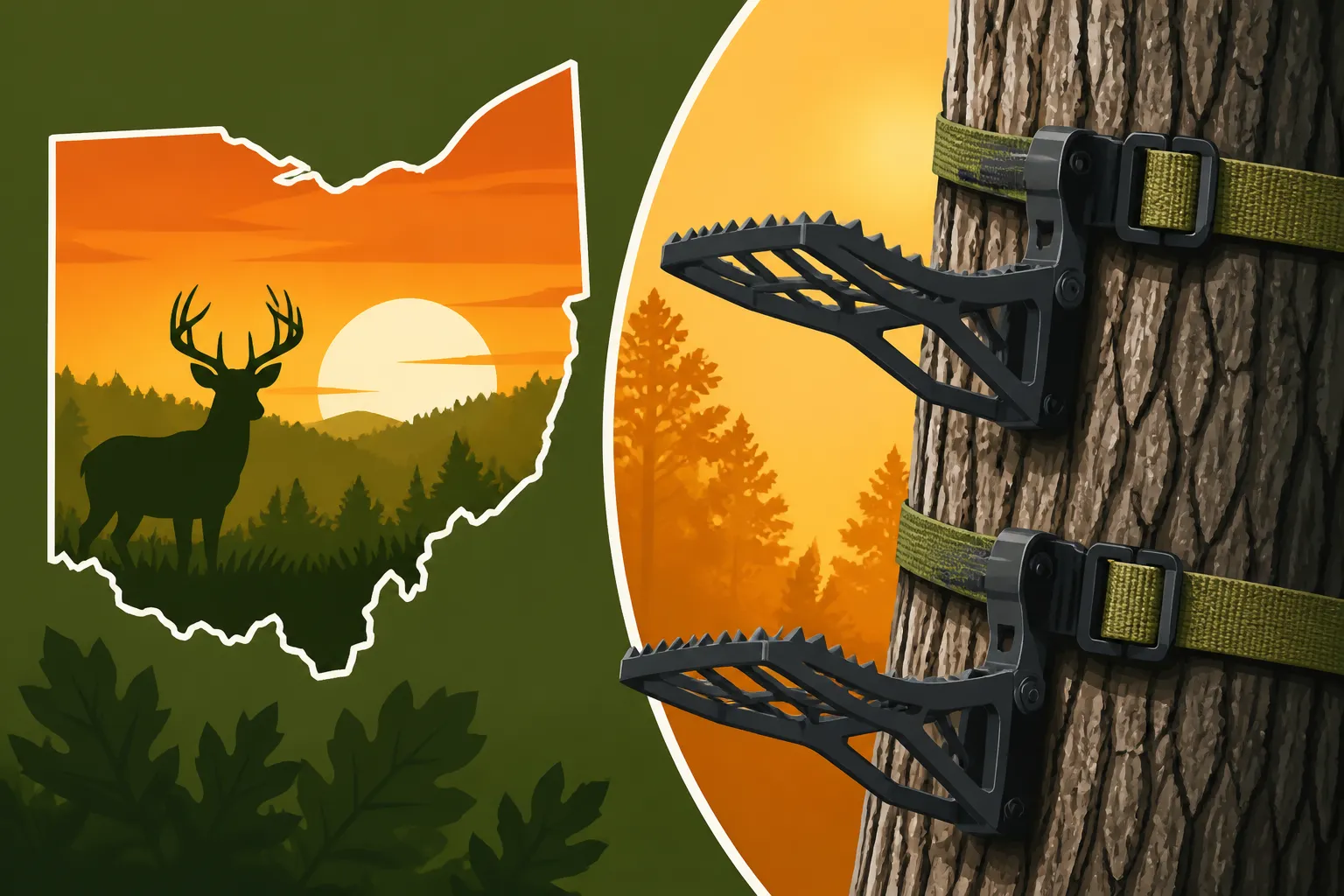
Beyond the strap, pay close attention to the stick's contact points with the tree. Some of the most effective designs feature what are often called "V-brackets" or "tree-hugger" stand-offs. These aren't just flat plates; instead, they might be V-shaped, angled, or even incorporate small, sharp teeth or textured pads designed to bite into rough bark without damaging the tree. Better yet are systems with pivoting stand-offs or attachment points that can articulate slightly to match the natural curve and irregularities of the trunk. This adaptability ensures maximum surface contact, even on deeply furrowed oak bark. When researching options, consider looking at reviews on platforms like GoHunt to see what other hunters say about how different stick models perform on notoriously difficult trees. A quiet attachment system is also paramount; you don't want a loud clank or squeak echoing through the woods on a frosty morning.
Stand-Offs and Angled Steps for Stability
The "stand-off" refers to the part of the climbing stick that pushes away from the tree, creating space for your boots and body. On rough-barked trees, the design of these stand-offs can significantly impact stability. Longer stand-offs are beneficial because they provide more clearance, allowing you to bypass minor bumps, knots, or areas of protruding bark that might otherwise interfere with the stick's seating. Adjustable stand-offs are even better, letting you fine-tune the distance from the tree to account for extreme irregularities.
Furthermore, consider the design of the steps themselves. While flat, horizontal steps are common, some sticks incorporate slightly angled steps or larger, more aggressive platforms. These can provide better boot purchase, especially if the stick isn't perfectly plumb due to an uneven tree trunk. If a stick is forced to sit at a slight angle because of a tree's contour, an angled step can help keep your boot firmly planted, reducing the risk of a slip. Dual-post designs, where the steps are supported by two vertical posts rather than one central spine, also tend to offer enhanced lateral stability, making the climb feel more solid and secure when navigating a tricky ascent. This is particularly noticeable when you're loaded down with a heavy pack, perhaps one designed for a long day in the woods like a Packs Built for a Wayne Forest Day Hunt.
Techniques for Securely Attaching Sticks to Difficult Trees
Even the most advanced climbing sticks won't perform their best if you don't employ sound techniques during setup. There's an art to getting a solid bite on a rough-barked tree, and it involves careful planning and methodical execution. Rushing this process is a recipe for frustration, and potentially, danger.
Pre-Season Scouting and Tree Selection
The truth is, even with the best climbing sticks, some trees are simply not suitable for a safe and silent ascent. That's where diligent pre-season scouting really pays off. While you might identify a general area for your stand during the off-season, take the time to physically inspect potential trees. Run your hand over the bark, try to mimic a stick's placement, and look for sections of the trunk that are relatively straighter and less gnarled. Ideally, you want a tree that offers a fairly consistent diameter for at least the first 15-20 feet, with minimal low branches or large knots that would interfere with stick placement.
During your scouting trips, carry one of your climbing sticks with you. Use it to "test" trees you're considering. Try to attach it in a few spots to see how well it bites and how much movement it has. Pay attention to the path the strap will take around the tree; you want a clear, unobstructed route for maximum tension. Sometimes, simply shifting a few feet to an adjacent tree, or even a different side of the same tree, can make all the difference. Remember, the effort you put in now, identifying a truly stable tree, can save you a lot of headache and potential risk when it really counts. It's part of the comprehensive strategy for Treestand Setups in Appalachian Ohio Hardwoods that helps you succeed.
Step-by-Step Attachment for Maximum Security
Once you've chosen your tree, the actual attachment process requires precision. Start with your lowest stick, ensuring it's as level as possible. If using a ratchet strap, feed it through the stick's attachment point and around the tree. Get it hand-tight first, making sure the stick's stand-offs are making firm, even contact with the bark. Then, carefully begin ratcheting it down. You want to apply significant force, compressing the bark until there's absolutely no give. Listen for any creaking or cracking that might indicate loose bark giving way; if this happens, reposition the stick slightly until you get a solid purchase.
After the first stick is rock-solid, proceed with the next one. As you move up, perform a "wobble test" on each stick before committing your full weight. Push and pull on the stick firmly from side to side and up and down. Any noticeable movement means the stick isn't adequately secured and needs to be re-tensioned or repositioned. Ensure the stick's "teeth" or textured pads, if present, are firmly embedded. Always remember to maintain three points of contact as you ascend, and for goodness sake, wear your Safety Harnesses and Lifelines the entire time, even if you're just putting up sticks. Your life depends on it, and safety is non-negotiable, especially when dealing with potentially unstable surfaces. This methodical approach will help ensure your climb is safe and quiet, crucial for successful hunting, especially on public land where you might encounter more Hunting Pressure on Ohio Public Land.
Recommended Climbing Stick Designs and Brands for Ohio Hunters
Choosing the right climbing sticks is a personal decision, often influenced by your hunting style, budget, and the specific terrain you hunt most often. However, when rough bark is a consistent challenge, certain designs and material choices definitely stand out.
Single-Piece Versus Sectional Stick Advantages
Climbing sticks generally come in two main configurations: single-piece sticks and sectional (or stackable) sticks. Each has its pros and cons, particularly when dealing with rough bark.
Single-Piece Sticks: These are often quicker to deploy because there are fewer connection points to assemble. You simply attach one stick, then the next, and so on. This can be an advantage if you're moving fast or setting up in low light. The downside is that they are typically bulkier and harder to pack. While they might offer robust attachment systems, their fixed length can sometimes be awkward on extremely crooked trees where a sectional stick could be spaced more flexibly. However, if your typical hunt involves a short walk and a relatively straight tree, a well-designed single-piece stick can be incredibly stable and efficient.
Sectional Sticks: These sticks break down into shorter, manageable segments that can be stacked or nested together, making them incredibly portable. For hunters who pack deep into areas like Wayne National Forest or frequently move their stands, sectional sticks are often the preferred choice. The trade-off is that each section requires its own attachment and securing, which can add a few minutes to your setup time. However, the ability to adjust the spacing between sections can be a huge advantage on rough bark. If one section of the tree is particularly gnarly, you can sometimes skip that section or adjust your footing more easily. When considering sectional sticks, pay close attention to the connection points between sections; you want robust, quiet connections that won't rattle or flex. Weight is also a huge factor here, especially if you're carrying a full setup. Aluminum designs, which are generally lighter, are popular for this reason. For comprehensive reviews and user feedback on various sectional and single-piece stick options, a resource like GoHunt can be invaluable to help you compare performance specifically on challenging tree types.
Considering Durability and Quietness for Longevity
When you're investing in climbing sticks, you want gear that will last season after season, standing up to the harsh Ohio weather and the rigors of frequent use. Durability often comes down to the materials and construction. Most quality climbing sticks are made from aluminum or steel. Aluminum offers an excellent strength-to-weight ratio, making it ideal for mobile hunters who need to carry their gear a significant distance, like when you're scouting Finding Sign in Big Appalachian Timber. Steel, while heavier, can sometimes offer a slightly more rigid feel and extreme robustness, though the weight penalty for a full set of sticks can be considerable.
Beyond the raw material, look at the finish. A good powder coating not only protects the metal but can also add a bit of texture for grip and, crucially, help dampen sound. Nothing spooks deer faster than a metallic clanging echoing through the quiet woods. Consider sticks that have rubberized coatings or padding on contact points to minimize noise during transport and setup. Some manufacturers even design their sticks to nest tightly together to prevent metal-on-metal rattling while you're hiking in or packing them on your Packs Built for a Wayne Forest Day Hunt. Over time, straps can wear out, so look for sticks with easily replaceable strap systems. This ensures the longevity of your investment, allowing you to simply swap out a worn strap rather than needing an entirely new set of sticks. When buying, think about how the sticks will perform in cold, wet conditions – will they be slippery? Will they freeze up? These are all practical considerations for an Ohio hunter who faces everything from crisp autumn mornings to bitter January climbs.
| Feature Type | Benefit for Rough Bark | What to Look For |
|---|---|---|
| Attachment System | Securely cinches stick to uneven bark; prevents slipping. | Ratchet straps, wide/durable straps, pivoting V-brackets. |
| Stand-Offs | Creates clearance, helps stick clear protrusions. | Longer stand-offs, adjustable stand-offs. |
| Step Design | Better boot purchase, stability on angled sticks. | Angled steps, larger step platforms, textured surfaces. |
| Construction | Withstands pressure, quiet operation, long-lasting. | Aluminum (light) or steel (robust), powder coating, rubberized contact points. |
| Configuration | Adapts to hunting style and tree irregularities. | Sectional (portable, flexible spacing) or single-piece (quick, rigid). |
Disclaimer
This article is for general informational purposes only and does not constitute professional advice. Laws, prices and regulations vary by location and change over time. Consult a qualified professional for guidance on your specific situation.