Muzzleloaders for an Ohio January
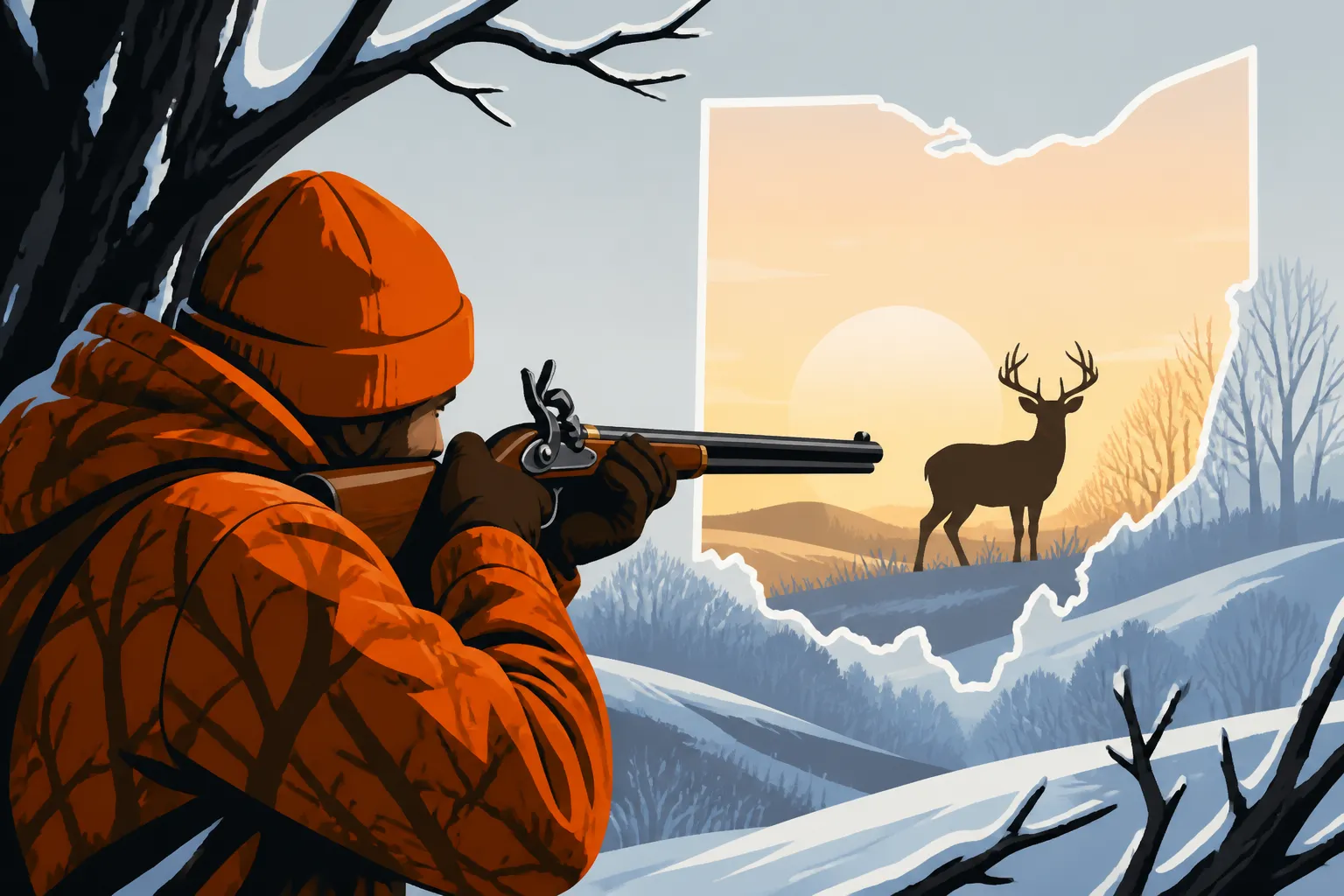
There's a special kind of challenge, and a unique reward, that comes with deer hunting in Ohio's January muzzleloader season. The holidays are over, the regular gun season crowds have thinned out, and a hush falls over the winter woods. But don't let that quiet fool you; these late-season whitetails are incredibly wary, and the weather can be downright brutal. This comprehensive guide is here to walk you through everything you need to know about preparing your muzzleloader and yourself for a successful and safe hunt in the biting cold and unpredictable conditions that define an Ohio January.
Why Muzzleloading in January? Embracing the Late Season Challenge
January in Ohio is a time when many hunters have already hung up their gear, resigned to waiting for next season. But for those of us who appreciate the solitude and the true test of late-season hunting, the muzzleloader season offers a fantastic opportunity. It's a chance to put skills learned throughout the fall to the ultimate test against deer that have survived months of pressure.
The Allure of Late-Season Whitetails
By the time January rolls around, the deer herd has seen it all. They've been pushed by archers, chased by gun hunters, and navigated the frenzy of the rut. This means the remaining bucks, especially mature ones, are incredibly elusive. They're often relegated to the thickest cover, moving primarily under the cloak of darkness, or during very specific windows of extreme cold when they must feed. There's a deep satisfaction in outsmarting an animal that has proven itself so adept at survival. The woods are quieter, the leaves are off the trees offering different visibility, and a fresh blanket of snow can transform the landscape, revealing stories of deer movement that were hidden just weeks before. Hunting Deer After a January Thaw can offer unique opportunities if you're watching the forecast.
Ohio's January Muzzleloader Season Rules and Opportunities
Ohio's muzzleloader season typically offers a dedicated week in early January, a precious window after the main gun seasons have closed. This means less competition from other hunters, especially on public lands. However, it's crucial to be intimately familiar with the specific regulations regarding legal shooting hours, antlerless permits, and firearm types. While it's called "muzzleloader season," some straight-wall cartridge rifles are also permitted, but the spirit of the season often leans toward the traditional challenge of the front-stuffer. Always double-check the current regulations with the Ohio Department of Natural Resources (ODNR) before heading afield. Ohio Muzzleloader Season Dates are clearly laid out each year, so make sure you have the exact window committed to memory.
Overcoming the Winter Element
Hunting in January means battling the elements head-on. Bitter cold, biting winds, freezing rain, and heavy snow are all par for the course. This isn't just about personal comfort; it directly impacts your gear, especially your muzzleloader. Powder can get damp, primers can fail, and metal parts can freeze up. The challenge is not just finding a deer, but ensuring your firearm is ready to perform when that hard-earned shot opportunity finally arises. It demands a level of preparation and attention to detail that sets January hunting apart from the milder days of October. For many, it's this very challenge that makes the pursuit so rewarding, pushing them to hone their skills and gear choices.
Choosing Your January Muzzleloader: Reliability in the Cold
Selecting the right muzzleloader for Ohio's January conditions is paramount. You need a firearm that can handle the cold, damp, and sometimes snowy environment without missing a beat. Modern in-line muzzleloaders have largely taken over due to their reliability, but traditionalists still find success with percussion and flintlock options.
Modern In-line Muzzleloaders for Winter
When it comes to dependability in adverse weather, modern in-line muzzleloaders are hard to beat. They utilize 209 shotgun primers, which are extremely reliable and offer a hot spark to ignite the powder, even in damp conditions. The enclosed breach systems on many models do an excellent job of keeping moisture away from the powder charge. Brands like CVA, Traditions, and Thompson/Center offer a wide range of reliable in-line options. Look for models with stainless steel barrels and synthetic stocks, as these materials are far less susceptible to rust and warpage from moisture compared to blued steel and wood. A break-action design can also be advantageous for ease of cleaning and loading, especially when your fingers are numb from the cold.
The advantage of these designs in winter conditions can't be overstated. Imagine sitting in a treestand during a light freezing rain, or trudging through knee-deep snow. A traditional side-lock might be a beautiful piece of craftsmanship, but its exposed firing mechanism and pan are far more vulnerable to moisture ingress. An in-line, with its sealed breach, gives you a much better chance of a clean, consistent ignition when you need it most. Many hunters find the accuracy of these modern marvels rivals that of centerfire rifles at typical muzzleloader ranges, making precise shot placement even more achievable.
Traditional Percussion and Flintlock Considerations
For the true enthusiast, the challenge of hunting with a traditional percussion or flintlock in January is part of the appeal. There's an undeniable connection to history and a sense of accomplishment when you harvest a deer with a rifle from a bygone era. However, these firearms require meticulous attention to weatherproofing. Percussion caps are more exposed than 209 primers, and flintlock pans are notoriously vulnerable to moisture. Carry extra caps or flints, and use a patch box to keep them absolutely dry. Many traditional hunters apply a thin layer of grease around the cap to help seal it from moisture.
When the snow is falling or the air is thick with mist, a traditional muzzleloader demands constant vigilance. Covering the lock and pan with a piece of leather or even plastic wrap can help, but it's not foolproof. The slow lock time of a flintlock also means you need to be even more mindful of your shot placement and follow-through, especially if your hands are shaking from the cold. While the romance of traditional hunting is strong, the practicalities of a reliable shot in bone-chilling conditions often lead hunters to consider modern alternatives for late-season success.
Caliber and Barrel Length for Ohio Whitetails
For deer hunting in Ohio, the most common and effective muzzleloader calibers are .50 and .54. A .50 caliber projectile typically carries more than enough energy for a clean kill on an Ohio whitetail, even at extended muzzleloader ranges. The .54 caliber offers a bit more punch and a heavier projectile, which can be advantageous if you anticipate longer shots or want maximum knockdown power. When choosing your caliber, consider the availability of projectiles and sabots in your area, as some calibers are more common than others.
Barrel length is another factor. Longer barrels (26-28 inches) generally provide better velocity and a longer sight radius for open sights, which can translate to better accuracy. However, in thick cover or when navigating dense briar patches, a shorter barrel (24 inches) might be easier to maneuver. For January hunting, where deer are often found in dense bedding areas, a slightly shorter, more compact muzzleloader might be a practical choice, especially if you're still-hunting or moving through brush. Ultimately, the best caliber and barrel length are those you can shoot most accurately and comfortably in the field.
Ammunition and Powder for Winter Performance
The heart of your muzzleloader's performance lies in its powder and projectile combination. In January, reliability and consistent ignition are paramount. What works perfectly in October might be sluggish or even fail to ignite when the mercury plummets.
Black Powder vs. Modern Substitutes
Traditional black powder is the classic choice, but it's notoriously sensitive to moisture. In cold, damp Ohio January conditions, real black powder can be a challenge. Modern black powder substitutes, like Hodgdon Triple Seven or Pyrodex, are far less hygroscopic (meaning they absorb less moisture from the air) and offer more consistent ignition in cold weather. They also tend to produce less fouling, making follow-up shots or cleaning in the field easier. However, it's essential to follow the manufacturer's recommendations for substitute powders, as their loading densities and cleaning requirements can differ from true black powder.
For example, Pyrodex RS (Rifle/Shotgun) is a popular choice and performs well in cold, but it can be a bit more corrosive than Triple Seven. Triple Seven, on the other hand, is known for hotter ignition and cleaner burn, but can leave a hard "crud ring" that needs specific cleaning methods. Always test your chosen powder in cold conditions before opening day. Leave your loaded muzzleloader outside for a few hours in similar temperatures you expect to hunt in, then take a test shot. This simple step can save you immense frustration when a deer steps out.
Projectile Types and Sabots for Accuracy
When it comes to projectiles, you have a few main choices: saboted bullets, conical bullets, and round balls. For deer hunting with modern in-line muzzleloaders, saboted bullets are the most popular. These consist of a smaller-caliber bullet (like a .45 or .40) encased in a plastic sabot that engages the rifling of your .50 caliber barrel. This allows for higher velocities, flatter trajectories, and often better accuracy than traditional conical bullets, especially at longer ranges. Brands like Hornady (SST-ML, Monoflex) and Barnes (MZ-Expander) offer excellent saboted options known for their terminal performance on deer.
Conical bullets, such as PowerBelt bullets, are essentially oversized lead bullets that are slightly smaller than bore diameter and are designed to load easily. They expand to engage the rifling without a sabot. They are often a good choice for hunters who prefer simpler loading or in areas where sabots might be restricted. Round balls are generally best suited for traditional flintlocks or percussion rifles at very close ranges, as their accuracy and energy drop off quickly. For January hunting, where shots might be through some brush or at a wary, moving deer, the accuracy and energy retention of a well-chosen saboted bullet can make all the difference. Practice shooting your chosen projectile in cold weather to ensure consistent performance.
Primers and Ignition Reliability
The primer is the final critical piece of the ignition puzzle, especially in cold weather. Modern in-line muzzleloaders almost universally use 209 shotgun primers. These primers provide a very hot, consistent spark that is less susceptible to misfires in cold or damp conditions compared to traditional percussion caps. When buying primers, consider a reputable brand known for consistent quality, such as CCI, Federal, or Winchester. Store your primers in their original packaging in a cool, dry place to prevent moisture absorption.
For traditional percussion rifles, #11 caps are standard. Keep them in a waterproof container, and consider using a cap holder that seals around the nipple to prevent moisture from getting in. Flintlock hunters must pay extra attention to their pan and frizzen. Keep the pan absolutely dry, and use a fine-grained FFFFg priming powder that ignites quickly. Ensure your flint is sharp and strikes the frizzen crisply. Any weakness in your ignition system will be magnified by the cold, damp conditions of January, turning a potential harvest into a frustrating click or fizzle. Keeping a Muzzleloader Dry in Wet Snow is an art form in itself, and it starts with your ignition source.
Optics and Sighting Systems for Low Light and Short Ranges
Visibility in January can be tough. The days are short, often overcast, and deer tend to move more at dawn and dusk. Your sighting system needs to be able to gather what little light is available and provide a clear, precise aiming point, especially for those quick shots.
Muzzleloader Scopes for Low-Light Performance
Many hunters equip their modern in-line muzzleloaders with scopes, and for good reason. A good scope enhances accuracy, especially for those beyond 50-yard shots, and significantly improves low-light visibility. When choosing a scope for muzzleloader hunting, consider a fixed power like 4x or a low-power variable like 1.5-5x or 2-7x. Muzzleloader hunting rarely involves shots beyond 150 yards, and often much closer, so excessive magnification is unnecessary and can actually hinder quick target acquisition in thick woods.
Look for scopes with good light transmission (larger objective lenses can help, but quality glass is more important) and a simple reticle that doesn't obscure your target in dim light. An illuminated reticle can be a huge advantage during those twilight hours. Brands like Leupold, Vortex, and Nikon offer excellent options that can withstand the recoil of a muzzleloader and perform reliably in cold, damp conditions. Always ensure your scope is properly mounted and sighted in at your typical hunting distance.
Open Sights and Their Place in the January Woods
While scopes offer advantages, many muzzleloader purists, and even practical hunters, opt for open sights. Fiber optic open sights, which gather ambient light to create bright, easy-to-see aiming points, are particularly effective in low-light conditions. These often feature a red or green front sight and two dots on the rear, making for quick alignment. Open sights are robust, won't fog up, and are less prone to being knocked out of alignment if you take a tumble in the snow or bump your gun against a tree.
The benefit of open sights really shines in thick cover where shots are almost always under 50 yards. If you're hunting dense pine thickets or tangled briar patches, a deer can appear and disappear in a blink. With open sights, you don't have to worry about finding the right eye relief or dealing with a narrow field of view. They force you to get close, enhancing the challenge and intimacy of the hunt. However, practice with them extensively to ensure you're as accurate as possible. They demand a higher level of marksmanship, especially in the cold when fine motor skills might be compromised.
Zeroing and Anti-Fog Strategies
No matter your sighting system, proper zeroing is critical. Muzzleloaders can be finicky, and each load (powder, projectile, sabot, primer combination) will shoot differently. Zero your muzzleloader at the range you expect to shoot most often—typically 75 or 100 yards for scoped in-lines, or 50 yards for open sights. Do this in similar temperatures to what you'll encounter during the season, as cold can slightly affect powder burn rates and projectile flight. After zeroing, take a few practice shots from field positions to simulate real hunting scenarios.
Fogging optics are a hunter's worst nightmare. In January, the drastic temperature changes from a warm truck cab to the freezing outdoors, or simply warm breath on cold glass, can cause rapid fogging. To combat this, store your scoped muzzleloader in a soft case or gun sock when moving it, allowing it to acclimate slowly to the ambient temperature. Use anti-fog solutions on your lenses. Breath guards or face masks can also help prevent your breath from hitting the scope. Carrying a small microfiber cloth specifically for lens cleaning is also a good idea. Consider using high-quality optics that are nitrogen-purged or argon-purged, which helps prevent internal fogging in extreme conditions.
Maintenance and Preparation for Harsh Winter Conditions
Proper maintenance and pre-season preparation are always important, but they become absolutely critical for muzzleloader hunting in Ohio's January conditions. The cold, wet, and often freezing environment can wreak havoc on firearms if they aren't meticulously cared for.
Pre-Season Tune-Up and Cleaning
Before the season even begins, give your muzzleloader a thorough pre-season tune-up. Disassemble it as much as you're comfortable with, and give every part a deep cleaning. Remove all traces of fouling from the barrel, breech plug, and firing pin assembly. For breech plugs, use a wire brush and a specialized pick to ensure the flash channel is completely clear. A partially clogged flash channel is a recipe for a misfire when the temperature drops. Lubricate all moving parts with a light, cold-weather appropriate oil. Avoid heavy greases that can thicken in the cold and slow down firing mechanisms.
Check all screws and fasteners to ensure they are tight. Inspect your barrel for any signs of pitting or rust. If you're using a traditional muzzleloader, replace worn flints and ensure your frizzen spring is strong. For percussion models, check that your nipple is clear and properly seated. This comprehensive check-up not only ensures reliability but also gives you confidence in your gear, which is invaluable when facing a challenging late-season hunt. It's also a good time to check your Ohio Legal Firearms for Deer Hunting to ensure your setup still complies with any updated regulations.
Keeping Your Muzzleloader Dry in the Field
Moisture is the enemy of muzzleloaders. In January, you'll encounter plenty of it in the form of snow, freezing rain, and high humidity. The number one rule is to keep your loaded muzzleloader as dry as possible. Many hunters use a simple piece of electrical tape over the muzzle to prevent snow or rain from entering the barrel. This also serves as a visual reminder that the gun is loaded. Some also put a small piece of tape or a rubber boot over the percussion cap or the 209 primer area for extra protection.
Consider a waterproof gun case or a muzzleloader specific gun sock for transport to and from your hunting spot. While sitting in a stand, use a barrel cover, or even a heavy-duty plastic bag, to protect the lock and muzzle. When moving, keep the action tucked under your arm or inside your jacket to shield it from precipitation. If your muzzleloader does get wet, dry it thoroughly as soon as possible after the hunt, and ideally, fire a fresh cap or primer to clear any residual moisture from the breach. Leaving moisture in the barrel, especially overnight, is a sure way to find rust and compromised powder next morning.
Post-Hunt Cleaning and Storage
After each hunt, especially in wet or cold conditions, it's vital to clean your muzzleloader thoroughly. Black powder and its substitutes are corrosive, and leaving fouling in the barrel will lead to rust and damage. Start by removing the breech plug and scrubbing it vigorously with a wire brush and specialized cleaning solutions designed for muzzleloaders. Use a bore brush and patches to clean the barrel until they come out perfectly clean. For synthetic stocks and stainless barrels, a simple wipe down with a damp cloth followed by a lightly oiled cloth will suffice. For wood stocks, dry them completely and apply a thin layer of wax or a wood-friendly preservative.
Once clean and dry, apply a light coat of rust-preventative oil to all metal surfaces, both inside and out. Store your muzzleloader in a climate-controlled environment, ideally in a silicone-treated gun sock or a breathable gun case. Avoid storing it in a hard plastic case for extended periods, as these can trap moisture and accelerate corrosion. Proper post-hunt care ensures your muzzleloader will be ready and reliable for your next January outing. This level of care is critical for longevity and continued performance, allowing you to focus on the hunt, not a finicky firearm.
Essential Accessories for a January Muzzleloader Hunter
Beyond the firearm itself, a few key accessories can make your January muzzleloader hunt significantly more successful and comfortable. From loading tools to tracking aids, these items are chosen specifically to address the challenges of cold-weather, late-season hunting.
Loading Tools and Speed Loaders
In freezing temperatures, fumbling with individual components can be a real hassle, especially with gloved hands. Speed loaders are an absolute must-have. These pre-assembled tubes hold a pre-measured powder charge, a sabot, and a projectile, allowing for quick, efficient reloading in the field. Carry several loaded speed loaders in a waterproof pouch on your person, not buried in your pack. That way, if you need a follow-up shot, you're ready.
A good, sturdy ramrod is also essential. While most muzzleloaders come with one, a dedicated range rod or a sturdy, one-piece field ramrod can make loading easier and more consistent. Look for a ramrod with a comfortable handle that you can grip even with cold fingers. Also, carry a small, waterproof container with extra primers/caps, a nipple wrench, and a few spare breech plug tools. A small bottle of bore solvent and a few patches can also be handy for quick field cleaning if needed, especially if you get a misfire and need to clear the barrel.
Cleaning Kits and Rust Prevention
Even with the best field practices, some cleaning will be necessary. A compact, portable cleaning kit designed for muzzleloaders is crucial. This should include a bore brush, jag, patches, muzzleloader-specific solvent, and a light oil. Consider carrying a small, soft brush to clear snow or debris from the action. A can of compressed air can also be surprisingly useful for blowing out moisture from hard-to-reach areas around the breech plug without disassembling the firearm in the field.
Rust prevention is an ongoing battle in winter. Beyond post-hunt cleaning, consider a light application of a water-displacing lubricant on external metal surfaces before heading out. Products like Break-Free CLP or similar rust inhibitors create a barrier against moisture. For traditional muzzleloaders, a small, tightly sealed container of a high-quality bore butter or patch lube is essential to keep patches lubricated and rust at bay. The goal is to minimize metal exposure to the elements and ensure nothing seizes up in the cold.
Carrying Solutions and Backpacks
How you carry your muzzleloader and gear also matters in January. A comfortable, well-fitting sling is paramount for long walks through snow-covered woods. Look for a wide, padded sling that won't dig into your shoulder. When navigating dense thickets or climbing in and out of a stand, a two-point sling that keeps the muzzleloader secure against your body is often preferred. For hands-free hiking, some hunters use a specialized rifle carrier within their backpack, or attach a scabbard to the side.
Your backpack needs to be weather-resistant and carry all your essentials without being overly bulky. Think about a pack that can carry extra layers of clothing, food, water, emergency supplies, and your speed loaders. Consider packs with external pockets for quick access to essentials like a rangefinder or binoculars. Brands like Mystery Ranch or Kuiu offer robust packs designed for tough hunting conditions. Remember, you'll likely be shedding and adding layers throughout the day, so a pack with enough capacity and compression straps is ideal. Packs for a Day on Wayne National Forest outlines many great options.
Muzzleloader Season Tactics for Ohio Deer
By January, deer hunting becomes a game of survival, both for the deer and the hunter. Whitetails are hyper-sensitive to pressure and focused almost entirely on food and cover. Understanding these late-season patterns is key to success.
Finding Late-Season Food Sources
In January, natural food sources are dwindling. Acorns are mostly gone or buried under snow, and lush browse is scarce. Deer will concentrate on the most readily available and calorically dense food sources they can find. This often means agricultural fields with waste grain (corn, soybeans), winter food plots planted with brassicas or winter wheat, or even standing grain left specifically for wildlife. Hard mast like lingering oaks or hickory nuts can still attract deer if not entirely consumed. For hunters on public land, identifying areas with these resources, or where timber harvests have created new browse, is crucial.
Scout extensively for these food sources. Look for tracks leading into and out of fields. Pay attention to how the deer are entering and exiting. They will often use the path of least resistance, but also the most cover. Using scouting tools like GoHunt, you can overlay aerial imagery with property lines to identify potential food sources, especially those bordering dense cover or less-pressured areas. Late-Season Food Sources for Ohio Whitetails are a treasure map for hungry deer.
Understanding January Deer Movement
Deer movement in January is largely driven by weather and food availability. In extremely cold weather, deer will conserve energy, moving minimally and often only during the warmest parts of the day, or just enough to get to food. After a cold night, they might stay bedded down until mid-morning before heading to a food source, and then return to thick cover before dusk. Snow can be a blessing and a curse. While it makes tracking easier, it also makes deer more visible and highlights your own presence in the woods.
Look for heavily used trails between bedding areas (often thick, south-facing slopes or pine plantations that offer thermal cover) and primary food sources. Funnels, such as narrow strips of timber connecting two woodlots or saddles on ridges, can be excellent ambush points. During periods of freezing rain or heavy snow, deer will often seek out the densest thermal cover available. A significant drop in temperature might trigger more movement as deer need more calories to stay warm, so keep an eye on weather patterns.
Tracking and Blood Trailing in Snow
One of the undeniable advantages of hunting in a snowy January is the ability to track deer. Fresh snow reveals every movement, offering clues about where deer are bedding, feeding, and traveling. Learn to differentiate fresh tracks from old ones, and to read their gait – a relaxed walk versus a hurried trot. Follow tracks slowly and deliberately, constantly looking ahead for the deer or signs of them pausing. When tracking, move quietly and use the wind to your advantage.
If you make a shot, the snow can be invaluable for blood trailing. Even a few drops of blood can stand out starkly against white snow. Mark your last known blood trail with flagging tape or brightly colored toilet paper every few yards, allowing you to backtrack if you lose the trail. If you hit a deer, give it plenty of time, especially in cold weather, as blood clotting can be slower. Use a good headlamp if tracking after dark. Patience is your best friend when blood trailing in the snow, and a methodical approach will increase your chances of recovery. Tracking a Deer in Fresh Ohio Snow outlines this process in detail.
Staying Warm and Safe During January Muzzleloader Hunts
The biggest adversary in January often isn't the deer; it's the cold. Staying warm, dry, and safe is not just about comfort—it's about survival. Hypothermia and frostbite are real threats, and proper preparation is non-negotiable.
Layering for Extreme Cold
Effective layering is the single most important strategy for staying warm. Start with a moisture-wicking base layer (merino wool or synthetic, never cotton) to pull sweat away from your skin. Add an insulating mid-layer, like fleece or a puffy down/synthetic jacket, to trap warmth. Your outer layer should be windproof, waterproof, and breathable to protect you from the elements while allowing moisture vapor to escape. Think about what you'll be doing: a heavy, insulated outer layer for sitting in a stand, or a lighter, more athletic layer if you'll be actively still-hunting.
Don't forget your extremities. A warm hat that covers your ears is critical, as a significant amount of body heat is lost through the head. Insulated, waterproof gloves or mittens are a must, perhaps even a thinner pair inside a thick pair for dexterity. Wool socks, potentially two pairs, inside well-insulated, waterproof boots will keep your feet warm and dry. Hand and foot warmers can also provide much-needed heat during long sits. Cold-Weather Sitting Strategy in Ohio dives deeper into how to manage your body heat during those long, frigid waits.
Hypothermia and Frostbite Prevention
Hypothermia (when your body loses heat faster than it can produce it) and frostbite (freezing of body tissue) are serious risks in January. Recognize the symptoms: shivering, confusion, slurred speech, clumsy movements for hypothermia; numbness, tingling, waxy-looking skin for frostbite. To prevent them, stay hydrated, eat calorie-dense foods, and avoid alcohol. Never hunt alone in extreme cold if possible, or at least let someone know exactly where you are and when you expect to return.
If you start to shiver uncontrollably, get moving, or get back to warmth immediately. Carry emergency fire-starting supplies (waterproof matches, lighter, fire starter) and an emergency blanket or bivy sack in your pack. Chemical hand and foot warmers can also be vital. If your clothes get wet, change them immediately if possible, even if it means putting on something only slightly less damp. A dry spare set of base layers can be a lifesaver.
Emergency Preparedness and Communication
Being prepared for the unexpected is crucial, especially when hunting remote areas or on public land like Wayne National Forest Hunting. Always carry a fully charged cell phone, but don't rely solely on it for navigation or communication, as service can be spotty. A dedicated GPS unit or a satellite communicator like a Garmin inReach or Zoleo can be invaluable for navigation and emergency communication. These devices can send messages and even trigger an SOS if you get into serious trouble. Using the GoHunt app or other digital mapping tools can assist you in keeping track of your location even without cell service.
Pack a small first-aid kit with essentials like bandages, antiseptic wipes, pain relievers, and any personal medications. Include a whistle for signaling, a compass, and a map of your hunting area. Carry extra food (energy bars, nuts, dried fruit) and water. Even in cold weather, dehydration is a risk. Consider packing a small, insulated thermos with hot coffee, tea, or broth for an instant warmth boost. Tell someone exactly where you're going and when you expect to be back. A little bit of planning can prevent a cold, miserable hunt from turning into a dangerous situation.
Conclusion
Ohio's January muzzleloader season offers a challenging yet immensely rewarding hunting experience. The combination of wary, late-season whitetails and often brutal winter conditions demands a higher level of preparation, skill, and grit. By carefully selecting your muzzleloader and ammunition, mastering cold-weather maintenance, employing smart late-season tactics, and prioritizing your warmth and safety, you can greatly increase your chances of success. Embrace the quiet solitude of the winter woods, appreciate the cunning of these late-season deer, and take pride in the unique challenge that January muzzleloading presents.
| Muzzleloader Feature | Advantage in January | Consideration for January |
|---|---|---|
| In-Line Design | Superior moisture resistance, reliable 209 primer ignition, enclosed breech. | Often heavier, less traditional aesthetic. |
| Stainless Steel | Highly corrosion-resistant, minimal rust in damp conditions. | Can be more expensive than blued steel. |
| Synthetic Stock | Impervious to moisture, won't warp or crack in cold. | Lacks the classic feel of wood. |
| Saboted Bullets | Flatter trajectory, better accuracy at longer ranges. | Can be harder to load with cold fingers. |
| Modern Powder Subs | Less hygroscopic, more consistent ignition in cold. | Specific cleaning regimen, can build "crud ring." |
| Fixed Power Scope | Excellent light gathering, durable, simple to use. | Less versatile than variable power for varying ranges. |
| Fiber Optic Sights | Bright, clear aiming points in low light, robust. | Limited range compared to a scope, demands practice. |
| Speed Loaders | Fast, easy reloading with numb hands. | Must carry multiple, can be bulky. |
| Waterproof Clothing | Essential for staying dry and preventing hypothermia. | Can be expensive, may restrict movement if bulky. |
Disclaimer
This article is for general informational purposes only and does not constitute professional advice. Laws, prices and regulations vary by location and change over time. Consult a qualified professional for guidance on your specific situation.