Rabbit Hunting Ohio Fencerows
As the deer seasons start to wind down, many of us feel that familiar pang of disappointment, realizing our time in the woods chasing whitetails is drawing to a close. But for those of us who just can't get enough of the outdoors, Ohio offers a fantastic opportunity to extend the hunting season and enjoy some fast-paced action: rabbit hunting, particularly along those classic Ohio fencerows. If you've ever felt overwhelmed by finding good spots, getting through the thick stuff, or just wondered how to even start, this comprehensive guide is for you.
Why Fencerows Are Rabbit Havens in Ohio
Those tangled lines of brush, briars, and trees that crisscross Ohio's farmland might look like a nuisance to some, but to a cottontail rabbit, they're home sweet home. Fencerows are absolute magnets for rabbits, offering everything these little dynamos need to survive and thrive, especially when the landscape around them turns cold and barren.
Understanding Rabbit Habitat Preferences
Rabbits aren't picky eaters, but they are incredibly particular about cover. They need dense, protective vegetation to hide from predators, both airborne and terrestrial. Think about it: a hawk soaring overhead, a coyote slipping through the timber, or even a house cat from a nearby farm – rabbits are on everyone's menu. This means they seek out places where they can disappear in an instant. A good rabbit habitat isn't just about food; it's about security. They thrive in areas with low-growing, thick vegetation that provides both concealment and pathways for escape.
In Ohio, our fencerows deliver exactly this. They're often choked with multiflora rose, honeysuckle, sumac, and wild grapevines – all species that create an impenetrable fortress at ground level. These dense thickets offer protection from winter winds and snow, keeping rabbits warmer and drier than exposed fields. Furthermore, these same plants, along with the grasses and weeds that grow adjacent, provide a year-round buffet for rabbits. They'll munch on green shoots, bark, and seeds, often finding everything they need within a few yards of their cozy hideouts. This combination of robust cover and readily available food sources makes Ohio fencerows the ultimate rabbit real estate. It's no wonder that a healthy Ohio Cottontail Population Trend continues in areas where these vital fencerow habitats remain intact.
The Edge Effect and Fencerow Dynamics
Hunters and wildlife biologists talk a lot about the "edge effect," and nowhere is it more evident than in a prime Ohio fencerow. The edge effect describes how areas where two different habitat types meet often support a greater diversity and density of wildlife than either habitat type alone. A fencerow is the quintessential example of a linear edge. On one side, you might have a wide-open cornfield, offering food in the fall and winter, or a soybean field. On the other, perhaps a pasture, a woodlot, or even another crop field.
Rabbits, being creatures that need both food and cover in close proximity, absolutely flourish in these transition zones. They can dart out into the fields to feed, knowing that a mere hop or two will get them back into the thorny embrace of the fencerow's thicket. This dynamic provides optimal foraging opportunities coupled with immediate safety. Imagine a rabbit browsing on clover along the edge of a fencerow; if a predator appears, it's just a quick dash into the dense briars. These fencerows often connect larger blocks of timber or brush, acting as superhighways and safe corridors for rabbits to move between different feeding and bedding areas without ever truly being exposed. The longer and more interconnected the fencerow network, the better it is for rabbits.
Seasonal Changes and Rabbit Behavior in Fencerows
Rabbit behavior within fencerows shifts subtly with the seasons, and understanding these changes can significantly boost your success. In the mild days of early fall, before the leaves drop, rabbits might be a little more spread out, venturing into the fields more frequently, still enjoying the last vestiges of green forage. But as soon as the first hard frosts hit, and certainly when winter truly sets in, those fencerows become their primary sanctuary.
When temperatures plummet and snow blankets the ground, rabbits will hunker down in the densest parts of the fencerow. They'll seek out brush piles, hollow logs, or thickets of multiflora rose and honeysuckle that offer maximum insulation and protection from the elements. This is when fencerows become even more crucial. They provide shelter from biting winds and a relatively dry spot to ride out winter storms. You'll often find them huddled deep in these covers, trying to conserve energy. Snow can actually make hunting easier because it reveals fresh tracks, showing you exactly where the rabbits are moving and concentrating their efforts. But it also means they'll be less willing to leave their warm beds, requiring a more persistent effort to flush them out. Understanding this seasonal shift helps you concentrate your efforts on the thickest, nastiest sections of those fencerows when the weather really gets cold.
Essential Gear for Ohio Fencerow Rabbit Hunting
Rabbit hunting, especially when you're pushing through those gnarly Ohio fencerows, isn't about fancy gadgets. It's about practical, durable gear that can stand up to the abuse of thorns, mud, and cold. Having the right tools for the job makes the experience much more enjoyable and productive.
Shotguns and Ammunition Choices
When you're hunting rabbits in Ohio fencerows, you're looking for quick, close-range shots. These aren't long-range pursuits across open fields; rabbits burst out of cover, darting for the next patch of briars. This means your firearm choice and ammunition need to be geared for speed and spread.
Many hunters swear by a 20-gauge or 12-gauge shotgun. A 20-gauge is lighter and can be quicker to shoulder, which is a huge advantage when a rabbit explodes from a brush pile right at your feet. For a more robust payload, a 12-gauge offers a bit more forgiveness in pattern. The key is to use an open choke, like an Improved Cylinder (IC) or even a Skeet choke, to get a wider pattern at close range. A Modified choke can also work well, offering a good balance of spread and density. As for shot size, anything from #6 to #7.5 lead shot is perfect for cottontails. The smaller shot sizes provide a denser pattern, increasing your chances of connecting with a fast-moving target. Larger shot sizes, like #6, carry a bit more energy, which can be beneficial when a rabbit is running through lighter cover. The critical thing is to practice shouldering your gun quickly and getting on target, as these shots often happen in a flash. For more insights on choosing the right scattergun, you might find our guide on the Best Shotgun Gauge for Ohio Squirrel helpful, as many principles apply to both small game.
Clothing and Footwear for Briars and Mud
If there's one thing Ohio fencerows are notorious for, it's the combination of thick briars, thorny bushes, and often, plenty of mud, especially in the late season. Your clothing and footwear need to be able to withstand this assault. Skimping on this aspect will lead to a miserable, painful day afield.
Briar-proof pants or chaps are an absolute non-negotiable. Trust me, trying to push through multiflora rose or blackberry brambles in regular jeans will leave you looking like you wrestled a porcupine. Brands like Filson, Orvis, or even more budget-friendly options from Cabela's or other hunting stores offer excellent briar-resistant pants and chaps that will save your legs from countless scratches and punctures. Layering is also crucial for warmth, as you'll be active but also stopping frequently. Start with a moisture-wicking base layer, add an insulating mid-layer, and finish with a durable, thorn-resistant outer layer. For your feet, waterproof boots are essential. Ohio winters can be wet, and those low-lying fencerows often hold standing water or thick, sticky mud. Look for boots with good ankle support to navigate uneven terrain and aggressive tread for traction. Insulated boots will keep your feet warm during those cold late-season hunts. A good vest with plenty of pockets for shells, water, and game is also a smart addition; for options, check out Upland Vests With Water Capacity. Don't forget a durable pair of gloves to protect your hands when pushing through brush or retrieving a downed rabbit. For more detailed advice, our piece on Brush Pants for Ohio Fencerows covers this topic extensively.
Beagles and Other Canine Companions
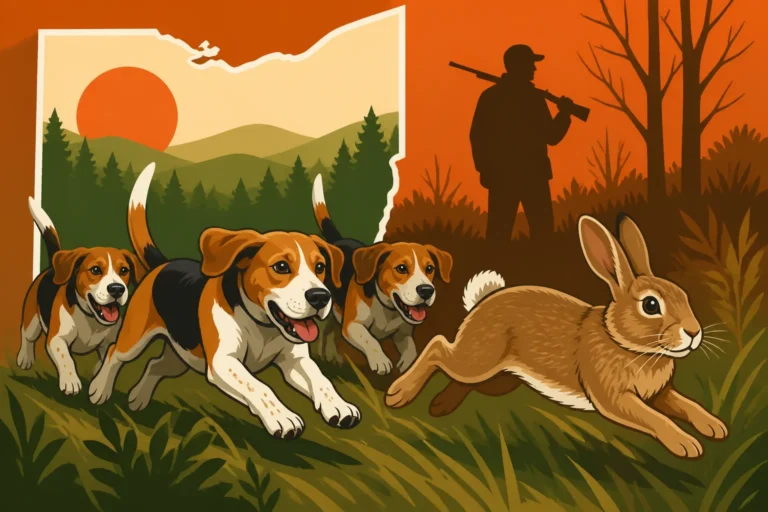
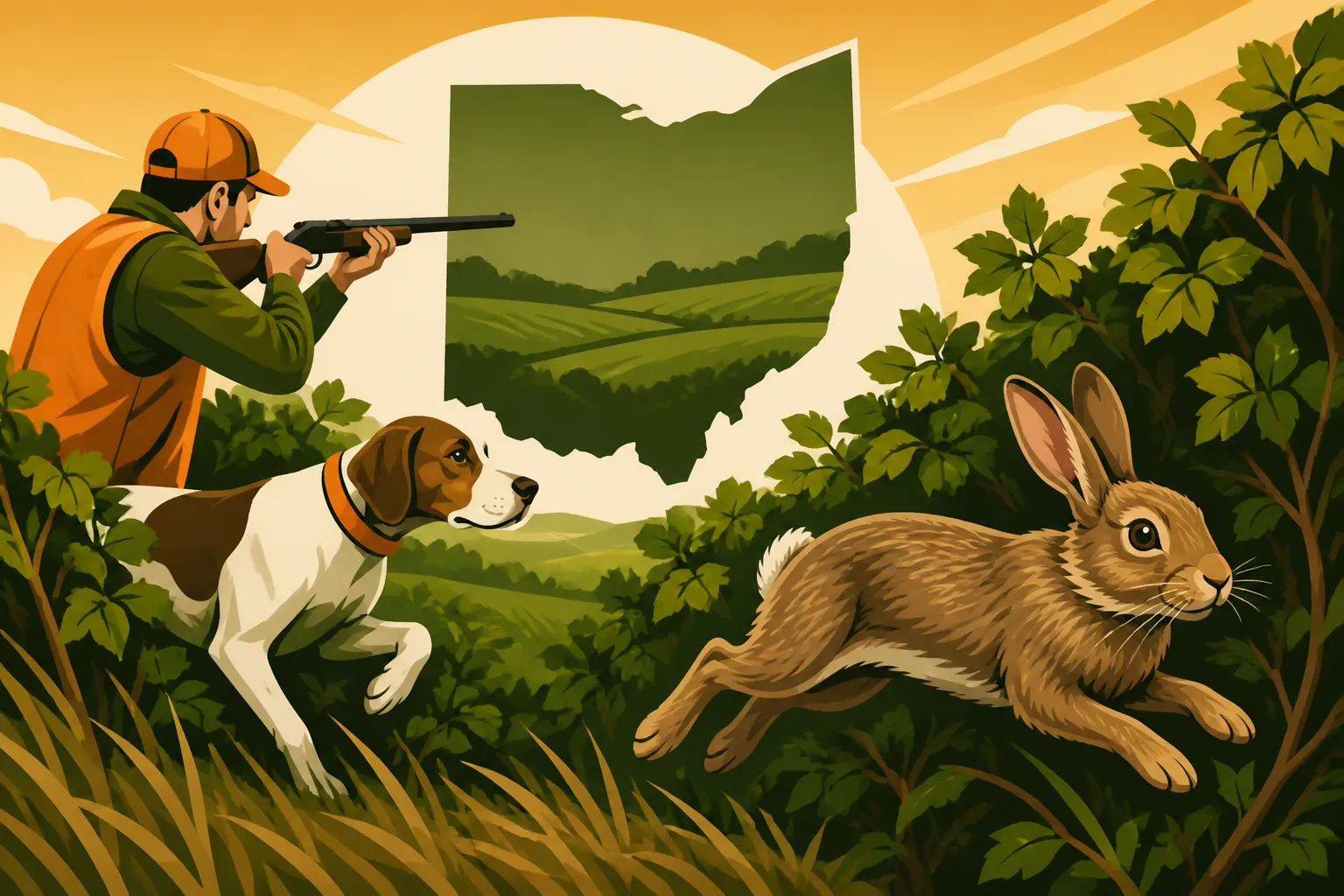
While you can hunt rabbits without a dog, the experience is undeniably elevated, and often far more successful, with a good beagle. Beagles are born to chase rabbits, and their enthusiasm is infectious. Their keen noses and tireless drive are perfectly suited for rooting out cottontails from the densest cover.
A well-trained beagle or a pack of beagles will make all the difference. They'll dive into briar patches that you wouldn't dare enter, yipping and baying as they pick up a rabbit's scent. The sound of a beagle on a hot trail is one of the most exciting things a small game hunter can hear. They'll typically push the rabbit in a big circle, often bringing it right back past the point where it was jumped, giving you a second (or third!) opportunity for a shot. For hunters with dogs, a GPS collar is almost a necessity in thick cover or on larger properties to keep track of your hounds. Brands like Garmin offer excellent GPS tracking collars that integrate with handheld units or smartphone apps, allowing you to see your dog's location in real-time, even when they're out of sight and hearing. When scouting potential hunting spots, using mapping tools like GoHunt can help you identify public hunting areas or private land parcels where you might seek permission, allowing you to plan your dog's run effectively. For a deeper dive into hunting with hounds, our article on Running Beagles on Ohio Cottontails is a must-read.
Tactics for Flushing and Bagging Fencerow Rabbits
Hunting rabbits in Ohio fencerows is an active, engaging pursuit. It requires strategy, persistence, and a good understanding of how these elusive little creatures behave. Whether you're hunting solo, with a buddy, or with a pack of beagles, having a game plan is crucial.
Walking Strategies for Solo Hunters and Small Groups
If you're hunting rabbits by yourself or with just one or two partners, you become the primary "flushing machine." This means you need to be deliberate and thorough in how you work the fencerows. Don't just stroll along the edge; that's too easy for a rabbit to slip away unseen. Instead, think like a rabbit and try to anticipate where they'll be hiding.
Start by walking into the thickest cover you can reasonably penetrate. Push through the briars, kick every brush pile, and step over every fallen log. Rabbits will often hold tight, hoping you'll walk right past them. A slow, zig-zag pattern through the densest parts of the fencerow is often most effective. If you're with a partner, one person can walk through the center of the fencerow, while the other walks slightly ahead on the outside edge, ready to shoot when a rabbit bolts. The person on the outside edge might also serve as a blocker, preventing rabbits from simply running down the fencerow and escaping. Remember that rabbits like to run towards the densest cover or known escape routes, so position yourselves accordingly. Don't be afraid to make noise; stomp your feet, shake the bushes – the goal is to make the rabbit decide it's safer to run than to hide.
Maximizing the Advantage of Beagles
Hunting with beagles transforms rabbit hunting from a push-and-flush operation into a dynamic, musical chase. The dogs do the heavy lifting of finding and pushing the rabbits, while your job becomes listening, anticipating, and positioning for the shot. It's a truly classic Ohio Small Game and Upland Bird Seasons experience.
When your beagles hit a trail, their excited barks and baying will tell you exactly where they are and, generally, in which direction the rabbit is moving. Rabbits typically run in large circles when pursued by dogs, often returning to the general area where they were jumped. This is where your understanding of the fencerow comes in. Listen to the dogs' calls; when they start turning, anticipate where the rabbit might cross an opening or loop back. Position yourself on a stand that offers good visibility along the fencerow or a crossing point. It's crucial to stand still and stay quiet once the chase is on. Any sudden movement or noise from you could spook the rabbit and send it off in an unexpected direction, breaking the dog's trail or pushing it away from your shooting lane. Let the dogs work, and be ready when the rabbit inevitably presents a shot. Don't rush your shots; wait for a clear, safe opportunity.
Dealing with Tough Cover and Escape Routes
Ohio fencerows, bless their wildlife-rich hearts, are often choked with truly nasty stuff: multiflora rose, honeysuckle, osage orange, and thick, tangled grapevines. These aren't just minor inconveniences; they're fortresses that rabbits rely on for survival, and they present significant challenges to hunters.
When you encounter these impenetrable thickets, you have a few options. If you have dogs, let them do what they do best – they'll often go right through it. If you're hunting without dogs, you might need to get creative. Sometimes, standing on a slightly elevated position and having a partner actively beat the brush can work. Another tactic is to slowly circle the thicket, looking for any subtle openings or rabbit runs. Rabbits will almost always have a few established escape routes, whether it's a small tunnel through the briars, a hole under a tree, or a path leading to an adjacent woodlot. Learn to "read" the cover and identify these likely escape routes. You might position a shooter at the end of a particularly dense section, while another hunter systematically pushes through. Always be mindful of safety, especially when pushing dense cover with multiple hunters. For more detailed advice on shotgun handling in tight spots, consider our guide on Choke Choice for Fast Rabbit Flushes.
Accessing and Respecting Ohio Fencerows
One of the biggest hurdles for any hunter in Ohio, especially those targeting small game on prime agricultural land, is securing access. Fencerows are predominantly found on private property, meaning that knocking on doors and building relationships with landowners is often key to unlocking the best hunting spots.
The Importance of Private Land Permission
Ohio is a state dominated by private land, particularly in the prime agricultural regions where fencerows are most abundant. This means that if you want to hunt those tangled lines of cover that crisscross corn and bean fields, you'll almost certainly need permission. Trying to hunt without it is not only illegal but also disrespectful and severely damages the reputation of all hunters.
The best approach is to start early, well before the season opens. Identify farms with good-looking fencerows or woodlots connected by prime rabbit habitat. Then, respectfully approach the landowner. Dress neatly, introduce yourself, and clearly state your intentions. Offer to share some of your harvest, or even better, offer to help with some chores around the farm. Sometimes, just offering to help clean up fence lines or assist with small tasks can go a long way. Building a genuine relationship based on trust and respect is paramount. Remember, you're not just asking to hunt for a day; you're hoping to establish a long-term connection. For comprehensive tips on this vital topic, refer to our detailed article on Asking an Ohio Farmer for Permission.
Identifying Productive Public Land Fencerows
While much of Ohio's best fencerow habitat is on private land, that doesn't mean public land is entirely devoid of opportunities. Many of Ohio's wildlife areas and state forests contain agricultural components or borders with private farms, creating valuable edge habitat that includes fencerows. You just have to know how to find them.
Start by utilizing resources like the ODNR's Using the Ohio HuntFish App. This app is a fantastic tool that overlays public and private land boundaries, allowing you to identify wildlife areas or state forests that feature suitable rabbit habitat. Look for areas that border agricultural fields, old pastures, or clear-cuts that are starting to grow back thick. These transition zones often develop the dense, low-growing cover that rabbits adore. While tools like GoHunt are excellent for general mapping and property boundary identification, the official state app will usually have the most up-to-date public land boundaries and regulations specific to Ohio. Another good strategy is to physically scout these public areas Scouting Ohio Public Land Before Season. Walk the edges, look for signs of rabbit activity (droppings, tracks in soft ground, clipped vegetation), and note the density of cover. Pay particular attention to areas that are a bit further from main parking lots, as these often receive less pressure.
Ethical Hunting and Land Stewardship
As hunters, we are stewards of the land and its wildlife. Our actions reflect not only on ourselves but on the entire hunting community. When hunting fencerows, especially on private land, ethical conduct and land stewardship are non-negotiable.
Always respect the landowner's property. Stick to agreed-upon areas, close gates, don't drive across crops or muddy fields, and pack out everything you pack in. Leave no trace of your presence other than tracks in the mud. Properly field dress your rabbits and dispose of gut piles discreetly, away from homes or common walking paths. Adhere to all Ohio Small Game and Upland Bird Seasons regulations regarding bag limits, season dates, and legal hunting hours. Be mindful of your surroundings, ensuring safe shooting lanes, especially if farm buildings or livestock are nearby. If you take a rabbit that runs onto neighboring property, you must seek permission before retrieving it, even if you know where it fell. Being a responsible hunter and a good guest helps maintain access for everyone. Education is key, and if you're new to hunting, ensuring you meet Ohio Hunter Education Requirements is crucial for safe and ethical practices.
Late Season Considerations for Rabbit Hunters
The late season, typically from late November through February in Ohio, offers some of the best rabbit hunting opportunities. With most deer seasons closed, many hunters hang up their gear, leaving public lands and cooperative private properties less pressured. However, late-season hunting also brings its own set of challenges and considerations.
Hunting in Snow and Cold Conditions
Snow can be both a blessing and a curse for rabbit hunters. On the blessing side, fresh snow makes rabbit tracks incredibly easy to spot. You can see exactly where they're entering and exiting cover, where they're feeding, and where they might be bedding down. Following a fresh trail in the snow can lead you directly to a rabbit's hiding spot, making it easier to flush them. The crisp air and quiet crunch of snow underfoot also add a special magic to a winter hunt.
However, extreme cold and deep snow also pose challenges. Rabbits will hunker down even tighter in their cover to conserve energy, making them harder to push out. Dogs might tire more quickly in deep snow, and their paws can suffer from ice and crust. For hunters, staying warm and dry is paramount. Layers are your best friend, as you'll be exerting yourself but then standing still. Insulated, waterproof boots and durable Boots for Walking Ohio Farm Country are a must, along with warm gloves and a hat. Be prepared for shorter hunting days, as both you and your dogs will likely have less stamina in frigid conditions. Always carry extra water, even in cold weather, and high-energy snacks.
Post-Deer Season Opportunities
For many Ohio hunters, the end of deer gun season marks the end of their hunting year. But for those of us who love chasing small game, the close of deer season opens up a fantastic window for rabbit hunting. The woods and fields feel different – quieter, less crowded.
This post-deer season period, particularly through January and February, is prime time for rabbit hunting. Deer hunters have moved on, and you'll often have prime public land all to yourself. The vegetation has died back significantly, reducing the available cover for rabbits and concentrating them in the densest fencerows, brush piles, and briar thickets. This makes them easier to locate and push out. Plus, it's a great way to stay active outdoors, keep your hunting skills sharp, and put some delicious wild game on the table during the colder months. It allows you to continue exploring Ohio State Forest Hunting or Ohio Wildlife Areas without the intense pressure of deer season.
Ohio Rabbit Season Dates and Bag Limits
Understanding the specific dates and bag limits is essential for responsible and legal hunting. While exact dates can shift slightly year to year, Ohio generally offers a generous small game season that extends well into winter. Always check the current Ohio Department of Natural Resources (ODNR) hunting regulations pamphlet or website before heading afield, as these details are subject to change.
Here’s a general overview to give you an idea of what to expect for rabbit season in Ohio:
| Season Phase | Typical Start Date | Typical End Date | Bag Limit (Daily) | Possession Limit |
|---|---|---|---|---|
| Regular Season | Early November | Late February | 4 Rabbits | 8 Rabbits |
| Youth Season | Late October | Early November | 4 Rabbits | 8 Rabbits |
Note: The Youth Season typically occurs a week or two before the regular statewide small game opener, offering young hunters an exclusive opportunity.
These limits are designed to ensure sustainable rabbit populations. Respecting these rules is critical for the future of Ohio Rabbit Numbers Today and the sport.
Beyond the Hunt: Care and Preparation
The hunt itself is only half the experience. The other half lies in properly caring for your harvest and preparing it for the table. Rabbit meat is lean, flavorful, and incredibly versatile, making it a fantastic wild game option.
Field Dressing Your Harvest
Once you've successfully harvested a rabbit, proper field dressing is crucial for preserving the quality of the meat. Rabbits are small, so they cool down quickly, but removing the entrails promptly helps prevent spoilage, especially if you're hunting on a milder late-fall day.
The process is straightforward: using a sharp knife, make an incision through the hide and belly from the sternum to the pelvis. Be careful not to puncture the intestines. Then, reach in and remove all the internal organs. You might need to sever the connections to the anus and esophagus. Many hunters also choose to remove the head and feet in the field to reduce weight and bulk. Some hunters prefer to wear gloves for hygiene, which is always a good idea. Once field dressed, find a cool, shaded spot to hang the rabbit if you're not heading straight home, allowing it to cool down further. Carrying a game bag, especially one made of breathable material, can help protect the meat from flies and dirt while allowing air circulation.
Delicious Rabbit Recipes for the Table
Rabbit meat is often compared to chicken, but with a richer, slightly gamey flavor. It's incredibly lean and takes well to a variety of cooking methods, from frying and roasting to stewing and braising. Don't let your hard-earned harvest go to waste!
One of the most classic and delicious ways to prepare rabbit is fried rabbit. After skinning and butchering the rabbit into manageable pieces (legs, saddle, shoulders), simply dredge them in seasoned flour, then pan-fry until golden brown and cooked through. Serve with mashed potatoes and gravy for a truly comforting meal. For something heartier, rabbit stew is fantastic on a cold winter day. Brown the rabbit pieces, then simmer them slowly with root vegetables like carrots, potatoes, and onions in a savory broth until the meat is fork-tender. This method is especially forgiving and turns even older, tougher rabbits into a tender, flavorful dish. You can also roast rabbit whole (if it's a smaller one) or in pieces, marinating it beforehand to add moisture and flavor. Don't be afraid to experiment with different herbs and spices – rabbit pairs wonderfully with rosemary, thyme, garlic, and even a splash of white wine.
Disclaimer
Please note that hunting regulations, season dates, and license requirements in Ohio can change. Always consult the most current Ohio Department of Natural Resources (ODNR) official hunting regulations for up-to-date and accurate information before planning your hunt. The information provided in this guide is for general informational purposes only and should not be considered a substitute for official legal guidance.