Ohio State Forest Hunting
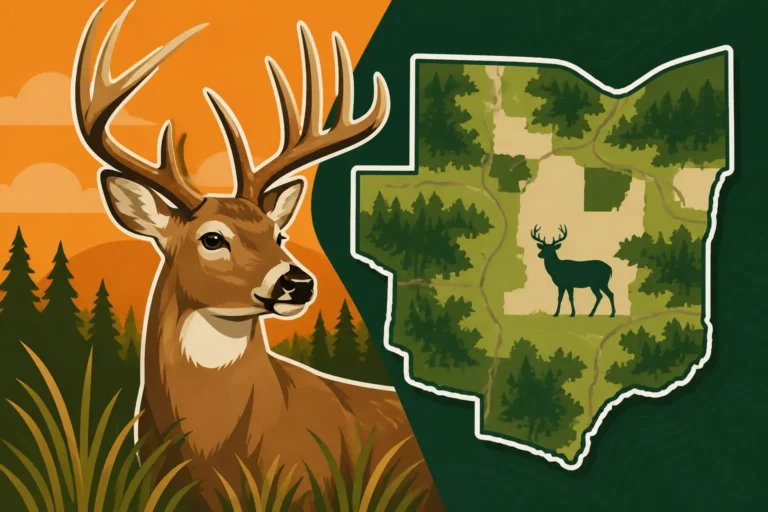
Finding good public hunting land in Ohio can feel like cracking a secret code, especially with so many hunters vying for limited accessible spots. It's a real challenge to differentiate between state forests, wildlife areas, and other public tracts, and then figure out which ones actually offer decent hunting opportunities without being overrun. This comprehensive guide will cut through the confusion, offering deep insights into Ohio's State Forests, how they differ from other public lands, what to expect, and practical strategies to successfully hunt deer, turkey, and small game within their boundaries.
Understanding Ohio's State Forests for Hunting
When you're trying to figure out where to hunt in Ohio, the term "public land" can feel a bit vague. It encompasses a lot of different types of properties, each with its own set of rules, management priorities, and terrain features. Ohio's State Forests are a crucial part of this public land mosaic, offering vast, often rugged, and primarily forested landscapes that present a unique set of challenges and rewards for the dedicated hunter. Unlike some other public lands, state forests are generally managed with timber production, recreation, and wildlife habitat as primary goals, often resulting in a more diverse and mature forest environment.
These forests are typically spread across the more rugged, unglaciated regions of Ohio, particularly in the southeastern Appalachian foothills. Think rolling hills, steep ravines, dense timber, and winding creek bottoms – a stark contrast to the flat farmlands of northwestern Ohio. This topography often means less direct competition from other hunters, especially if you're willing to put in the legwork to get away from easy access points. However, it also demands better physical conditioning and careful planning for navigation and game recovery. Understanding these fundamental characteristics is the first step to unlocking their potential. Public Hunting Land in Ohio provides a broader overview of various public hunting opportunities across the state, but state forests offer a very specific experience.
Distinguishing State Forests from Wildlife Areas
It's easy to lump all public hunting land together, but Ohio's State Forests and Wildlife Areas serve different purposes and are managed differently, which directly impacts your hunting experience. Wildlife Areas, managed by the Ohio Department of Natural Resources (ODNR) Division of Wildlife, are primarily focused on wildlife habitat management and public recreation, with hunting often being the dominant activity. They frequently feature a mix of habitat types, including crop fields, wetlands, and early successional growth, designed to optimize conditions for various game species. You'll often find specific parking areas, designated trails, and sometimes even managed food plots.
State Forests, on the other hand, are managed by the ODNR Division of Forestry. While they absolutely provide critical wildlife habitat and offer hunting opportunities, their primary mission also includes sustainable timber harvesting, forest health, and other forms of recreation like hiking, horseback riding, and primitive camping. This means you might encounter logging operations, fire breaks, and more extensive trail systems designed for multiple uses. The habitat in state forests tends to be more contiguous blocks of mature timber, though logging activities create valuable early successional areas. The management differences lead to different hunting experiences; Wildlife Areas often concentrate game through habitat manipulation, while State Forests demand more traditional scouting and woodsmanship to find animals spread across vast, less-intensively managed landscapes.
Regulations and General Rules for State Forests
Hunting in Ohio's State Forests comes with specific rules and regulations that are important to know before you even set foot on the property. While the general statewide hunting regulations apply (licenses, bag limits, seasons, legal hunting hours), state forests often have additional, site-specific rules regarding access, camping, and stand placement. For instance, most state forests allow hunting during open seasons with the appropriate licenses and permits. You'll typically find that you can park in designated areas, or sometimes even pull off the side of unimproved forest roads, as long as you're not blocking gates or through traffic.
One common question revolves around treestands and ground blinds. In most Ohio State Forests, you are generally allowed to use portable treestands and ground blinds, but they must be clearly marked with your ODNR customer ID number or full name and address. Crucially, they cannot be placed more than 72 hours prior to the season's opening and must be removed within 24 hours after the season closes. Permanent stands, screw-in steps, or anything that damages the tree or land is strictly prohibited. Camping is often allowed in designated primitive campgrounds or sometimes by permit in dispersed sites, which can be a huge asset for multi-day hunts deep in the timber. Always check the specific State Forest's rules on the ODNR website or at the forest office, as regulations can vary slightly from one forest to another. Remember, being a responsible hunter includes knowing and abiding by all local and statewide rules.
Key State Forests and Their Hunting Opportunities
Ohio is home to a number of impressive state forests, each with its own character, terrain, and opportunities for hunters. While they all share the common thread of vast, public timberland, the nuances of their location, size, and management can dictate what kind of hunting experience you'll have. Knowing the standout features of a few key forests can help you narrow down your options and plan your adventure. From the rugged hills of the deep south to the more gentle slopes further north, there's a state forest to suit different hunting styles and target species.
The sheer scale of some of these forests allows for true solitude, a commodity often hard to find on more accessible public lands. This means you can truly immerse yourself in the hunt, feeling the quiet pulse of the woods without constant interruptions. However, that remoteness also requires a higher degree of self-reliance, good navigation skills, and the physical stamina to traverse challenging terrain. Planning ahead, researching specific tracts, and being prepared for anything are paramount to a successful and enjoyable hunt in these expansive woodlands.
Shawnee State Forest: Ohio's Little Smokies
Shawnee State Forest, often affectionately called "Ohio's Little Smokies," is arguably the crown jewel of public hunting land in the state. Located in Scioto and Adams counties in southernmost Ohio, it encompasses over 60,000 acres of incredibly rugged, steep, and heavily forested terrain. If you're looking for an immersive backcountry hunting experience, this is it. The forest is characterized by deep ravines, towering ridge lines, and mature hardwoods, primarily oaks and hickories, which are excellent food sources for deer and turkey. The sheer size means that if you're willing to hike a few miles, you can often leave other hunters behind and find untouched pockets of woods. Shawnee State Forest Hunting delves deeper into specific strategies for this challenging but rewarding area.
Deer hunting in Shawnee is known for its difficulty but also for the potential to harvest mature bucks that have grown old and wise in the unforgiving landscape. These deer often stick to the thickest cover on north-facing slopes, deep hollows, and remote ridge tops. Turkey hunting is also exceptional, with strong populations of birds utilizing the diverse timber. Small game, particularly squirrels, thrives in the abundant mast crops. The physical demands of Shawnee cannot be overstated; expect significant elevation changes and long walks. Hunters often find success by focusing on ridge-top saddles, benches, and creek bottoms that serve as travel corridors. Scouting before the season, even if just through online maps and aerial imagery, is critical here to understand the contours and plan your entry and exit routes.
Zaleski State Forest: A Deer and Turkey Haven
Zaleski State Forest, located in Vinton and Athens counties, offers another fantastic public hunting opportunity, albeit with slightly less extreme topography than Shawnee. Covering over 28,000 acres, Zaleski is renowned for its diverse forest management practices, which include timber harvesting that creates a mosaic of habitat from mature woods to thick, regenerating clear-cuts. This variety often translates into excellent habitat for deer, creating ideal bedding areas in the thick new growth and abundant food in the older timber. Zaleski State Forest Hunting provides even more detailed tactics for this productive forest.
Zaleski is a popular spot for both deer and turkey hunters. The varied landscape makes it a fantastic place for still-hunting or setting up ambushes along transition zones between different cover types. The forest also has a well-developed trail system, including a popular backpacking loop, which can provide access to deeper areas but also means you're more likely to encounter other users. For deer, look for areas where recent timber cuts meet mature oaks; these transition lines often funnel deer movement. For turkeys, the mix of open woods and thickets offers ideal roosting and feeding habitat. Hunters here also benefit from excellent mast crops during good acorn years, which tend to concentrate deer and squirrels.
Tar Hollow State Forest: Diverse Terrain and Game
Tar Hollow State Forest, situated in Ross, Hocking, and Vinton counties, is another significant public hunting destination in Ohio, encompassing over 16,000 acres. This forest offers a blend of rugged hills and more moderate terrain, providing a diverse experience for hunters. Like Zaleski, Tar Hollow is actively managed for timber, which creates excellent habitat diversity. The topography includes steep ravines and ridges, but also some gentler slopes, making it a bit more accessible for hunters who might not be up for the extreme challenges of Shawnee. You can often find a good balance of solitude and huntable terrain here. Tar Hollow State Forest Hunting offers more specific advice for navigating its varied landscape.
Deer and turkey are the primary draw for hunters in Tar Hollow. The mix of mature hardwoods, pine plantations, and regenerating timber provides excellent cover and food. Hunters often find success by scouting creek bottoms for travel corridors and ridge tops for feeding areas. The forest is also known for good squirrel populations, particularly in areas with abundant oak and hickory. Due to its varied terrain, you can adapt your hunting style from still-hunting the ridges to setting up on pinch points in the hollows. Pay close attention to recent logging activity; these areas, though sometimes messy to navigate, can be magnets for deer seeking browse and dense cover.
Other Notable State Forests for Hunters
Beyond the "big three," Ohio boasts several other state forests that offer valuable hunting opportunities, each with its own character. These often get less attention than the larger, more well-known areas, which can be an advantage for hunters seeking less pressure.
- Hocking State Forest: Located in Hocking County, adjacent to the famous Hocking Hills State Park, this forest covers over 9,000 acres. While parts of it are heavily trafficked by hikers, especially near the popular park attractions, other sections offer excellent deer and turkey hunting. Look for areas away from the main trails and parking lots. The rugged terrain here is iconic, with deep hemlock-filled gorges and sandstone cliffs creating unique habitat.
- Vinton Furnace State Forest: Spanning approximately 12,000 acres in Vinton County, Vinton Furnace is a research forest, but it is open to hunting. Its management practices often create a unique mix of habitat types. Hunters can find good deer and turkey populations here, often with less pressure than some of its larger neighbors. Access can be a bit more limited in certain areas, so good mapping and scouting are key.
- Pike State Forest: In Pike County, this forest offers over 6,000 acres of huntable ground. While smaller than Shawnee or Zaleski, it still provides quality deer and turkey opportunities in a hilly, predominantly forested landscape. It's often overlooked, making it a good option for those willing to explore.
- Brush Creek State Forest: Located in Scioto and Adams counties, adjacent to Shawnee, this forest adds another 12,000 acres of rugged Appalachian hunting. It shares many characteristics with Shawnee, offering steep terrain and mature hardwoods, and can be an excellent alternative if Shawnee feels too crowded on certain days.
- Blue Rock State Forest: Situated in Muskingum County, this forest covers over 4,500 acres. It offers a mix of forest types and rolling terrain, providing opportunities for deer, turkey, and small game. It's often a good choice for hunters in central Ohio looking for a closer public land option.
When choosing any of these, remember that the most successful hunts often come from detailed scouting and understanding the local terrain and how animals use it.
Navigating and Scouting State Forest Land
Navigating Ohio's State Forests can be a serious undertaking. We're not talking about flat, manicured park trails here. These are often vast, sometimes impenetrable tracts of land with significant elevation changes, dense undergrowth, and limited marked trails once you get off the main paths. The feeling of being truly lost is a real concern for many hunters, especially those new to large public timber. But with the right tools and strategies, you can turn this challenge into an advantage, finding those secluded pockets where game feels safe. Effective scouting is paramount, not just for finding animals, but for understanding the lay of the land, identifying potential hazards, and planning safe and efficient routes.
The dense canopy and rugged topography can sometimes make traditional map reading difficult, and even GPS signals can occasionally be spotty in deep ravines. This is where a combination of modern technology and old-school woodsmanship really shines. Knowing how to read a compass and a topo map is still an invaluable skill, even if you primarily rely on a smartphone app. It’s all about layering your knowledge and tools to create a robust understanding of the landscape. Without good navigation, even finding your way back to your vehicle after dark with a deer on the ground can become a major ordeal.
Using Maps and Technology (onX Hunt, GoHunt)
Modern mapping applications have revolutionized how hunters interact with public land, and they are absolutely essential for navigating Ohio's State Forests. Tools like onX Hunt and GoHunt provide a wealth of information at your fingertips, far beyond what a paper map can offer. These apps allow you to view satellite imagery, topographic maps, and crucially, property boundaries that clearly distinguish public land from private. This is vital in areas where state forest boundaries can be irregular or border multiple private landowners. Scouting Ohio Public Land Before Season emphasizes the importance of these tools.
Before you even leave home, you can "e-scout" a state forest using these apps. Look for subtle terrain features like benches on a ridge, saddles between two peaks, inside corners of clear-cuts, or natural funnels created by creek beds. You can mark potential stand locations, bedding areas, and water sources. When you're in the field, these apps allow you to track your movement, ensuring you know exactly where you are and how to get back. Downloading offline maps is critical, as cell service can be nonexistent in many of the deeper ravines and remote areas of state forests like Shawnee. Remember, while these apps are powerful, always carry a backup – a fully charged power bank for your phone, and ideally, a basic compass and a printed map. Reading Aerial Photos for Southeast Ohio Deer is another great resource for making the most of these digital tools.
Interpreting Topography and Habitat
Understanding topography is key to successful hunting in Ohio's State Forests. Deer and turkey are creatures of habit, and their movements are heavily influenced by the landscape. Ridgelines often serve as major travel corridors, especially during the rut, and saddles on these ridges act as natural pinch points where animals cross from one side to another. Benches – flat sections along a hillside – are prime spots for bedding or feeding, offering both security and vantage points. Creek bottoms and hollows often provide thermal cover in cold weather and act as travel routes, particularly when moving between food and bedding.
Beyond topography, interpreting habitat is crucial. Mature oak and hickory stands are goldmines for deer and squirrels during good mast years. Recent timber cuts, while initially looking like a mess, quickly become dense tangles of regenerating saplings and briars, creating impenetrable bedding areas and browse for deer. Identifying these different habitat types and understanding how they relate to the topography will help you predict where animals will be at different times of the day and throughout the season. Look for transitions – where a thick clear-cut meets open timber, or where a steep slope mellows out into a bench – as these "edge" areas are often high-traffic zones.
Identifying Key Game Sign
Once you're on the ground, learning to read the subtle language of game sign is paramount. It’s not just about spotting a deer, it’s about understanding where they’ve been, where they’re going, and what they’re doing. For deer, look for fresh tracks, especially along ridge lines, in creek bottoms, and where they cross logging roads. Pay attention to rubs – where bucks have scraped their antlers on small trees – and scrapes – disturbed ground where they urinate and deposit scent. A line of fresh rubs and scrapes often indicates a travel corridor or the presence of an active buck.
For turkeys, listen for gobblers on the roost at dawn, and look for scratchings in the leaves where they've been feeding on acorns or insects. Droppings and feather piles can also indicate roosting or feeding areas. Squirrels leave tell-tale cuttings of nut shells on logs or stumps, particularly under oak and hickory trees. Rabbit sign includes droppings and clipped vegetation in thick cover. The freshest sign is always the best indicator of current activity. Don't just look for a track; look for patterns of tracks, rubs, and droppings that tell a story about where animals are moving and why. This detective work is often the most rewarding part of scouting.
Species-Specific Hunting Strategies in State Forests
Hunting in Ohio's State Forests isn't a one-size-fits-all endeavor. The strategies you employ will largely depend on the game you're pursuing. The vastness and ruggedness of these forests, while challenging, also offer opportunities to hone specific skills tailored to each species. Whether you're chasing the elusive whitetail, calling in a spring gobbler, or filling your small game bag, adapting your approach to the animal's behavior and the unique forest environment is crucial for success. You might be still-hunting for deer one day and then covering miles for squirrels the next.
The beauty of state forests is their ability to accommodate a range of hunting styles, from the sedentary patience required for a treestand sit to the active pursuit of run-and-gun turkey hunting. However, the common thread is always knowing your quarry, understanding their habitat preferences within the forest, and being prepared for the physical demands the terrain will place on you. Don't be afraid to experiment and adjust your tactics based on the conditions and the animals' responses.
Whitetail Deer Tactics in Hardwood Forests
Hunting whitetail deer in Ohio's extensive hardwood state forests requires patience, keen observation, and often, a willingness to hike deep into the timber. Unlike farm country where deer patterns might revolve around crop fields, in these large forests, deer movements are primarily driven by topography, mast crops, and security cover. They live and die by the acorns, hickory nuts, and beechnuts, so locating abundant mast can be your golden ticket. Once you find a food source, look for the thickest cover nearby – deep hollows, regenerating clear-cuts, or dense pine stands – as these are likely bedding areas.
When considering a stand setup, think about natural funnels: saddles on ridges, pinch points between steep ravines, or benches along a hillside that deer use to travel more easily. Treestand Setups in Appalachian Ohio Hardwoods offers detailed guidance on effective placements. Still-hunting, moving slowly and deliberately through the woods, can also be incredibly effective, especially if you're targeting those deep-woods bucks that rarely move in the open. Still-Hunting Shawnee State Forest Ridges provides insight into this tactic. Pay attention to wind direction and thermals, especially in the hilly terrain where air currents can be unpredictable. Early mornings and late evenings often see thermals pulling air up or down slopes, which can carry your scent directly to unsuspecting deer.
Spring Turkey Hunting in Rugged Terrain
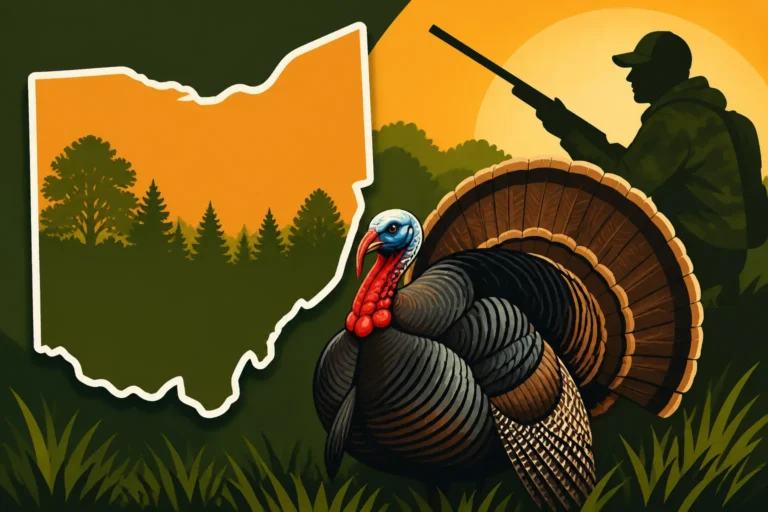
Spring turkey hunting in Ohio's State Forests is an exhilarating experience, often demanding physical stamina and skilled calling. The rugged terrain means you'll be doing a lot of climbing, and sometimes, a lot of running to get ahead of a gobbler. Turkeys thrive in these hardwood forests, utilizing the open understory for strutting and feeding, and the tall trees for roosting. Your strategy should revolve around locating roosted birds at dawn, then moving in as close as possible without being detected before making your first calls. Spring Turkey Hunting in Ohio offers a great overview for the state.
Setting up quickly against a large tree with good back cover is critical, as gobblers have incredible eyesight. Decoy use can be effective, especially if you can place them where the gobbler will see them from a distance. However, in thick timber, sometimes decoys are more of a hindrance than a help. Often, a run-and-gun approach, moving and calling every 100-200 yards until you strike a bird, is necessary in these big woods environments. Focus your calling on compelling a gobbler to come to you, mimicking hens looking for a mate. Be prepared for a long haul, as turkeys in state forests can be notoriously wary and cover a lot of ground. Don't be afraid to move if a bird hangs up or goes silent; sometimes a different setup or a new angle is all it takes.
Small Game Opportunities (Squirrels and Rabbits)
While deer and turkey often steal the spotlight, Ohio's State Forests offer fantastic opportunities for small game hunting, particularly squirrels and, in areas with suitable cover, rabbits. Squirrel hunting is a wonderful way to introduce new hunters to the woods, sharpen your shooting skills, and enjoy a delicious meal. The abundant oak and hickory trees found throughout most state forests mean strong squirrel populations in good mast years. Squirrel Hunting Ohio Hardwoods details specific tactics for targeting these bushy-tailed critters.
For squirrels, focus your efforts on ridge tops and slopes with mature hardwood stands, especially where there's a strong concentration of acorn-producing oaks and nut-bearing hickories. Look for cuttings – the chewed fragments of nuts left behind by feeding squirrels – on logs, stumps, or along branches. Early season, when leaves are still on the trees, requires careful spotting as squirrels move through the canopy. Later in the season, when leaves have fallen, it's easier to spot them, but they become more cautious. Still-hunting slowly and pausing frequently to listen and scan the trees is often the most effective method. For rabbits, look for briar patches, honeysuckle thickets, and dense brushy areas, often on the edges of clearings or along old logging roads. These thickets provide both food and cover for cottontails.
Seasonal Considerations and Best Practices
The changing seasons in Ohio dramatically influence hunting in the state forests. What works in early archery season won't necessarily work during the late gun season, and vice versa. The landscape transforms, food sources shift, and animal behavior changes, requiring hunters to constantly adapt their strategies. Understanding these seasonal nuances isn't just about knowing when the legal hunting dates are; it's about understanding the biological and ecological factors that drive game movement and patterns throughout the year.
From the lush green canopy of early fall to the stark, frozen landscape of mid-winter, each period presents its own set of advantages and challenges. The most successful hunters are those who are keenly aware of these changes and adjust their tactics accordingly. This includes everything from where you scout and place your stands to the clothing you wear and the calls you use. Ignoring seasonal patterns means you're likely hunting ghost woods, chasing animals that simply aren't in the areas you expect them to be.
Early Season Scouting and Stand Placement
The early archery season in Ohio, typically kicking off in late September and extending into October, finds the state forests in their lush, green glory. This time of year, deer are still largely on summer patterns, focused on reliable food sources and relatively predictable movements between bedding and feeding. The dense foliage offers incredible cover, making visual scouting difficult but also allowing hunters to get closer without being detected. This is a prime time to focus on acorns, especially white oak varieties, which drop earlier and are highly preferred. Locate the most active feeding areas, and then identify nearby bedding thickets.
Stand placement in the early season should prioritize proximity to these food sources and the travel routes connecting them to cover. Since bucks are not yet thinking about breeding, they are often in bachelor groups or solo, and their movements can be very consistent. Consider how the prevailing winds will affect your approach and scent dispersal, especially with dense foliage. If possible, scout before the leaves fully drop, identifying rubs and scrapes that indicate buck activity. However, be cautious not to over-pressurize an area during your scouting, as deer are still relatively unpressured at this time. Focus on entry and exit routes that are quiet and concealed.
Hunting the Rut in State Forests
The rut in Ohio, typically peaking in early to mid-November, is arguably the most exciting and dynamic time to hunt deer in the state forests. During this period, bucks become much more active during daylight hours, abandoning their predictable feeding-bedding routines in favor of seeking out receptive does. This behavior makes them more vulnerable, but also less predictable in their movements. You might see a buck chasing a doe through an area where you've never seen deer before, driven purely by the urge to breed. Hunting the Ohio Rut in Early November delves into strategies for this peak period.
Tactics during the rut should shift from purely food-focused to cover- and travel-focused. Set up stands in high-traffic corridors where does frequently move, or on ridge-top saddles and pinch points that funnel buck movement. You'll want to be in areas that offer good visibility but also provide enough cover to break up your silhouette. Calling, such as grunting and rattling, can be highly effective during the rut, as bucks are actively looking for other deer. Be aggressive, but also patient. All-day sits become more productive during this time, as bucks can be on their feet at any hour searching for does. The key is to be present in areas where does are likely to be, as the bucks will follow.
Late Season Food Sources and Thermal Cover
As Ohio's hunting seasons push into late November, December, and January, the state forests undergo a dramatic transformation. Leaves have fallen, temperatures plummet, and natural food sources become scarce. Deer shift their priorities to finding any available calories and seeking thermal cover to escape the cold winds and snow. This makes late-season hunting a completely different ballgame, demanding a shift in strategy. Hunters who can identify these crucial late-season resources will find success even when others have packed it in.
Focus your efforts on identifying persistent food sources. While acorns might be long gone, certain mast trees like standing beechnuts can still provide sustenance. More importantly, look for honeysuckle, green briar, and other evergreen browse that stays palatable through the winter. Regenerating clear-cuts are not only great bedding cover but also offer a significant amount of browse. Additionally, south-facing slopes, which receive more direct sunlight, often melt snow faster and provide slightly warmer bedding and feeding areas. Thick conifer stands (pine, hemlock) offer invaluable thermal cover, protecting deer from harsh winds and heavy snow. Hunting the transition lines between these thermal cover areas and any remaining food sources can be highly productive. Longer sits, with appropriate cold-weather gear, are often necessary, as deer may only move during the warmest parts of the day.
Respecting the Resource and Other Users
Hunting in Ohio's State Forests isn't just about bagging game; it's about being a responsible steward of the land and a respectful participant in the shared outdoor experience. These public lands are a precious resource, enjoyed by hunters, hikers, birdwatchers, campers, and equestrians alike. Every hunter has a responsibility to ensure these areas remain pristine, safe, and accessible for future generations and diverse user groups. Ignoring these principles not only detracts from your own experience but can lead to negative perceptions of hunters as a whole and potentially even jeopardize public land access.
It often feels like an uphill battle to keep public lands open and respected when there are so many different interests at play. But by consciously practicing ethical behavior, adhering to all regulations, and showing courtesy to everyone you encounter, you contribute to a positive narrative for hunting. It's about leading by example and understanding that your actions reflect on the entire hunting community.
Leave No Trace Principles
Practicing Leave No Trace principles is fundamental for any outdoor enthusiast, especially hunters utilizing public lands like Ohio's State Forests. This means minimizing your impact on the environment and leaving it in the same or better condition than you found it. For hunters, this translates to several key practices. First, pack out everything you pack in, and then some. This includes all wrappers, spent casings, and any other trash you might generate. Never leave gut piles near trails or water sources where they could be unsightly or pose an issue for other users.
When placing treestands or ground blinds, ensure they are portable and don't damage trees. Avoid cutting branches or vegetation unnecessarily. If you use flagging tape to mark a trail, use a minimal amount and remove it when your hunt is over. Be mindful of scent control not just for the hunt, but for the environment; avoid leaving strong human odors or waste. When dressing game, dispose of offal far from trails, campsites, and water. By adopting a "leave no trace" mindset, you help preserve the natural beauty and ecological integrity of the state forests for wildlife and for all who enjoy them.
Sharing the Woods with Other Recreationists
Ohio's State Forests are multi-use areas, meaning hunters will inevitably encounter hikers, mountain bikers, horseback riders, campers, and other nature enthusiasts. It's crucial to approach these encounters with courtesy and respect. Remember, everyone has a right to enjoy these public lands. Being considerate not only promotes positive interactions but also helps maintain a good image for hunters. A simple wave, a friendly "hello," or even a brief conversation can go a long way in building rapport.
During hunting seasons, especially gun seasons, wear your required blaze orange or pink to ensure you're highly visible to others, whether they are hunters or not. Be aware of your surroundings and the presence of non-hunters, especially near designated trails or camping areas. Avoid setting up stands or actively hunting directly on heavily used trails. If you encounter someone, consider taking a moment to explain what you're doing (if appropriate and they seem curious) or simply offer a friendly greeting. Avoiding conflicts and demonstrating responsible behavior helps ensure continued access for hunting. Ohio Blaze Orange Requirements outlines the specific visibility rules.
Public Land Ethics and Safety
Adhering to public land ethics and safety protocols is non-negotiable for hunters in Ohio's State Forests. Ethics involve a deep respect for the animals you pursue, the land, and your fellow humans. This includes knowing and following all hunting regulations, striving for clean, ethical kills, and properly recovering and utilizing any game you harvest. Never shoot an animal you cannot identify or are not confident you can recover. Beyond the law, ethical hunting is about making responsible choices even when no one is watching.
Safety is paramount, especially in rugged state forest terrain. Always tell someone where you're going and when you expect to return. Carry a fully charged phone (with a power bank), a first aid kit, and essential navigation tools. Wear appropriate clothing for the weather, including layers and sturdy hiking boots. Be mindful of tree stand safety, always using a full-body harness and lifeline. Handle firearms and archery equipment safely and responsibly at all times. Be aware of your surroundings – other hunters, non-hunters, and natural hazards like steep drops or venomous snakes. Taking an Ohio Hunter Education course is mandatory for many, but even experienced hunters can benefit from refreshing their knowledge on safety. Ohio Hunter Education Requirements covers this in detail.
Common Challenges and How to Overcome Them
Hunting in Ohio's State Forests is a rewarding endeavor, but it's not without its specific set of challenges. The very things that make these areas attractive – vastness, ruggedness, and natural beauty – can also present significant hurdles for hunters. From dealing with other people to the physical demands of the terrain and the unpredictable nature of wildlife, you'll likely face situations that test your patience, skills, and even your resolve. Acknowledging these difficulties upfront and having strategies to overcome them is key to turning potential frustrations into successful outings.
Many hunters give up on public land because these challenges seem insurmountable. But often, the solution lies in preparation, persistence, and a willingness to adapt. Understanding that every public land hunter faces similar issues can also provide a sense of solidarity and motivate you to keep pushing when the going gets tough. Don't let perceived obstacles deter you; instead, see them as opportunities to grow as a hunter and deepen your connection with the wilder side of Ohio.
Dealing with Hunting Pressure
One of the most persistent frustrations on any public land, including Ohio's State Forests, is hunting pressure. On opening day of gun season, popular parking lots can be full, and you might feel like you're competing with dozens of other hunters. While state forests offer more space than some other public lands, highly accessible areas can still see significant traffic. This pressure can make deer more nocturnal, push them into thicker cover, or simply move them out of an area entirely.
The best strategy for dealing with hunting pressure is to go where others won't. This often means hiking deeper into the forest, away from roads, easy trails, and well-known parking areas. Use your mapping apps (onX Hunt, GoHunt) to identify remote pockets of public land that are a mile or more from the nearest access point. Look for difficult terrain – steep ravines, dense briar patches, or areas with thick pine stands – as these are places many hunters avoid. Also, consider hunting during weekdays, in inclement weather (within safe limits), or during less popular seasons (like late archery or muzzleloader) when pressure is generally lighter. Finding Ground Others Walk Past offers more tips on this. The reward for extra effort is often solitude and unpressured game.
Steep Terrain and Game Recovery
The rugged, steep terrain that defines many of Ohio's State Forests, particularly in the southeastern region, presents a significant challenge when it comes to game recovery. Dragging a mature deer out of a deep ravine or up a steep ridge can be an incredibly arduous task, even for the most physically fit hunters. This reality can lead to hunters abandoning deer or risking injury trying to retrieve them. The difficulty of extraction is a major consideration that needs to be factored into your hunting strategy before you even take a shot.
To mitigate this challenge, first and foremost, consider your shot placement carefully. Aim for ethical, quick kills that minimize the tracking distance. If you do make a kill, take a moment to evaluate the recovery route. Is there a gentler slope nearby? Can you get a game cart or sled to the animal? Sometimes, it's easier to field dress the animal in place and quarter it out, packing the meat out in a frame pack. Always carry a good field dressing kit, sturdy rope, and a headlamp for after-dark recovery. If you're hunting alone, consider recruiting a friend to join you, or at least be on standby, especially if you plan to hunt deep in challenging terrain. Dragging a Deer Off a Steep Ridge provides essential strategies for this difficult task.
Weather Extremes and Preparation
Ohio's weather can be notoriously fickle, swinging from mild autumn days to bitter cold, heavy rain, or even significant snow in a matter of hours. Hunting in state forests, often far from immediate shelter, means you must be prepared for whatever Mother Nature throws at you. Getting caught unprepared in severe weather can not only ruin a hunt but can also become a dangerous situation, especially in remote areas. Validation of this frustration is easy; we've all been shivering in a stand, wishing we'd brought that extra layer.
Preparation is key. Always check the forecast thoroughly before heading out, but also be ready for unexpected changes. Layer your clothing so you can add or shed garments as conditions change; wool and synthetics are far superior to cotton in wet, cold weather. Pack waterproof outer layers, even if rain isn't in the forecast. Insulated, waterproof boots are essential for traversing muddy or snowy terrain. Carry hand and foot warmers for prolonged sits in cold weather. A thermos of hot coffee or soup can be a morale booster and a lifesaver. Ensure your gear (firearms, optics) is protected from moisture. Most importantly, know your limits and don't hesitate to cut a hunt short if conditions become unsafe. Your safety and well-being are always more important than bagging game.
Disclaimer
This article is for general informational purposes only and does not constitute professional advice. Laws, prices and regulations vary by location and change over time. Consult a qualified professional for guidance on your specific situation.