Running Beagles on Ohio Cottontails
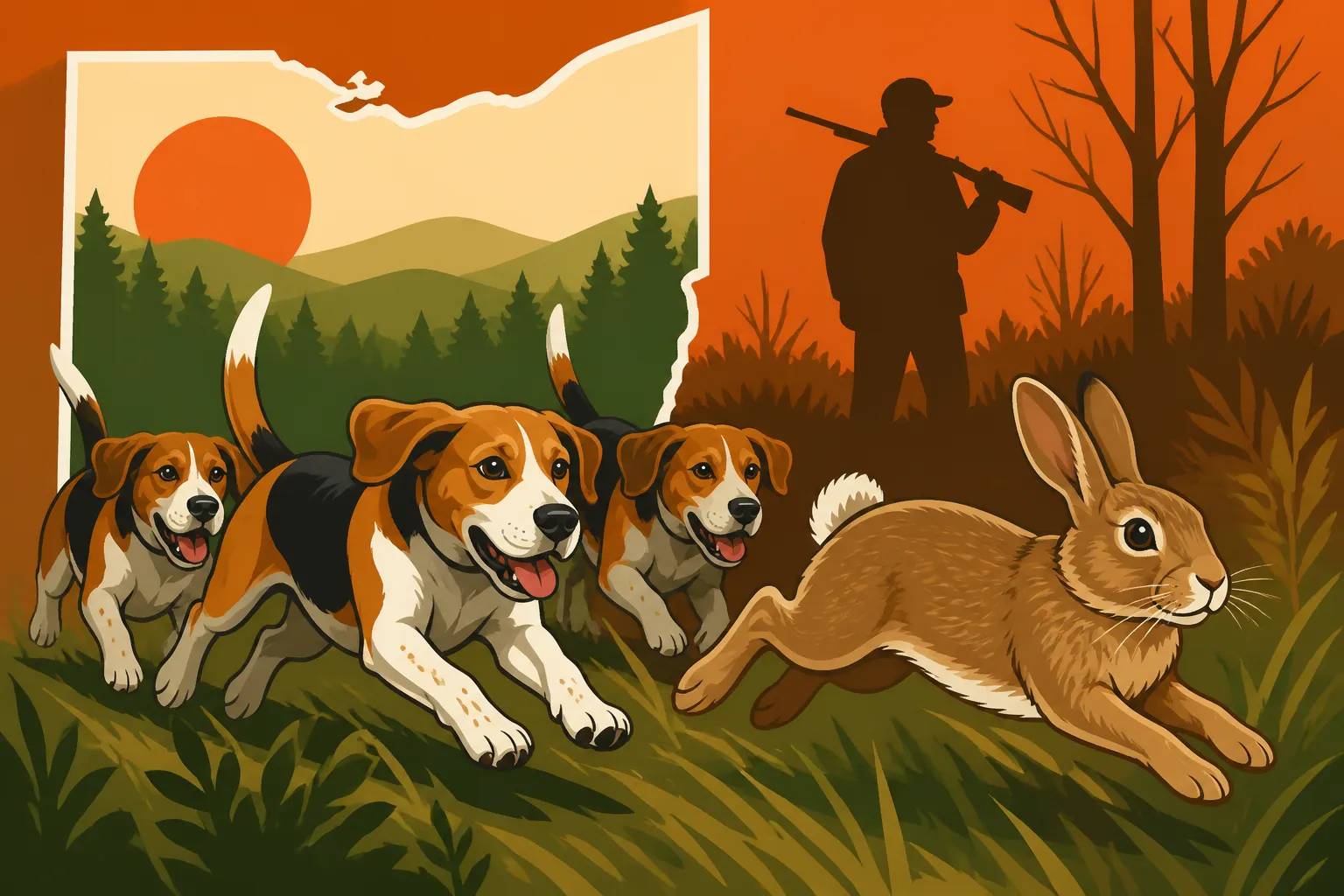
There’s nothing quite like the sound of a beagle choir in full cry, echoing through the crisp Ohio air, as they work a rabbit track. For many of us, the winter months, after deer season wraps up, turn our thoughts to these tenacious hounds and the wily cottontails they pursue. If you’ve ever felt the frustration of trying to jump a rabbit in thick cover or just wanted to experience a more traditional, engaging hunt, then letting a good pack of beagles do what they do best might be exactly what you need. This guide will walk you through everything from the timeless appeal of the sport to the practicalities of gear, tactics, and keeping your furry hunting partners in top shape for the Ohio brush.
The Enduring Appeal of Running Beagles for Ohio Cottontails
There's something deeply ingrained in the hunting tradition, especially in states like Ohio, about following a pack of beagles. It's less about the kill and more about the chase, the symphony of barks, and the sheer joy of watching these dedicated hounds work. For many, it's a nostalgic trip back to simpler times, a connection to generations of hunters who enjoyed the same thrilling pursuit.
Why the Beagle-Cottontail Connection Endures
The beagle was quite literally bred for this. Their incredible sense of smell, their relentless tracking ability, and that distinctive baying voice are all perfectly suited for rooting out rabbits from the thickest cover. A cottontail, despite its speed, often runs in circles when pursued by a dog, instinctively trying to return to its home territory. This natural behavior plays directly into the beagle's strengths, allowing them to patiently unravel the scent trail, pushing the rabbit back towards the hunters. It's a dance as old as time, a primal interaction that still excites hunters today.
Beyond their natural abilities, beagles are also fantastic companions. They’re generally good-natured, eager to please, and make excellent family pets when not in the field. This dual role as both a loving house dog and a passionate hunter makes them incredibly endearing. The deep bond you build with a beagle extends from the couch to the briar patch, creating a hunting partnership that’s truly special. It’s this combination of innate talent and endearing personality that has kept beagles at the forefront of rabbit hunting for centuries, proving their worth time and time again in Ohio's varied landscapes.
The Joy of the Chase and the Challenge
If you've never experienced a pack of beagles hot on a rabbit trail, you're missing out on one of hunting's great audio spectacles. The initial yips and excited barks as they hit a fresh scent quickly give way to a steady, rhythmic baying — a chorus that tells you the chase is on. Each dog often has its own unique voice, and experienced handlers can often tell which dog is leading the charge just by the sound. This symphony of sound draws you deeper into the hunt, creating an immersive experience that's hard to replicate with other methods.
But it’s not just about listening; it’s also a tactical challenge for the hunter. Knowing that a rabbit will often circle back, you have to anticipate its movements, positioning yourself quietly along escape routes or likely crossings. It’s a game of wits between the rabbit, the dogs, and the hunter, with each element relying on skill and instinct. Sometimes the rabbit outsmarts everyone, ducking into a hole or throwing off the dogs. Other times, your patient wait pays off, offering a quick, ethical shot. The unpredictability and the need for keen observation make every hunt unique and keep you coming back for more, even when the thermometer dips low during Hunting the Late-Season Rut Lull.
Essential Gear and Dog Care for Ohio Rabbit Hunting
Rabbit hunting with beagles in Ohio means being prepared for a variety of conditions, from damp fencerows to thick briar patches. Both you and your dogs need the right equipment to stay safe, effective, and comfortable throughout the hunt. Neglecting either can quickly turn a fun day into a frustrating one, or worse, a dangerous one.
Outfitting Your Beagles for the Ohio Brush
Your dogs are the heart of the hunt, and protecting them is paramount. First and foremost, every beagle needs a durable, reflective collar. This isn't just for identification; it also makes them more visible in thick cover or if they wander onto a road. Many hunters also attach small bells to their dogs' collars. The tinkling sound helps you keep track of their general location, especially when they're working silently through a dense thicket before hitting a hot trail. It's a simple, low-tech solution that's surprisingly effective.
For more advanced tracking, especially in larger areas like some Ohio Wildlife Areas or sprawling private farms, GPS collars are an absolute game-changer. Brands like Garmin Alpha or SportDOG offer systems that allow you to track your dogs in real-time on a handheld device or even your smartphone. This not only helps you locate a dog that has gone out of range or treed a raccoon by mistake but also alerts you if a dog gets stuck or injured. Many of these systems offer mapping capabilities, similar to what GoHunt provides for deer hunters, allowing you to see your dog's path over the terrain, identify potential escape routes for rabbits, and even mark "dead zones" where a rabbit might have holed up. Investing in good tracking technology can provide immense peace of mind and significantly improve your ability to keep tabs on your valuable hunting partners.
Beyond tracking, consider protective gear. While beagles are tough, running through thorns and briars all day can lead to cuts and scrapes. Chest protectors made from durable cordura or kevlar can shield their vital organs and undersides from sharp vegetation. Some hunters even use leg wraps, especially if their dogs are prone to paw injuries. Always carry a basic first-aid kit for your dogs, including antiseptic wipes, paw balm, and wraps, to address minor injuries immediately in the field.
Hunter's Gear for Navigating Ohio Rabbit Habitat
As for the human hunter, the name of the game is durability and comfort in challenging terrain. Shotguns are the standard for rabbit hunting, with 20-gauge and 12-gauge being the most popular choices. You'll want an open choke, like improved cylinder or modified, for the close-quarters shots that are typical when a rabbit bursts from cover or circles within range. Lightweight, fast-swinging shotguns are often preferred, as quick reactions are key. For more on appropriate firearms, check out our guide on Upland Guns for Fencerow Cover. As for ammunition, smaller shot sizes, like 6 or 7 ½, are ideal for cottontails, providing a dense pattern without excessive penetration.
Clothing needs to be tough and thorn-resistant. Good quality Brush Pants for Ohio Fencerows are non-negotiable. Look for pants with reinforced faces, often made from briar-proof nylon or canvas, that can withstand repeated abuse from multiflora rose, greenbrier, and honeysuckle. A durable upland vest is also highly recommended. These vests typically have large game pockets for carrying rabbits, shell loops or pockets for easy access to ammunition, and often a hydration bladder sleeve. They keep your hands free and distribute weight comfortably, which is essential when you're traversing uneven ground and pushing through thickets.
Finally, your footwear can make or break your day. Sturdy, waterproof boots with good ankle support are crucial for navigating Ohio’s often-muddy and uneven terrain. You’ll be walking a lot, sometimes through standing water or snow, so keeping your feet dry and comfortable is paramount. Our article on Boots for Walking Ohio Farm Country offers more insights into choosing the right pair. Don't forget layers! Ohio weather can change quickly, so having options to add or shed clothing will help you regulate your temperature as you move and pause during the hunt.
Tactics for Successful Beagle Hunts in Ohio
Successfully running beagles on Ohio cottontails isn't just about turning the dogs loose. It involves careful scouting, understanding rabbit behavior, and smart positioning. It's a blend of giving your dogs freedom to work their magic and actively participating in the chase.
Locating Prime Cottontail Habitat in Ohio
The first step to a successful rabbit hunt is finding where the rabbits are likely to be. Cottontails thrive in what's known as "edge habitat" – the transitional zones where different types of cover meet. In Ohio, this often means focusing on the fringes of agricultural fields, brushy fencerows, old pastures, abandoned farmsteads, and the dense undergrowth along creek bottoms or woodlot edges. These areas provide food, thick escape cover, and travel corridors. Look for areas with a mix of tall grasses, briar thickets, honeysuckle, and small cedars or evergreens.
When scouting, pay attention to signs like droppings, clipped vegetation, and well-worn trails leading into dense cover. You can use aerial maps, like those available through platforms similar to GoHunt, to identify these types of habitat from home, noting promising fencerow networks or islands of cover in otherwise open fields. Many public lands in Ohio, particularly wildlife areas managed for small game, will have excellent rabbit habitat. However, don't overlook private land; a polite knock on a farmer's door can often open up access to prime rabbit country, especially those fields with overgrown edges that farmers consider "unproductive." Our guide on Hunting Northwest Ohio Farm Country details some specific strategies for this region.
Once you’ve identified a likely spot, understand that rabbits are creatures of habit. They prefer to stay close to dense cover for safety. This means your dogs will often work the edges of these thickets, pushing the rabbit along the perimeter or into slightly more open areas where it might be intercepted. The more diverse and tangled the cover, the better the rabbit habitat, but it also makes it tougher for both dogs and hunters to navigate.
Working Your Dogs and Reading the Chase
When you arrive at your chosen spot, consider the wind direction if possible, as it can sometimes affect how a rabbit runs and how scent lays. Release your dogs in an area with good cover, giving them space to spread out and start working for a scent. Some hunters prefer to start their dogs on a known rabbit trail, if they've scouted one, while others simply let them cast about until they strike. Once a dog lets out that first excited yip, indicating they’ve hit a fresh scent, the real fun begins. Encourage them with praise, letting them know they’re on the right track.
The sound of the chase is your primary communication with your dogs. A steady, consistent bay means they’re hot on the trail. If the baying becomes choppy or stops entirely, they may have lost the track or the rabbit has holed up. This is where patience comes in. Let the dogs work to regain the scent. Oftentimes, they’ll circle back to where they lost it and pick it up again. As a hunter, your job is to anticipate where the rabbit might circle. Watch for natural travel lanes, gaps in fencerows, or open spots where the rabbit might cross. If your dogs are working a thick briar patch, position yourself on the downwind side or at an exit point, staying still and alert. Remember, rabbits are usually trying to get back to where they started, so thinking in circles is key.
Communication between hunters, especially if you're hunting with a group, is also vital. Use hand signals or low voices to indicate where you're positioned or if you see the rabbit. Safety is paramount; always know where your hunting partners and your dogs are before taking a shot. It's a team effort, with the dogs leading the charge and the hunters ready to intercept. Knowing the typical Ohio Rabbit Numbers Today can help you set expectations for how many chases you might get.
Ethical Considerations and Safety in the Field
Responsible hunting extends beyond just getting your limit. For beagle hunters, the well-being of your dogs and respectful interaction with landowners are critical. Always prioritize dog safety. Ensure they have fresh water, especially on longer hunts, and check their paws frequently for thorns or cuts. After the hunt, give them a thorough check for ticks, burrs, and any injuries they might have sustained in the brush. Just like preparing your own gear with information from Bird Dog Gear for Ohio Farm Country, a dog's well-being is paramount.
When it comes to shooting, always practice safe firearm handling. Know your target and what's beyond it. Shots are often quick and close, so be extra vigilant for dogs or other hunters. Only take ethical shots that ensure a clean kill. If you wound a rabbit, let your dogs track it down quickly to minimize suffering. Remember, Ohio Small Game and Upland Bird Seasons have specific dates, so always hunt within legal seasons and bag limits.
Landowner relations are another huge part of rabbit hunting, especially on private property. Always ask for permission, even if you’ve hunted there before. A quick phone call or visit can maintain a positive relationship. Be respectful of their property, close gates, don't drive on wet fields, and pick up any spent shells or trash. Offering a few cleaned rabbits as a thank-you can go a long way in securing future access. If you're on public land, be aware of other users – hikers, birdwatchers – and maintain a courteous distance. Understanding Ohio Trespass and Permission Law is essential, especially when venturing onto land that may not be clearly marked.
Training and Conditioning Your Beagle for Ohio's Fields
A great rabbit dog isn't born; it's made through consistent training, proper care, and plenty of field experience. Think of your beagle as an athlete – they need foundational skills, mental stimulation, and year-round physical conditioning to perform at their best when rabbit season rolls around.
Foundational Training for a Young Beagle
Starting a young beagle on rabbits is one of the most rewarding parts of the sport. Begin with basic obedience: recall, sit, and stay. A reliable recall, in particular, is non-negotiable for safety and control in the field. Use positive reinforcement and make training fun. Once they have these basics down, introduce them to rabbit scent. Many people use rabbit hides or frozen rabbits for this, letting the pup sniff and get excited. The goal is to build their prey drive and natural instinct to trail.
Take your young beagle to areas where you know rabbits live, even if it's just for short outings. Let them explore and stumble upon fresh scent. The first time they hit a hot track and let out a bay is a moment you won't forget. Don't worry if they lose the track or get confused; praise their effort and let them figure it out. Older, experienced dogs can also be fantastic mentors. Running a young dog with a seasoned pack will teach them invaluable lessons about trailing, circling, and working together. This "schooling" by older dogs is often more effective than anything a human can teach. Patience is key; every dog develops at its own pace.
Keeping Your Hunting Partner Fit and Ready
Rabbit hunting is physically demanding for both dogs and hunters. Your beagles will cover miles in the brush, so maintaining their physical fitness year-round is crucial. Regular exercise, beyond just letting them out in the yard, is essential. Daily walks, runs, or even playing fetch in a large field will help build stamina and muscle. During the off-season, consider taking them for hikes in diverse terrain, similar to what they’d encounter during a hunt, to keep their pads tough and their joints limber.
Proper nutrition also plays a vital role. Feed a high-quality dog food appropriate for active breeds. During hunting season, you might need to increase their caloric intake to account for the extra energy they're expending. Consult your veterinarian for specific dietary recommendations. Regular veterinary check-ups are also critical. Ensure your dogs are up-to-date on all vaccinations, deworming, and flea/tick prevention. Discuss any concerns about joint health or stamina with your vet. A healthy dog is a happy and effective hunting dog.
Just as you might scout new areas for Rabbit Hunting Ohio Fencerows in the off-season, keep your dogs engaged mentally. Practice recall and other commands, even when not hunting. Take them on new adventures to keep their minds sharp and their senses keen. The better conditioned and mentally prepared your dogs are, the more enjoyable and successful your hunting experiences will be together. And remember, understanding the Ohio Cottontail Population Trend can help you gauge effort versus reward for your training season.
Choosing Your Ohio Rabbit Hunting Grounds
Ohio offers a surprising variety of landscapes for rabbit hunting, from dense farm country to expansive public forests. Knowing where to look and how to access these areas is key to consistent success. Whether you prefer public ground or seek out private permissions, there are opportunities across the state.
Public Land Hotspots for Ohio Rabbits
Ohio manages a number of excellent public hunting areas, many of which provide prime rabbit habitat. Ohio Wildlife Areas are often specifically managed for small game, meaning they’ll have the necessary mosaic of brush, field edges, and overgrown sections that cottontails love. Areas like Killdeer Plains Wildlife Area in Wyandot County or Big Island Wildlife Area in Marion County, both in the agricultural belt, are renowned for their small game potential, including rabbits. These areas often feature brushy ditches, standing switchgrass, and cut crop fields.
When hunting public land, it's wise to consult the Ohio Department of Natural Resources (ODNR) website or the HuntFish Ohio app, which provides detailed maps and regulations for each wildlife area. These resources can help you identify parking areas, boundaries, and any specific rules that might apply to dog hunting. Remember that public lands can experience more pressure, especially during opening weekends or holiday periods. To find less-pressured areas, be willing to walk a little further or explore less-obvious patches of cover. Don't shy away from smaller, isolated parcels of public land that might be overlooked by other hunters.
Another option is to explore Ohio State Forest Hunting opportunities. While some state forests are known for their deer hunting in thick Appalachian timber, many also contain areas with young clear-cuts, old logging roads, and creek bottoms that can hold surprising numbers of rabbits, especially in the transition zones where denser woods meet more open areas. The key is to look for areas with sufficient brushy undergrowth, not just mature timber. These areas might require a bit more legwork but can reward you with solitude and good rabbit numbers.
Securing Private Land Access in Ohio
For many beagle hunters, private land is the holy grail. Farmers, in particular, often appreciate hunters who can help manage rabbit populations that might browse on young crops or garden plots. The key to accessing private land is courtesy, respect, and a good first impression. Start by scouting areas on aerial maps for promising habitat features like thick fencerows, abandoned barns, overgrown pastures, or uncultivated field corners. Then, make the effort to knock on doors well before the season starts.
When you approach a landowner, introduce yourself, explain that you're interested in rabbit hunting with beagles, and offer to provide references if needed. Be specific about the areas you'd like to hunt and the times you'd be there. Offer to share some of your harvest, and always leave the property cleaner than you found it. Getting written permission is always a good idea, not just for legal purposes but also to clearly define the terms of your access. Maintaining a strong relationship with landowners can provide access year after year, offering reliable hunting grounds that may see less pressure than public areas. For more detailed advice, read our guide on Getting Private Land Permission in Ohio. Platforms like GoHunt don't just help with tracking; their mapping features can also help you identify property boundaries and landowner information in some regions, which is invaluable for seeking permission.
| Habitat Type | Typical Location | Beagle Tactic | Hunter Tactic |
|---|---|---|---|
| Thick Fencerows | Along farm fields, property lines | Drive scent in tight, push rabbit along fence | Position at ends or gaps, anticipate crossings |
| Briar Patches/Thickets | Old pastures, neglected corners, woodlot edges | Relentless scent work, push through dense cover | Station at perimeter, wait for rabbit to break out |
| Cut Crop Fields | Corn, soybean, wheat fields with remaining stubble | Dogs work stubble and ditches for hiding rabbits | Walk edges, watch for rabbits escaping to denser cover |
| Overgrown Creek Bottoms | Stream banks, low-lying wet areas with dense growth | Follow scent along waterway, use natural funnels | Post along banks or at bends, watch for crossings |
| Old Barn/Farmstead Areas | Dilapidated buildings, junk piles, overgrown yards | Search structures and surrounding dense cover | Keep distance, watch all escape routes |
DISCLAIMER
Hunting is an inherently dangerous activity. Always prioritize safety, follow all local, state, and federal regulations, and obtain proper licensing. The information provided here is for educational purposes and should not replace professional guidance or personal due diligence. Consult the Ohio Department of Natural Resources for the most current rules and regulations.