Brush Pants for Ohio Fencerows
Ohio's fencerows, creek bottoms, and thickets are a labyrinth of prime hunting habitat, but they're also a gauntlet of thorns, briars, and abrasive cover that can shred ordinary pants in a single outing. If you've ever ended a day of busting brush with scraped knees, ripped denim, and wet shins, you know the frustration. This guide will dive deep into why dedicated brush pants aren't just a luxury, but an essential piece of gear for anyone serious about hunting Ohio's dense upland cover and how to choose the best pair to keep you comfortable and protected.
The Indispensable Role of Brush Pants in Ohio Fencerow Hunting
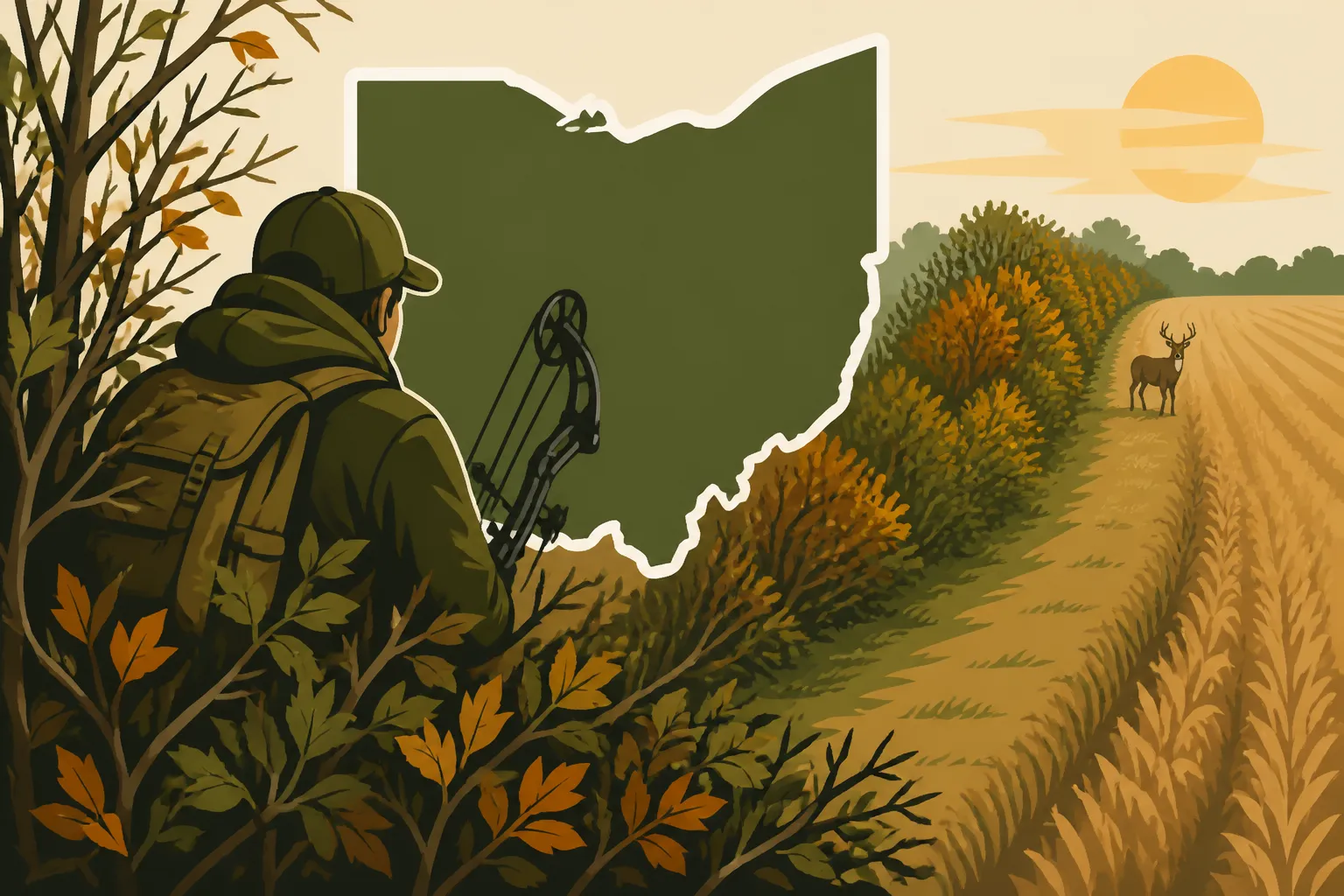
When you envision hunting in Ohio, especially for small game or pushing through cover during deer season, the image of tangled fencerows often comes to mind. These linear strips of tangled vegetation, often marking property lines or separating fields, are magnets for rabbits, pheasants, and deer seeking sanctuary. But they also pose a significant challenge to your clothing. Regular hunting pants, even rugged ones, simply aren't designed to withstand the relentless assault of Ohio's undergrowth.
Battling Briars and Thorns
Ohio is home to a delightful array of thorny plants that seem purpose-built to punish the unprepared hunter. Multiflora rose, with its needle-sharp thorns, forms impenetrable barriers. Greenbrier, a vicious vine, wraps itself around everything, its hooks tearing at fabric and skin. Blackberry brambles, hawthorn bushes, and even the seemingly innocuous common burdock can turn a pleasant walk into a painful crawl. Pushing through these thickets in standard pants feels like running a cheese grater over your legs – the fabric snags, tears, and eventually gives way, leaving your skin exposed to painful scratches and punctures.
Imagine you're Rabbit Hunting Ohio Fencerows, and your trusty beagle has just gone on point, baying excitedly deep within a particularly nasty patch of multiflora rose and honeysuckle. To retrieve your dog, or to get a shot at the cottontail it’s pushing, you have no choice but to plunge in. Without adequate protection, every step is a wince, every movement a risk of a new rip. Brush pants, with their reinforced construction, are built precisely for this kind of encounter, allowing you to push through with confidence, focusing on the hunt instead of the pain.
Protection from Wet and Muddy Conditions
Another harsh reality of hunting Ohio's fencerows and creek bottoms is the pervasive dampness. Even on a seemingly dry day, morning dew can soak through pants within minutes. After a light rain, low-lying vegetation becomes saturated, guaranteeing wet legs if your gear isn't up to snuff. Encountering shallow puddles, muddy creek crossings, or areas of slush during a late-season hunt can leave you shivering and miserable. The feeling of cold, wet fabric clinging to your legs is not only uncomfortable but can lead to a dangerously quick drop in body temperature, especially during a January deer hunt.
Consider a scenario where you're still-hunting the edges of a cut cornfield, hoping to catch a late-season buck moving between bedding and feeding areas. The fencerow separating the field from a small woodlot is the only viable cover for your approach, but it’s boggy and wet from recent melted snow. Good brush pants, often treated with a durable water repellent (DWR) finish and made of materials that resist moisture absorption, keep your legs dry. This allows you to stay out longer, remaining focused and comfortable, whether you're breaking ice on a puddle or crawling through damp underbrush.
Shielding Against Insect and Abrasive Threats
Beyond thorns and wetness, Ohio's dense cover harbors other less obvious, but equally irritating, threats. Ticks and chiggers are constant companions in thick brush, especially in spring and fall. A sturdy pair of brush pants acts as a physical barrier, making it much harder for these tiny pests to reach your skin. While repellents are crucial, the added protection of tightly woven, heavy-duty fabric reduces points of entry. Similarly, pushing past abrasive elements like barbed wire fences, rough tree bark, or stiff, sharp cornstalks can quickly wear holes in thinner pants and leave scrapes on your legs. The robust construction of brush pants provides a vital shield, allowing you to maneuver through tight spots without fear of snagging your pants on a loose wire or scraping your shins raw on a fallen log. They also help guard against skin irritation from nettles or contact with poison ivy and oak, which often thrive in these transitional zones.
Key Features to Prioritize for Ohio's Varied Terrain
Choosing the right pair of brush pants for Ohio hunting isn't about grabbing the first pair you see. It requires a discerning eye for materials, construction, and specific features that cater to the unique demands of hunting dense cover in varied weather.
Material Durability and Resistance
The heart of any good pair of brush pants lies in its materials. You need fabrics that are not only tough but also capable of resisting moisture and abrasion.
- Nylon and Cordura: These synthetic materials are prized for their exceptional strength-to-weight ratio and abrasion resistance. Many high-quality brush pants utilize heavy-denier nylon or Cordura overlays in critical areas like the front of the legs and seat. They shed water well and stand up to constant abuse from thorns and sharp branches.
- Canvas/Cotton Duck: While traditional and durable, cotton-based fabrics can be heavy and tend to absorb water, becoming very heavy and slow to dry. However, modern blends often incorporate synthetic fibers to improve performance while retaining a classic look and feel.
- Blends and Treatments: Often, the best brush pants combine materials, using a more breathable base fabric with incredibly durable overlays. Many are also treated with a DWR (Durable Water Repellent) finish, which causes water to bead up and roll off the surface rather than soaking in. This is a temporary treatment that needs to be reapplied periodically, but it makes a huge difference in keeping you dry during dewy mornings or light rain.
- Stitching: Don't overlook the stitching! Heavy-duty, triple-stitched seams are crucial, especially in areas subject to high stress like the crotch, knees, and where different fabric panels meet. Weak stitching will be the first point of failure in rough conditions.
- GoHunt Considerations: When looking at different brands, researching user reviews and expert recommendations on platforms like GoHunt can provide valuable insights into which materials hold up best in real-world hunting scenarios. Many dedicated upland and big game hunters contribute reviews that specifically address durability in thorny environments.
Strategic Reinforcements
The truly differentiating factor for brush pants is their strategic reinforcement. This isn't just about the fabric itself, but how it's layered and shaped to protect vulnerable areas.
- Double-Front or Chap-Style: This is arguably the most important feature. The front of the legs, from the thigh down to the ankle, is where you'll encounter the most abuse. Brush pants typically feature a second, even tougher layer of fabric (often Cordura or a similar high-denier nylon) sewn over the primary fabric. Some designs are "chap-style," where these heavy-duty panels extend all the way up over the hips, offering comprehensive front-of-leg protection. This double layer creates a formidable barrier against thorns, burrs, and general abrasion.
- Knee and Seat Reinforcements: You’ll spend a lot of time kneeling, crawling, or sitting on damp logs and rough ground, especially if you're Hunting Northwest Ohio Farmland Deer and trying to stay low. Reinforced knees, often with an articulated design, not only protect the fabric but also offer a small amount of padding and allow for better freedom of movement. A reinforced seat prevents wear and tear when you're glassing from a fallen log or scooting through dense underbrush.
- Gusseted Crotch: This might seem like a minor detail, but it’s critical for mobility. A gusseted crotch involves a diamond or triangular-shaped piece of fabric sewn into the crotch area, rather than just two seams meeting. This design significantly reduces stress on the seams, preventing blowouts, and allows for a much greater range of motion when climbing over obstacles, stepping high, or crouching.
Breathability and Comfort for Active Hunting
While protection is paramount, you don't want to feel like you're hunting in a sauna suit. Ohio's weather can be unpredictable, with mild fall days turning into surprisingly warm afternoons, especially when you're actively moving.
- Balancing Act: The challenge for brush pant manufacturers is to provide maximum protection without completely sacrificing breathability. Heavy, impenetrable fabrics can lead to overheating and excessive sweating, which ironically can make you feel colder once you stop moving. Look for fabrics that, despite their toughness, offer some degree of air circulation.
- Ventilation Features: Some high-end brush pants incorporate small zippered vents, often on the outer thigh, which can be opened to dump heat when you're working hard. These are invaluable for regulating body temperature.
- Moisture-Wicking Liners: A smooth, moisture-wicking liner can help move sweat away from your skin, even if the outer fabric isn't highly breathable. This makes a noticeable difference in comfort, especially during long hunts.
- Climate Variability: Remember that Ohio's climate can range from crisp, cool mornings to warm, humid afternoons in the early fall. Your brush pants need to manage these fluctuations effectively. While you'll prioritize protection, the design should ideally mitigate excessive heat retention. When looking for gear, consulting online resources or fellow hunters through platforms like GoHunt can help you gauge the real-world performance of different pants in varied conditions.
| Feature Area | Key Considerations | Benefit for Ohio Hunting |
|---|---|---|
| Material | Nylon, Cordura, Blended Canvas, DWR treatment | Resists tears from briars, sheds morning dew & light rain |
| Reinforcement | Double-front, chap-style, reinforced knees/seat, gusset | Protects against thorns, reduces wear from kneeling/sitting |
| Mobility | Articulated knees, gusseted crotch, relaxed fit | Allows unrestricted movement through thick cover, climbing |
| Breathability | Fabric weaves, zippered vents, wicking liners | Prevents overheating during active hunts, manages sweat |
| Pockets | Zippered, cargo, secure closures | Keeps essential gear (calls, license) safe and accessible |
Finding the Right Fit and Layering for Optimal Performance
Even the most durable brush pants won't perform their best if they don't fit well or integrate with your other hunting layers. Proper sizing and thoughtful layering are just as crucial as the materials themselves.
Sizing and Mobility Considerations
The fit of your brush pants directly impacts your comfort and ability to move through challenging terrain. It's a fine balance: too tight, and you'll feel restricted, unable to crouch, climb, or step over obstacles without feeling tugged and bound. Too loose, and the excess fabric can snag on branches, creating a tripping hazard and making more noise as you move.
When trying on brush pants, always simulate hunting movements. Squat down as if picking up a bird, lift your knee high as if stepping over a log, and bend at the waist. Pay attention to how the fabric moves with you, especially around the knees, hips, and crotch. Articulated knees, designed with a slight bend, are a huge plus for reducing fabric resistance. It’s also wise to try them on wearing the boots you typically hunt in. This ensures the leg opening is wide enough to accommodate your boots, and that the length is appropriate – you don't want them dragging on the ground, but you also don't want them riding up too high when you lift your leg. The goal is unhindered movement so you can focus on the hunt, whether you're navigating steep ravines or scrambling through a tight hedgerow.
Layering Underneath for Temperature Control
Ohio's seasons are famous for their temperature swings, and a single pair of brush pants won't be sufficient for every condition. Thoughtful layering underneath is key to adapting.
- Early Season (Warm Weather): For the mild temperatures of early fall, when you might be Squirrel Hunting Ohio Hickory Groves, you might wear nothing more than lightweight athletic shorts or briefs under your brush pants. The brush pants themselves provide the primary protection and enough warmth.
- Mid-Season (Cooler Weather): As temperatures drop, a light to medium-weight base layer made of merino wool or synthetic wicking fabric becomes essential. This layer helps manage moisture, providing warmth even if damp, and adds a crucial insulating barrier against the cold. This is particularly important when you're moving vigorously and building up a sweat, as stopping can quickly lead to a chill.
- Late Season (Cold Weather): For hunts deep into winter, like Hunting Deer After a January Thaw or pushing thick cover in freezing temperatures, you'll want a heavier base layer, possibly even a mid-weight thermal legging. This combination provides significant insulation, trapping body heat while still offering the external protection of the brush pants. The beauty of layering is its adaptability; you can strip a layer if you overheat during an intense push or add one if you're going to be stationary on a stand.
Practical Features: Pockets, Zippers, and Adjustments
Beyond the core protective features, smaller design elements can significantly enhance the user experience of brush pants.
- Pockets: Secure, well-placed pockets are invaluable. Cargo pockets on the thighs, especially those with zipper or snap closures, are ideal for carrying small items like extra calls, a rangefinder, a hunting license, or a map without them falling out when you're crouching or climbing. Zippered hand pockets keep essentials like keys or a phone secure. Avoid overly bulky pockets that might snag on brush.
- Side Leg Zippers: Some brush pants feature full-length or partial zippers on the outer seams of the legs. These are incredibly useful for two main reasons: ventilation (allowing you to dump heat quickly without fully undressing) and ease of dressing/undressing (allowing you to put on or take off the pants over your boots). This can save a lot of time and effort in the field.
- Waist Adjustments: While belt loops are standard for securing a belt and carrying additional gear like an Upland Vests With Water Capacity, some pants offer integrated waist adjustments (like elastic, Velcro tabs, or buckles). These provide a snugger, more comfortable fit and can be handy if your layering changes your waist size slightly throughout the day. A secure waist also prevents the pants from sagging when pockets are loaded.
Maintaining Your Brush Pants for Seasons of Service
Investing in a good pair of brush pants is like investing in a reliable hunting dog – with proper care, it will serve you faithfully for many seasons. Neglecting maintenance, however, can quickly diminish their performance and lifespan.
Cleaning and Care for Longevity
After a hard day in the field, your brush pants will undoubtedly be covered in mud, burrs, sweat, and perhaps a bit of blood. Timely and correct cleaning is paramount.
- Immediate Debris Removal: As soon as you're done hunting, take a moment to brush off loose dirt, mud, and especially burrs. Burrs, particularly cockleburs, can be deeply embedded and difficult to remove once dry. A stiff brush or even a coarse sponge can work wonders.
- Washing Instructions: Always check the manufacturer's care label. Most technical hunting fabrics, especially those with DWR coatings, benefit from specific washing methods. Generally, use a mild, scent-free detergent on a gentle cycle with cold water. Avoid harsh bleach or fabric softeners, as these can break down waterproof membranes, compromise DWR treatments, and clog fabric pores, reducing breathability.
- Drying: Air drying is often best for preserving technical fabrics and DWR treatments. If using a dryer, use the lowest heat setting. High heat can damage synthetic fibers and coatings over time.
- Re-applying DWR: Over time, the DWR finish will wear off, and your pants will start to "wet out" (absorb water instead of repelling it). Many excellent spray-on or wash-in DWR restorers are available. Follow the product instructions carefully to rejuvenate your pants' water resistance, ensuring they continue to perform in damp Ohio conditions. This is a critical step for maintaining their protective qualities.
Repairing Minor Damage
Even the toughest brush pants can sustain minor damage when pushing through truly nasty cover. A small tear or loose seam doesn't have to mean the end of your favorite pair; often, they can be easily repaired.
- DIY Patching: For small tears or punctures in the non-reinforced sections, a simple iron-on patch or a sew-on patch made from a durable fabric (like denim or Cordura scraps) can often do the trick. For more critical areas like the reinforced fronts, a heavy-duty needle and thread (like upholstery thread) for hand-stitching or a robust sewing machine can repair tears and reinforce weak points. Specialized gear repair kits, often featuring tenacious tape or flexible adhesives, are also available and can provide quick, effective fixes in the field or at home.
- Reinforcing Wear Spots: Pay attention to areas that show early signs of wear, such as the cuffs (which drag on the ground), the knees, or the crotch. Preemptively adding a patch or extra stitching to these areas can prevent a small abrasion from becoming a gaping hole.
- Professional Services: For more extensive damage, like a large rip in a reinforced section or a broken zipper, consider taking your pants to a local seamstress or a specialized gear repair shop. Their expertise and industrial equipment can often restore your pants to near-new condition. There's a certain pride in a well-worn, patched-up pair of brush pants, a testament to countless hours spent in the field. Even if you're not patching them yourself, checking platforms like GoHunt can yield advice from experienced hunters on cost-effective repair solutions.
Storage Between Seasons
Proper storage is crucial for preserving your brush pants and ensuring they're ready for action when hunting season rolls around.
- Clean and Dry: Always store your pants clean and thoroughly dry. Storing damp or dirty clothing can lead to mildew, unpleasant odors, and can even attract pests like moths, which can cause irreparable damage to fabrics.
- Ventilated Space: Hang your brush pants in a cool, dry, well-ventilated closet or storage area. Avoid cramming them into a compressed space, as this can reduce their lifespan.
- Pest Protection: If you're storing them for an extended period, especially during the off-season, consider placing them in a breathable garment bag or a sealed container with cedar chips or other natural repellents to protect against insects.
By following these care and maintenance tips, your brush pants won't just be another piece of gear; they'll become a trusted companion, ready to tackle Ohio's toughest fencerows and thickets for years to come.
Disclaimer
This article is for general informational purposes only and does not constitute professional advice. Laws, prices and regulations vary by location and change over time. Consult a qualified professional for guidance on your specific situation.