Boots for Walking Ohio Farm Country
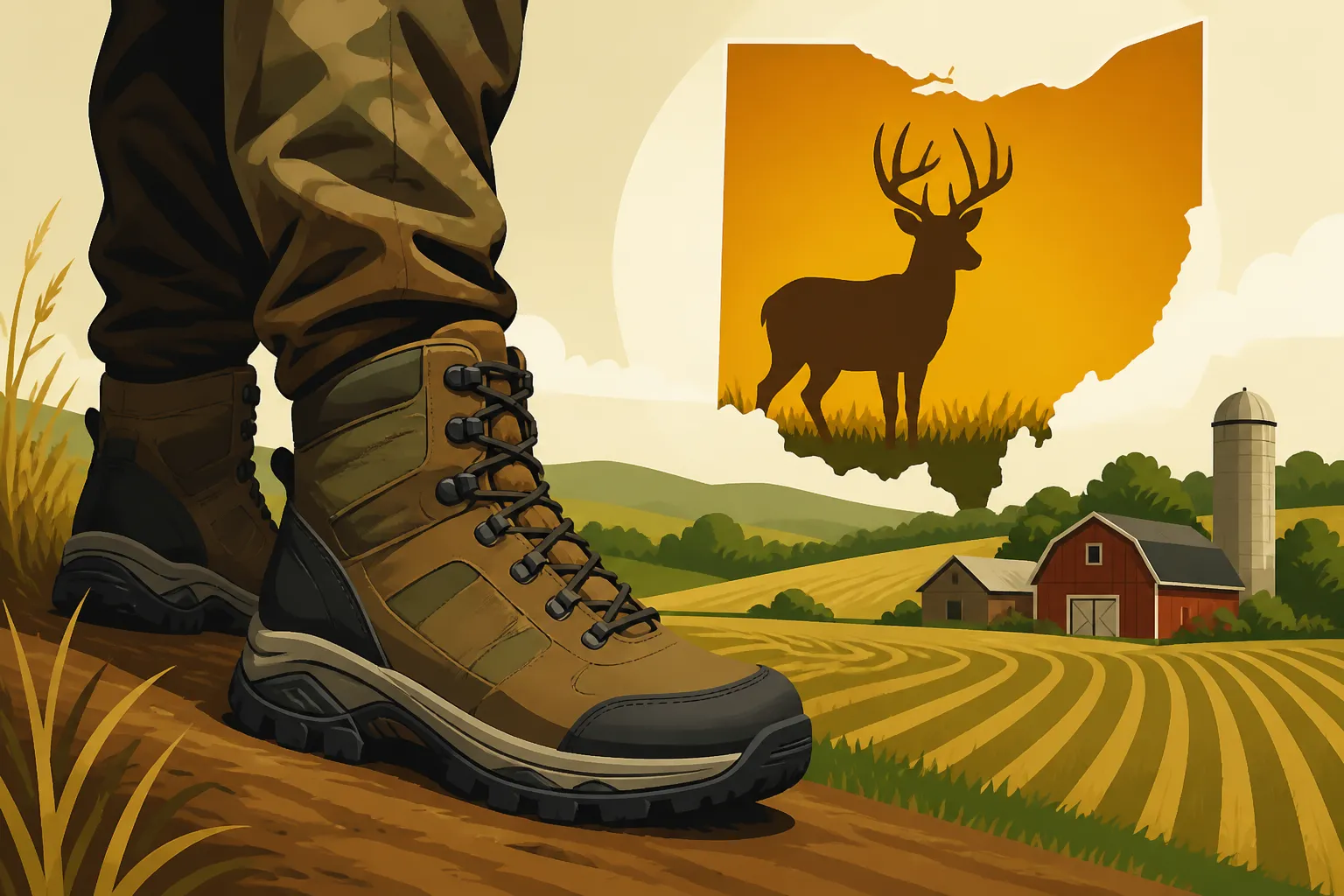
Walking Ohio farm country can be a completely different animal than trekking the steep ridges of Appalachia or slogging through Lake Erie marshes. One minute you're navigating slick, newly tilled soil, the next you're busting through thigh-high crop stubble, only to find yourself knee-deep in gumbo mud along a fencerow. Choosing the wrong footwear for these diverse and often messy conditions can lead to cold, wet feet, blisters, and a miserable hunt. This guide is all about helping you understand the unique challenges of Ohio's agricultural landscape and how to pick the perfect boots to keep you comfortable, dry, and focused on the hunt.
The Unique Challenges of Ohio Farm Country Footwear
Hunting Ohio's vast expanses of farmland comes with its own specific set of gear demands, and nowhere is this more true than with your footwear. It’s not just about covering ground; it’s about covering this specific kind of ground, which can throw everything from a muddy creek bottom to razor-sharp corn stubble at your feet. Ignoring these unique environmental factors is a surefire way to cut your hunt short.
Mud, Muck, and Manure: The Ever-Present Slop
If you've spent any time at all on or around Ohio farm fields, you know that mud is a way of life. Whether it's the result of heavy rains, melting snow, or irrigation, the ground can turn into a sticky, shoe-sucking mess in minutes. This isn't just damp soil; this is often heavy, clay-rich mud that clings to your boots, making every step an exhausting effort. Then there’s the added "joy" of wading through areas that have seen livestock, which brings its own special kind of muck and odor. Imagine trying to sneak along a creek bottom or penetrate a thick fencerow after a good rain, only to feel your boot getting heavier and heavier with each step, threatening to pull clean off your foot. This kind of persistent wet and dirty environment means your boots need to be completely impenetrable to moisture and easy to clean. You can't afford to have water seeping in through seams or material flaws when you're trying to stay out there for Rabbit Hunting Thick Ohio Fencerows, where water and thick cover often go hand-in-hand.
Navigating Diverse Terrain: From Fields to Woodlots
Ohio farm country isn't just flat fields. It's a patchwork of diverse mini-ecosystems. You'll be crossing wide-open, often freshly tilled or harvested fields, where the ground can be uneven and the stubble sharp and abrasive. Then you'll hit those crucial fencerows, often overgrown with briars, multi-flora rose, and dense brush, hiding ditches and unexpected holes. Small woodlots and timber edges break up the fields, offering different challenges with leaf litter, downed limbs, and often steeper, slicker grades as you get into creek drainages. Imagine slipping while trying to climb out of a ditch or twisting an ankle on an unseen rut in a harvested bean field. Good ankle support becomes critical, not just for comfort but for preventing injury when you're Hunting Northwest Ohio Farmland Deer and need to move quietly and confidently through varied cover. Your boots need a sole that can grip in mud, shed debris easily, and stand up to punctures from sharp stalks or thorns.
Temperature Swings and Weather Extremes
Ohio weather is famously fickle, especially during hunting seasons. A beautiful, crisp October morning can quickly turn into a warm, sweaty afternoon, only to drop into freezing temperatures by sunset. Later in the season, a day might start below zero, reach a mild thaw, and then dump a foot of wet snow on you. Your feet need to stay warm when it’s cold, dry when it’s wet, and breathable enough not to overheat when you’re walking long distances or when the mercury unexpectedly climbs. That sweat factor is huge, because wet socks mean cold feet, even in moderately cool weather. Having the wrong level of insulation can be just as detrimental as poor waterproofing. You need footwear that can handle the gamut, or at least be adaptable enough with clever sock layering, especially when you're implementing a Cold-Weather Sitting Strategy in Ohio and minimizing movement is key to staying warm.
Types of Boots for Ohio Farm Country Hunting
When it comes to picking boots for Ohio farm country, you've generally got three main contenders, each with its own set of advantages and drawbacks. Understanding these differences will help you match your footwear to your specific hunting style and the conditions you expect to face.
Rubber Boots: The Waterproof Workhorses
Rubber boots are the undisputed champions of wet conditions. Think of classic Muck Boots or LaCrosse models; these are often what comes to mind when you envision hunting in muddy fields or shallow water. Their primary advantage is their complete waterproofing – a single, seamless barrier from the ground up to your calf. This makes them ideal for slogging through flooded fields, crossing shallow creeks, or setting up in damp areas for waterfowl. Beyond their waterproof prowess, rubber boots also offer excellent scent control, as their non-porous surface doesn't absorb human odors that can spook wary deer. They're also incredibly easy to clean; a quick hose-off usually does the trick. Many hunters swear by them for early season deer or when they're Layout Blind Hunting Ohio Farm Fields in sloppy conditions.
However, rubber boots do have their downsides. They aren't typically as breathable as other boot types, which can lead to sweaty feet on warmer days. This sweat can then quickly turn cold once you stop moving, creating a chilling effect. While some offer decent insulation, the overall support, particularly around the ankle, can be less robust than a traditional lace-up boot, making them a bit more prone to twisting an ankle if you're navigating truly uneven or rocky terrain. Furthermore, the fit can sometimes be less precise, leading to rubbing or hot spots on long walks. Brands like those often reviewed on platforms like GoHunt provide various rubber boot options, with different levels of insulation and sole patterns, allowing you to fine-tune your choice.
Insulated Leather/Synthetic Boots: All-Around Performers
For hunters who prioritize support, breathability, and versatility across varied terrain, insulated leather or synthetic boots are often the go-to. These are your more traditional hunting boots, often featuring a blend of durable leather, rugged synthetics like Cordura, and a waterproof membrane (like Gore-Tex). They typically offer superior ankle support, crucial for traversing uneven fields, climbing over downed logs in a woodlot, or navigating hidden ruts. The lacing system allows for a custom, secure fit that reduces slippage and hot spots over long distances. Many modern designs also boast excellent breathability, helping to manage moisture and keep your feet comfortable, even when you're putting in a lot of miles tracking pheasants or stalking deer. They're fantastic for cold weather, providing substantial insulation without the bulk or clamminess of some rubber models. When you're spending a full day on your feet, perhaps during Pheasant Hunting Ohio Farm Country, where you'll encounter everything from stubble fields to brushy ditches, the comfort and support of these boots are invaluable.
The main drawback is that while most are highly water-resistant and feature waterproof membranes, they aren't always completely submersible like a rubber boot. Deep puddles or long periods of standing water can eventually find a way in, especially if the outer materials aren't meticulously maintained. They also tend to be heavier than most rubber or hybrid options and can require more care to keep the leather supple and the waterproofing effective.
Hybrid Boots: Blending the Best of Both Worlds
Hybrid boots aim to strike a balance between the waterproof capabilities of rubber and the support and comfort of traditional lace-up boots. These typically feature a rubber lower half, often extending up over the ankle, combined with a synthetic or leather upper. This design offers the best of both worlds in many scenarios: the rubber bottom provides an excellent waterproof barrier where your foot is most likely to encounter standing water or mud, while the fabric or leather upper offers more breathability, flexibility, and often better ankle support than a full rubber boot. They tend to be lighter than traditional leather boots and offer a more athletic fit than many rubber boots, making them a great choice for hunters who need to cover significant ground but still anticipate very wet conditions. You might find a hunter wearing these when they're Working a Fencerow for Late-Season Deer, needing to be both quiet and dry.
The compromise, however, lies in the potential for failure at the seam where the rubber and upper materials meet. While manufacturers do an excellent job of sealing these areas, it's still a point of potential weakness compared to a truly seamless rubber boot. Insulation can vary widely, and while they offer more support than many rubber boots, it might not always match the rigidity of a high-quality, full-leather boot. Still, for many Ohio farm country hunters, a good hybrid boot offers a highly practical solution to the diverse demands of the terrain and weather.
Key Features to Look for in Farm Country Boots
Beyond the general type of boot, there are specific features that can make or break your hunting experience in Ohio's agricultural lands. Paying attention to these details can save you from cold, wet feet, unnecessary fatigue, and even injury.
Waterproofing: Beyond "Water Resistant"
When you’re hunting Ohio farm country, "water resistant" simply isn’t good enough. You need true, reliable waterproofing. Look for boots that explicitly state they are waterproof and feature technologies like Gore-Tex, or other proprietary membranes (like those used by some major hunting boot brands). These membranes are designed with microscopic pores that are small enough to block water molecules from entering but large enough to allow sweat vapor to escape, keeping your feet dry from both external moisture and internal perspiration.
The construction is also key. A boot with fully gusseted tongues, sealed seams, and a waterproof lower is essential. If you can see multiple seams low on the boot, especially near the sole, there's a higher chance of a leak over time. When you're slogging through a recently flooded cut cornfield or traversing a soggy fencerow, you want confidence that your feet will stay bone dry, no matter what. Don't be fooled by a boot that just looks tough; read the specs, look for reputable brands, and check reviews on sites like GoHunt to ensure the waterproofing holds up in real-world conditions.
Traction and Outsole Design
Ohio farm fields, especially after a rain or a thaw, are notorious for their slick, sticky mud. This is where a well-designed outsole becomes your best friend. Look for boots with aggressive, deep lugs (the "teeth" on the bottom of the sole) that can bite into soft earth and provide reliable grip. Spacing between the lugs is also important; widely spaced lugs are generally better at shedding mud, preventing it from caking up and turning your boot into a smooth, slippery platform.
Consider the rubber compound used in the outsole as well. Some compounds are specifically designed for better grip in cold, icy conditions, while others prioritize durability. You'll be climbing over downed fences, navigating uneven furrows, and potentially crossing slick culverts. Good traction isn't just about preventing falls; it's about confident, quiet movement that won't give away your position. A stable platform underfoot means less effort expended, which translates to more energy for the hunt.
Insulation and Temperature Rating
Ohio's hunting seasons span a wide range of temperatures, from mild early fall days to bitter cold winter mornings. Choosing the right amount of insulation in your boots is paramount. Insulation is often measured in grams (e.g., 200g, 400g, 800g, 1200g+).
- 200-400g: Good for moderately cold days (30-50°F) or for hunters who are highly active and generate a lot of body heat.
- 600-800g: Ideal for colder temperatures (15-35°F) and more stationary hunting, like sitting in a stand for long periods.
- 1000g+: Reserved for truly frigid conditions (below 15°F) or for those with poor circulation in their feet. This kind of heavy insulation is often necessary for Muzzleloader Tactics in January Cold, when temperatures plummet.
Keep in mind that insulation needs are personal. A lot of walking generates heat, so less insulation might be better to prevent sweating. For stand hunting, more insulation is almost always preferred. You can also vary your sock choices to fine-tune your boot's warmth, opting for thinner wool socks on warmer days and thicker, layered systems when it's really biting cold.
Fit, Comfort, and Support
No matter how waterproof or insulated a boot is, if it doesn't fit well or isn't comfortable, it's useless for hunting. Always try on boots with the type of socks you intend to wear while hunting. Pay attention to heel lift, pressure points, and toe room. You should have enough space to wiggle your toes, especially if you plan to wear thicker socks or need room for cold-weather toe movement, but not so much that your foot slides around inside the boot.
Ankle support is crucial for navigating uneven terrain and preventing sprains. Look for boots with a stiff shank and good lacing systems that allow you to cinch down the ankle area securely. Arch support is also important, particularly for long days on your feet. Walking mile after mile across fields and fencerows can be grueling, and poor arch support will lead to fatigue and discomfort. Don't underestimate the value of a comfortable, supportive fit; your feet are your foundation in the field. Many hunters rely on detailed user reviews on outdoor gear sites like GoHunt to get a sense of real-world comfort and fit before buying.
Maintenance and Longevity for Your Boots
Investing in good hunting boots for Ohio farm country is just the first step. To ensure they last through many seasons of mud, stubble, and cold, proper care and maintenance are absolutely essential. Neglecting your footwear can quickly lead to degraded performance and premature replacement.
Cleaning Your Boots After Every Hunt
This might seem like a chore, but it's perhaps the most critical step in prolonging the life of your boots. Ohio mud, especially the rich, clay-based soil found in farm country, can be highly corrosive if left to dry and cake on your boots. It traps moisture, harbors bacteria, and can break down stitching, glues, and even rubber or leather materials over time. Animal waste, crop chemicals, and plant acids found in fencerows can also accelerate wear.
As soon as you get back from the field, or at least before the mud completely hardens, take a few minutes to clean your boots. Use a stiff brush or a stick to knock off any large clumps of mud and debris. Then, hose them off with plain water. For more stubborn grime, a mild soap and water solution can be used, particularly on rubber boots or synthetic uppers. Avoid harsh chemical cleaners, as these can strip away waterproofing treatments or damage materials. For leather boots, be gentle and avoid oversaturating the leather. Once clean, rinse them thoroughly to remove all soap residue.
Proper Storage and Care
After cleaning, resist the urge to throw your wet boots in a corner or, worse, by a direct heat source. High heat can dry out leather, crack rubber, and degrade waterproof membranes. Instead, allow your boots to air dry naturally in a cool, well-ventilated area. If they are particularly wet inside, stuff them with newspaper or use a boot dryer (on a low, gentle setting) to help absorb moisture and speed up the drying process. Once completely dry, store them in a cool, dry place, away from direct sunlight or extreme temperatures.
For leather boots, periodic conditioning is vital to keep the leather supple and prevent cracking. Use a leather conditioner or water repellent treatment specifically designed for hunting boots. For rubber boots, inspect them regularly for any small cracks or punctures that could compromise their waterproof integrity. A small hole can often be patched with a suitable rubber adhesive, saving you from having to buy a whole new pair. If you have hybrid boots, pay attention to the seams where different materials meet, as these are common failure points over time.
When to Replace Your Boots
Even with the best care, eventually, your boots will reach the end of their useful life. Recognizing the signs of wear is important so you can replace them before they fail you in the field. Obvious signs include deep cracks in rubber, delaminated soles, or holes in the waterproof membrane that consistently lead to wet feet. If the tread is severely worn down, your traction will be compromised, making slips and falls more likely. Stitching that is coming apart, or persistent leaks that can't be patched, are also clear indicators.
Don't wait until you're three miles deep into a frosty January hunt, with wet, freezing feet, to realize your boots are shot. Proactively inspect them before each season and during prolonged periods of heavy use. A new pair of boots is a far better investment than a miserable hunt or, worse, an injury caused by failing footwear. Remember, Boots for Ohio Mud and Snow need to be reliable, and a compromised pair won't cut it when the conditions are at their worst.
Boot Comparison for Ohio Farm Country
Here's a quick comparison to help you weigh your options:
| Boot Type | Pros | Cons | Best Use Cases |
|---|---|---|---|
| Full Rubber Boots | 100% waterproof, excellent scent control, easy to clean | Less breathable, can be hot, limited ankle support, heavier | Very wet fields, marshes, shallow creek crossings, early season scent control |
| Insulated Leather/Synthetic | Superior ankle support, breathable, durable, precise fit | Not fully submersible, heavier, requires more maintenance | Cold weather, varied terrain, long walks, when ankle support is critical |
| Hybrid Boots | Good waterproof lower, better support than full rubber, lighter | Seams can be potential failure points, insulation varies | Moderately wet conditions, active hunting, balancing waterproof and support needs |
This article is for general informational purposes only and does not constitute professional advice. Laws, prices and regulations vary by location and change over time. Consult a qualified professional for guidance on your specific situation.