Packs for a Day on Public Land
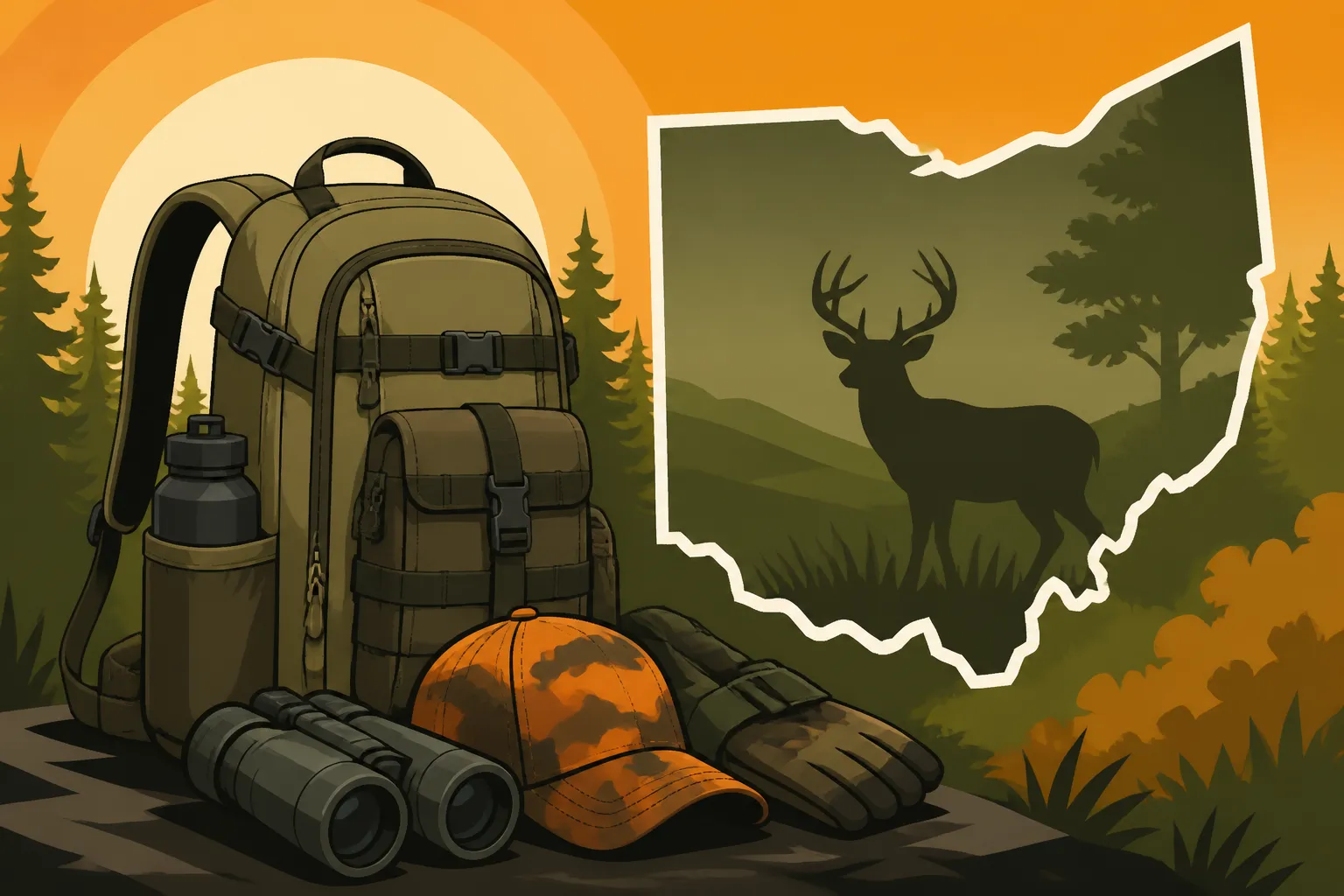
Stepping onto Ohio's public hunting land, whether it's the steep ridges of Wayne National Forest or the sprawling, flatter terrain of a wildlife area in the northwest, you quickly realize your pack is more than just something to carry your stuff. It's often the difference between a comfortable, successful day and one plagued by discomfort, hunger, or a lack of crucial gear. Many of us have been there, either overloaded and exhausted by noon, or realizing we left that one essential item back at the truck. This guide aims to help you choose and stock the perfect day pack for your Ohio hunting adventures, ensuring you're prepared for whatever the Buckeye State throws your way.
Understanding Your Day Hunt Needs on Ohio Public Land
Before you even start looking at packs, it’s critical to honestly assess what kind of day hunter you are and where you'll be spending your time. Ohio offers such a diverse landscape, and what works perfectly for one region might be a hindrance in another. Thinking through these details beforehand can save you a lot of grief and backache later.
The "Essentials Only" Mentality
When you hit public land, especially heavily pressured areas, often the best strategy is to move light and fast. This "essentials only" mentality means stripping down your gear to the absolute necessities for a specific hunt. For a quick morning bowhunt from a treestand in a woodlot near a farming field, you might only need your calls, a rangefinder, water, and perhaps a small snack. You're not planning on being out all day, and you know the terrain well. The thought of carrying a giant pack that catches on every branch or adds unnecessary bulk to your climb is just unappealing.
However, relying purely on the essentials can quickly backfire if conditions change, or if your hunt extends beyond your initial plan. An unexpected rain shower can turn a pleasant morning into a miserable one if you don't have rain gear. A longer-than-expected track of a deer can put you miles from your vehicle as dusk sets in, making a good headlamp vital. It's a delicate balance, and knowing yourself and your hunting style, along with the specific spot you'll be in, is key. Don't let the desire for minimalism override basic safety and comfort.
Terrain and Weather Considerations
Ohio's terrain dictates a lot about pack choice. Are you still-hunting through the rugged, steep hills of Appalachian Ohio in a place like Shawnee State Forest, or are you sitting a ground blind along a fencerow in flat farmland up near Killdeer Plains Wildlife Area? The physical demands are vastly different. In the hills, you're constantly climbing and descending, navigating thick brush and uneven footing. A pack that distributes weight well and stays snug to your back is paramount to prevent shifting and discomfort. Every ounce feels like a pound when you're going uphill.
Then there's the famously unpredictable Ohio weather. A crisp October morning can turn into a warm afternoon, only to be followed by an evening downpour. A late-season January hunt might start below freezing with sunshine and end with a blizzard. This means you need space for layers—base layers, insulating mid-layers, and an outer shell. A pack that can accommodate these swings, allowing you to quickly shed or add clothing, is invaluable. Having a dedicated space for your Clothing for an Ohio Late Season can be a game-changer. You don't want to be fumbling around, trying to stuff a wet rain jacket into an already overflowing main compartment.
The Type of Hunting You're Doing
The specific hunting method you employ on public land also heavily influences your pack needs. A hunter focused on Bowhunting Ohio's Long Archery Season might prioritize a pack that can securely carry a bow, or at least doesn't interfere with shooting from a treestand or ground blind. They might also need quick access to specialized archery tools, like a rangefinder or releases. The silence of material is crucial for bowhunters, as any rustle can spook wary deer.
Conversely, someone participating in Ohio's Two-Weekend Gun Deer Season might not need to worry as much about absolute silence if they are wearing blaze orange and moving through the woods more actively. Their pack might need to carry heavier items like extra ammunition or optics for longer-range glassing. If you're planning on Rattling and Grunting in Ohio, you'll need dedicated pockets for your various calls. Likewise, a turkey hunter in the spring will have different requirements for calls and decoys than a deer hunter. Your pack needs to be an extension of your hunting style, not a burden.
Key Features to Look for in a Day Pack
Once you've narrowed down your personal hunting style and the typical terrain you'll face, it's time to consider the specific features that make a day pack truly functional for Ohio's public lands. There are a lot of options out there, and knowing what to prioritize can make your decision much easier.
Capacity and Compartmentalization
For most day hunts on Ohio public land, a pack with a capacity of roughly 1,500 to 2,500 cubic inches tends to be the sweet spot. This range offers enough room for all your essentials—water, snacks, extra layers, first-aid kit, and various hunting tools—without being overly bulky. If you anticipate needing to carry heavier gear or perhaps even pack out boned-out meat from a smaller animal like a coyote, you might lean towards the higher end or consider a pack with load-carrying capabilities.
Beyond just raw space, compartmentalization is a huge factor. A pack with a single, cavernous main compartment quickly becomes a black hole where everything gets jumbled. Look for external pockets, internal dividers, and specialized pouches that allow you to organize your gear. Quick-access pockets on the hip belt are fantastic for items you use frequently, like a rangefinder, grunt tube, or a small snack. Having a dedicated pocket for your license and tag, ensuring they don't get lost or wet, is also a smart move. When you need to retrieve something quickly and quietly, having a place for everything and everything in its place is invaluable.
Comfort and Fit
This cannot be stressed enough: if a pack isn't comfortable, you won't want to carry it, and your hunt will suffer. Look for packs with well-padded shoulder straps that don't dig in, especially when loaded. A robust hip belt is also crucial, as it helps transfer the weight from your shoulders to your hips, where your body is better equipped to carry it. The ability to adjust the pack's torso length and strap tension is vital to achieve a custom fit, which is especially important for hunters who spend hours covering ground or sitting still.
A good fit means the pack moves with you, not against you. When you're scrambling up a steep bank or trying to squeeze through thick brush, a properly fitted pack won't shift, rub, or throw you off balance. Consider packs with an internal frame, even a lightweight one, as this helps maintain the pack's structure and keeps the weight closer to your body. If you’re incorporating a treestand, you'll want a pack that either integrates with your stand or can be easily strapped on without becoming unwieldy. Trying on a pack with some weight in it and walking around the store (if possible) is always a good idea. For those using stand systems, the ability to comfortably carry your pack in addition to Treestand Setups in Appalachian Ohio Hardwoods is a serious consideration.
Durability and Material
Ohio hunting can be tough on gear. From thorny briar patches to slick, muddy trails and unpredictable weather, your pack needs to withstand a lot. Look for packs made from durable, ripstop fabrics that can resist punctures and abrasions. Nylon and Cordura are common choices known for their toughness. Water resistance is another huge plus. While a completely waterproof pack might be overkill for a day hunt, a water-resistant material with quality zippers that shed light rain or snow can save your gear from getting soaked. Many packs also include an integrated rain cover, which is a fantastic feature.
Beyond toughness, the material's noise factor is paramount, particularly for bowhunters or any hunter who relies on stealth. Some fabrics can be surprisingly loud when brushed against branches or even when you simply move. Opt for quieter materials, often those with a brushed finish or a softer texture. Validate that frustration of having a flimsy zipper break mid-hunt, or finding a critical seam ripped after only a season or two. Investing in a pack with high-quality stitching, sturdy buckles, and reliable zippers from brands known for their outdoor gear is always worth the extra upfront cost. Think of it as a long-term investment in your hunting success and sanity.
Types of Packs for Different Ohio Day Hunt Scenarios
Just like there isn't one perfect hunting rifle, there isn't one perfect pack for every single hunting situation in Ohio. The best pack for you will depend entirely on the specific hunt you have planned. Having a couple of options, or a highly versatile mid-sized pack, can cover most of your bases.
Small, Lightweight Packs for Quick Hunts
For those hunts where you truly want to be nimble and unencumbered, a small, lightweight pack is ideal. This category often includes lumbar packs (fanny packs designed for hunting) or minimalist daypacks ranging from 500 to 1,000 cubic inches. These are fantastic for situations where you're not going far, or if you're only out for a couple of hours. Think about an early morning Squirrel Hunting Ohio Hardwoods trip, where you just need a few rounds, a bottle of water, and maybe a small snack. You're covering ground, and you want nothing to snag or weigh you down.
These smaller packs are also great for very specific, short-duration deer hunts, perhaps if you’re only planning an hour or two sit from a ground blind on a known deer trail right off the road. They can carry a rangefinder, your calls, a knife, and your tag without making you feel like you're hauling bricks. The key is strict discipline in what you bring. Every item must earn its place. The downside, of course, is limited capacity, meaning you can't easily adapt if the weather takes a turn or if you decide to extend your hunt unexpectedly.
Mid-Sized Daypacks for All-Around Use
This is where most Ohio public land hunters will find their workhorse pack. Mid-sized daypacks, typically in the 1,500 to 2,500 cubic inch range, offer the best balance of capacity and portability for the vast majority of day hunts. These packs can comfortably carry enough water and snacks for a full day afield, along with essential layers, rain gear, a first-aid kit, and all your critical hunting tools. Whether you're spending the day glassing for deer with your Optics for Appalachian Ohio Ridges or still-hunting through a vast wildlife area, this size pack has you covered.
Many of these packs feature excellent internal and external organization, allowing you to keep everything tidy and accessible. Look for models with compression straps, which help cinch down the load and keep it stable as you move, even if the pack isn't completely full. Some also come with integrated hydration sleeves, making it easy to stay hydrated without having to stop and pull out a water bottle. When thinking about where you’ll put specific items, it's worth considering how platforms like GoHunt can help you visualize your hunting spot and mentally plan out what gear you'll need, informing your pack choice. These all-around packs are the most versatile option for hunters navigating the diverse public hunting land in Ohio.
Pack Systems with Frame for Hauling
While typically considered overkill for a pure "day pack," some hunters on Ohio public land might opt for a pack system that includes an external frame or a convertible load-hauling frame. This is particularly relevant if you're planning a more ambitious day hunt that includes the very real possibility of packing out game. For instance, if you're hunting in remote sections of Wayne National Forest Hunting and know you'll be miles from the nearest road when you harvest a deer, having a pack designed for heavy loads can be a blessing.
These systems allow you to strip off the main pack bag and use the frame to haul meat, antlers, or other heavy, bulky items. They are generally more robust and heavier than traditional daypacks, but the ability to comfortably carry a substantial load can be worth the trade-off. Some hunters use these even for day hunts, simply appreciating the comfort and stability of a frame pack, especially when navigating steep, uneven terrain where balance is key. If you're tackling an area known for big deer and deep ravines, thinking about how you’ll get that deer out is part of the initial pack choice. For advice on getting a harvested animal out of the woods, check out Dragging a Deer Off a Steep Ridge.
Essential Gear to Carry in Your Day Pack
No matter which pack you choose, filling it with the right gear is just as important as the pack itself. A well-stocked pack means you're ready for most eventualities, keeping you safe, comfortable, and effective in the field. This list covers the absolute essentials for any serious public land hunter in Ohio.
Safety and Navigation
Safety should always be your number one priority when heading into the woods. A basic first-aid kit, tailored for outdoor use, is non-negotiable. It should include bandages, antiseptic wipes, pain relievers, and any personal medications you might need. A headlamp or reliable flashlight with extra batteries is crucial, even if you plan to be out before dark. Things happen, and tracking a deer or simply getting back to your vehicle after an extended hunt can push you into the twilight hours.
For navigation, a compass and a physical map of the area are still excellent backups, especially in areas with spotty cell service. However, modern GPS devices or robust phone apps like GoHunt have revolutionized navigating Public Hunting Land in Ohio. Make sure your phone is fully charged, and consider carrying a portable power bank. Familiarize yourself with how to use these tools before you're deep in the woods, especially in vast areas like the Wayne National Forest or large wildlife areas where it's easy to get disoriented. For more on navigating with tech, see GPS Units Versus Phone Apps. Knowing your precise location and how to get back to your starting point is paramount.
Hunting Tools and Accessories
These are the items directly related to the act of hunting. For deer hunters, this includes a good quality knife (sharp!), a pull rope or drag strap for initial movement of game, and your hunting calls—whether that's a grunt tube, doe bleat, or rattling antlers. A rangefinder is essential for accurate shots, especially with a bow or straight-wall rifle. Binoculars are critical for spotting game, especially in thick cover or at long distances; even 8x or 10x models can make a huge difference. Don't forget your hunting license, deer permit, and a pen to fill out your tag immediately after a harvest.
For bird hunters, this might mean specialized calls, dog training collars, or even a small game vest for carrying harvested birds. The specific tools will vary, but the principle remains the same: identify what you need for your chosen quarry and method, and ensure it's organized and easily accessible in your pack. Thinking through your Scouting Ohio Public Land Before Season will often reveal specific gear needs for that particular area.
Sustenance and Comfort
Being hungry, thirsty, or uncomfortably cold/wet will quickly ruin a hunt and impair your focus. Always carry enough water for the duration of your hunt, and then some. A hydration bladder in your pack is a convenient way to do this. Pack high-energy snacks like granola bars, nuts, or jerky. Avoid anything that requires elaborate preparation or loud packaging.
As for comfort, layers are king in Ohio. Even if the forecast looks good, pack a lightweight rain jacket and an extra insulating layer. A pair of gloves or a warm hat can make a huge difference if the temperature drops or the wind picks up. Hand warmers are a luxury that can feel like a necessity on a frigid December morning. Small items like toilet paper, some paracord, and a small garbage bag (to pack out any trash) round out the comfort and convenience items. Don't underestimate the mental boost of being able to stay comfortable throughout your day.
Here's a quick comparison of popular day pack types for Ohio public land hunters:
| Pack Type | Typical Capacity (Cu In) | Pros | Cons | Ideal Ohio Use |
|---|---|---|---|---|
| Lumbar Pack / Belt Pack | 300-800 | Extremely lightweight, keeps back clear, quick access to essentials, doesn't interfere with bow. | Very limited capacity, awkward for bulkier items, can shift if not snug. | Short morning/evening bowhunts, Squirrel Hunting Ohio Hardwoods, quick scouting trips, adding to a treestand setup. |
| Small Daypack | 1,000-1,500 | More capacity than lumbar, still very light, good for essentials, less bulky. | Still limited for extra layers or large items, can be less organized. | Half-day deer hunts, warmer weather hunts, carrying rain gear & snacks for specific spots. |
| Mid-Sized Daypack | 1,500-2,500 | Best all-around versatility, ample capacity for full day, good organization, often comfortable. | Can be bulky if not compressed, heavier than smaller options. | Most Bowhunting Ohio's Long Archery Season and Ohio's Two-Weekend Gun Deer Season, all-day sits, Still-Hunting Shawnee State Forest Ridges. |
| Frame Pack (convertible) | 2,500+ | Excellent for heavy loads/meat hauling, very stable, often highly durable. | Heaviest option, most expensive, often bulky for brushy country. | Remote public land hunts with high probability of harvest, packing out game from deep in Wayne National Forest Hunting. |
Disclaimer
This article is for general informational purposes only and does not constitute professional advice. Laws, prices and regulations vary by location and change over time. Consult a qualified professional for guidance on your specific situation.