Ohio’s Blaze Orange and Pink Options
It can be incredibly confusing to keep up with all the hunting regulations, especially when it comes to safety gear like blaze orange or pink. You just want to get out in the woods, not worry if your jacket is the right shade of neon! This guide is here to clear up all that head-scratching by diving deep into Ohio's requirements for blaze orange and pink, making sure you're not only legal but also visible and safe every time you step afield.
Decoding Ohio's Safety Color Mandates: Why and When You Need It
Let's be honest, nobody wants to get a citation, especially for something as fundamental as safety clothing. But beyond the legalities, understanding these rules is crucial for preventing accidents in the field. Ohio's hunting regulations are designed with the safety of all hunters, and indeed, anyone else using public lands, firmly in mind. It's not just about what you wear, but when you wear it, and the specific circumstances that trigger these requirements.
The Fundamental Law: Who, What, and Where
Ohio's core requirement for wearing hunter orange or blaze pink generally applies during deer gun season, including the statewide gun season, the early gun season in the Disease Surveillance Area (DSA), and the youth gun weekend. During these periods, all hunters, except those specifically hunting waterfowl, need to wear visible safety colors. This isn't just for deer hunters; if you're out squirrel hunting or even just hiking on public land during gun season, you're expected to comply. The rule is pretty straightforward: you need to display at least 400 square inches of solid hunter orange or blaze pink visible from all sides. This means a vest, a hat, or a combination that meets the minimum area requirement.
Imagine you're heading out for the Ohio Regular Gun Season First Weekend on a crisp November morning. You're walking into a woodlot known for good deer activity, maybe in southeastern Ohio near Wayne National Forest. Even if you're not seeing other hunters, the potential is always there. Your blaze orange vest isn't just a piece of fabric; it's a statement to every other hunter in the vicinity that you are a human being, not a deer. It's a critical part of being a responsible participant in Ohio's hunting heritage.
The Undeniable Purpose: Visual Safety on the Landscape
The reason for blaze orange and pink is simple yet profound: visibility. Deer are largely colorblind to reds and oranges, seeing them as shades of gray or yellow. Humans, however, perceive these colors as bright and distinct against natural backdrops like fall foliage, barren winter woods, or even snow. This stark contrast is what saves lives. When you're out there, especially during high-pressure times like Opening Weekend Tactics for Ohio Gun Season, you want to be as easy to spot as possible by your fellow hunters.
Think about a common scenario: a deer drive on public land. Hunters are moving through thick cover, pushing deer towards standers. Without blaze orange or pink, it would be incredibly dangerous. The human eye, even in low light, picks up these bright colors, allowing hunters to identify each other and maintain safe shooting lanes. It's not about making you more visible to the deer; it's about making you unmistakably human to another hunter who might be scanning the woods for movement. It helps avoid tragic misidentifications and fosters a safer environment for everyone enjoying Ohio's outdoors.
Blaze Orange: The Tried and True Standard
For decades, blaze orange has been the gold standard for hunter safety, and it continues to be the most common sight in Ohio's woods during gun season. It's a color that screams "human" and stands out against the browns, grays, and deep greens of the forest. But just grabbing any orange vest won't always cut it. There are specifics to what legally qualifies and when it's absolutely non-negotiable.
What Counts as Legal Blaze Orange Apparel?
The term "blaze orange" isn't just any old bright orange; it's a specific, fluorescent shade. Ohio regulations specify "hunter orange," which is usually a very bright, almost neon orange. The key is that it must be solid in color, not camouflage patterns with orange accents. While those patterns can be great for breaking up your outline, during gun seasons, the law calls for solid, uninterrupted color to ensure maximum visibility. Remember, the rule is generally 400 square inches visible from all sides.
This means a full vest or jacket is usually your best bet. A hat alone often won't meet the square inch requirement, but it's an excellent addition to a vest. You'll find options ranging from lightweight mesh vests that can be worn over your regular hunting jacket to heavier, insulated jackets that incorporate the blaze orange directly. When you're shopping, look for tags that specifically mention "hunter orange" or "blaze orange" to ensure compliance. It’s also important to consider the material; in a heavy downpour, a cotton vest can get soaked and heavy, but a waterproof synthetic will keep its brightness and your comfort.
Season-Specific Applications for Blaze Orange
While most people associate blaze orange with deer gun season, its use is actually more widespread in Ohio than you might think. Anytime firearms are commonly used for deer hunting, you'll likely find blaze orange requirements. This includes the Ohio Youth Gun Weekend Dates, when young hunters are out with mentors, making visibility even more critical. If you're hunting deer during the Ohio Muzzleloader Season Dates, which often overlaps with late-season conditions, blaze orange is still mandatory.
Here's a quick overview of common seasons and requirements:
| Hunting Season | Blaze Orange/Pink Required? | Specifics | Exceptions |
|---|---|---|---|
| Statewide Deer Gun Season | Yes | All hunters (except waterfowl) | Waterfowl hunters, archery-only zones |
| Youth Deer Gun Weekend | Yes | All youth hunters and their adult mentors | Waterfowl hunters, archery-only zones |
| Early Gun Season (DSA) | Yes | All hunters (except waterfowl) in DSA counties | Waterfowl hunters |
| Muzzleloader Season | Yes | All hunters (except waterfowl) | Waterfowl hunters, archery-only zones |
| Archery Deer Season | No | Optional, but recommended for walking to/from stand | No requirement, but safety is always paramount |
| Small Game (e.g., rabbit, squirrel) | Yes (when deer gun season is open) | If deer gun season is concurrent, yes | No during dedicated small game seasons only |
| Turkey Hunting | No | Blaze orange/pink not advised (turkeys see color) | No |
| Waterfowl Hunting | No | Concealment is key | No |
This table serves as a general guide, but it's always smart to consult the current Ohio hunting regulations booklet or use an app like GoHunt to double-check specific dates and any county-level nuances, especially when planning a trip to a new area or a different season. For instance, sometimes areas have special controlled hunts where rules can vary slightly.
Embracing Blaze Pink: A Modern Option for Hunters
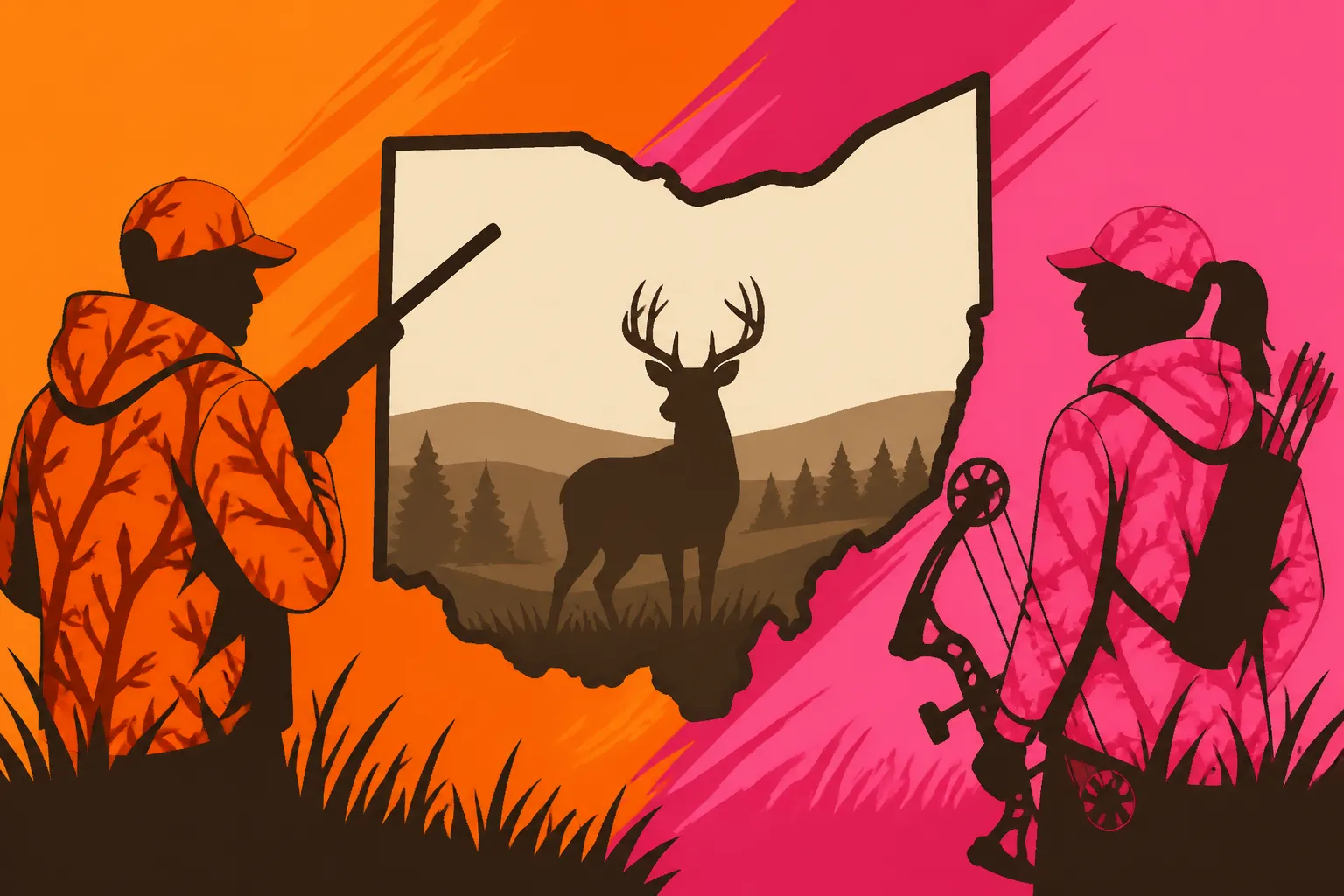
While blaze orange has been the long-standing norm, Ohio, like many other states, has introduced blaze pink as an alternative. This isn't just a fashion statement; it's a recognized safety color that offers similar, if not superior, visibility in certain conditions. For some, it's a welcome choice that adds a touch of personal expression to their hunting gear.
The Origin Story of Blaze Pink in Hunting
The idea of blaze pink in hunting apparel first emerged from research suggesting that certain shades of pink could be even more visible to the human eye against natural backgrounds than traditional blaze orange. This research also noted that many hunters, particularly women, might appreciate having an alternative color option, potentially encouraging more participation in hunting. Ohio was one of the states to adopt blaze pink into its hunting regulations, making it an officially recognized safety color that meets the same legal requirements as blaze orange.
This move wasn't without discussion, of course. Some traditionalists felt it was unnecessary, while others applauded the inclusivity and the scientific backing for its visibility. Ultimately, the goal remains the same: to enhance hunter safety. By providing an alternative, Ohio ensures that hunters have options while maintaining the high standards for visibility that are critical during busy gun seasons.
Comparing Blaze Pink's Visibility and Acceptance
From a scientific standpoint, blaze pink (often a very fluorescent, vibrant pink) can actually be more visible than blaze orange to the human eye, particularly in low-light conditions or against certain types of foliage. The human eye's sensitivity to the specific wavelength of light reflected by fluorescent pink can make it pop out even more vividly. Just like blaze orange, deer perceive blaze pink as a dull gray, so it doesn't give away your position to your quarry.
In terms of acceptance, blaze pink has steadily gained traction. You'll see more and more hunters, both men and women, sporting it in the woods. While blaze orange is still the most prevalent, blaze pink offers a fresh look while adhering to the same safety principles. If you're trying to decide, consider trying on both colors in different lighting conditions, if possible, to see which you feel most confident wearing. Both are equally legal and equally effective at making you stand out to other humans in the field.
Navigating Exceptions and Practical Scenarios
Understanding the primary rules is one thing, but knowing the nuances and exceptions can prevent a lot of headaches and ensure you're always in compliance. Ohio's hunting regulations are comprehensive, and while they prioritize safety, they also account for different hunting methods and species.
When You Can Skip the Orange (or Pink)
There are indeed times when blaze orange or pink is not required, and in some cases, actively discouraged. The most obvious is during archery-only deer seasons, like Bowhunting Ohio's Long Archery Season. Since archers rely on stealth and close proximity to their quarry, wearing bright colors would be counterproductive. Similarly, when you're waterfowl hunting—whether it's on Hunting Lake Erie Marsh Zone Waterfowl or a small inland pond—camouflage is paramount to blend into your surroundings. Turkeys also have excellent color vision, so for Spring Turkey Hunting in Ohio or Ohio's Shotgun-Only Fall Turkey Season, you'll be wearing full camo.
However, even when it's not strictly required, common sense and a commitment to safety should always prevail. For instance, during archery season, if you're walking to or from your stand in the dark, especially on public land where other early-morning hunters might be present, carrying a small piece of blaze orange or even using a headlamp can be a wise choice. Once you're in your stand, you can stash it. Hunting Pressure on Ohio Public Land can sometimes be intense, so every little bit of extra visibility can contribute to a safer experience for everyone.
Maximizing Visibility Beyond the Minimum Requirements
Meeting the 400 square inch minimum is a good start, but there are ways to go above and beyond for even greater safety. Think about layering. If you have a blaze orange vest, consider wearing a blaze orange hat as well. This puts a highly visible color at a higher point, which can be seen over dense brush or terrain features that might obscure your torso. If you're on a deer drive, an additional orange bandana tied to your pack can also add to your overall footprint of safety color.
It's also crucial to ensure your blaze orange or pink isn't covered up. Don't throw your deer processing pack over your vest in a way that blocks the color, or wear a dark backpack that completely hides your back. If you're wearing a Treestand Setups in Appalachian Ohio Hardwoods safety harness, make sure the straps don't significantly reduce your visible area. The goal is to be seen from all angles. During gun season, I always make sure my outer layer is completely blaze orange or pink. Even when Hunting the Rut in Early November during archery season, I’ll wear a blaze orange hat while walking in and out of my stand, only taking it off once I’m settled. It’s a small extra step that offers peace of mind.
Equipping Yourself: Choosing and Caring for Your Safety Gear
Getting the right gear is more than just picking a color; it’s about durability, comfort, and ensuring it performs as intended season after season. Investing in quality safety apparel is just as important as investing in your rifle or bow.
Must-Have Blaze Orange or Pink Items
When it comes to essential gear, there are a few items that stand out for meeting Ohio's blaze orange and pink requirements while offering practicality:
- Vests: A simple, lightweight vest is the most common and often easiest way to meet the 400 square inch requirement. Look for options with adjustable straps so you can wear them over heavy winter jackets or lighter early-season layers. Some vests even have small pockets for essentials.
- Jackets/Outerwear: Many hunting apparel brands offer full blaze orange or pink jackets, either insulated for cold weather or as a shell for layering. These provide more coverage and often integrate other useful features like waterproof membranes or scent control.
- Hats: While a hat alone rarely meets the 400 square inch rule, a blaze orange or pink cap or beanie is an excellent complement to a vest or jacket. It adds an extra layer of visibility, especially when you're bending over or in dense cover. A beanie for cold weather sits nicely atop your head, providing warmth and visibility.
- Backpack Covers: If your hunting backpack is a dark color, a fitted blaze orange or pink cover can be a great addition. This ensures that the color requirement is maintained on your back, even when carrying a full load of gear into Wayne National Forest Hunting.
You can often find these items at local sporting goods stores or online retailers. When considering brands, look for those known for durable hunting apparel. Remember, the key is solid color. Avoid anything with large sections of camouflage during mandatory wear times. Before your hunt, check out the ODNR's website or use your GoHunt app to quickly review the latest regulations, ensuring your gear aligns with current standards.
Ensuring Longevity and Compliance of Your Gear
Your blaze orange or pink gear is a safety tool, so keeping it in top condition is paramount. Over time, sunlight exposure, dirt, and repeated washing can cause the vibrant fluorescent dyes to fade. A faded vest, while technically still orange or pink, might not offer the same high level of visibility it once did, especially in challenging light conditions.
Here are a few tips for caring for your safety apparel:
- Wash Carefully: Follow the garment's care instructions. Many modern hunting clothes are designed for minimal washing or specific detergents (like those free of UV brighteners, which can make you more visible to deer). Avoid harsh bleaches, which can degrade the fabric and color.
- Store Properly: Store your blaze orange or pink gear out of direct sunlight when not in use. Sunlight is a major culprit for fading fluorescent colors. A dark closet or a sealed tote is ideal.
- Inspect Regularly: Before each hunting season, or even before each hunt, give your safety apparel a quick once-over. Check for rips, tears, or excessive fading. If it looks significantly duller than when you bought it, it might be time for a replacement. A well-maintained vest or jacket could literally save your life or prevent an accident in the field.
- Consider Duplicates: If you hunt frequently, having a spare vest or hat can be a lifesaver if one gets lost, damaged, or too dirty to be effective. It’s a small investment for continuous safety.
By understanding Ohio's blaze orange and pink regulations, making informed gear choices, and properly maintaining your safety apparel, you're not just complying with the law—you're actively contributing to a safer, more responsible hunting community. Happy hunting, and stay safe out there!
Disclaimer
This article is for general informational purposes only and does not constitute professional advice. Laws, prices and regulations vary by location and change over time. Consult a qualified professional for guidance on your specific situation.