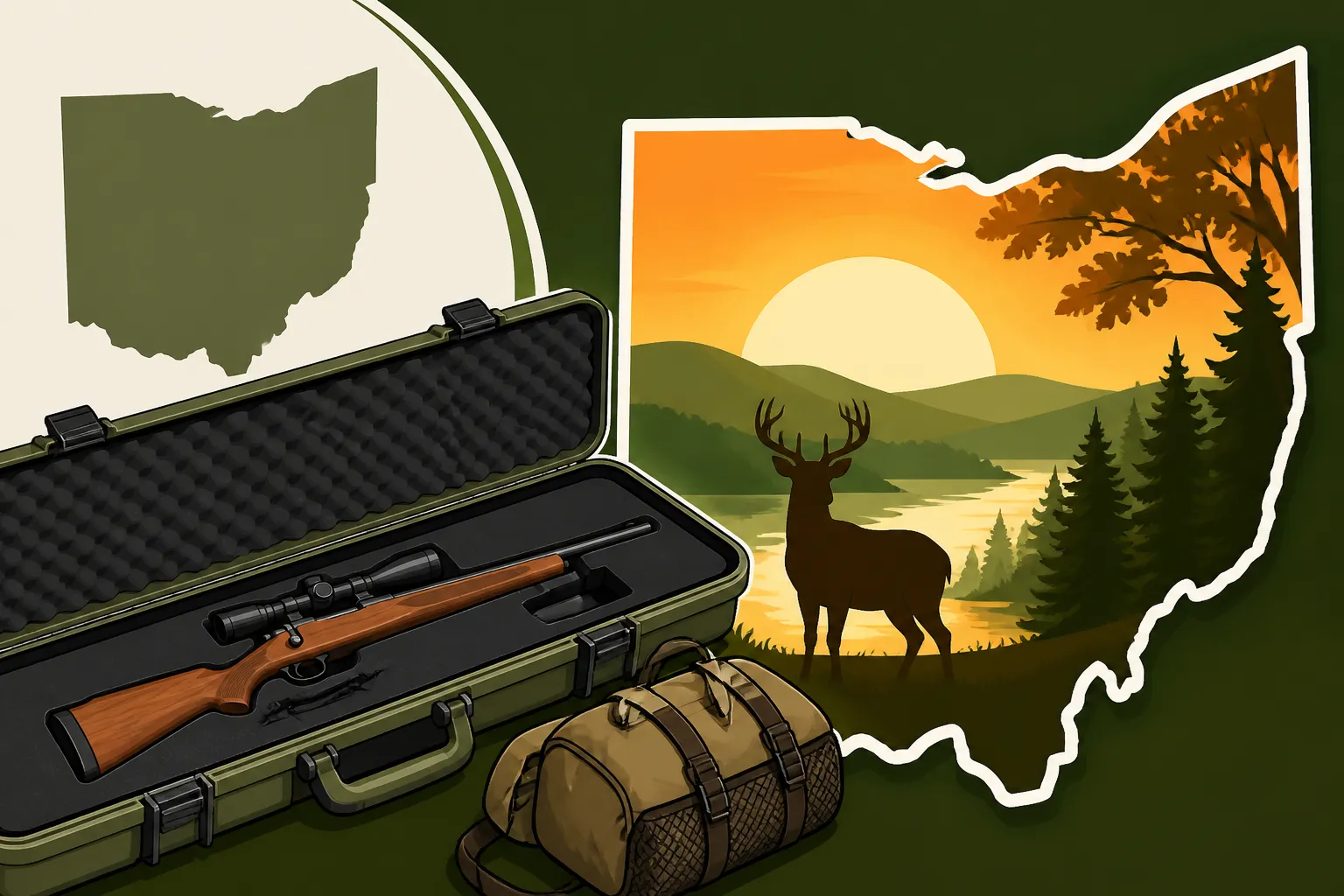
Rifle Cases for Travel to Ohio
Traveling to Ohio with your hunting rifle can sometimes feel like navigating a maze of regulations, packing concerns, and general anxiety about keeping your valuable gear safe and legal. It’s not just about tossing your rifle in the truck; it's about understanding the nuances of transporting firearms, protecting your investment, and ensuring a smooth journey from your home to your favorite hunting spot in the Buckeye State. This guide is here to walk you through everything you need to know about rifle cases for traveling to Ohio, from legal considerations to practical packing tips.
Why a Good Rifle Case is Crucial for Travel to Ohio
When you're packing up for a hunting trip, whether it's a quick drive across state lines or a longer journey, the case your rifle travels in is more than just a box. It's a guardian for your investment, a shield against damage, and a crucial component in complying with both state and federal transportation laws. For Ohio hunters, or those visiting, understanding these aspects is paramount to a stress-free trip.
Legal Compliance and Safety
First and foremost, a proper rifle case is a legal necessity. Federal and state laws dictate how firearms, especially long guns, must be transported. Generally, this means an unloaded firearm in a separate, locked container from its ammunition. This isn't just bureaucratic red tape; it's a safety measure designed to prevent accidental discharges and unauthorized access, especially when traveling through public spaces or across varying jurisdictions. Imagine driving through a small town in Ohio and getting pulled over for a minor traffic infraction. Having your rifle secured in a proper, locked case can alleviate a lot of potential misunderstandings and keep you squarely within the bounds of the law. You've done your homework on Ohio Legal Firearms for Deer Hunting and the specific requirements for Ohio Straight-Wall Cartridge Rules, so don't let a sloppy transport method undo all that good planning.
Furthermore, if you're flying to Ohio, TSA regulations are incredibly strict. Your rifle must be in a hard-sided, locked case that can only be opened by you. The locks must be TSA-approved, but the case itself needs to be robust enough to withstand the rigors of baggage handling. Without the right case, your rifle simply won't make it onto the plane, potentially ruining your hunting plans before they even begin. Even if you're driving, a locked case deters theft, which is a heartbreaking reality that no hunter wants to face.
Protecting Your Investment
Let's be honest, a good hunting rifle isn't cheap. It's an investment, often built with precision and cared for meticulously. Dropping your rifle, having it shift during transit, or suffering impacts can throw off your zero, damage optics, or even bend critical components. A quality rifle case acts as a protective shell, absorbing shocks and impacts that inevitably occur during travel. Think about those long drives down gravel roads in southeastern Ohio, headed to a public hunting area like Wayne National Forest. Every bump and jostle can take a toll. A cheap, flimsy case might offer minimal protection, leading to costly repairs or, worse, a missed shot when you finally get into position on a mature buck.
Beyond physical damage, a good case also protects your rifle from environmental factors. Rain, snow, road salt, and dust are all enemies of finely tuned firearms. A waterproof or highly water-resistant case can save you hours of cleaning and prevent rust from forming, especially if you're traveling through adverse weather conditions common during Ohio's late-season hunts. When you've put in the time to clean your rifle after a wet sit, you want that effort to last.
Convenience and Organization
Finally, a well-designed rifle case adds a layer of convenience to your hunting trip. Many cases include dedicated compartments for magazines, slings, cleaning kits, and even optics like a Rifle Scopes for Low-Light Timber. This organization means less rummaging through multiple bags when you arrive at your destination. Everything is in one place, protected and ready to go. Some cases even feature wheels, making it much easier to move heavier firearms and gear through airports or from your vehicle to a cabin. This thoughtful design can significantly reduce stress and streamline your preparation, allowing you to focus on the hunt itself rather than the logistics of your gear.
Types of Rifle Cases for Different Travel Needs
Choosing the right rifle case isn't a one-size-fits-all decision. Your travel plans, the type of rifle you own, and even your budget will dictate which kind of case makes the most sense for you. Let's break down the main categories so you can make an informed choice for your next Ohio hunting adventure.
Soft Cases: Light Protection for Local Trips
Soft rifle cases are typically made from durable fabric like nylon or Cordura, often with a padded interior. They're lightweight, flexible, and usually the most affordable option.
- When to Use Them: Soft cases are ideal for short trips to the local shooting range, a quick run to a nearby private hunting spot, or transporting your rifle in the bed of your truck when you know it won't be exposed to heavy impacts or harsh weather. They offer basic scratch and ding protection and can make carrying a rifle more comfortable, especially with shoulder straps. If you're just driving from Columbus out to a friend's farm for an afternoon hunt, a soft case might be perfectly adequate.
- Limitations: The main drawback is their limited protection. They won't protect your rifle from heavy impacts, crushing forces, or significant moisture. They also typically don't offer the same level of security as hard cases, as they can often be cut or forced open relatively easily, even if they have a zipper lock. They are generally not suitable for air travel or situations where your rifle might be out of your direct control for an extended period.
Hard Cases: Robust Security for Serious Travel
Hard rifle cases are constructed from rugged materials like molded plastic (polypropylene, ABS) or aluminum. They feature rigid walls, often with foam inserts (pick-and-pluck or custom-cut) that conform to your rifle's shape, providing superior impact protection.
- When to Use Them: This is the go-to option for air travel, long road trips where your rifle might be stored in a trunk or truck bed with other gear, or any situation where maximum protection and security are paramount. Hard cases are designed to withstand significant abuse, protecting your firearm from drops, impacts, and even water intrusion (many are gasket-sealed and watertight). They almost always include multiple robust locking points, making them compliant with airline travel regulations and a strong deterrent against theft. If you're flying into Cleveland to hunt Ohio Waterfowl Hunting on Lake Erie and Inland or driving across the country to hunt deer in Shawnee State Forest, a hard case is essentially non-negotiable.
- Variations:
- Plastic Hard Cases: These are the most common and offer excellent protection for their cost. Look for cases with thick walls, strong latches (preferably with metal pins), and multiple padlock points. Brands like Pelican, SKB, and Plano are popular choices, and many come with pressure equalization valves for air travel.
- Aluminum Hard Cases: Often lighter than plastic alternatives for the same level of protection, aluminum cases can also offer a more premium look. They're generally more expensive but provide excellent rigidity.
- Wheeled Cases: For heavier rifles or multiple firearms, a wheeled hard case can be a game-changer. Dragging a 30-pound case through an airport is no fun, so built-in wheels and a retractable handle are incredibly convenient.
Hybrid Cases: A Blend of Both Worlds
Some manufacturers offer "hybrid" cases that attempt to combine the best features of soft and hard cases. These might have a semi-rigid exterior, often with more internal padding and structure than a typical soft case, but without the full bulk and weight of a true hard case.
- When to Use Them: These can be a good compromise for moderate travel scenarios, such as extended road trips where you still want more protection than a soft case offers but don't need the extreme ruggedness or weight of a full hard case. They're usually not airline-approved for checked firearms, but they can be a solid option for car travel, offering enhanced protection against bumps and abrasions. They might have more storage pockets than a typical hard case.
Key Features to Look for in a Quality Rifle Case
Choosing a rifle case goes beyond just deciding between soft or hard. There are several specific features that differentiate a good case from a great one, especially when you're preparing for a hunting trip to Ohio. Investing in the right features upfront can save you headaches and heartaches down the road.
Durability and Materials
This is perhaps the most critical factor. Your rifle case needs to be able to withstand the rigors of travel and protect its contents.
- Hard Cases: Look for cases made from high-impact resistant polymers like injection-molded polypropylene. This material is known for its ability to absorb shock without cracking. Avoid cheaper, thinner plastics that can become brittle, especially in cold Ohio winter weather. Metal cases, typically aluminum, also offer superb durability and are often lighter for their strength. Pay attention to the hinges and latches; metal hinges and positive-action latches (the kind that snap securely into place) are preferable to plastic ones that can break or wear out quickly.
- Soft Cases: Even for soft cases, material matters. Heavy-duty nylon or Cordura fabrics with reinforced stitching will hold up much better than flimsy, lightweight materials. Look for robust zippers, preferably self-healing ones, and strong D-rings or loops for external straps.
Internal Padding and Fit
The inside of the case is just as important as the outside. It's what cradles your rifle and prevents movement that could lead to damage.
- Foam Inserts: For hard cases, dense foam is key.
- Pick-and-Pluck Foam: This type of foam comes pre-scored in small cubes, allowing you to customize the fit for your rifle and optics by simply plucking out the desired sections. It’s great for a custom fit without professional help.
- Solid Foam with Custom Cutouts: Some high-end cases offer solid foam that can be professionally cut to the exact shape of your rifle. This provides the most secure fit but requires specialized equipment.
- Convoluted Foam ("Egg Crate"): While it offers some cushioning, it doesn't secure the rifle as tightly as pick-and-pluck or custom-cut foam, allowing for more movement. It's usually found in less expensive cases.
- Internal Straps: Some cases, both hard and soft, include internal hook-and-loop or nylon straps to further secure the rifle, preventing it from shifting even if the foam isn't a perfect fit. This is especially useful if you carry different rifles in the same case.
Security Features
A secure case is a non-negotiable, especially for air travel or when leaving your rifle unattended.
- Lockable Latches/Points: Hard cases should have multiple steel padlock points or integrated locking mechanisms. For air travel, these must accommodate TSA-approved locks (which TSA can open with a master key) and ensure the case cannot be pried open. Look for cases where the locks are shrouded or protected from easy cutting.
- Reinforced Zippers: For soft cases, look for zippers that can be locked together with a small padlock. While not as secure as a hard case, it adds a layer of deterrence.
- Concealment: While not a security feature in the traditional sense, a case that doesn't scream "FIREARM INSIDE!" can be a wise choice. A discreet, nondescript case attracts less attention, which can be a form of security in itself. This is something to consider if you're traveling through urban areas or busy train stations to get to your hunting grounds.
Weather Sealing and Environmental Protection
Ohio weather can be unpredictable, from crisp, dry autumn days to cold, wet January muzzleloader hunts. Your rifle case needs to protect against the elements.
- Gasket Seals: High-quality hard cases often feature a rubber gasket seal around the lid. This creates a watertight and dust-proof barrier, protecting your rifle from rain, snow, humidity, and fine dust. Look for an IP (Ingress Protection) rating, with higher numbers indicating better sealing.
- Pressure Equalization Valve: Essential for air travel, this valve allows air pressure inside the case to equalize with the external atmosphere, preventing vacuum locks and making the case easier to open after a flight. It's designed to let air out without letting water in.
Ease of Transport
A heavy rifle case is only useful if you can actually move it.
- Wheels and Handles: For larger or heavier cases, integrated wheels and a retractable handle are invaluable. Make sure the wheels are sturdy and the handle is robust enough to handle the weight.
- Carry Handles/Straps: Even smaller cases should have comfortable, ergonomic handles. Soft cases benefit from padded shoulder straps, especially if you have a bit of a walk from the parking area to your stand.
This table summarizes the key features to consider:
| Feature | Soft Cases (Local) | Hard Cases (Serious Travel) |
|---|---|---|
| Primary Protection | Scratches, minor bumps | Impacts, crushing, weather, theft |
| Materials | Nylon, Cordura, canvas | High-impact polymer (e.g., polypropylene), aluminum |
| Internal Padding | Basic foam, fleece lining | Dense pick-and-pluck, custom-cut, or convoluted foam |
| Security | Lockable zippers (minimal) | Multiple padlock points, robust latches, integrated locks |
| Weather Protection | Minimal (splash-resistant at best) | Gasket seals, watertight, dust-proof |
| Portability | Lightweight, shoulder strap | Often heavy, wheels & retractable handle common |
| Air Travel Approved | No | Yes (TSA compliant for checked firearms) |
| Typical Cost Range | Lower | Moderate to High |
Packing Your Rifle Case for Ohio Travel
Once you've chosen the perfect rifle case, the next step is to pack it correctly. Proper packing ensures your rifle and accessories are secure, protected, and comply with all travel regulations, whether you're driving to hunt Rabbit and Upland Bird Hunting in Ohio or flying in for Ohio's Two-Weekend Gun Deer Season.
The Rifle Itself: Unloaded and Secure
This is the golden rule: your rifle must be unloaded. Always double-check the chamber and magazine well. For extra peace of mind, many hunters use a chamber flag to visually confirm the rifle is empty.
- Positioning: Lay your rifle in the case, ensuring it's centered and fully supported by the foam inserts. If you have pick-and-pluck foam, make sure the cutouts are snug, preventing any movement. The rifle should not be able to slide around at all. If your case uses straps, cinch them down firmly but not so tight that they distort the case or put undue pressure on the rifle.
- Optics Protection: If your scope is mounted, ensure it's nestled securely in the foam. Consider adding neoprene scope covers for an extra layer of protection, even within the case. This protects the delicate lenses and turrets from accidental bumps.
- Disassembly (If Applicable): For some rifles, like AR platforms, breaking them down into upper and lower receivers can create a more compact and secure fit in smaller cases. Just ensure both halves are equally well-protected.
Ammunition and Accessories: Separate and Safe
This is where many travelers make mistakes, especially with ammunition. Federal regulations and common sense dictate that ammunition must be stored separately from the firearm, and often in its own specific way.
- Ammunition Storage (Driving): When driving, ammunition can generally be kept in its original manufacturer's box or a purpose-built plastic ammo container. These containers prevent rounds from rattling loose and potentially getting damaged. Keep it in a separate compartment of your case, a separate bag, or in a different part of your vehicle. The key is "separate from the firearm." You'll want to make sure you have enough for your hunt, especially if you're trying out a new load for Ohio Minimum Rifle Caliber Rules.
- Ammunition Storage (Flying): This is where it gets stricter. Ammunition for air travel must be in its original manufacturer's box or a hard-sided container specifically designed for ammunition. It cannot be loose. It usually needs to be packed within the same checked baggage as the firearm, but still separate from the gun itself. Many hunters put their ammo boxes inside a small, lockable hard case (like a Pelican Ruck Case) and then place that inside the larger rifle case or another checked bag. Always check with your specific airline, as their rules can sometimes exceed TSA minimums.
- Magazines: Unloaded magazines can usually be placed in designated cutouts in the foam or in a separate pouch within the case. Ensure they are empty of all cartridges.
- Tools and Cleaning Kits: Small tools, scope adjustment wrenches, and a basic cleaning kit (bore snake, oil, patches) can often fit into dedicated compartments or small cutouts in the foam. Just make sure they don't scratch the rifle.
- Documents: Keep copies of your hunting license, deer permits, and any relevant state laws in a waterproof pouch inside the case or in your carry-on luggage. Having your Ohio Resident Hunting License Options readily available is always a good idea. Consider using a hunting app like GoHunt to store digital copies of permits and access maps for areas like Scouting Ohio Public Land Before Season—it’s super handy!
Maximizing Space and Organization
Even with a well-designed case, you want to use the space efficiently.
- Desiccant Packs: Throw a few desiccant packs (silica gel) into the case, especially if you're storing it for a while or traveling in humid conditions. They absorb moisture and help prevent rust.
- External Pockets (Soft Cases): Take advantage of any external pockets on soft cases for smaller, non-firearm-related items like ear protection, shooting glasses, or a small snack.
- Consider a Second Layer: Some hard cases have multiple layers of foam, allowing you to store additional accessories like binoculars, rangefinders, or even a handgun on a separate level, further maximizing space and organization.
- The "Grab Bag" Method: Many seasoned hunters have a small "grab bag" or pouch with essential items (knife, flashlight, wind checker, specific grunt call, etc.) that goes with the rifle case but isn't necessarily packed inside it. This ensures you have crucial items immediately accessible upon arrival, before you even unpack the rifle. Using GoHunt to quickly check hunting regulations on the fly can also save you time and hassle.
By following these packing guidelines, you’ll not only ensure the safety and security of your rifle for your Ohio hunting trip but also guarantee that your travel is compliant with all necessary regulations. This means less worrying about logistics and more focus on enjoying your time in the field.
Disclaimer
This article is for general informational purposes only and does not constitute professional advice. Laws, prices and regulations vary by location and change over time. Consult a qualified professional for guidance on your specific situation.