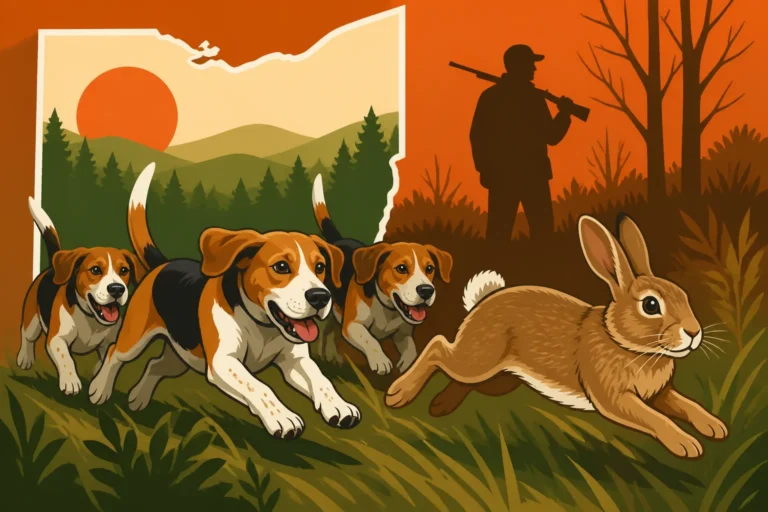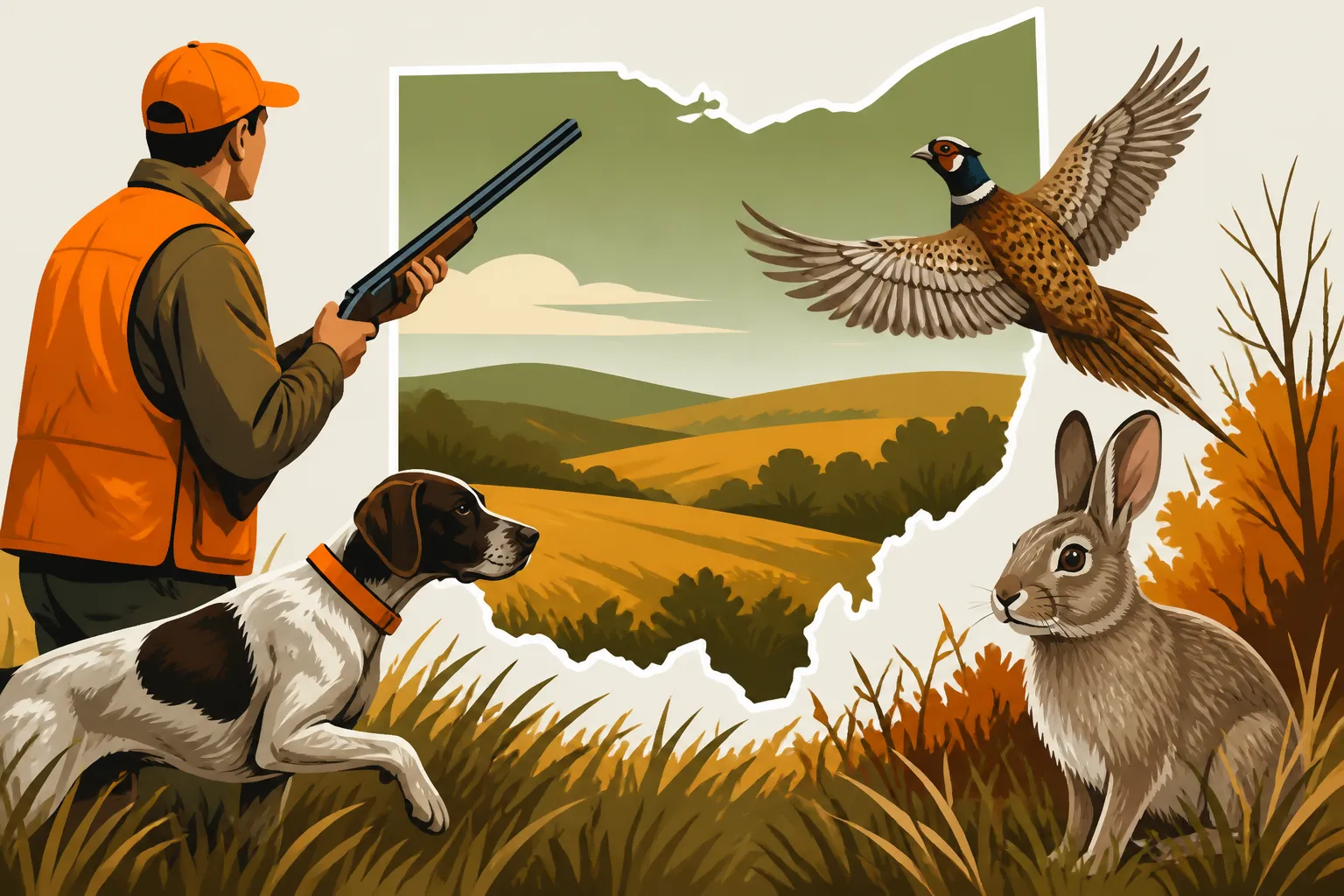
Rabbit and Upland Bird Hunting in Ohio
There's something incredibly timeless and deeply satisfying about hunting small game in Ohio. While the big bucks and gobblers get most of the attention, the real heart of hunting for many of us, myself included, lies in the chase of a wily cottontail or the explosive flush of a pheasant. But let's be honest, finding consistent action for these smaller critters isn't always as simple as it used to be. This comprehensive guide will walk you through everything you need to know to pursue rabbits and upland birds across the Buckeye State, covering tactics, gear, locations, and the current status of these cherished species.
The Enduring Appeal of Small Game Hunting in Ohio
Small game hunting often feels like a warm, worn-out flannel shirt – comfortable, familiar, and always brings back good memories. For many, it's where their hunting journey truly began, a foundational experience that predates the deer stands and turkey blinds.
A Nod to Tradition and Nostalgia
I remember my grandpa, a man of few words, teaching me how to walk a fencerow, kicking at every brush pile hoping to jump a rabbit. Those crisp autumn mornings, the sound of beagle hounds baying in the distance, or the sudden, heart-stopping cackle of a pheasant exploding from cover – these are the moments etched into my memory. It wasn't about the size of the trophy; it was about the experience, the camaraderie, and the simple joy of being out in nature with family. This tradition continues, offering a wonderful, less intimidating entry point for new hunters, especially kids, who can experience action and learn basic hunting skills without the often long, cold sits associated with larger game. It fosters a connection to the land and a respect for the animals in a uniquely personal way.
Accessibility and Opportunity for All
Compared to the often expensive and specialized gear required for deer or turkey, small game hunting is remarkably accessible. A decent 12- or 20-gauge shotgun, some shells, and appropriate clothing are usually all you need to get started. You don't necessarily need a sprawling private land lease either; Ohio offers a wealth of public hunting areas managed by the Division of Wildlife that provide excellent opportunities for rabbits and pheasants. This accessibility means more people can participate, regardless of their budget or land access. It’s a great way to introduce someone to hunting in a low-pressure environment, where success is often measured more by the fun had and the lessons learned than by a full game bag. The short distances involved, the active nature of the hunt, and the relatively quick action make it ideal for keeping interest levels high for both young and old hunters alike.
Understanding Ohio's Key Small Game Species
Before you hit the field, it’s crucial to understand the animals you’re pursuing – their habits, habitats, and current population status in Ohio. This knowledge will significantly increase your chances of success and appreciation for the hunt.
The Elusive Eastern Cottontail Rabbit
The Eastern Cottontail is arguably the most pursued small game animal in Ohio, and for good reason. They are prolific breeders, providing consistent hunting opportunities even with significant pressure. These nimble creatures thrive in brushy cover – think fencerows, briar patches, honeysuckle thickets, old fields, and the edges of woodlots. They love areas where they can quickly dive into dense vegetation to escape predators. They are most active at dawn and dusk, but during hunting season, especially when it's cold, they'll often hold tight in their cover during the day.
Despite their abundance, hunting them successfully requires effort and a good understanding of their preferred hideouts. Ohio's rabbit populations can fluctuate year to year based on habitat and weather, but generally, they remain robust in agricultural areas with good cover. If you’re curious about specific regional trends, the ODNR often publishes data on Ohio Rabbit Numbers Today, which can offer insights into where populations are doing particularly well. Hunters often find the most success in the same areas year after year, as long as the habitat remains intact. Look for areas with a mix of open fields for feeding and dense, low-growing vegetation for sanctuary.
The Iconic Ring-Necked Pheasant
Ah, the pheasant. For many, the sight of a rooster pheasant taking flight, with its vibrant plumage and distinctive cackle, embodies the essence of upland hunting. While historically more widespread, wild pheasant populations in Ohio are now quite limited, primarily to specific pockets of quality grassland habitat in the northwestern and western parts of the state. These birds require large tracts of dense grasses for nesting, roosting, and winter cover, often found in Conservation Reserve Program (CRP) fields or other undisturbed grasslands mixed with agricultural land.
However, Ohio's hunters are still fortunate to have excellent pheasant hunting thanks to the ODNR's robust stocking program. Each fall, thousands of pen-raised pheasants are released on numerous public wildlife areas across the state, providing fantastic opportunities for hunters and their dogs. Understanding Ohio Pheasant Season and Stocking schedules and locations is key to planning a successful pheasant hunt. These stocked birds, while not as wary as their wild counterparts, still offer a challenging and exciting hunt. They tend to stick to the heavier cover where they are released, making systematic drives and dog work highly effective.
The Resilient Ruffed Grouse (and its Decline)
The ruffed grouse, once a symbol of Ohio's deep Appalachian woods, tells a different, more somber story. These incredible birds are masters of camouflage and burst from cover with a startling thunder. Unfortunately, due to widespread habitat loss and maturation of Ohio's forests, grouse populations have plummeted dramatically over the past few decades. They thrive in early successional forest habitats – young, brushy woodlands typically less than 20 years old, often found after timber harvests or wildfires. This specific habitat is now rare and fragmented in Ohio.
While still technically huntable in a few southeastern counties, finding a ruffed grouse in Ohio today is akin to finding a needle in a haystack. Most experienced grouse hunters will tell you that true "grouse hunting" for wild birds is practically non-existent in the state. The ODNR provides information on Ohio Ruffed Grouse Numbers Today, which sadly confirms this decline. Despite this, some dedicated hunters still venture into the thickest, youngest cuts of Wayne National Forest or Shawnee State Forest, more for the challenge and nostalgia than for a realistic expectation of a bird. It’s a pursuit that often yields more frustration than birds, but for those who love the deep woods, the possibility, however remote, keeps them going back.
Other Upland Opportunities: Quail and Woodcock
While rabbits and pheasants dominate Ohio's small game scene, there are a couple of other upland bird species that occasionally cross paths with hunters, though often with significant restrictions or unique challenges.
Bobwhite quail, known for their distinctive "bob-white" call and tight covey flushes, were once common across much of Ohio. However, like grouse, their populations have suffered severe declines due to habitat loss, particularly the disappearance of hedgerows, small farms, and diverse agricultural landscapes. The season for quail has been closed for many years, reflecting their critical status. Occasionally, you might hear a covey call or see a few birds in very specific, well-managed private properties in the southern part of the state, but for public land hunters, Ohio Bobwhite Quail Status confirms that these birds are largely off-limits and represent a species in need of major recovery efforts.
American woodcock, often called "timberdoodles," are migratory shorebirds that offer a unique upland hunting experience. These small, long-billed birds are not typically targeted by many Ohio hunters but can provide excellent action during their spring and fall migrations. They prefer moist, young, regenerating woodlands, especially areas with alders, willows, and dense undergrowth found near water sources. They are typically hunted over pointing dogs that can pinpoint their location as they hold incredibly tight. Their flight is erratic, making for a challenging shot. Their migratory nature means hunters need to time their outings with peak migration periods, which can vary year to year. While not as abundant as rabbits, a good woodcock flight can provide a memorable hunt for those willing to seek out their specific habitat.
Ohio Small Game Seasons and Regulations
Understanding the regulations, seasons, and licensing requirements is paramount for a safe and legal hunt. Ohio's hunting regulations are designed to manage wildlife populations responsibly while providing ample opportunity for hunters.
Key Dates for Rabbit and Pheasant
Ohio's small game seasons generally offer a generous window, allowing for many days in the field. For both rabbits and pheasants, the season typically opens in early November and runs through late January or even early February, depending on the year. This long season allows hunters to experience varied conditions, from mild autumn days to crisp winter snows, each offering different challenges and opportunities.
For rabbits, the daily bag limit is usually four, with a possession limit of eight. For pheasants, the daily bag limit is two, with a possession limit of four. It's crucial to consult the current Ohio Hunting and Trapping Regulations booklet or the ODNR website, as these dates and limits can shift slightly from year to year. For example, some wildlife areas that receive pheasant stockings might have specific opening dates or hunting days of the week. Always check the specifics for the current season before you go. The overlap of the small game season with deer gun season also means increased hunter traffic in some areas, so always be mindful of other hunters. For a detailed overview, check out Ohio Small Game and Upland Bird Seasons.
Ruffed Grouse and Other Upland Bird Dates
The season for ruffed grouse in Ohio has become increasingly restricted, reflecting the species' dire population status. Historically, it ran concurrent with other small game, but now it's typically confined to a short, very specific period, usually in November. The daily bag limit for grouse is often just one, with a possession limit of two, and sometimes even tighter restrictions on harvest are implemented or considered. Given their scarcity, most hunters consider any grouse flushed, let alone harvested, a significant achievement.
For woodcock, as a migratory bird, the season is set by federal frameworks and typically falls within October and November. The daily bag limit is usually three, with a possession limit of nine. It's important to remember that woodcock, like other migratory game birds, require specific federal certification (HIP) in addition to your state hunting license. Again, always double-check the current regulations, as migratory bird seasons can have very precise dates and shooting hours.
License and Certification Requirements
To hunt small game in Ohio, all hunters aged 18 and over must possess a valid Ohio hunting license. Non-residents will need to purchase a non-resident hunting license. For those under 18, a youth hunting license is available, and Ohio also offers an apprentice hunting license program, which allows individuals to try hunting under the supervision of a licensed mentor before completing a hunter education course. This is a fantastic way to get new hunters into the field safely. You can find detailed information on Ohio Hunting Licenses and What They Cost and various options on the Wild Ohio website.
In addition to the base hunting license, anyone hunting migratory game birds, which includes woodcock, must obtain an Ohio Migratory Bird Harvest Information Program (HIP) certification. This is a free certification that helps the U.S. Fish and Wildlife Service gather data on migratory bird harvests. It's easy to get when you purchase your license online or at an authorized vendor. While not required for rabbits or pheasants (unless they are also considered migratory in certain contexts, which for pen-raised pheasants is generally not the case), it's a good practice to get it if you plan to hunt any bird species.
Always carry your license and any required permits with you while hunting. Digital copies on your phone are often accepted, but a physical copy provides peace of mind, especially in areas with spotty cell service. When checking maps on the GoHunt app for public land boundaries, make sure you know where you are at all times, as enforcement officers can and do check licenses in the field.
Essential Gear for Ohio Small Game Hunting
One of the beauties of small game hunting is that it doesn't require an arsenal of expensive, specialized equipment. However, having the right tools for the job will certainly make your time in the field more enjoyable and productive.
Shotguns and Ammunition Choices
For rabbits and upland birds, a shotgun is the undisputed king. Most hunters opt for a 12-gauge or 20-gauge, both of which are highly effective. A 20-gauge is often preferred for lighter weight and less recoil, making it an excellent choice for younger hunters or those who prefer a more nimble gun for quick-flushing birds. A 12-gauge offers a bit more punch and pattern density, which can be an advantage in windy conditions or at slightly longer ranges.
Choke selection is important. An Improved Cylinder (IC) or Modified (Mod) choke is generally ideal for small game, as it provides a wider shot pattern at typical shooting distances (15-30 yards), increasing your chances of connecting with fast-moving targets. Full chokes are usually too tight for small game and can result in shredded meat.
As for ammunition, stick with smaller shot sizes. For rabbits, 6-shot or 7.5-shot lead loads are excellent. For pheasants, 5-shot or 6-shot are popular choices, while woodcock can be taken with 7.5- or even 9-shot. It's important to note that many public wildlife areas and federal lands, particularly those managed for waterfowl, may require the use of non-toxic shot (steel, bismuth, etc.). Always check specific area regulations to avoid a violation. While contrasting with deer hunting, remember that for small game, Shotgun Slugs for Ohio Deer are completely unnecessary and even dangerous; you need spread and smaller pellets.
Clothing, Footwear, and Safety Gear
Comfort and protection are key when crashing through briars and thick cover. Durable, briar-proof pants or chaps are a game-changer, protecting your legs from thorns, scratches, and ticks. A good hunting vest, preferably with an orange back panel for visibility and a large game pouch for carrying harvested game, is also essential.
Waterproof, comfortable boots with good ankle support are non-negotiable. You'll be walking through wet grass, mud, and uneven terrain, so keeping your feet dry and blister-free is critical. Brands like Irish Setter and LaCrosse offer excellent options for upland hunting.
Safety, as always, comes first. Ohio law requires hunters for most species, including small game, to wear hunter orange during specific seasons. During the statewide deer gun season, for instance, all hunters must wear a minimum of 500 square inches of solid hunter orange (or camouflage hunter orange) on their head, back, and chest. Even outside of gun season, wearing some blaze orange or Ohio Blaze Orange Requirements is highly recommended for visibility, especially if you're hunting with a group or in areas with other hunters. Eye protection and ear protection are also wise choices, especially on crowded public lands or when hunting with multiple shooters.
Navigation and Game Recovery Tools
Even if you're familiar with an area, carrying a reliable navigation tool is crucial. Modern smartphone apps like GoHunt offer detailed satellite imagery, topographic maps, and public/private land boundary overlays. This is invaluable for staying on public land, identifying potential rabbit coverts, or navigating dense pheasant fields. Before heading out, make sure to download offline maps, as cell service can be spotty in many rural hunting areas. A traditional GPS unit is also a solid backup.
Once you've harvested game, you'll need a way to carry it. Most upland vests have integrated game pouches, which work well. For larger birds like pheasants, or multiple rabbits, a small game bag carried over your shoulder can be useful. A sharp, durable knife is essential for field dressing, if desired, or simply preparing your harvest for transport. If you're hunting with dogs, a bell on their collar helps you keep track of them in thick cover, and a GPS dog collar can be a lifesaver if they get too far ahead or on point. Always have water for your dog, especially on warmer days, and a basic canine first-aid kit is a smart addition to your pack.
Tactics for Rabbit Hunting Ohio's Coverts
Hunting rabbits is an active pursuit that demands patience, keen observation, and often a fair bit of bushwhacking. There are a few primary methods, each with its own charm and effectiveness.
Hunting With Beagles: The Classic Method
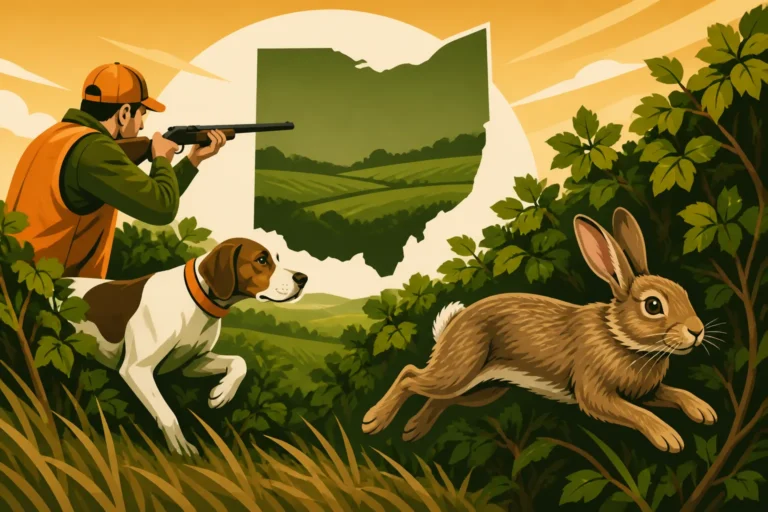
For many, rabbit hunting is beagle hunting. There's a primal joy in listening to the melodic baying of a pack of beagles as they unravel a rabbit's scent trail. This traditional method is highly effective and incredibly engaging. The dogs flush the rabbit from its hiding spot and then, through a combination of scent and sight, push it in a circle. Rabbits, being creatures of habit and territory, will often run in predictable patterns, eventually circling back near where they were jumped.
The key to success with beagles lies in positioning the shooters. Hunters typically spread out around the expected escape routes or where the rabbit was originally jumped. When the dogs get hot on a track, listen carefully to the changes in their baying – it often tells you how close they are and which direction the rabbit is headed. Be ready for a fast, fleeting shot as the rabbit zips through openings in the brush. This method is incredibly social, a perfect excuse for a group of friends or family to spend a crisp autumn day afield. Just remember that Running Beagles on Ohio Cottontails is a tradition to be cherished, but also requires careful attention to dog care and obedience training. Ensure your dogs are well-trained to recall and stay within reasonable hunting boundaries, especially near roads or private property lines.
Stomping and Kicking Out Rabbits
If you don't have a pack of beagles, or prefer a more independent hunt, stomping and kicking out rabbits can be surprisingly effective. This method involves methodically walking through dense rabbit cover, actively kicking at brush piles, thickets, and fencerows to flush the rabbits. It's hard work, but it can be incredibly rewarding.
Focus your efforts on areas where rabbits love to hide: overgrown fencerows that connect woodlots, thick briar patches, honeysuckle stands, downed tree tops, tall grass, and even piles of discarded farm equipment. Rabbits will often wait until you are almost on top of them before bursting out, so be alert and ready for a quick shot. Walk slowly and deliberately, pausing occasionally. These pauses often make a rabbit nervous enough to bolt, giving you a chance. Hunting with a partner or two can be beneficial; one person can walk through the cover while the others walk the edges, ready to intercept a bolting rabbit. For those hunting specific linear cover, focusing on Rabbit Hunting Ohio Fencerows can yield a good number of flushes. These narrow strips of habitat are often overlooked and can be rabbit havens.
Leveraging Late Season Snow and Cold
Late season rabbit hunting, particularly after a fresh snowfall, offers a unique advantage. Not only do rabbits hold much tighter in cover when temperatures drop, making them easier to flush at close range, but fresh snow reveals their tracks. This allows you to "track up" a rabbit – follow its tracks to its daytime bedding area, often a dense briar patch or a brush pile. Once you locate where the tracks lead into heavy cover, you can then methodically work that area to flush the rabbit.
The cold weather also affects rabbit behavior. They spend more time conserving energy and are less likely to run long distances once flushed. This can give you a better opportunity for a shot. Just be sure to dress warmly in layers and wear good waterproof boots, as slushy snow and freezing temperatures can quickly make an outing miserable if you're not prepared. Snow also makes visibility of rabbits against the white background easier once they flush, but conversely, they can also blend in surprisingly well with shadows and brush.
Strategies for Upland Birds in Ohio
Hunting upland birds, especially pheasants and the elusive grouse, requires different tactics and a good understanding of their preferred habitats. Success often hinges on methodical hunting and, ideally, a good bird dog.
Pheasant Hunting: Public Land and Stocking Areas
For pheasant hunters in Ohio, the focus largely shifts to the public wildlife areas where the ODNR conducts its pheasant stocking program. These areas are strategically chosen to offer suitable habitat and accessibility for hunters. Places like Killdeer Plains Wildlife Area, Resthaven Wildlife Area, and Oxbow Lake Wildlife Area are well-known for their stocking efforts and often have designated pheasant hunting days or zones. It's crucial to check the ODNR's website or the current hunting regulations for specific details on these areas, including stocking dates, special rules, and hunting hours.
The most effective way to hunt pheasants, especially in these larger, open-field settings, is with a good bird dog. Pointers like German Shorthaired Pointers, English Setters, or Brittanys will methodically quarter the field, locking up on point when they scent a bird. Flushers like Labrador Retrievers or Springer Spaniels will work closer, pushing birds out of cover. When hunting with a dog, pay attention to its behavior; a dog getting birdy is your cue to slow down and be ready.
Without a dog, hunting stocked pheasants involves systematic drives through dense cover. This usually works best with a group of hunters walking in a line, pushing birds towards blockers positioned at the end of the field or at logical escape points. Walk slowly, being sure to kick through every bit of heavy cover, including cattail marshes, thick weed fields, and standing corn (where legal). Pheasants will often run rather than fly, so cutting off their escape routes and forcing a flush is key. Consider using the GoHunt app to scout aerial photos for good cover blocks on Pheasant Hunting Ohio Farm Country before you head out.
Grouse Hunting: The Appalachian Challenge
Hunting ruffed grouse in Ohio is less about bagging a limit and more about the pursuit itself. As mentioned, their populations are severely depressed, making consistent success exceedingly rare. However, if you're determined to try, your best bet lies deep within the rugged, unglaciated Appalachian foothills of southeastern Ohio, particularly in areas of Wayne National Forest or Shawnee State Forest that have seen recent timber cuts or disturbances creating young, dense regenerating forest.
Grouse rely on this "early successional" habitat – thick saplings, briars, and brush where they can hide from predators and find food. You won't find them in mature, open timber. Hunting grouse involves slow, methodical walking through the densest, nastiest cover you can find. Listen for the tell-tale thunder of their wings as they explode from cover. This flush is often your only warning. Many grouse hunters use pointing dogs (like English Setters or Brittanys) that are specifically trained to work tight and honor points on these famously difficult birds. Without a dog, it's primarily a game of flushing birds by surprise. Be prepared for thick brush, steep hillsides, and lots of walking. It's a challenging hunt, both physically and mentally, but the reward of seeing or even hearing a wild Ohio grouse is something special. The advice for Grouse Hunting Southeast Ohio Hills boils down to: find the nastiest, youngest habitat, and be ready for a fleeting shot.
Woodcock: Timberdoodle Tactics
Woodcock hunting is a niche pursuit, but it offers a unique and enjoyable experience for those willing to learn its nuances. These migratory birds prefer wet, young woodlands, particularly areas with alders, willows, and dense shrubby growth near water sources like creeks or swamps. They often "pothole" – land in small, isolated patches of cover, especially during migration.
The best time to hunt woodcock in Ohio is during their fall migration, typically from mid-October through November. A good pointing dog is almost essential for consistent success, as woodcock hold incredibly tight, allowing a dog to get right on top of them before flushing. Without a dog, you’ll be walking slowly through dense, wet cover, hoping to stumble upon one. Their flush is distinctive – a whirring, spiraling flight that can be tricky to shoot. Because they are often found in thick cover, shots are usually close and quick.
Look for areas with soft, moist soil, where they can probe for worms with their long bills. These can be bottomland forests, creek bottoms, or even small, wet corners of agricultural fields with good cover. Scouting these specific habitats can pay off immensely. Using the GoHunt app to identify riparian corridors and areas with dense, low-lying vegetation can help you pinpoint potential woodcock hotspots.
Choosing Where to Hunt Small Game in Ohio
Ohio offers a surprising amount of public land for hunters, and many of these areas are prime for small game. Knowing where to focus your efforts can save you a lot of time and legwork.
Ohio Wildlife Areas: Prime Public Access
The Ohio Department of Natural Resources (ODNR) manages numerous wildlife areas throughout the state, many of which are specifically managed for small game habitat. These areas are often a mix of agricultural fields, grasslands, wetlands, and woodlots, providing ideal cover for rabbits and pheasants.
Some of the standout wildlife areas for pheasant hunting include Killdeer Plains Wildlife Area in Wyandot and Marion counties, often considered one of Ohio's premier pheasant hunting destinations due to its extensive grassland habitat and regular stocking. Big Island Wildlife Area in Marion County and Resthaven Wildlife Area in Erie County are also excellent choices. These areas see significant pressure, especially on opening days and weekends, so consider hunting during weekdays or later in the season for a more solitary experience. For rabbit hunting, almost any wildlife area with good fencerows, briar patches, and brushy edges will hold cottontails. Areas in agricultural regions, such as those in northwest and central Ohio, tend to be particularly productive.
When planning a hunt on a wildlife area, it's always a good idea to visit the ODNR website or use the GoHunt app to download maps and check specific rules for that location. Some areas might have specific hunting zone boundaries, non-toxic shot requirements, or designated dog training areas. The app is a great tool for understanding Ohio Wildlife Areas layouts and finding hidden pockets of cover. It's truly a game-changer for navigating unfamiliar public grounds.
State Forests and Private Land Opportunities
Ohio's state forests, while primarily managed for timber, can also offer small game hunting opportunities, particularly for rabbits along forest edges, logging roads, and recent clear-cuts where young vegetation is regenerating. Wayne National Forest, especially its more remote sections in southeastern Ohio, can hold rabbits in similar habitats. While grouse are exceedingly rare, these deep woods are where you'd still find them, if anywhere, especially within young forest plots created by recent timber sales. Wayne National Forest Hunting and Shawnee State Forest Hunting provide comprehensive information for those looking to explore these vast public lands.
Accessing private land can unlock some of the best small game hunting, as these areas often receive less hunting pressure and can have excellent habitat. Farmers often appreciate hunters helping to control rabbit and pheasant populations, especially if they are causing damage to crops. The key to gaining private land access is respect and courtesy. Start by simply knocking on doors, introducing yourself, and politely asking for permission. Always ask well in advance of the season, and be clear about what you intend to hunt. Offering to share some of your harvest or help with small tasks around the farm can go a long way in building a relationship. Never trespass, and always obtain explicit permission, preferably in writing, to avoid any misunderstandings. It's also important to understand Ohio Trespass and Permission Law thoroughly. Sites like GoHunt can help you identify land ownership, which can be useful when you’re scouting potential private land opportunities and trying to find out who to talk to about access.
Training and Hunting with Dogs
For many, small game hunting and hunting dogs go hand-in-hand. A well-trained dog can elevate the experience from a walk in the woods to a truly immersive and effective hunt.
Choosing and Training Your Hunting Companion
Selecting the right breed for small game depends largely on what you plan to hunt. For rabbits, beagles are the traditional and often best choice. Their keen noses and natural desire to trail make them excellent rabbit hounds. Training beagles focuses on developing their trailing instinct, recall, and voice. For pheasants and other upland birds, pointing breeds (German Shorthaired Pointers, English Setters, Brittanys, Vizslas) or flushing breeds (Labrador Retrievers, Springer Spaniels) are ideal. Pointers will locate birds and "point," holding steady until you arrive to flush the bird. Flushers will work closer to the hunter, busting birds from cover.
Regardless of breed, basic obedience is the foundation of any good gun dog. Commands like "sit," "stay," "come," and "heel" are crucial for safety and control in the field. Beyond obedience, gun dog training involves exposure to gunfire, developing their retrieve, and extensive field work in relevant habitats. This is a commitment, often requiring professional help or dedicated time on your part, but the payoff is immense. A well-trained dog isn't just a tool; it's a true hunting partner.
Safety and Care for Your Hunting Dog
Your hunting dog's safety and well-being are paramount. In the field, dogs face numerous hazards. Hydration is critical; always carry ample water, especially on warmer days, and offer it frequently. Their paws can take a beating on rough terrain or frozen ground, so consider protective dog boots, especially for long hunts. A basic canine first-aid kit, including wound care, pain relief, and tick removal tools, should always be in your pack.
Tick and flea prevention is essential, as dogs are highly susceptible to picking up these parasites, which can transmit diseases. During hunting season, perform a thorough tick check after every outing. Wearing a bright, blaze orange dog vest not only increases their visibility to you and other hunters but also offers some protection from briars and sharp sticks. A GPS collar, like those offered by Garmin, is an invaluable tool for tracking your dog's location, especially in dense cover where they might get out of sight or on unfamiliar public land. Even with a good tracking collar, knowing E-Collar Use on Public Ground rules and local regulations is key. Most importantly, never leave your dog unattended or allow it to harass wildlife outside of legal hunting seasons and methods.
Processing and Enjoying Your Harvest
Successfully harvesting small game is only half the battle. Proper field care and preparation ensure that your hard-earned meal tastes its best.
Field Dressing and Cleaning Small Game
Quick field dressing is essential, especially on warmer days, to cool the meat and prevent spoilage. For rabbits, a quick slit to remove the entrails is sufficient in the field. Many hunters then skin and butcher rabbits at home. There are various methods, but a common one involves making an incision across the back, then pulling the skin off like a jacket.
Pheasants and other upland birds can be field dressed by removing the entrails, or you can opt for the "gutless method" where you breast out the meat in the field. For birds, plucking offers the best culinary experience, leaving the skin on for cooking, but it can be time-consuming. Many hunters opt to simply breast out the bird, removing only the breast meat. Regardless of your method, cooling the meat quickly is vital. Placing harvested game in a cooler with ice (ensuring the meat doesn't directly sit in meltwater) will help preserve its quality.
Culinary Delights from Ohio's Small Game
Both rabbit and pheasant are incredibly versatile and delicious table fare. Rabbit meat is lean, mild, and often compared to chicken, though with a slightly richer flavor. It's excellent stewed, fried, roasted, or braised. Classic recipes like rabbit cacciatore, rabbit in mustard sauce, or fried rabbit with gravy are perennial favorites.
Pheasant meat is also lean and flavorful, with a slightly richer taste than chicken. It cooks beautifully roasted whole (if plucked), grilled, or pan-fried. Many hunters use pheasant breasts for dishes like pheasant cordon bleu, pheasant pot pie, or simple sautéed pheasant with wild mushrooms. For specific ideas, you might enjoy exploring articles on Best-Eating Game in Ohio for inspiration that covers these smaller animals too. Proper care from field to table truly makes a difference in the final taste, so don't skip those crucial steps.
The Future of Small Game Hunting in Ohio
Small game hunting is a vital part of Ohio's hunting heritage, but like all outdoor pursuits, it faces challenges and relies on ongoing conservation efforts to thrive.
Conservation Efforts and Habitat Improvement
The biggest threat to small game populations, particularly pheasants and grouse, is habitat loss and degradation. Intensive agriculture, urban sprawl, and the maturation of forests reduce the crucial early successional and grassland habitats these animals depend on. The ODNR, along with partner organizations like Pheasants Forever, Quail Forever, and the Ruffed Grouse Society, are working tirelessly to address these issues.
Their efforts include habitat improvement projects on public lands, such as prescribed burns, timber harvests to create young forest, and planting native grasses and wildflowers. They also work with private landowners through programs like the Conservation Reserve Program (CRP) to incentivize the creation and maintenance of beneficial habitat. These programs are essential for providing the necessary cover, nesting sites, and food sources that small game need to survive and reproduce. Continued investment in these initiatives is paramount for the long-term health of Ohio's small game populations.
Mentoring New Hunters
Beyond habitat, the future of small game hunting, and hunting in general, depends on passing on the tradition to new generations. Small game hunting is an ideal gateway for new hunters, especially youth. It's active, often yields more opportunities for action than deer hunting, and is less physically demanding than some other types of hunting. The relatively simple gear requirements and widespread public land opportunities also make it more accessible.
Mentoring involves more than just teaching someone how to shoot. It's about teaching ethics, conservation, responsible land use, and an appreciation for the outdoors. It's about sharing those timeless experiences of crisp mornings, the excitement of a flushing bird, and the satisfaction of a shared meal. Programs like Ohio's apprentice hunting license and youth hunting weekends are designed to facilitate this mentorship. As experienced hunters, it's our responsibility to invite new individuals into the fold, share our knowledge, and ensure that the rich tradition of small game hunting in Ohio continues to thrive for decades to come. Encourage them to explore resources like the ODNR website or the GoHunt app to plan their first outings, building confidence and a sense of independence.
Ohio Small Game Season Overview
Here's a quick reference for Ohio's primary small game seasons and bag limits. Always consult the official ODNR hunting regulations for the most current information, as dates and limits can change annually.
| Species | Typical Season Dates | Daily Bag Limit | Possession Limit | Preferred Habitat | Common Hunting Methods |
|---|---|---|---|---|---|
| Eastern Cottontail Rabbit | Early Nov – Late Jan/Early Feb | 4 | 8 | Fencerows, briars, brush piles, woodlot edges | Beagles, stomping/kicking brush, snow tracking |
| Ring-Necked Pheasant | Early Nov – Late Jan/Early Feb | 2 (cocks only) | 4 (cocks only) | Grasslands, CRP fields, dense weed fields | Pointing/flushing dogs, systematic drives, blockers |
| Ruffed Grouse | Limited (typically short Nov window) | 1 | 2 | Young regenerating forests, thick undergrowth | Slow methodical walking, pointing dogs (rare success) |
| American Woodcock | Mid-Oct – Late Nov (migratory) | 3 | 9 | Wet woodlands, alders, creek bottoms, moist soil | Pointing dogs, slow walking (timed with migration) |
Note: All dates and limits are subject to change. Always refer to the current Ohio Hunting and Trapping Regulations booklet for precise, up-to-date information.
Disclaimer
The information provided in this guide is for informational purposes only and is not a substitute for official hunting regulations. Hunters are responsible for knowing and following all current Ohio hunting laws, regulations, and licensing requirements, as established by the Ohio Department of Natural Resources (ODNR). Always prioritize safety and ethical hunting practices.