Ohio Bobwhite Quail Status
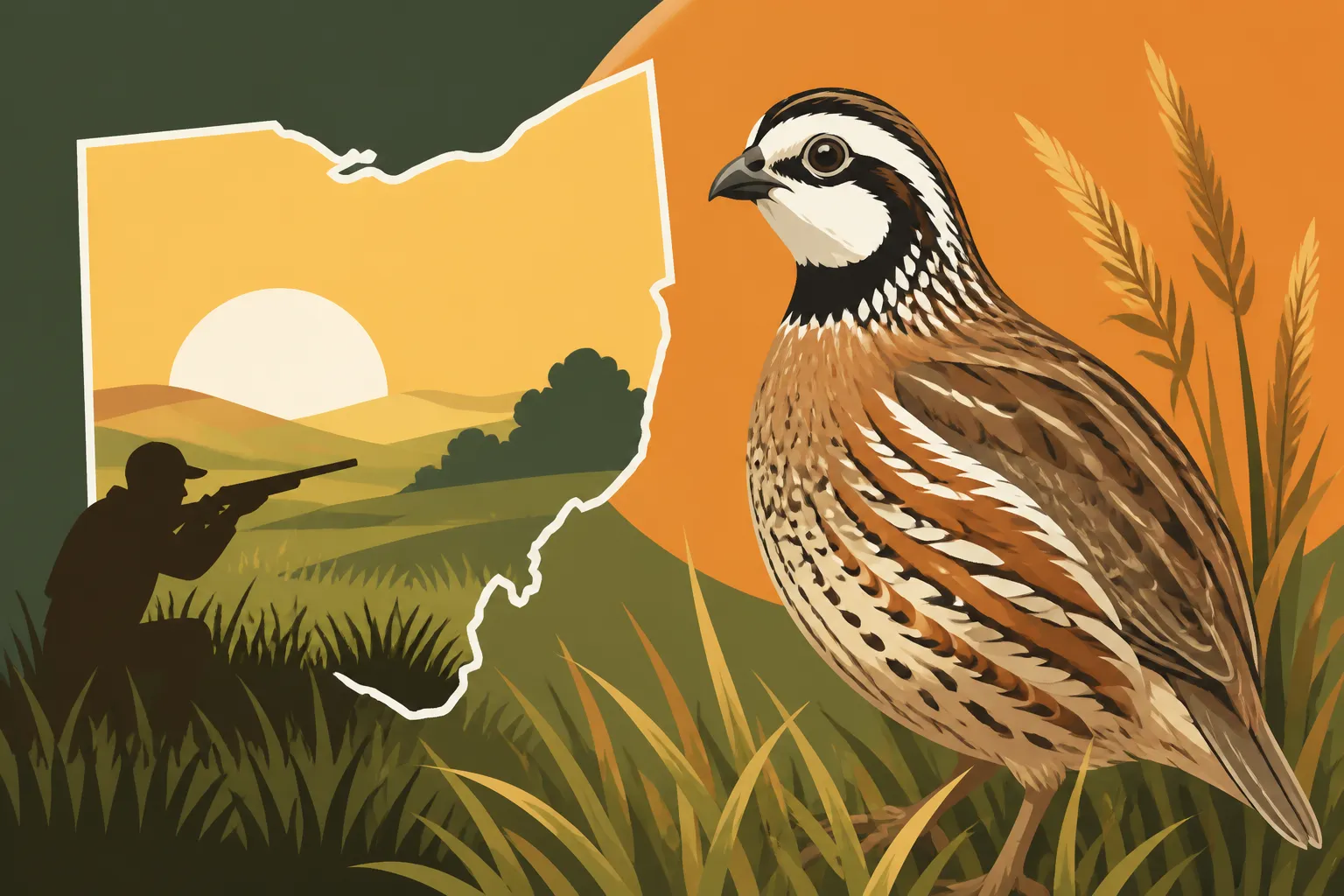
For many seasoned hunters in Ohio, the distinctive "bob-white!" call echoing across a field is a sound of cherished memories, but for newer generations, it's often a sound they've only heard on recordings. The reality is that Ohio's bobwhite quail population has faced a dramatic decline, leaving many wondering what happened to these iconic birds and if they'll ever return in huntable numbers. This guide delves deep into the status of bobwhite quail in Ohio, exploring the reasons behind their disappearance and the efforts being made to bring them back.
The Silent Fields: Tracing the Decline of Ohio's Bobwhite Quail
It's a tough pill to swallow for anyone who remembers hunting these birds, but the vibrant quail coveys that once dotted the Ohio landscape are largely gone. This isn't just a slight downturn; it's a profound ecological shift that has silenced a once-common sound across much of the state. Understanding this decline means looking back at what made Ohio such a stronghold for quail and then examining the forces that eroded that foundation.
A Look Back: When Quail Whistled Across Ohio
Back in the day, if you were a small game hunter in Ohio, especially in the southern and western parts of the state, bobwhite quail were a staple. My grandpa used to tell stories of working bird dogs through fencerows so thick with briars and multiflora rose that you could barely push through, only to have a covey erupt around your feet like feathered shrapnel. The sheer abundance was incredible, and the thrill of a wild flush and the subsequent chase was what hooked many a hunter on upland birds. Quail weren't just numerous; they were deeply embedded in the hunting culture of Ohio. They thrived in a landscape that was a mosaic of small farms, woodlots, open fields, and overgrown edges. It was a perfect blend of cover and food sources that allowed them to flourish, even through tough winters. Many old-timers recall taking a limit of quail almost as easily as squirrels, highlighting just how ubiquitous these birds once were.
The Habitat Crisis: Where Did Their Homes Go?
The primary culprit in the bobwhite quail's disappearance from most of Ohio is undeniably habitat loss, particularly the kind of habitat they need to survive and reproduce. Think about what a bobwhite covey needs: dense nesting cover in the spring, abundant insects for chick rearing, protective overhead cover from predators, and accessible food sources through the winter. Historically, Ohio's agricultural landscape provided this in spades. Small, diversified farms meant smaller fields, more hedgerows, unkempt field edges, and brushy draws. These areas were ideal.
However, over the last half-century or more, agriculture shifted dramatically. Farms became larger, fields expanded, and "clean farming" became the norm. Fencerows were ripped out to accommodate bigger equipment and maximize tillable acreage. Diverse crop rotations gave way to vast monocultures of corn and soybeans. The native grasslands and early successional habitats that provided crucial nesting and brooding cover were plowed under or converted. This left quail with nowhere to hide, nowhere to nest safely, and often, nothing to eat once winter set in. It's a classic case of death by a thousand cuts, where each small loss of habitat compounded the problem until the birds simply couldn't sustain their populations. You can see similar patterns with other small game species, like with Ohio Rabbit Habitat Restoration Efforts and the general Ohio Cottontail Population Trend.
Other Pressures: Predators and Harsh Winters
While habitat loss is the undeniable heavyweight champion of quail decline, it's important to acknowledge that other factors played a role, acting as aggravating circumstances on an already struggling population. Increased predator populations, particularly mesopredators like raccoons, opossums, and skunks, along with the eastward expansion of coyotes, certainly put pressure on quail nests and adult birds. When quail habitat becomes fragmented and scarce, those remaining coveys are much more vulnerable to predation because there are fewer places to escape and hide.
Additionally, Ohio's sometimes brutal winters, especially those with prolonged periods of deep snow and ice, can be devastating for small, ground-dwelling birds like quail. Without adequate escape cover and accessible food in the form of seeds and insects, coveys can be wiped out in a single severe cold snap. In healthy populations with ample habitat, a bad winter might knock back numbers, but they have the resilience to bounce back. For populations already hanging by a thread due to habitat loss, a harsh winter can deliver a crippling blow. It's a vicious cycle where a declining population is less able to withstand environmental pressures, which in turn leads to further decline. This isn't unique to quail; we've seen similar impacts on other species, as detailed in Ohio's Declining Ruffed Grouse Range and Habitat Loss Behind Ohio's Grouse Decline.
Ohio's Bobwhite Quail Today: A Glimmer, Not a Season
For many, the current status of bobwhite quail in Ohio is a source of real disappointment. The idea of walking up a covey of quail with a bird dog is largely a romantic notion from a bygone era, rather than a realistic expectation for most hunters. While there are certainly quail in Ohio, their distribution is sparse, and their numbers are incredibly low, leading to a long-standing closure of hunting seasons.
The Current Status: No Open Season
Let's be blunt: there is no open hunting season for bobwhite quail in Ohio, and there hasn't been one for a very long time. This is often a tough truth for hunters to hear, especially those who grew up hearing stories of plentiful quail. The Ohio Department of Natural Resources (ODNR) maintains this closure for a very simple and important reason: the population simply cannot sustain hunting pressure. When a species' numbers dwindle to critical levels, conservation efforts must prioritize survival and recovery above all else. Reopening a season prematurely would likely set back any progress being made.
This reality is a stark contrast to the robust small game seasons Ohio still offers for species like rabbits and squirrels, which you can read about in Ohio Small Game and Upland Bird Seasons. The ODNR continually monitors quail populations through various surveys, and until there's a significant, sustained rebound in numbers and distribution, that "bob-white!" call will remain a sound of hope, not a signal for the opening day. It's a frustration shared by many upland enthusiasts, a silent acknowledgement of something precious lost from Ohio's fields.
Where Residual Populations Hold On
Despite the widespread decline, bobwhite quail are not entirely extinct in Ohio. There are still pockets, scattered here and there, where small, isolated coveys manage to eke out an existence. These remaining populations are generally found in specific types of habitat that have managed to escape the worst of agricultural intensification or urban sprawl. Think about the unglaciated regions of southeastern Ohio, with their steeper hills, less intensive farming, and more varied land use. Here, you might find quail in brushy river bottoms, on overgrown old farmsteads, or along the edges of timber cuts that provide dense cover.
Some private lands, particularly those managed with conservation in mind or those that have simply been allowed to grow wild, can also hold quail. These are typically areas with a mix of native grasses, shrubby thickets, and diverse food sources. The challenge, even for these remnant populations, is their isolation. A covey in one patch of good habitat might be miles from the next, making it incredibly difficult for genetic exchange and population expansion. For those curious about finding these specific spots, resources like the GoHunt app can be invaluable for understanding terrain features, property boundaries, and identifying potential habitat pockets, even if only for observation rather than hunting. Even when scouting for other species, such as during Scouting Ohio Public Land Before Season, you might stumble upon a suitable quail area, but it's often more by luck than design.
The Role of Monitoring and Research
While the absence of a hunting season is disappointing, it doesn't mean the ODNR has given up on bobwhite quail. Far from it. Extensive monitoring and research efforts are ongoing to understand the existing populations better and to guide future conservation strategies. This includes annual whistle count surveys, where biologists listen for the distinctive "bob-white!" call during the breeding season to estimate population densities and distribution. They also conduct roadside surveys and specific habitat assessments in areas believed to hold quail.
Citizen science plays a role too, with birdwatchers and landowners reporting sightings that help fill in the gaps. This data is absolutely crucial. It allows wildlife managers to pinpoint where quail are still present, assess the quality of their habitat, and identify potential areas for future restoration efforts. Without this continuous monitoring, we wouldn't have a clear picture of how these birds are faring, making any meaningful conservation impossible. The hope is that through meticulous data collection, we can one day map a path towards increasing their numbers.
Working Towards a Whistle: Conservation Efforts for Ohio Quail
While the road ahead for Ohio's bobwhite quail is long and steep, there are dedicated efforts underway to create the conditions necessary for their recovery. It's a task that requires patience, persistent habitat work, and collaboration across various groups. Hunters and wildlife enthusiasts, even without an open season, have a vital role to play in supporting these initiatives.
Habitat Restoration: The Key to Recovery
The consensus among wildlife biologists and conservationists is clear: habitat restoration is the single most important factor in bringing back bobwhite quail. We can't simply release birds into areas without the proper cover and expect them to thrive. They need high-quality, diverse early successional habitat. This means a mix of native warm-season grasses for nesting, dense shrubby cover for protection from predators and the elements, and a mosaic of open ground with forbs and legumes that provide food and bug-rich environments for chicks.
Efforts often focus on establishing native prairie grasses, creating brush piles, planting thickets of blackberry or dogwood, and employing prescribed burns to set back succession and encourage new growth. Many state wildlife areas, which you can learn more about in Ohio Wildlife Areas, are actively managed with these types of habitat goals in mind, not just for quail, but for other species that benefit from similar cover, like rabbits and pheasants. Programs like the Conservation Reserve Program (CRP) also incentivize private landowners to dedicate agricultural land to these types of beneficial habitats. When considering any land management, tools like GoHunt can assist in visualizing how habitat changes might connect existing cover or open up new areas for quail movement and breeding.
Collaborative Conservation Programs
Bringing back a species like the bobwhite quail isn't something one entity can do alone. It requires a concerted, collaborative effort. The ODNR works closely with federal agencies, local conservation districts, and non-profit organizations like Quail Forever, which is specifically dedicated to quail and upland habitat conservation. These partnerships are critical for pooling resources, expertise, and funding.
Landowners play an indispensable role too. Many private tracts hold the potential for significant habitat improvement, and conservation programs often offer technical guidance and financial assistance to farmers and landowners interested in creating or enhancing quail habitat on their property. Whether it's planting hedgerows, establishing native grasslands, or creating buffer strips along waterways, these individual actions collectively contribute to a larger network of suitable habitat. Understanding How Ohio Wildlife Areas Are Managed can give insight into the best practices being applied on public land that can also be mirrored on private property.
The Future of Quail Hunting in Ohio: A Realistic View
So, what does all this mean for the future of quail hunting in Ohio? Honestly, it's essential to manage expectations. A return to widespread, open-season quail hunting across Ohio is likely a very distant prospect, if it ever happens at all. The scale of habitat loss has been so immense that reversing it statewide is a monumental challenge. However, that doesn't mean there's no hope.
The most realistic future scenario involves localized opportunities. If conservation efforts continue to gain traction and populations rebound significantly in specific areas with excellent habitat—perhaps on private lands under intensive management or within certain wildlife areas—it's conceivable that very limited, controlled hunting opportunities might be considered. These would likely be highly regulated, perhaps through special permits or restricted to specific small zones, similar to how Ohio Pheasant Stocking Locations are managed to provide opportunities. The focus remains, and rightly so, on ensuring the long-term survival and stability of the species first and foremost. For now, the most valuable "hunting" is the pursuit of habitat restoration, hoping to hear that cheerful "bob-white!" once again across more of Ohio's landscape.
Disclaimer
This article is for general informational purposes only and does not constitute professional advice. Laws, prices and regulations vary by location and change over time. Consult a qualified professional for guidance on your specific situation.