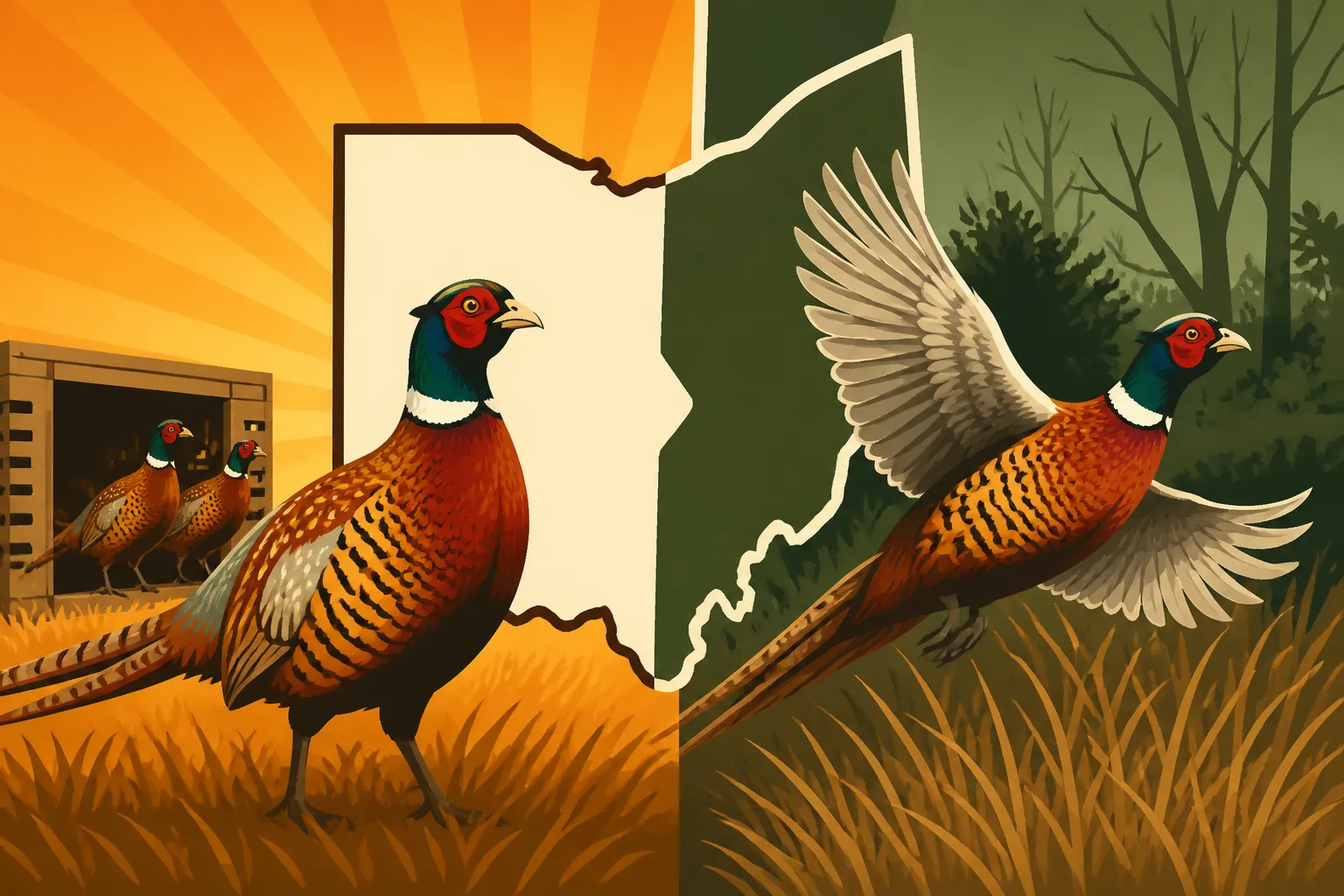
Ohio’s Stocked Versus Wild Pheasants
It can be incredibly disheartening to walk prime Ohio pheasant habitat, covering miles with your trusty bird dog, only to come up empty-handed. Many hunters remember a time when wild pheasants were more common, and the reality of today’s sparse wild bird populations can be a tough pill to swallow. This comprehensive guide is here to shed light on the stark differences between Ohio's wild and stocked pheasant populations, offering insights into their decline, the efforts to sustain hunting opportunities, and how you can adapt your strategies for both.
The Fading Glory: Understanding Ohio's Wild Pheasant Decline
For generations of Ohio hunters, the cackle of a wild pheasant bursting from a cornfield was the quintessential sound of autumn. It painted a picture of abundance, a symbol of rich agricultural landscapes intertwined with thriving wildlife. However, that picture has dramatically changed over the decades. The truth is, wild pheasants are a rare commodity in Ohio today, primarily found in very specific pockets where ideal habitat conditions still miraculously exist. Their decline isn't a simple story; it's a complex narrative woven through agricultural practices, development, and environmental shifts that have systematically eroded their stronghold.
A Look Back: Where Wild Pheasants Once Roamed Freely
Back in the mid-20th century, Ohio was a pheasant hunter's paradise. The rolling farmlands of western and northwestern Ohio, with their diverse rotation of corn, soybeans, and small grains, interspersed with hayfields, pastures, and thick fencerows, created an almost perfect environment for these colorful game birds. Think of counties like Wyandot, Hancock, and Hardin—they used to be legendary. Farmers often left standing crops or had undisturbed corners, providing year-round cover and food. The sheer scale of these mixed agricultural landscapes, coupled with less intense farming practices, meant that wild pheasants had vast interconnected territories to thrive in. You didn't have to work nearly as hard to find them, and a good pointing dog could lock up on multiple coveys in a single afternoon. It was truly a different era, one many veteran hunters recall with a wistful fondness.
The Habitat Crunch: Why Farmland Changes Hurt Pheasants
The primary culprit behind the wild pheasant decline is, without a doubt, habitat loss and degradation. Modern agricultural practices, while incredibly efficient for food production, have been devastating for pheasants. Consider the vast, unbroken fields of monoculture crops that dominate the landscape now. Instead of diverse rotations and small, irregular fields, we see massive expanses of corn or soybeans, tilled right up to the property line. Fencerows, which were once crucial corridors and nesting cover, have been ripped out to make way for larger machinery. Hayfields, vital for nesting hens, are cut earlier and more frequently, often destroying nests before chicks can hatch. Even roadside ditches, once offering a sliver of refuge, are often mowed to the ground.
The shift from small, family farms to large-scale industrial agriculture has meant a relentless push for efficiency, leaving almost no room for the diverse, undisturbed cover that pheasants need to survive year-round. They need thick, brushy areas for winter thermal cover, tall grasses for nesting, and a mix of crops for food. When these components are fragmented or entirely removed, the pheasants simply can't sustain their populations. This "habitat crunch" is a statewide issue, particularly in the prime agricultural regions that once boasted the highest pheasant numbers, illustrating why dedicated hunters now often look for Where Wild Pheasants Persist in Ohio with a keen eye for conservation success stories rather than widespread abundance.
The Silent Threats: Predators, Pesticides, and Climate
Beyond the dramatic loss of habitat, wild pheasants face a cocktail of other "silent threats" that continue to chip away at their numbers. Predator populations, particularly raccoons, opossums, and skunks, have adapted incredibly well to fragmented agricultural landscapes and urban fringes. These generalist predators are highly efficient nest predators, and with less secure nesting cover, pheasant nests become easy targets. Coyotes, too, have expanded their range across Ohio, adding another layer of pressure on adult birds and poults.
Pesticides and herbicides, while crucial for crop yield, can have unintended consequences for pheasants. They reduce insect populations, which are a vital food source for pheasant chicks in their early weeks of life. Chicks need a high-protein insect diet to grow rapidly, and a lack of these insects can significantly impact poult survival rates. While direct poisoning is rare, the cumulative effect of a reduced insect base means less food for young birds, making them more vulnerable.
Finally, unpredictable weather patterns, potentially exacerbated by climate change, also play a role. Late spring freezes can kill off early hatches, while excessively wet springs can lead to higher chick mortality due to hypothermia and disease. Severe winter storms, especially when combined with a lack of dense thermal cover, can decimate adult populations. It's a constant battle for wild pheasants against a myriad of challenges, making every successful hatch and surviving bird a testament to their resilience in an increasingly difficult environment.
The Rise of Stocked Pheasants: A Hunter's Reality in Ohio
Given the decline of wild pheasant populations, the Ohio Department of Natural Resources (ODNR) recognized the need to sustain upland hunting opportunities. For many hunters, especially those without access to private land with remnant wild birds, the idea of pursuing pheasants in Ohio would be a distant dream without these efforts. This led to the proactive stocking programs we see today, which aim to provide accessible, albeit different, hunting experiences across the state. These programs have become a critical component of Ohio's Small Game and Upland Bird Seasons, ensuring that traditions can continue, even if in a modified form.
ODNR's Role: How and Where Pheasants Are Released
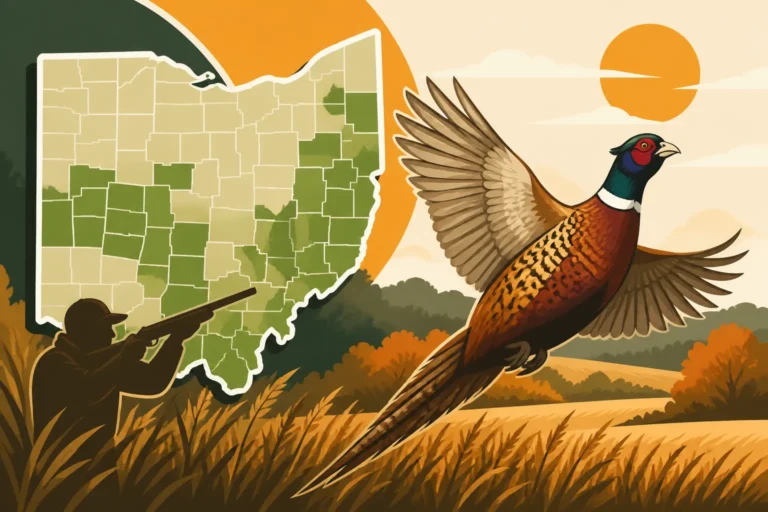
The ODNR plays a pivotal role in maintaining pheasant hunting in Ohio through its annual stocking program. Each year, thousands of pen-reared pheasants are released on designated public hunting areas across the state. These birds are typically raised on game farms, ensuring a steady supply for release events. The goal isn't to re-establish self-sustaining wild populations—that's a much larger, habitat-dependent endeavor—but rather to create a "put-and-take" hunting opportunity.
The birds are released shortly before and during the open pheasant season. This strategic timing maximizes the chances for hunters to encounter them. The ODNR carefully selects sites based on suitable cover, accessibility for hunters, and past success rates. These releases provide a tangible target for hunters, particularly those who enjoy working their bird dogs and experiencing the thrill of a flush, even if the birds aren't truly wild. This is a common practice in states where wild upland bird populations are challenged, offering a practical solution to maintain hunting engagement. You can often find specific details about these efforts and the dates of release by checking the ODNR's official website or resources like GoHunt, which often compiles state-specific hunting information.
The "Put-and-Take" Mentality: Managing Expectations for Stocked Birds
Understanding the "put-and-take" nature of stocked pheasant hunting is crucial for managing expectations. These aren't the wily, cagey wild birds that have survived generations of natural selection and hunting pressure. They are, by and large, naive. Having been raised in pens, they lack the innate fear of humans and understanding of danger that wild birds possess. This often translates into different behaviors in the field. They might hold incredibly tight, almost letting you step on them, or flush short and not fly far. Sometimes, they're downright bewildered by their new surroundings.
This doesn't make the hunt any less enjoyable for many; it simply means it's a different challenge. The success rate can be higher, especially on release days, but it's often more about covering ground, letting your dog do its job, and being ready for a less predictable flush. Hunters should approach these opportunities with the understanding that they are participating in a recreational activity designed to provide a chance to harvest game, rather than a deep dive into the wilderness pursuit of truly wild, self-sustaining populations. It's a fantastic way to introduce new hunters to upland bird hunting, get dogs some real-world experience, and simply enjoy a day in the field without the intense scouting required for wild birds.
Ohio's Pheasant Release Sites: Key Locations and Opportunities
Ohio has a number of dedicated wildlife areas where pheasants are regularly stocked, offering reliable opportunities for hunters throughout the season. These sites are strategically chosen to provide accessible hunting experiences, often with relatively open terrain that makes them suitable for walking and dog work.
Some of the most popular and consistent stocking locations include:
- Killdeer Plains Wildlife Area: Located in Wyandot and Marion counties, this is arguably Ohio's premier pheasant release site. It features expansive grasslands, brushy cover, and some agricultural fields, making it prime habitat for stocked birds. Hunters often report good success here, especially early in the season.
- Ringneck Ridge Wildlife Area: Situated in Williams County, this area is managed specifically for pheasants, offering a mix of dense cover and open fields. It's a smaller, more focused area, but very popular.
- Oxbow Lake Wildlife Area: Found in Defiance County, this area offers a mix of wetland and upland habitat, providing good cover for released birds.
- Big Island Wildlife Area: Located in Marion County, this area, like Killdeer Plains, offers extensive grassland habitat.
Other notable areas include Resthaven Wildlife Area (Erie County), Tiffin River Wildlife Area (Fulton County), and various other wildlife areas scattered across the traditional pheasant range. It's important to remember that Ohio Pheasant Stocking Locations can change slightly year to year based on habitat conditions and ODNR management plans, so always check the current year's regulations and release schedules. Many of these areas require a special pheasant permit in addition to your general hunting license, and there are often specific regulations regarding hunting hours and bag limits. Planning your hunt around the scheduled release dates can significantly increase your chances of encountering birds.
Hunting Strategies: Adapting to Wild and Stocked Birds
The distinct behaviors and distribution of wild versus stocked pheasants necessitate entirely different hunting strategies. What works for a pen-raised bird released last week will likely not be successful for a wild, cagey rooster that's survived an Ohio winter. Being able to pivot your approach is key to consistently filling your game bag, whether you're targeting the elusive remnants of a wild population or the more accessible stocked birds.
Tactics for Elusive Wild Pheasants
Hunting wild pheasants in Ohio is a serious endeavor, demanding patience, keen observation, and often, a bit of luck. These birds are survivors; they've eluded predators, outsmarted hunters, and navigated harsh weather. They are incredibly wary and will often run long distances ahead of a hunter or dog before flushing, or hold tight in the densest cover imaginable, often in spots you'd least expect.
To stand a chance at a wild bird:
- Focus on Undisturbed Habitat: Forget the open fields. Wild pheasants will gravitate towards the thickest, nastiest cover they can find. Think overgrown fencerows that haven't been touched in years, deep cattail marshes, thick multiflora rose thickets, CRP (Conservation Reserve Program) fields that offer dense, tall grass year-round, or un-mowed ditch lines adjacent to woodlots. These are their sanctuaries.
- Slow and Deliberate: Don't rush. Walk slowly, pausing frequently. Wild birds will often sit tight, waiting for you to pass before sneaking out the back. A stop-and-go pattern can make them nervous enough to flush.
- Work Edges and Transitions: Pheasants love edges—where a cornfield meets a woodlot, where a brushy creek bottom transitions to an open field, or the interface of a cattail marsh and a grassy field. These transition zones offer both cover and food access.
- Good Dogs are Essential: A well-trained bird dog, especially one that hunts close and thoroughly, is almost a prerequisite for wild pheasants. A good pointer will lock up on a bird, allowing you to move into position, while a good flushing dog will systematically push birds out of heavy cover. Without a dog to root them out, wild birds will often simply run and disappear. Running Pointing Dogs on Ohio Pheasants is not just a tactic; it's a partnership.
- Scout, Scout, Scout: Before the season, spend time driving rural roads, looking for quality habitat. Knock on doors and ask for permission. Use mapping tools like
GoHuntor the Ohio HuntFish App to identify potential cover pockets. Look for signs like tracks in the snow or dust baths if scouting outside of growing seasons. You're looking for needle-in-a-haystack situations.
Maximizing Success on Stocked Birds
Hunting stocked pheasants is generally a more accessible and often more action-packed experience, especially if you time it right. While the birds might be less "wild," they still offer exciting flushes and provide excellent opportunities to train new dogs or introduce novice hunters to the sport.
Here's how to maximize your chances:
- Hunt Release Days (or Shortly After): This is the golden rule for stocked birds. The ODNR schedules releases, and hunting on those days or the day immediately following will yield the highest success rates. The birds haven't had much time to disperse or become wary.
- Arrive Early: These popular release sites can draw crowds. Arriving before legal shooting hours allows you to pick your spot and be ready when the action starts.
- Focus on Accessible Cover: Stocked birds are often released into more open, accessible cover that's easier to walk, such as mowed grass strips, fallow fields, and lighter brush. They might not immediately gravitate to the thickest cover the way wild birds do.
- Walk Systematically: With more predictable behavior, a systematic grid-like approach across a field can be very effective. Push through cover with a line of hunters or work with your dog to ensure you cover every inch.
- Be Ready for Short Flushes: Pen-reared birds often flush much closer and don't fly as far as wild birds. Be prepared for quick shots, and always watch where the bird lands, as you'll often get a second chance.
- A Good Retriever is Invaluable: While stocked birds might not run as far, they can still fall into thick cover. A well-trained retrieving dog will save you endless searching for downed birds, especially if you're using Upland Guns for Fencerow Cover and shooting patterns that may not be as dense. Bird Dog Gear for Ohio Farm Country can also help keep your canine companion safe and effective.
The Role of Good Bird Dogs: Flushing and Retrieving
Whether you're after wild or stocked pheasants, a reliable bird dog significantly elevates the hunting experience and often dictates success. A dog's superior sense of smell and instinct to locate birds gives hunters an incredible advantage.
For wild pheasants, a dog is practically non-negotiable. Wild roosters are notorious for running, and a dog's ability to scent-track a running bird, pin it down, and either point steadfastly or flush it forcefully is critical. Without a dog, these birds will simply disappear into the landscape. A dog trained to work within gun range and honor another dog's point is invaluable in open country.
For stocked pheasants, a dog enhances both the finding and the retrieving aspects. While stocked birds might hold tighter, a dog still covers ground more efficiently than a human, ensuring no bird is missed. More importantly, retrieving is paramount. Even if a stocked bird doesn't fly far, it can still fall into tall grass, thick brush, or even a ditch. A strong retriever saves time, prevents lost game, and ensures ethical harvest. Training your dog to be steady to wing and shot, and to retrieve to hand, makes the whole process smoother and more enjoyable. From Ohio Rabbit Hunting Thick Fencerows to open pheasant fields, a dog is your best ally in upland hunting.
Identifying the Difference: Spotting Wild vs. Stocked Birds
For a seasoned hunter, there's a certain satisfaction in knowing you've outsmarted a truly wild pheasant. But how can you tell the difference? While it's not always cut and dry, especially after a stocked bird has been out in the wild for a few weeks, there are several key indicators that can help you distinguish between Ohio's pen-reared and wild pheasants.
Subtle Visual Cues in Plumage and Condition
The most immediate clues often lie in the bird's physical appearance and overall condition. Wild pheasants, living a life of constant foraging, evasion, and exposure to the elements, typically exhibit robust, pristine plumage.
- Wild Birds: Expect vibrant, rich coloration with crisp feather patterns. Their feathers will be tightly packed, smooth, and healthy, reflecting a life of natural foraging and preening. Their legs and feet will appear strong and well-developed from constant travel. Their wings might show slight wear from powerful, sustained flight. They'll appear lean and muscular.
- Stocked Birds: Pen-reared birds can often show signs of their confined upbringing. Their plumage might appear duller, less vibrant, and sometimes slightly worn or frayed, especially around the wingtips, tail feathers, or rump, from rubbing against pen structures or other birds. Some might even have clipped flight feathers (though ODNR generally releases full-flighted birds). Their legs and feet might seem less robust. In some cases, you might even notice a faint scar or calloused area from where leg bands were applied during rearing, though these quickly fade. These subtle differences aren't always glaring, but when you've seen enough birds, they become noticeable.
Behavioral Discrepancies: Flight Patterns and Cover Choices
Beyond looks, the way a pheasant behaves in the field is a huge tell, and this is where the "wildness" truly shines through.
- Wild Pheasants: These birds are masters of survival. When flushed, they typically burst out with an explosive, powerful flight, gaining altitude quickly and often flying long distances, sometimes clearing entire fields. They are incredibly wary, making eye contact and assessing threats. They prefer to run rather than fly when possible, utilizing dense cover to evade detection. They know every inch of their territory and will use natural features to their advantage, often flushing when they believe they've reached the edge of a safe zone. Their flight is often accompanied by a loud, unmistakable cackle.
- Stocked Birds: Having spent their lives in pens, stocked birds often lack the strong, sustained flight of their wild counterparts. When flushed, their flight might be shorter, lower, and sometimes less direct or even confused. They might land quickly, often within easy sight, and then try to run or re-hide. They are less prone to running long distances before flushing and are generally less wary of human presence. Sometimes, they flush silently or with a subdued cackle. Their choice of cover can also be less strategic; they might be found in relatively open areas near the release point, simply because they haven't learned the value of dense, secure habitat.
Understanding Survival Rates and Adaptation
It's a common question: can stocked pheasants "go wild" and contribute to the population? The unfortunate reality is that their survival rate in the wild is generally very low. Without the natural instincts honed by generations of wild living, pen-reared birds are ill-equipped to survive predation, find adequate food, or withstand harsh weather conditions.
They lack the natural fear of predators, the skill to find subtle escape routes, or the knowledge of how to use dense cover for winter survival. Many fall victim to predators, disease, or simply starvation within weeks of release. While a small percentage might adapt and survive for a time, they rarely establish breeding populations. The primary purpose of stocking programs is to provide immediate hunting opportunities, not long-term population restoration. This is why Ohio Pheasant Season and Stocking efforts are so critical for maintaining any kind of pheasant hunting in the state, acknowledging that these birds are largely temporary additions to the landscape.
| Feature | Wild Pheasants | Stocked Pheasants |
|---|---|---|
| Habitat Preference | Dense, diverse cover; CRP, fallow fields, mature fencerows, heavy marsh | Release sites; mowed strips, open fields, adjacent light cover, near roads |
| Behavior in Field | Elusive, wary, strong runners, hold tight, strategic flushes | May be disoriented, less wary, sometimes flush short or run less strategically |
| Plumage/Condition | Vibrant, healthy, full and pristine plumage, lean | Can show signs of pen-rearing (worn feathers, duller colors, minor abrasions) |
| Flight Pattern | Powerful, sustained, high-flying, often cackle loudly | Variable, can be weaker, shorter, sometimes confused; subdued cackle |
| Hunting Difficulty | High, requires stealth, good dogs, deep cover, extensive scouting | Moderate, often more accessible, but can be unpredictable; dog still crucial |
| Survival Rate | High (if habitat is good), contributes to breeding population | Low, rarely adapt or contribute to breeding population |
| Likely Locations | Very specific, undisturbed habitat pockets in western Ohio (e.g., portions of Wyandot, Hardin counties) | ODNR designated pheasant release sites (e.g., Killdeer Plains, Ringneck Ridge) |
The Future of Pheasant Hunting in Ohio: Conservation and Opportunity
It's easy to get discouraged when thinking about the state of wild pheasants in Ohio, but it's not a lost cause. The future of pheasant hunting, whether for wild or stocked birds, hinges on continued conservation efforts, hunter participation, and a realistic understanding of what's possible in a state dominated by agriculture. The passion for the bird and the thrill of the chase still drive many, and efforts are underway to preserve that legacy.
Ongoing Conservation Efforts for Upland Birds
Despite the challenges, many dedicated individuals and organizations are working tirelessly to improve habitat for upland birds, including pheasants. The ODNR, along with groups like Pheasants Forever and the National Wild Turkey Federation, are actively involved in habitat restoration projects. These initiatives often focus on creating diverse grasslands, planting hedgerows, and managing existing cover to provide the critical nesting, brood-rearing, and wintering habitat pheasants desperately need.
One key initiative is promoting the Conservation Reserve Program (CRP) among landowners. CRP pays farmers to take environmentally sensitive land out of production and plant it with grasses or trees, providing excellent wildlife habitat. While Ohio has less CRP land than some other states, every acre makes a difference. Efforts are also being made to work with private landowners to implement wildlife-friendly farming practices, such as delaying hay cutting, establishing pollinator plots, and maintaining brushy fencerows. These efforts, though localized, are crucial for the long-term survival of any wild pheasant populations in Ohio. The data and insights from platforms like GoHunt can also help identify areas where these conservation gains are being made.
Youth Programs and Mentorship for New Hunters
One of the brightest spots for the future of pheasant hunting in Ohio lies in its youth programs. The ODNR actively promotes youth hunts for pheasants, often held on stocked areas before the regular season opens. These events are designed to introduce young hunters to the sport in a supportive and often successful environment. Mentors teach them about firearm safety, hunting ethics, dog handling, and the joy of upland bird hunting.
These programs are vital because they instill a love for the outdoors and conservation in the next generation. If young hunters have positive early experiences, they are more likely to become lifelong participants, purchasing licenses and permits, and contributing to the very conservation funds that support habitat work. They are also more likely to become advocates for wildlife and wild places. Ensuring that there are accessible opportunities, like Ohio Youth Gun Weekend Dates for deer or dedicated pheasant youth hunts, is essential for keeping these traditions alive and fostering future stewards of Ohio's wildlife.
Looking Ahead: The Importance of Habitat Restoration
Ultimately, the long-term future of wild pheasants in Ohio rests squarely on comprehensive, large-scale habitat restoration. Stocking programs are a fantastic way to provide recreational opportunities and maintain hunter interest, but they are not a substitute for self-sustaining wild populations. For wild pheasants to make any significant comeback, we need more diverse, undisturbed habitat across the landscape.
This means continued advocacy for programs that incentivize wildlife-friendly farming, protecting and enhancing existing grasslands and wetlands, and educating landowners about the benefits of quality cover. It's a daunting task in a state where agricultural land is so valuable, but every acre of quality habitat added or maintained is a victory for pheasants and many other wildlife species, including Ohio Cottontail Population Trend data also shows a direct link to habitat availability. By combining smart management of stocked birds with dedicated efforts to create and restore habitat for wild ones, Ohio can ensure that the cackle of a pheasant, whether wild or released, continues to echo through its fields for generations to come.
Disclaimer
Please note that hunting regulations, season dates, and specific public land rules can change. Always consult the most current Ohio Department of Natural Resources (ODNR) hunting regulations and official publications before planning any hunting trip. This guide is for informational purposes only and does not supersede official state regulations.