Best Ohio Counties for Pheasant
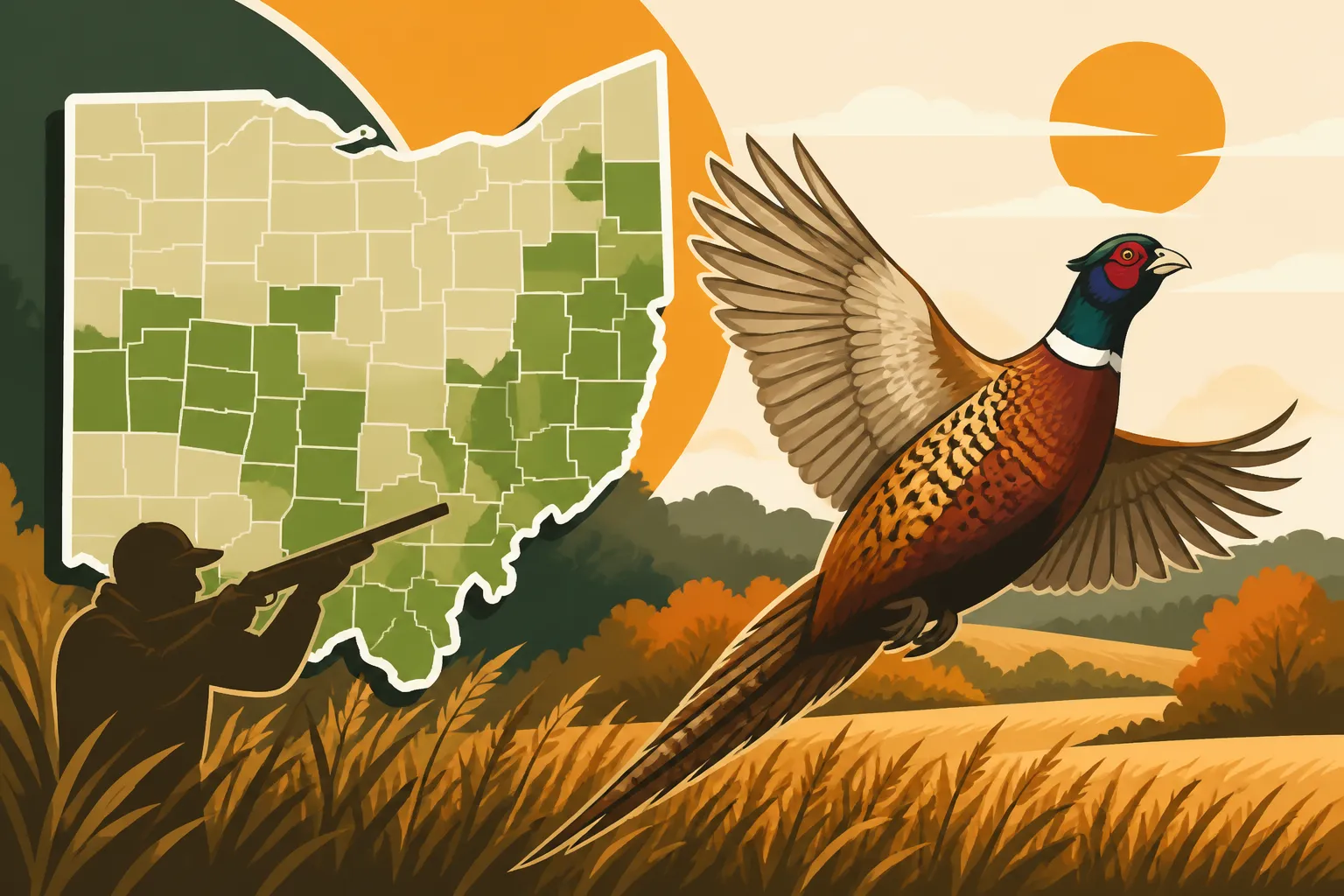
Finding a solid pheasant hunting spot in Ohio can feel like chasing a ghost sometimes, especially if you're dreaming of vast fields teeming with wild birds. The reality of upland hunting in our state is that wild pheasant populations are much smaller and more scattered than they once were. This guide is all about helping you navigate that reality, pointing you toward the counties where you still have the best shot at flushing pheasants, whether wild or newly stocked.
Understanding Ohio's Pheasant Landscape: A Tale of Two Birds
Ohio's pheasant hunting scene isn't what it used to be. For many of us who grew up hearing stories of seemingly endless flushes from our grandfathers, the current landscape can be a bit disheartening. Decades of changing agricultural practices, increased development, and habitat loss have significantly impacted the ring-necked pheasant's ability to thrive naturally across much of the state. It's a tough pill to swallow when you remember the glory days.
Where Wild Pheasants Still Roam (or at least try to)
Despite the challenges, there are still pockets where wild pheasants cling to existence in Ohio. These are typically areas with a specific mix of undisturbed grassland cover, diverse crop rotations, and adjacent fencerows or woodlots that offer winter refuge. Think of those overlooked strips of switchgrass, the thick multiflora rose hedgerows, and the occasional un-mowed field edges. These birds are survivors, and finding them is a true testament to a hunter's skill and persistence. They're often found in areas with less intensive farming, where smaller, more varied parcels of land provide the mosaic habitat they need. You’ll rarely find them concentrated, making a truly wild pheasant hunt a low-odds, high-reward endeavor. If you're looking for that needle-in-a-haystack challenge, you're usually searching for these elusive birds.
The Role of Stocked Pheasants in Ohio Hunting
Because wild populations are so spotty, the Ohio Department of Natural Resources (ODNR) has stepped up to ensure hunters still have opportunities to pursue pheasants. They implement a robust stocking program, releasing thousands of farm-raised pheasants onto various public hunting areas each fall. This program is a lifeline for many upland hunters, providing a more reliable chance at flushing birds and getting some wingshooting action. To participate in these stocked pheasant hunts, you'll need to purchase an additional Ohio Pheasant Permit Requirement on top of your general hunting license. This permit helps fund the program, ensuring future generations of hunters can also experience the thrill of a pheasant exploding from cover. The ODNR meticulously plans these releases, often timing them around key hunting dates, which significantly boosts success rates compared to solely chasing wild birds.
Where to Find the Elusive Wild Pheasants in Ohio
When it comes to Ohio's wild pheasant strongholds, most seasoned upland hunters will point you towards the flat, fertile farmlands of the northwestern and west-central parts of the state. While even these areas aren't what they once were, they still offer the best chance to encounter truly wild birds. The key is understanding the habitat these birds prefer and being prepared to put in some serious legwork.
Northwest Ohio: The Last Stronghold
If you're dead set on finding wild pheasants, Northwest Ohio is your best bet. Counties like Van Wert, Paulding, Putnam, Henry, Wood, and Hancock historically had strong pheasant populations, and despite the changes, they still hold some of the most promising habitat. Here, you'll find vast agricultural fields broken up by ditch lines, wide fencerows, and occasional Conservation Reserve Program (CRP) acreage. These narrow strips of cover become critical escape routes and loafing areas for pheasants. A good strategy involves walking these linear features, especially those with thick, heavy cover that provides thermal protection and nesting sites. Look for areas where corn and bean fields meet tall grasses or dense brush. Farmers in these areas sometimes leave strips of cover along waterways or field edges, creating perfect, albeit small, pheasant habitat. Using a mapping tool like GoHunt can help you identify these linear features and potential cover on private land as you're scouting for permission. Knowing the land contours and vegetation types can give you an edge in these areas.
Central Ohio's Pockets of Opportunity
While not as consistent as the northwest, certain central Ohio counties can still surprise you with a wild pheasant flush. Marion, Wyandot, Crawford, and Morrow counties, particularly in areas adjacent to larger wildlife areas or where smaller family farms still operate, might hold small, resident populations. These birds are often found in similar habitat types: neglected fencerows, small woodlots, and un-mowed field borders. The challenge here is often access. Much of this land is private, and securing permission is paramount. These birds tend to be even more skittish and harder to pinpoint than their northwestern counterparts due to lower densities and often higher localized pressure. Don't expect to limit out, but the satisfaction of flushing a wild bird in these unexpected places is immense. For tactics on finding these birds, check out Pheasant Hunting Ohio Farm Country.
Table: Potential for Wild Pheasant Encounters in Select Ohio Counties
| County (Region) | Primary Habitat Type | Wild Pheasant Potential | Notes |
|---|---|---|---|
| Van Wert (NW) | Agricultural fields, ditch lines | High | Good cover in fencerows and neglected edges. |
| Paulding (NW) | Crop fields, grass waterways | High | Similar to Van Wert, focus on thick linear cover. |
| Putnam (NW) | Farm fields, CRP lands | Medium-High | Look for unharvested strips and brushy cover. |
| Marion (Central) | Mixed agriculture, small woodlots | Medium | Pockets near wildlife areas, often require private land access. |
| Wyandot (Central) | Farmland, some dense cover | Medium | Historically strong, but wild birds now scarce and localized. |
| Hancock (NW) | Varied agriculture, thick fencerows | Medium-High | Habitat diversity can hold birds, especially in transition zones. |
| Henry (NW) | Extensive row crops, drainages | Medium-High | Focus on edges where crops meet heavy cover. |
Hunting Ohio's Stocked Pheasant Opportunities
For a more reliable pheasant hunting experience, Ohio's public land stocking program is often the way to go. The ODNR does a fantastic job providing accessible opportunities, particularly in key wildlife areas. While these aren't wild birds, the thrill of the flush and the challenge of the shot are still very much present.
Key Wildlife Areas for Stocked Birds
The ODNR primarily releases pheasants on designated public hunting areas that offer suitable habitat for the birds, at least temporarily. Some of the most well-known and consistently stocked wildlife areas include:
- Killdeer Plains Wildlife Area (Wyandot County): This is arguably Ohio's most famous pheasant hunting destination, especially for stocked birds. Killdeer Plains boasts thousands of acres of diverse habitat, including expansive grasslands, marshy areas, and agricultural fields. The sheer size and management make it a prime location. You can often find information on specific release sites or areas to focus on by checking the ODNR's weekly updates or by calling the district office. If you're headed to this region, you'll want to read up on Killdeer Plains Wildlife Area Region.
- Ringneck Ridge Wildlife Area (part of Indian Creek Wildlife Area in Brown County): As the name suggests, this area is managed specifically with pheasants in mind, often for youth or controlled hunts, but also for general stocking.
- Big Island Wildlife Area (Marion County): Another excellent central Ohio option, Big Island offers a mix of grasslands and wetlands. It's often less crowded than Killdeer Plains, depending on the day. More information can be found on Big Island Wildlife Area Region.
- Spencer Wildlife Area (Allen County): Located in Northwest Ohio, Spencer provides another public land opportunity, managed for small game, including pheasants.
- Oxbow Lake Wildlife Area (Defiance County): This northwestern Ohio spot is smaller but also receives stocked birds, often providing good hunting in its varied cover.
These areas, along with others such as Resthaven in Erie County and Wellington in Lorain County, are specifically chosen for their habitat and ability to withstand hunting pressure. Be sure to check the ODNR website for the most current stocking schedule and specific regulations for each area.
Maximizing Your Chances on Public Land
Hunting stocked pheasants isn't just about showing up; there's still strategy involved. These birds, while raised in captivity, quickly become wary once released into the wild.
- Timing is Everything: Stocked birds are often most accessible immediately after release. Hunting early in the season or right after a scheduled release can significantly increase your odds. However, this also means more hunter pressure. Consider hunting on weekdays if possible, to avoid the weekend crowds.
- Look for Overlooked Cover: Even on popular public areas, pheasants will gravitate towards the thickest, nastiest cover they can find. Don't be afraid to push through briar patches, dense multiflora rose, or thick cattails. Most hunters stick to the easier-to-walk edges, leaving the heavy stuff untouched.
- Work with a Dog: A good bird dog is an absolute game-changer for pheasant hunting, especially on public land. They can sniff out birds you'd walk right past and retrieve downed birds from dense cover. Even a flushing dog can be invaluable for pushing birds out of heavy brush. For insights into working with a canine companion, consider Running Pointing Dogs on Ohio Pheasants or explore Bird Dog Gear for Ohio Farm Country.
- Scout Remotely: Before you hit the field, use online mapping tools like GoHunt to examine the wildlife area. Look for transitions in cover, un-mowed sections, thick fencerows, and areas of dense brush that might hold birds. This pre-hunt scouting can save you a lot of aimless walking. Pay attention to how the land lays and where birds might retreat to once pressured.
Strategies and Gear for Ohio Pheasant Success
Whether you're chasing the ghost of a wild bird or trying to bag a stocked one, having the right strategies and gear can make all the difference. Ohio's varied landscapes, from flat farmlands to rolling hills, demand a certain adaptability from upland hunters. Remember, safety is always first, so make sure you're up to date on Ohio Hunter Education Requirements and Ohio Blaze Orange Requirements.
Gear Up for Upland Success
Pheasant hunting is an active sport, often involving a lot of walking through thick cover. Having the right gear will keep you comfortable, safe, and effective.
- Shotgun Choice: A 12- or 20-gauge shotgun is the standard for pheasants. Opt for an improved cylinder or modified choke to get a good pattern at flushing ranges. Shot sizes typically range from 4 to 6, with many hunters preferring 5s for their balance of pattern density and knockdown power. Consider a semi-automatic or pump action for quick follow-up shots. If you're looking for specific firearm advice, check out Upland Guns for Fencerow Cover.
- Boots and Clothing: Waterproof, comfortable boots are a must. You'll be walking through dew-soaked grass, mud, and potentially snow. Brush pants or chaps are highly recommended to protect your legs from briars, thorns, and stiff stubble. Layer your clothing, as you'll be exerting yourself, but also standing still when birds are flushed. Don't forget your blaze orange for visibility and safety.
- Bird Dog: As mentioned, a well-trained bird dog is an incredible asset. Pointers, flushers, and retrievers all play a vital role in finding and recovering birds, significantly reducing lost game.
- Game Bag/Vest: A good upland vest with a large game bag in the back and plenty of pockets for shells, water, and other essentials is invaluable.
Permission and Scouting: Key to Private Land
Much of Ohio's prime pheasant habitat, particularly where wild birds might persist, is on private land. This means securing permission from landowners is often the most critical step.
- Be Respectful and Prepared: When approaching landowners, be polite, respectful, and clearly state your intentions. Offer to share some of your harvest. Leave your contact information and thank them, whether they grant permission or not. Read up on Getting Private Land Permission in Ohio for more tips.
- Scout from Afar: Before knocking on doors, use aerial maps to identify potential cover on private property. Look for those un-mowed field corners, drainage ditches with heavy vegetation, and thick fencerows. Tools like GoHunt can provide detailed satellite imagery and property boundaries, helping you identify potential spots and the landowners to contact. This type of reconnaissance shows you're serious and respectful of their property.
- Start Early: Begin asking for permission well before hunting season opens. This gives landowners time to consider your request and often leads to better opportunities. Building a relationship with a landowner can open doors for years to come.
Remember, Ohio's pheasant hunting, whether for wild or stocked birds, is a challenging but incredibly rewarding pursuit. With the right knowledge, preparation, and a little luck, you can still experience the thrill of the "King of Game Birds" in the Buckeye State.
Disclaimer
This article is for general informational purposes only and does not constitute professional advice. Laws, prices and regulations vary by location and change over time. Consult a qualified professional for guidance on your specific situation.