Killdeer Plains Wildlife Area Region
Finding diverse and productive public hunting ground in Ohio can feel like a never-ending quest, especially when you're looking for a spot that offers more than just one type of hunting experience. Many hunters struggle to pinpoint areas where they can chase whitetails one weekend and waterfowl the next, often leading to fragmented scouting efforts and frustration. This guide will take a deep dive into the Killdeer Plains Wildlife Area region, unraveling its unique landscape, diverse game populations, and practical strategies to help you make the most of your time in this fantastic northwest Ohio hunting haven.
Understanding Killdeer Plains Wildlife Area
Killdeer Plains Wildlife Area is a true gem nestled in the flat, agricultural landscape of Wyandot and Marion counties in northwest Ohio. For many, the mention of "plains" might conjure images of vast, open grasslands, and while Killdeer certainly has its share of open areas, it's far more complex than that. This region is a remarkable mosaic of restored wetlands, hardwood fencerows, small woodlots, native warm-season grasslands, and agricultural fields. It's this unique blend of habitats, often referred to as a "prairie pothole" landscape, that makes it such a magnet for a wide variety of game animals, creating hunting opportunities that can feel rare in the Buckeye State.
Historically, this area was indeed part of Ohio's "prairie fen" region, a unique ecosystem that supported a different array of wildlife than the dense forests to the south and east. Over time, much of it was converted to agriculture. However, dedicated conservation efforts have brought back many of the original features, restoring wetlands and planting native grasses that mimic the historical landscape. This ongoing habitat work directly translates into prime hunting for species that thrive in these diverse conditions, making it a dynamic place to hunt year after year. Hunters often find themselves driving past expansive corn and soybean fields, only to turn onto a gravel road and discover a patchwork of managed marsh, prairie, and brushy cover.
The Unique Landscape and Habitat Diversity
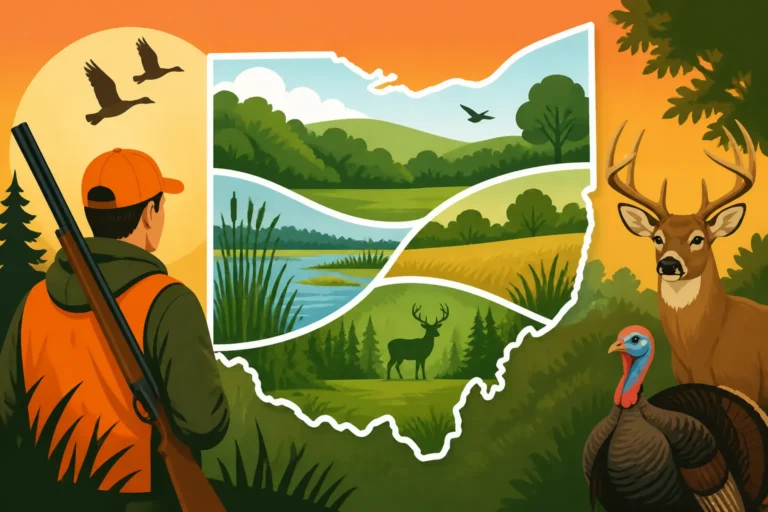
What truly sets Killdeer Plains apart is its incredible habitat diversity packed into a relatively compact area. You have thousands of acres of restored wetlands, complete with dikes, water control structures, and ample emergent vegetation like cattails and smartweed. These wetlands are interspersed with higher ground that features dense stands of switchgrass and big bluestem, providing excellent cover for pheasants, rabbits, and deer. Adding to this are scattered woodlots, often thin strips of timber along old fencerows or small blocks of hardwoods, which act as crucial travel corridors and bedding areas for deer.
This blend of wet and dry, open and covered, creates an ecological melting pot. For a hunter, it means you can transition from setting decoys in a marsh at dawn to still-hunting a small woodlot for deer by mid-morning. It's a place where understanding the lay of the land, especially how water levels and vegetation management change seasonally, is paramount. Many hunters who visit for the first time are surprised by the sheer scale of the wetland complex, which can be disorienting without proper maps or scouting. Using a mapping tool like onX Hunt can be incredibly beneficial here, allowing you to quickly identify different habitat types and plan your approach.
Primary Game Species at Killdeer Plains
Killdeer Plains is perhaps most renowned for its waterfowl and pheasant hunting, but it offers far more than that. White-tailed deer are abundant, especially those accustomed to living in fragmented agricultural landscapes. The area's dense cover and food sources draw deer from surrounding private farmlands. Small game, particularly cottontail rabbits and squirrels, also thrive in the brushy fencerows and scattered timber. For dedicated upland hunters, the pheasant population, augmented by stocking efforts, provides excellent opportunities.
This diversity means you can realistically plan multi-species hunts. Imagine a morning spent calling in ducks or geese from a blind, followed by an afternoon tracking deer sign along a field edge, or flushing pheasants from a grass field. It's an area that truly rewards versatility and a willingness to explore different hunting disciplines. The sheer number of accessible acres also helps spread out hunting pressure, although popular spots and peak seasons will still draw a crowd, just like any good public land.
Top Game Species and How to Hunt Them at Killdeer Plains
Hunting Killdeer Plains means understanding the unique challenges and opportunities each species presents in this distinct landscape. It's not your typical Appalachian ridge hunting, nor is it purely wide-open farmland. It requires a specific approach and, often, specialized gear to be successful.
Waterfowl Hunting Strategies
Killdeer Plains is a magnet for migratory waterfowl, sitting right in the path of the Mississippi Flyway. Hunters primarily target ducks like mallards, wood ducks, and teal, as well as Canada geese. The extensive network of managed wetlands, including multiple pools and moist soil units, provides ideal resting and feeding grounds. Access to many of these pools is walk-in, though some areas might allow small boats or canoes, especially later in the season when water levels might be higher. Effective waterfowl hunting here often hinges on scouting the movement of birds, identifying preferred feeding areas, and setting up decoys strategically.
Successful waterfowl hunters at Killdeer know the importance of being adaptable. Early in the season, smaller ducks might be jump-shot from creeks or tight marshy corners, while later in the season, larger spreads of decoys and layout blinds in cut cornfields adjacent to the wetlands can be deadly for geese. Hunting Lake Erie Marsh Zone Waterfowl might cover some similar concepts, but Killdeer has its own unique flow. Many areas are designated specifically for waterfowl hunting, often with blind draws or permit systems, so checking current regulations before heading out is critical. Don't forget your waders – Killdeer is wet, and you'll be slogging through mud and water.
Deer Hunting in a Wetland Landscape
Deer hunting at Killdeer Plains offers a different challenge than the wooded hills of southeast Ohio. Here, deer rely heavily on the dense, tall grass cover for bedding and the fencerows for travel. The small woodlots act as sanctuaries, but much of the movement happens within and between the extensive grass fields and wetlands, especially when pressure builds. Hunters often find success still-hunting the edges of these dense cover areas, keying in on subtle changes in topography or pinch points where deer are funneled. Understanding where deer feed, often in the surrounding private crop fields, and how they travel back to bedding cover on Killdeer is crucial.
The deer herd here is accustomed to human activity, so stealth and scent control are always important. Archery season can be particularly productive before the gun seasons push deer into even thicker cover. When gun season opens, the dynamics shift dramatically, and deer drives can be effective in breaking up the dense grass fields. However, care must be taken to coordinate drives safely and respectfully of other hunters. Hunting Northwest Ohio Farmland Deer provides some general insight that applies well here. Remember that deer in this landscape might not always follow typical "woods" patterns, often using cattail swamps and dense switchgrass as their primary escape routes.
Upland and Small Game Opportunities
Killdeer Plains is one of Ohio's premier destinations for pheasant hunting, thanks to both a wild population that persists in the robust grassland habitat and regular stocking efforts. The expansive warm-season grass fields are tailor-made for these birds. Hunting pheasants here often involves walking large blocks of cover, typically with a good bird dog, to flush birds. Knowing how pheasants run and hold in the heavy cover is key; they'll often run far ahead before flushing, so being patient and working into the wind can pay off.
Beyond pheasants, cottontail rabbits are abundant in the brushy fencerows, briar patches, and along the edges of the grass fields. A brisk walk through these areas, especially after a fresh snow, can often yield a limit of rabbits. Rabbit Hunting Ohio Fencerows offers some great tips. Squirrels, primarily fox squirrels, are found in the scattered woodlots and along the timbered edges. While not the dense squirrel woods of eastern Ohio, these smaller pockets can still provide enjoyable hunting. For all small game, knowing the boundaries and respecting other hunters, especially waterfowl hunters, is essential.
Navigating Killdeer Plains: Access, Rules, and Strategy
Hunting Killdeer Plains isn't just about knowing what game to target; it's also about understanding the lay of the land, navigating regulations, and adapting your hunting strategy to this unique environment. It's a busy wildlife area, especially during peak seasons, so thoughtful planning goes a long way.
Access Points and Parking Considerations
Killdeer Plains is a large property, spanning thousands of acres, but it's crisscrossed with public roads, township roads, and designated parking areas. Access is generally quite good, with numerous pull-offs and parking lots designed for hunters and visitors. However, during popular seasons, especially waterfowl openers or the first weekend of gun deer season, these parking lots can fill up quickly. Arriving early is often the key to securing a good spot and getting into your hunting location before the crowds.
It’s crucial to pay attention to signage. Some areas might be restricted to specific activities or closed during certain times, particularly around active waterfowl management units or nesting sites. The Ohio Department of Natural Resources (ODNR) provides maps of wildlife areas, and these are invaluable resources. Utilizing mapping apps like onX Hunt can give you an even more detailed perspective, showing property boundaries, access roads, and topography, which can be flat but still has subtle features that funnel game. Familiarizing yourself with these maps beforehand can save you a lot of time and frustration on hunting day.
Understanding Special Regulations and Permits
Like many popular wildlife areas, Killdeer Plains has specific regulations that hunters must adhere to, often stricter than statewide general rules. This is particularly true for waterfowl and pheasant hunting. Many waterfowl pools operate under special permit or lottery systems, especially on opening weekends or specific days. You might need to apply for a controlled hunt or participate in a daily draw. Similarly, pheasant hunting might have specific areas or dates where stocking occurs, and bag limits could differ.
It's absolutely essential to check the current Ohio Hunting Regulations for Killdeer Plains specifically before you plan your trip. These regulations can change year to year, so relying on old information is a recipe for trouble. Beyond species-specific rules, general rules like blaze orange requirements, legal shooting hours, and limitations on vehicle access are enforced. Understanding these rules ensures a safe and legal hunt, and helps you avoid potential fines or conflicts with other hunters. Ohio Legal Shooting Hours is a good general reference, but always double-check Killdeer-specific rules.
Scouting and Adapting to the Landscape
Scouting is paramount at Killdeer Plains. The ever-changing nature of the wetlands, the varying heights of the grasses, and the pressure from other hunters mean that what worked last year might not work this year. For waterfowl, pre-season scouting to identify active flight patterns and feeding areas is critical. Glassing from a distance in the evenings can reveal where birds are pitching in. For deer, look for subtle trails through the dense grass, rub lines along fencerows, and primary bedding areas within the cover. The edges of the woodlots are always good places to start looking for sign.
Being adaptable on the fly is also key. If your primary waterfowl spot is getting too much pressure, be ready to move to a different pool or a field edge. If deer aren't moving through a particular pinch point, consider still-hunting a different block of cover. The sheer size and diversity of Killdeer allow for this flexibility, but you have to be willing to put in the effort. Don't be afraid to walk a little farther than others; often, the best hunting is just beyond where most people stop. This kind of detailed scouting can be significantly aided by using digital mapping tools like GoHunt, which can help visualize terrain features and potential game movements before you even set foot on the ground.
Essential Gear and Preparations for Killdeer Plains
Heading into Killdeer Plains unprepared is like trying to navigate a marsh without waders – you're going to get soaked, literally and figuratively. This unique environment demands specific gear and thoughtful preparation to ensure a safe, comfortable, and successful hunt.
Waders, Boots, and Waterproof Outerwear
Let's be blunt: Killdeer Plains can be wet, muddy, and cold. Even if you're not planning a dedicated waterfowl hunt, walking through damp grasslands, crossing drainage ditches, or dealing with morning dew means you absolutely need appropriate footwear and outerwear. Chest waders or at least knee-high rubber boots are non-negotiable for anyone venturing into the marsh or even just working field edges in wet conditions. Opt for insulated versions if you're hunting late in the season when freezing temperatures are common.
Beyond footwear, good waterproof and windproof outerwear is essential. Ohio weather is notoriously unpredictable, and a warm, sunny morning can quickly turn into a cold, driving rain or snow. Layering is key, but the outer shell needs to be robust enough to keep you dry and protect against the elements. Think about brush pants if you're pheasant or rabbit hunting, as thorns and thick cover can quickly tear through lighter materials. Waders for Ohio Marsh Hunting dives deeper into specific options for wet environments.
Optics, Mapping, and Communication
While Killdeer Plains isn't known for vast, open spaces requiring long-range glassing like the western states, a good pair of binoculars is still incredibly useful. They can help you spot distant waterfowl, identify subtle deer movements in tall grass, or confirm game from a discreet distance. A rangefinder is also handy, especially for archery hunting or ensuring you're within effective slug gun or straight-wall rifle range in the scattered woodlots. Binocular Power for Timber Hunting offers general advice relevant to woodlot edges.
Digital mapping applications are perhaps the single most important piece of modern gear for Killdeer Plains. Tools like onX Hunt allow you to pinpoint your location, mark game sightings, identify property boundaries (crucial when hunting near private land), and navigate through the complex mosaic of wetlands and grasslands. Given that cell service can be spotty in some rural areas, downloading offline maps before you leave home is a smart move. For group hunts, especially deer drives, two-way radios can be invaluable for coordinating movements and ensuring everyone knows where others are located.
Firearm Choices for Diverse Game
Given the variety of game at Killdeer Plains, your firearm choice will depend heavily on what you're targeting. For waterfowl and pheasants, a reliable 12-gauge shotgun is standard, often with different choke tubes to adjust for range and pattern density. For deer, Ohio's straight-wall cartridge regulations mean you can use anything from a .350 Legend to a .450 Bushmaster rifle, offering increased range and accuracy over traditional slug guns. Many hunters still prefer slug guns, especially those with rifled barrels, for their versatility. Straight-Wall Rifles for Ohio Deer provides comprehensive information on these calibers.
Archery hunters will find the dense cover at Killdeer Plains conducive to close-range encounters, making compound bows and crossbows both effective. Whatever firearm or bow you choose, practice is essential. Know your ethical limits, especially when shooting across open fields or into dense cover where visibility can be limited. Always check the specific regulations for the season and game you are pursuing, as certain methods or firearms may be restricted in specific areas or during certain seasons.
Seasonal Considerations and Best Times to Hunt
Killdeer Plains transforms throughout the hunting seasons, and understanding these changes is key to maximizing your success. What works in early fall might be completely ineffective in the dead of winter.
Early Archery and September Goose Season
When Ohio's archery season opens, Killdeer Plains is still vibrant green. Early season deer hunting can be challenging due to thick foliage, but deer are often predictable, moving between bedding areas in the dense grass and food sources in nearby agricultural fields. Focusing on fencerows and subtle pinch points around woodlots during morning and evening movements is a solid strategy.
Simultaneously, the September early goose season offers excellent opportunities for resident Canada geese before the migratory birds arrive. These hunts often take place in cut crop fields adjacent to the wildlife area's water sources, requiring field decoys and layout blinds. This early period allows hunters to get out, scout, and experience the property before the full swing of fall hunting. Early Goose Season Tactics in Ohio might offer more detailed strategies for this period.
Peak Waterfowl and Deer Season
Mid-to-late fall, especially October and November, is when Killdeer Plains truly shines for many hunters. As the major waterfowl migrations begin, the wetlands fill with ducks and geese. This is when jump-shooting, blind hunting, and carefully planned decoy spreads become highly effective. Waterfowl hunting pressure also peaks during this time, so stealth and early arrival are critical.
November brings the peak of the deer rut, and while the habitat is different, the fundamental deer behaviors remain. Bucks are actively cruising for does, and the dense cover provides excellent opportunities for still-hunting or setting up stands along known travel corridors. The statewide gun deer season, usually in late November and early December, transforms the landscape with increased hunter numbers. Deer will often become nocturnal or move to the thickest, most inaccessible cover on Killdeer Plains. Knowing how deer use this cover under pressure, and considering deer drives in appropriate sections, can be beneficial during this time. Hunting the Ohio Rut in Early November discusses general rut strategies that can be adapted.
Late Season and Winter Opportunities
As winter sets in, Killdeer Plains often becomes a different beast entirely. Waterfowl may be limited to open water during milder spells or shift to feeding heavily in surrounding agricultural fields. Late-season deer hunting can be tough, but deer are often concentrated around remaining food sources and dense thermal cover. Snow can reveal fresh tracks and make trailing easier, but also highlights how deer often bed deep within the thickest grass and marsh areas. Late-Season Food Sources for Ohio Whitetails is a good read for understanding winter deer patterns.
Small game hunting, particularly for rabbits and pheasants, remains viable into the late season. The sparse vegetation of winter can make flushing pheasants more visible, but they also become wilder. Rabbit hunting, especially after a fresh snow, can be very productive as tracks reveal their preferred travel routes and bedding thickets. Patience and persistence are key for late-season hunts, as the weather can be brutal, but the rewards can be significant.
Beyond Killdeer: Exploring Other Northwest Ohio Opportunities
While Killdeer Plains is undoubtedly a crown jewel of northwest Ohio hunting, it's not the only game in town. The region offers other valuable public hunting opportunities that cater to different preferences, or can serve as backup plans if Killdeer Plains is experiencing high pressure or specific regulations make it less appealing for your current pursuit. Diversifying your hunting spots can be a smart strategy for a seasoned Ohio hunter.
Other Wildlife Areas in Northwest Ohio
Northwest Ohio is home to several other notable wildlife areas managed by the ODNR, each with its own characteristics and primary game species. Killdeer Plains sits in proximity to other areas like Big Island Wildlife Area, also in Marion County, which offers a mix of grasslands, wetlands, and some timbered areas, providing good deer and small game hunting. Farther north, the Resthaven Wildlife Area in Erie and Sandusky counties is another significant wetland complex known for waterfowl, although access and specific regulations can vary.
These areas, while perhaps not as famous for their diversity as Killdeer, can often provide excellent hunting, sometimes with less pressure. They might have different mixes of habitat – some might be more heavily wooded, others more marsh-oriented – allowing you to tailor your choice to your specific hunting interest. Always consult the ODNR's website or the HuntFish Ohio app for detailed maps and current regulations for these locations. Using a tool like onX Hunt will also show you the boundaries and habitat types of all public land in the state.
Hunting in the Surrounding Farmland
Northwest Ohio is largely defined by its vast agricultural fields, and while much of this is private land, gaining permission to hunt these properties can open up incredible opportunities. Many of the deer that use Killdeer Plains for bedding and security will travel to surrounding private corn and soybean fields to feed. Establishing relationships with local landowners can be incredibly rewarding, offering access to high-quality deer hunting, as well as excellent pheasant and rabbit opportunities in fencerows and woodlots on private farms.
This often involves respectfully Knocking on Doors in Ohio Farm Country and building trust over time. While the public lands offer guaranteed access, private land can offer a less pressured and potentially more rewarding experience, especially for deer. Just be prepared for the fact that a vast majority of the landscape outside of the wildlife areas is intensively farmed, so hunting efforts will largely revolve around smaller woodlots, creek bottoms, and fencerows. It's a different kind of hunting, but one that can be incredibly productive for those willing to put in the effort to gain access.
Disclaimer
This article is for general informational purposes only and does not constitute professional advice. Laws, prices and regulations vary by location and change over time. Consult a qualified professional for guidance on your specific situation.