Why Ohio Closed Quail Hunting
It's a tough pill to swallow when you look back at Ohio's rich hunting heritage and realize that certain traditions, like pursuing the bobwhite quail, are no longer a part of our landscape. Many of us grew up hearing stories from our grandparents or seeing old photographs of vibrant coveys exploding from thickets, and it’s frustrating to know that opportunity has vanished. This guide will delve into the complex history of bobwhite quail in Ohio, meticulously explaining the factors that led to the closure of hunting seasons and what that means for both the birds and modern hunters today.
The Fading Echoes: A History of Ohio's Bobwhite Quail
For generations, the distinctive "bob-white!" call was a common sound across Ohio's farmlands and field edges. Bobwhite quail were once incredibly abundant, thriving in the mosaic of small farms, hedgerows, and diverse agricultural practices that defined much of the state's rural character. They were a quintessential game bird, prized by hunters for their explosive flush, challenging flight, and delicious table fare. Families often spent crisp autumn mornings working pointers or setters through brushy fields, hoping to put up a covey.
The habitat they relied on was plentiful: small, irregularly shaped fields, brushy fence rows, overgrown corners, and patches of diverse native grasses and forbs. These areas provided everything a quail needed – dense cover for nesting and escape, insects for chicks, and seeds for adults. It wasn't just about hunting; it was about the sound and presence of these birds being an integral part of the Ohio countryside. But as the 20th century progressed, the whispers of those bobwhites started to grow fainter, slowly but surely. Hunters, farmers, and conservationists alike began to notice a troubling trend: fewer birds, smaller coveys, and quiet fields where calls once resonated.
The Long Decline: Why Ohio's Quail Population Collapsed
The story of the bobwhite quail's decline in Ohio isn't a simple one; it's a tapestry woven with significant shifts in land use, agricultural practices, and environmental factors. It wasn't one single catastrophic event, but rather a relentless chipping away at the very foundations of their existence, leaving their populations increasingly vulnerable.
Habitat Loss and Agricultural Intensification
Without a doubt, the most significant factor in the bobwhite quail's disappearance from Ohio's huntable species list is habitat loss. Modern agriculture, while incredibly efficient and vital for food production, fundamentally altered the landscape the quail needed to survive.
- Clean Farming Practices: The post-World War II agricultural boom brought about a widespread adoption of "clean farming" techniques. This meant bigger fields, removing fence rows and brushy edges to make way for larger equipment, and planting crops right up to property lines. These once-vital strips of cover, food, and nesting sites were eradicated. Imagine trying to raise a family and find food when your home keeps getting mowed down or plowed under. That was the reality for quail.
- Monoculture Cropping: The shift from diverse crop rotations to monoculture, primarily vast fields of corn and soybeans, further reduced habitat diversity. While these fields provide some food (waste grain after harvest), they offer very little in the way of secure nesting cover or escape cover from predators during the crucial spring and summer months. A quail needs year-round protection and food, not just seasonal scraps.
- Loss of Native Grasslands: Ohio once had extensive areas of native prairies and warm-season grasses. These were prime nesting and brooding habitats for quail. Over time, these natural areas were converted to agriculture or developed, removing critical components of the quail's lifecycle. Even small parcels of diverse habitat are essential for the overall health of upland bird populations, and we just don't have enough left.
Predation and Environmental Pressures
While habitat loss is the undisputed champion of quail decline, increased predation and environmental challenges certainly played a contributing role, especially when combined with a weakened population base.
- Increased Predator Populations: With robust habitat, quail can often withstand natural predator pressures. However, as their cover disappeared, they became far more susceptible. Populations of common quail predators like raccoons, opossums, skunks, and various raptors remained, and in some cases, even thrived in fragmented landscapes. A quail nesting in a sparse field edge is an easy target compared to one hidden deep within a dense, multi-acre thicket.
- Harsh Winters and Wet Springs: Bobwhite quail are not overly resilient to severe weather. Prolonged periods of deep snow and ice can make foraging impossible, leading to starvation. Conversely, cold, wet springs can decimate quail chick survival rates, as young birds are very vulnerable to hypothermia and a lack of insect food. While these events are natural, a healthy, widespread population can usually bounce back. A population already teetering on the edge due to habitat issues struggles much more to recover.
- Disease: Like any wildlife population, quail can be susceptible to various diseases, though this is often less of a direct cause of long-term population decline compared to habitat. However, in an already stressed population, disease could deliver an additional blow, especially when birds are forced into smaller, more confined areas due to habitat fragmentation.
The Inevitable Closure
As the decades passed and the scientific data became irrefutable, the writing was on the wall. Quail populations simply couldn't sustain themselves, let alone provide a huntable surplus. The Ohio Department of Natural Resources (ODNR), after careful monitoring and biological surveys, made the difficult but necessary decision to close the bobwhite quail hunting season entirely. This wasn't a knee-jerk reaction; it was the culmination of years of observing a species struggling to survive in a rapidly changing environment. It marked the end of an era for many Ohio hunters and a stark reminder of the delicate balance between wildlife and human activity. Hunters looking to understand the full scope of upland bird seasons can always find current information on Ohio Small Game and Upland Bird Seasons.
Here's a simplified look at the factors leading to the closure:
| Factor | Impact on Quail Population |
|---|---|
| Habitat Loss | Primary driver; removal of nesting, escape, and winter cover. |
| Agricultural Changes | Monoculture, larger fields, reduced field edges/hedgerows. |
| Increased Predation | More vulnerable birds due to lack of cover. |
| Severe Weather | Cold, wet springs and harsh winters reduce survival. |
| Lack of Connectivity | Fragmented habitat prevents population recovery and expansion. |
The Current Landscape: What Does "Closed" Mean for Quail?
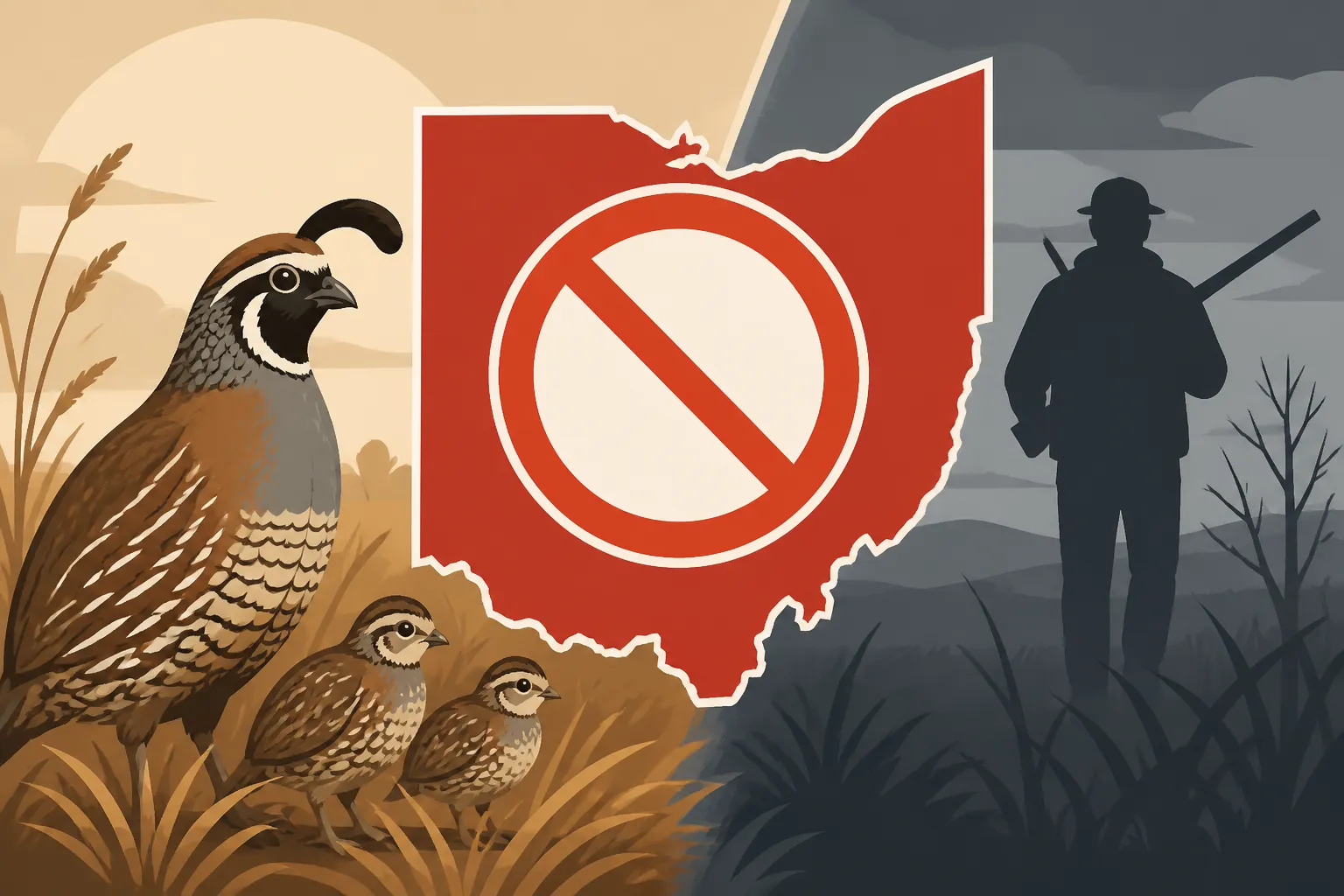
When we talk about Ohio having "closed" quail hunting, it means exactly that: there is no legal season to pursue or harvest bobwhite quail anywhere in the state. This isn't just about stopping hunting; it's a conservation measure aimed at giving the remaining birds every possible chance to recover. It's an acknowledgment that the population is simply too low to sustain any level of harvest pressure.
Lingering Pockets and Conservation Hope
Does this mean there are no bobwhite quail left in Ohio? Not entirely. Small, isolated pockets of quail do persist, primarily in areas where remnant suitable habitat still exists. These areas are often highly localized, perhaps on properties managed specifically for wildlife, or in very rural areas with less intensive agriculture and more brushy cover. Ohio Bobwhite Quail Status outlines these lingering populations in more detail.
Conservation efforts for bobwhite quail are ongoing, even without an open hunting season. These efforts largely focus on habitat restoration and creation. Programs work with private landowners to plant native warm-season grasses, establish brushy cover, and create edge habitats that mimic the historical landscape quail once thrived in. The idea is to piece together enough suitable habitat, even if in smaller patches, to allow these struggling populations to grow and expand. It’s a slow and challenging process, requiring significant commitment and resources.
Looking to Other Upland Opportunities
For hunters who miss the thrill of upland bird hunting, Ohio still offers other options, though none quite replace the unique experience of chasing quail. Rabbit and Upland Bird Hunting in Ohio remains a popular pursuit, with rabbit numbers generally more stable due to their adaptability to a wider range of habitats, including those common in agricultural areas. Ring-necked pheasants are another option, particularly in areas where the ODNR conducts stocking efforts, as detailed in Ohio Pheasant Season and Stocking. While wild pheasant populations have also declined significantly from their historical highs, these stocked birds provide a hunting opportunity in many farm country locations.
Hunters seeking these opportunities often use mapping tools like those offered by GoHunt to identify potential public lands or gain insights into habitat types. These digital resources can be invaluable for scouting and understanding the landscape for other small game species, even if bobwhite quail remain off-limits. You might also find information on other species, such as Ohio Ruffed Grouse Numbers Today, to understand the challenges faced by other native upland birds in the state.
The Future of Quail Hunting in Ohio
So, what does the future hold for bobwhite quail in Ohio? It's a question without an easy answer, and one that sparks passionate debate among hunters, landowners, and conservationists. A return to a statewide open season for quail, similar to what existed decades ago, seems unlikely in the foreseeable future. The fundamental changes in land use are simply too pervasive and difficult to reverse on a large enough scale.
The Role of Private Land Management
Any significant comeback for bobwhite quail in Ohio will undoubtedly hinge on private landowners. The vast majority of the land quail could potentially inhabit is privately owned. Incentivizing and educating landowners about the benefits of creating and maintaining quail habitat – dense cover, diverse native grasses, and brushy fence lines – is crucial. Programs that offer technical assistance or financial incentives for habitat work can make a real difference, even if it's on a localized scale. Initiatives focused on Habitat Work on Ohio Wildlife Areas also contribute to broader regional health, even if they aren't solely focused on quail.
Imagine a network of landowners, each dedicating a few acres to native grasses, shrubby thickets, and diverse food plots. If enough properties connect these patches, small populations could potentially link up, increasing genetic diversity and resilience. It's a vision that requires collective effort and a long-term commitment. Hunters who are also landowners, or who have access to private land, can be instrumental in this endeavor. Resources on the GoHunt platform can sometimes provide tools to help landowners understand their property's potential for habitat management, even for species that aren't currently huntable.
Continued Monitoring and Research
The ODNR continues to monitor quail populations, conducting surveys and gathering data on their distribution and abundance. This research is vital to understanding if and where any recovery is occurring. Wildlife biologists constantly evaluate habitat conditions and look for opportunities to enhance them. This data-driven approach is essential before any consideration could ever be given to reopening a season, even a highly restricted one. The decision to close the season was based on science, and any future decisions would need the same rigorous scientific backing. Understanding trends in other small game, such as Ohio rabbit population, also gives insights into broader habitat health.
A Renewed Appreciation
Even without a hunting season, the story of the bobwhite quail in Ohio serves as a powerful reminder of the importance of habitat and responsible land stewardship. For many, it has shifted the focus from hunting to conservation, fostering a deeper appreciation for the presence of these birds, even if just to hear their iconic call again. It's a reminder that wildlife populations are incredibly sensitive to changes in their environment, and that our actions, both individually and collectively, have profound impacts.
While quail hunting might be a distant memory for most Ohioans, the hope for their return, even in limited numbers, continues to inspire conservation efforts. Hunters are often among the most passionate conservationists, and the drive to see the bobwhite thrive again is a testament to that dedication. Perhaps one day, the familiar "bob-white!" call will echo across more Ohio fields, a sign of successful restoration efforts and a healthier, more diverse landscape for all.
Disclaimer
This article is for general informational purposes only and does not constitute professional advice. Laws, prices and regulations vary by location and change over time. Consult a qualified professional for guidance on your specific situation.