Ohio Waterfowl on the Mississippi and Atlantic Flyways
For any Ohio waterfowler, understanding the intricate dance of ducks and geese across our skies can feel like trying to hit a fast-flying teal in a fog. You scout, you plan, you set your decoys, but sometimes it just doesn't come together, leaving you wondering if you're even in the right place at the right time. This comprehensive guide is here to untangle the complexities of Ohio's unique position on the major flyways, helping you understand where our waterfowl come from, why they're here, and how you can be more successful in pursuing them.
Understanding Ohio's Place in the Grand Migration Corridors
Ohio, my friends, is smack dab in a truly incredible position when it comes to migratory birds. We're not just on one major flyway; we're essentially a crossroads for two of North America's most vital avian highways: the Mississippi Flyway and, to a lesser extent, the Atlantic Flyway. This dual influence means our state sees an astonishing diversity of waterfowl, each species with its own schedule and preferred stopping points. It's a marvel to witness, but it also means hunters need a nuanced understanding of these migration routes to really connect with the birds.
The Mighty Mississippi Flyway Influence
When most people think of ducks and geese funneling through Ohio, they're picturing the Mississippi Flyway. This colossal migration corridor stretches from the Canadian prairies and Arctic tundra all the way down to the Gulf of Mexico, with the mighty Mississippi River acting as its namesake artery. Birds breeding in Manitoba, Saskatchewan, and even further north find their way south through this system, and a huge number of them pass directly over or settle in Ohio's vast wetlands, rivers, and agricultural fields. It's a funnel that draws in an incredible volume of birds.
For Ohio, this means we're a critical stopover point for species like mallards, pintails, gadwalls, and various diving ducks. They utilize our wetlands along Lake Erie, the extensive river systems like the Maumee, Sandusky, and Ohio Rivers, and the numerous smaller marshes and farm ponds scattered across the landscape. The sheer number of birds that can pass through during peak migration can be astounding, making it a thrilling time for hunters who have done their homework. Understanding the flow of this flyway is paramount to anticipating when and where the big pushes of northern birds will arrive in our state.
The Subtle Nudge of the Atlantic Flyway
While the Mississippi Flyway dominates the conversation, don't discount the subtle, yet significant, influence of the Atlantic Flyway on Ohio's waterfowl populations. This flyway primarily serves birds that breed further east in Canada and the northeastern United States, guiding them down the Atlantic coast. However, the geographic realities of Ohio, particularly our eastern counties, mean some species or individual bird groups might "spill over" or take more easterly routes that skirt the edges of both flyways.
Think of it this way: a flock of scaup or ring-necked ducks might start their journey deep in central Canada, follow the Mississippi for a while, but then peel off towards the Atlantic if conditions or specific wintering grounds pull them in that direction. This crossover is less pronounced than our Mississippi connection, but it adds to the overall diversity of species we see, particularly with certain diver ducks and even some Canada geese that might be part of more easterly breeding populations. It means our hunters need to be aware that some birds might not strictly adhere to the "Mississippi rulebook" and could show up in unexpected places or at slightly different times than purely western-migrating birds.
Key Waterfowl Species and Their Migration Patterns in Ohio
Ohio's position between these flyways results in a fantastic array of waterfowl species gracing our skies and wetlands. Each has its own distinct migration timetable and preferred habitats, making waterfowl hunting a dynamic and ever-changing pursuit throughout the season. Knowing which birds to expect, and when, is crucial for setting up a successful hunt.
Dabbling Ducks: The Marsh and Field Feeders
Dabbling ducks, often called "puddle ducks," are the bread and butter for many Ohio hunters. They're typically found in shallower waters, tipping up to feed on submerged vegetation, seeds, and invertebrates, or grazing in flooded fields. Our strong connection to the Mississippi Flyway means we see robust numbers of these birds.
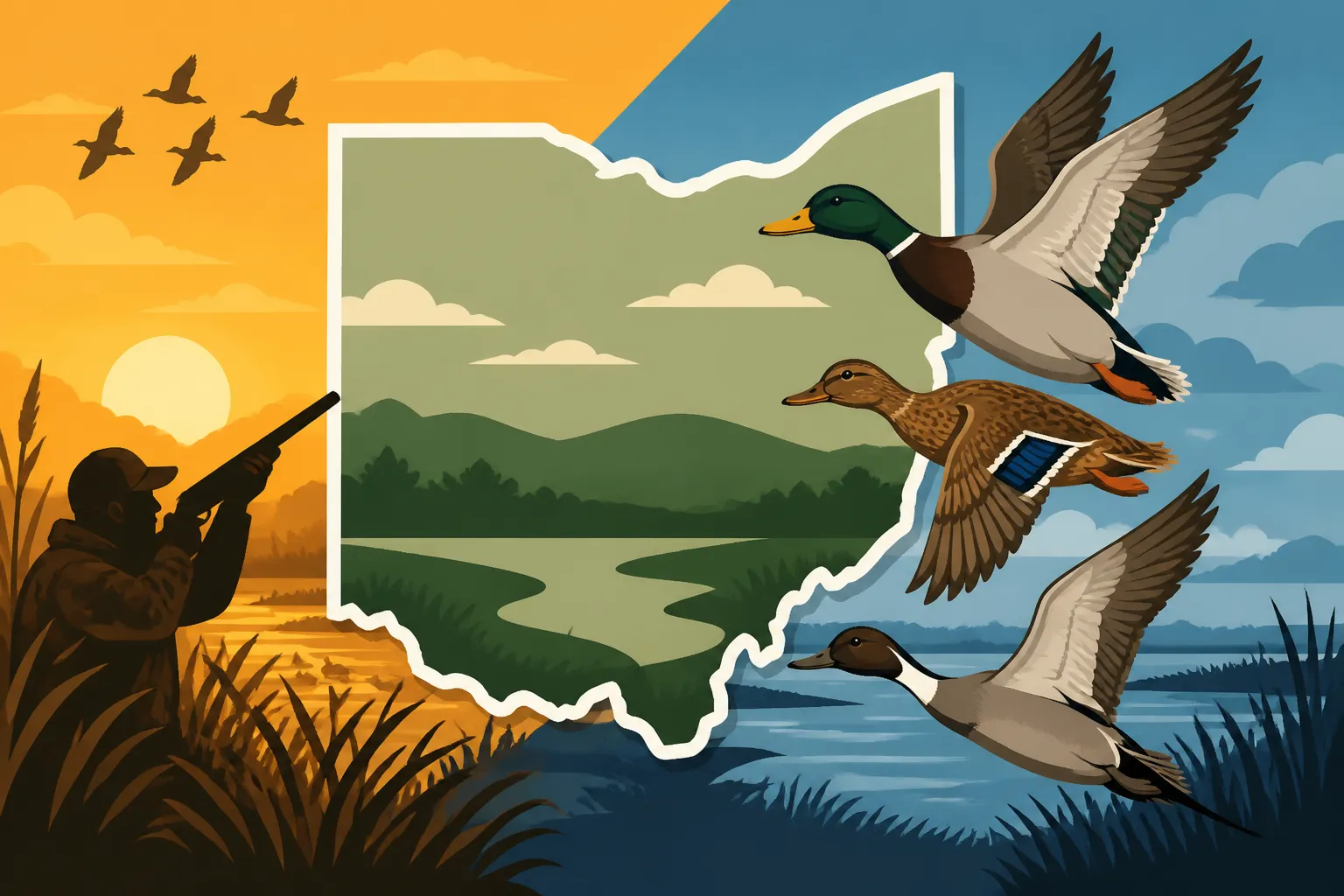
Mallards, with their iconic green heads, are perhaps the most sought-after, and they arrive in waves, from early-season resident birds to hard-flying northern migrants that show up with the first real cold fronts. They often utilize cut cornfields and shallow marshes. Black ducks, which tend to be a bit more wary, often travel with mallards and prefer similar habitats, though they might be found in more brackish water towards Lake Erie. Green-winged and blue-winged teal are our early season speedsters, with blue-wings often being the first to pass through in September, followed by green-wings a bit later. Pintails, known for their elegant appearance, and gadwalls, which are becoming increasingly common, also use Ohio as a key stopover, often favoring large, open water bodies with plenty of aquatic vegetation. You can learn more about Hunting Ohio Farmland Deer which often share fields with these dabblers during the colder months.
Diving Ducks: The Deepwater Specialists
Diving ducks are a whole different ballgame. As their name suggests, they dive completely underwater to feed on fish, mollusks, and aquatic insects. These birds are strongly associated with larger, deeper bodies of water, and Ohio's Lake Erie coastline becomes a major hub for them.
Redheads, canvasbacks, and scaup (both greater and lesser) are prime examples of divers that utilize Ohio's waters, especially during late fall and early winter. Lake Erie, particularly the western basin, is a major staging area for these birds, offering vast expanses of open water and abundant food sources. Diver Hunting on Open Lake Erie Water is a specialized skill, often requiring specific decoys and boat setups. Ring-necked ducks are another common diver, often found on smaller, deeper inland lakes and ponds. Buffleheads and common goldeneyes are tough little ducks that show up when the ice starts to form, often in smaller open pockets of water. Their arrival signifies colder weather and a different hunting approach. Understanding Ohio's New Waterfowl Zone Map is critical for planning your diver hunts, as zones often dictate season dates and specific regulations that cater to these different species and their movements.
Geese: The Migratory Powerhouses
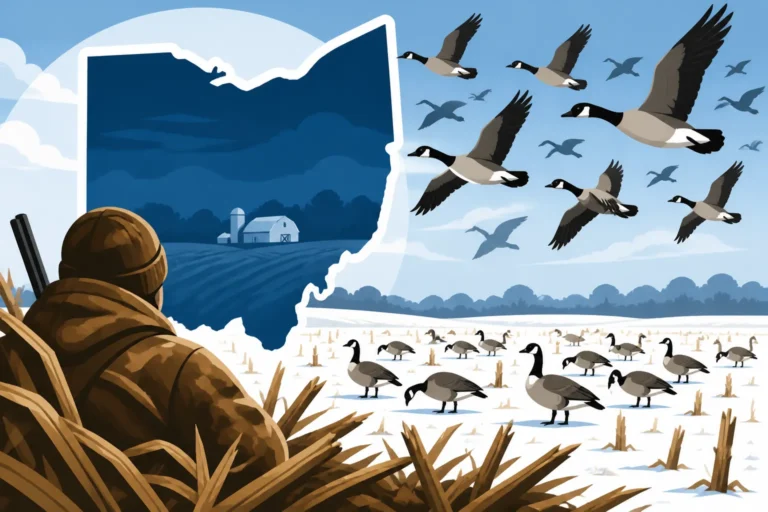
Canada geese are a permanent fixture in Ohio, with a significant resident population that breeds within the state. However, during migration, our numbers swell considerably with birds pushing south from Canada and the Great Lakes region. These migratory flocks can be huge, often numbering in the hundreds or even thousands, and they're a sight to behold.
Beyond the ubiquitous Canada goose, Ohio also sees a good number of snow geese and specklebellies (greater white-fronted geese) passing through, particularly in the western and northwestern parts of the state. Snow geese migrations can be spectacular, with massive flocks sometimes blanketing the sky. While not as common as Canada geese, their presence adds an exciting challenge for hunters. These birds often favor large agricultural fields, especially those with waste grain. Planning for Early Goose Season Tactics in Ohio can be very different from later in the season, as resident birds behave differently than their migratory counterparts. The constant evolution of these bird populations means always staying current with their habits and movements.
Ohio's Major Waterfowl Hunting Zones
To effectively manage its diverse waterfowl resources and accommodate the varying migration patterns across the state, Ohio is divided into several distinct waterfowl hunting zones. These zones, established by the Ohio Department of Natural Resources (ODNR), dictate season dates, bag limits, and other specific regulations. It's not just a bureaucratic formality; these zones reflect real differences in habitat availability, bird populations, and migration timing across Ohio. Ignoring these distinctions is a surefire way to frustrate yourself and potentially run afoul of regulations.
The Lake Erie Marsh Zone: A Waterfowler's Paradise
Without a doubt, the Lake Erie Marsh Zone is the crown jewel of Ohio waterfowl hunting. This narrow strip of land along the southern shore of Lake Erie, stretching from the Michigan border eastward to Huron, is directly in the path of a major migratory corridor for ducks and geese utilizing both the Mississippi and, to a lesser extent, the Atlantic Flyway. The extensive wetlands, marshes, and shallow waters here provide critical staging, feeding, and resting habitat for millions of birds.
Hunters in this zone can expect to see a huge diversity of species, from dabblers like mallards, teal, and pintails, to an impressive array of divers including redheads, canvasbacks, and scaup. The season dates in this zone are often structured to capitalize on the later arrival of northern migrants and divers, making it a prime destination for late-season hunting. Access can be a challenge, with many prime marshlands being privately owned, but public options like Magee Marsh Wildlife Area and Ottawa National Wildlife Refuge offer highly sought-after controlled hunts. Understanding Hunting Lake Erie Marsh Zone Waterfowl involves specific decoy spreads and boat management, as conditions can be unpredictable, ranging from calm waters to treacherous winds.
North Zone and South Zone: Inland Migration Corridors
Beyond the Lake Erie Marsh Zone, Ohio is primarily divided into North and South Zones, each with its own set of season dates designed to align with typical migration flows. These zones encompass the vast majority of Ohio's inland waters, including large rivers, smaller lakes, farm ponds, and agricultural fields.
The North Zone generally covers the northern half of the state, south of the Lake Erie Marsh Zone. It sees an earlier push of migratory dabbling ducks, as well as significant numbers of Canada geese. Hunters in areas like the Killdeer Plains Wildlife Area or along the Sandusky River can have fantastic opportunities. The South Zone covers the southern half of Ohio and often has slightly later season dates, designed to catch birds that continue to push further south as winter tightens its grip on the northern parts of the state. This zone includes the rich agricultural lands of western Ohio and the rolling hills and river valleys of southeastern Ohio, like those along the Ohio River. Hunting the Ohio River Backwaters can be particularly productive in the South Zone, especially when cold weather pushes birds off larger bodies of water. The specific structure of Ohio's New Waterfowl Zone Map is crucial, as even subtle boundary changes can affect your hunting strategy and legal season dates.
| Ohio Waterfowl Zone | Key Characteristics | Primary Waterfowl Species | Typical Season Timing |
|---|---|---|---|
| Lake Erie Marsh | Extensive coastal marshes, shallow lake waters, major staging area. | Mallards, Teal, Redheads, Canvasbacks, Scaup, Canada Geese | Generally later, extends into winter |
| North Zone | Inland rivers, lakes, farm ponds, agricultural fields (northern half). | Mallards, Teal, Wood Ducks, Canada Geese, some divers | Earlier opening, aligns with early/mid-fall migration |
| South Zone | Inland rivers, lakes, farm ponds, agricultural fields (southern half). | Mallards, Wood Ducks, Canada Geese, some late divers | Slightly later opening/closing, captures late migrants |
Habitat Types and Their Role in Waterfowl Attraction
Waterfowl, like all wildlife, are driven by two fundamental needs: food and security. The types of habitats Ohio offers directly influence which species are attracted to our state, when they arrive, and how long they stay. Understanding these ecological connections is absolutely critical for any waterfowler looking to consistently find birds. You can't just throw decoys anywhere and expect success; you need to be where the birds want to be.
Wetlands, Marshes, and River Systems: The Natural Magnets
Ohio is blessed with a diverse array of wetlands, from expansive coastal marshes along Lake Erie to countless inland swamps, beaver ponds, and oxbow lakes along its numerous river systems. These natural magnets provide rich foraging grounds and vital resting areas for ducks and geese throughout their migration. The shallow, vegetated margins of these areas are perfect for dabbling ducks to tip-up and feed on seeds, aquatic insects, and plant matter. The deeper pools within these systems, or the open waters of larger rivers like the Maumee, Sandusky, or Ohio River, become critical for diving ducks.
During peak migration, these wetland complexes can hold tens of thousands of birds. Areas like the Big Island Wildlife Area in Marion County or the Metzger Marsh Wildlife Area in Lucas County are prime examples of managed wetlands that actively attract and hold waterfowl. However, even smaller, unmanaged natural wetlands can be incredibly productive, especially if they offer protection from hunting pressure and a reliable food source. Hunting these areas often involves specialized gear and tactics, like the use of layout blinds or boats for access, but the rewards can be significant. Learning to read the subtle cues of an active marsh is a skill that takes years to hone, but it's invaluable for success.
Agricultural Lands and Flooded Fields: The Modern Feast
In many parts of Ohio, particularly the western and northwestern regions, agricultural fields play an equally, if not more, important role in attracting and holding waterfowl, especially geese and many dabbling duck species. Waste grain in harvested corn and soybean fields provides an incredibly high-energy food source that migratory birds desperately need to fuel their long journeys.
When these fields are flooded, either naturally by heavy rains or intentionally for water management, they become irresistible to ducks and geese. A flooded cornfield, especially one near a secure resting area like a large lake or wildlife refuge, can become a duck magnet overnight. Canada geese, in particular, are notorious for patterning agricultural fields, flying out to feed in the morning and evening, and returning to water in between. This is where tactics like Layout Blind Hunting Ohio Farm Fields really shine, allowing hunters to blend seamlessly into the agricultural landscape. Even unflooded fields can be productive for geese, but the combination of water and grain is a powerful draw for ducks. Scouting these areas, observing flight patterns, and getting permission from landowners are key components of success in these agricultural settings.
Critical Factors Influencing Ohio Waterfowl Hunting Success
Waterfowl hunting in Ohio is rarely a simple affair. Unlike some other forms of hunting, success often hinges on a complex interplay of factors that are largely outside a hunter's control. Understanding these variables – and adapting to them – is what separates a consistently successful waterfowler from one who frequently leaves the blind empty-handed. It's a game of chess against the elements and the birds themselves.
Weather Patterns and Cold Fronts: The Migration Triggers
If there's one thing that dictates waterfowl movement more than anything else, it's the weather. Major cold fronts pushing down from Canada are the primary drivers of large-scale duck and goose migrations into Ohio. These fronts bring with them plummeting temperatures, strong northerly winds, and often precipitation, signaling to birds further north that it's time to move south.
A strong cold front will often "push" new birds into Ohio, revitalizing stagnant hunting grounds and bringing in fresh, less-pressured birds. Observing long-range weather forecasts, paying close attention to temperature drops and wind shifts, is absolutely critical. A bluebird day might be pleasant to hunt, but a blustery, overcast day with a biting north wind is often when the magic happens. Conversely, extended periods of mild weather can stall migrations, leading to frustrating lulls in hunting activity. Hunters often rely on tools like the GoHunt app to track weather patterns and bird movements, helping them predict when new birds might be arriving or when existing birds might be forced to move due to freezing conditions.
Hunting Pressure and Public vs. Private Land Dynamics
Hunting pressure is an unavoidable reality for Ohio waterfowlers, especially on public land. Ducks and geese are incredibly intelligent and quickly learn to associate heavy hunting pressure with danger. Areas that are pounded day in and day out will often see birds become nocturnal, move to private refuges, or simply leave the area entirely.
This is where the dynamic between public and private land becomes so important. While Ohio has some fantastic Public Hunting Land in Ohio and many excellent Ohio Wildlife Areas, these spots can become crowded, particularly on opening days and weekends. Birds on these pressured public areas will often sit on large, undisturbed water bodies during the day and only move to feed at dawn and dusk, making them incredibly difficult to hunt. Conversely, securing permission on private land, especially those with good water and food sources, can offer incredible opportunities, as these birds often see far less pressure. Even on public land, however, getting away from the crowds – hiking deeper into a marsh or scouting overlooked corners – can yield fantastic results. Understanding Hunting Pressure on Ohio Public Land means learning to adapt, whether it's by going on weekdays, hunting obscure spots, or changing your calling and decoy strategies.
Food Availability and Water Conditions
Waterfowl need to eat, and they need safe places to rest. The availability of preferred food sources and suitable water conditions directly impacts where birds will concentrate in Ohio. A region with abundant waste grain in agricultural fields or a marsh rich with aquatic vegetation will hold more birds than an area lacking these resources.
Water levels are equally crucial. Dabbling ducks need shallow water to feed, while divers require deeper, open water. Drought conditions can devastate shallow wetland habitats, forcing birds to move on, while excessive flooding can spread birds out, making them harder to concentrate. The annual fluctuation in water levels, whether natural or through active habitat management by the ODNR, significantly influences bird distribution. Hunters often track these changes carefully, as a rise in water levels after a dry spell can quickly open up new feeding areas and draw in ducks. This is also where scouting with tools like GoHunt, which can show satellite imagery and water features, can give you a significant advantage in finding these dynamic food and water hotspots.
Conservation Efforts and Their Impact on Ohio Waterfowl
The abundance of waterfowl we enjoy today in Ohio is no accident. It's the direct result of decades of dedicated conservation efforts, largely funded by hunters themselves. From habitat restoration to scientific research, these initiatives play a critical role in sustaining healthy waterfowl populations and ensuring future generations can experience the thrill of the migration.
Habitat Restoration and Wetland Management
The single most impactful conservation effort for waterfowl is habitat restoration and protection, particularly of wetlands. Wetlands are essentially the nurseries, diners, and bedrooms for ducks and geese. Over the centuries, Ohio lost vast percentages of its original wetlands to agriculture and development. Organizations like Ducks Unlimited, Ohio Wetlands Association, and the ODNR have been tirelessly working to reverse this trend.
These efforts involve restoring drained wetlands, creating new ones, and actively managing existing marshes and impoundments. This includes controlling water levels to promote the growth of desirable food plants, combating invasive species, and maintaining diverse wetland complexes that provide food and cover year-round. Many of the premier waterfowl hunting locations in Ohio, like the Magee Marsh and Killdeer Plains Wildlife Areas, are testaments to successful wetland management. These managed areas are crucial not only for hunting but also for the broader ecosystem, providing homes for countless other species. The health of these habitats directly translates to the health and abundance of migratory birds passing through Ohio.
Hunter-Funded Conservation: Stamps and Licenses
It's easy to overlook, but every time an Ohio waterfowler buys a hunting license, a federal duck stamp, or an Ohio Wetlands Habitat Stamp, they are directly contributing to conservation. These funds are specifically earmarked for habitat acquisition, restoration, and research projects across the country and within Ohio.
The Federal Duck Stamp program, for instance, has conserved millions of acres of wetland habitat since its inception in 1934. In Ohio, the state wetlands stamp directly supports projects that benefit waterfowl. This system ensures that the very act of hunting provides the financial backbone for the habitats that sustain the sport. Without these hunter contributions, many of the crucial wetland areas that hold our migratory birds would simply not exist. It's a powerful model of "user pays, user benefits," demonstrating the profound positive impact hunters have on conservation. Remember to always ensure you have your Ohio Migratory Bird Stamp Cost covered before heading out, as these small fees make a huge difference.
Navigating Regulations and Licensing for Ohio Waterfowl Hunting
Understanding the rules and regulations for waterfowl hunting in Ohio can sometimes feel like trying to untangle a knot of fishing line in the dark. There are federal regulations, state regulations, zone-specific rules, and migratory bird requirements, all designed to ensure sustainable hunting practices. Overlooking any of these can lead to fines, lost hunting privileges, and a generally miserable experience.
Federal and State Requirements: Permits and Stamps
To hunt waterfowl in Ohio, you'll need a few key pieces of paperwork. First and foremost, you need a valid Ohio hunting license. This is your basic entry ticket to hunting any game in the state. Beyond that, for migratory waterfowl, you'll need two additional items:
- Federal Migratory Bird Hunting and Conservation Stamp (Federal Duck Stamp): This is a federal requirement for all migratory bird hunters aged 16 and older. It's not specific to Ohio but applies nationwide.
- Ohio Wetlands Habitat Stamp: This is Ohio's state equivalent, required for hunters 16 and older pursuing waterfowl within the state.
Additionally, all migratory bird hunters in Ohio (including those pursuing doves, woodcock, snipe, rails, and gallinules) must register annually with the Harvest Information Program (HIP). This is a federal program that gathers data on migratory bird harvests, which is crucial for population management. Registering for HIP is usually done when you purchase your license. Make sure you understand Ohio HIP Certification for Bird Hunters and complete it before your first hunt of the season.
Zone-Specific Season Dates and Bag Limits
As we discussed, Ohio is divided into different waterfowl hunting zones – the Lake Erie Marsh Zone, North Zone, and South Zone. Each of these zones has its own specific season dates for ducks, geese, and other migratory birds. These dates are set annually by the ODNR in coordination with federal guidelines and are designed to coincide with the typical migration patterns in each region.
It's absolutely critical to know which zone you are hunting in and to adhere strictly to those dates. Hunting outside of designated season dates is a serious violation. Similarly, there are specific Ohio Duck and Goose Bag Limits for each species or group of species (e.g., mallards may have a limit, but only so many can be hens). These limits also vary by zone and can even change year to year based on population surveys. Always check the current Ohio Hunting and Trapping Regulations booklet or the ODNR website before each season. Not knowing the limits is not an excuse, and game wardens are particularly vigilant about migratory bird regulations. Using a reliable source like the GoHunt app can help you quickly reference these regulations in the field, ensuring you're always compliant.
The Future of Waterfowl Hunting in Ohio
The future of waterfowl hunting in Ohio, like much of our wildlife heritage, depends on a delicate balance of conservation, smart management, and adaptable hunters. While challenges certainly exist, there are also exciting opportunities for those willing to engage and embrace change.
Addressing Emerging Challenges: Habitat Loss and Climate Change
Despite decades of conservation wins, waterfowl populations and their habitats face ongoing and emerging threats. Continued habitat loss due to development and changes in agricultural practices remains a significant concern. While some wetlands are being restored, the overall pressure on natural spaces is constant.
Climate change also presents a complex challenge. Shifting weather patterns can alter migration timing, leading to later freezes or earlier thaws that disrupt traditional hunting patterns. Changes in precipitation can affect wetland water levels, impacting breeding success in the north and stopover habitat in Ohio. It means wildlife managers and hunters need to be more adaptable than ever, constantly monitoring populations and habitat conditions. For example, understanding Duck Migration Timing Through Ohio becomes even more critical when weather patterns are less predictable. This isn't just about hunting; it's about the entire ecosystem our waterfowl depend on.
The Role of Hunter Engagement and Adaptability
The most critical factor in the future of Ohio waterfowl hunting is us – the hunters. Continued engagement in conservation efforts, whether through volunteering, advocating for pro-hunting legislation, or simply purchasing licenses and stamps, is paramount. Supporting organizations like Ducks Unlimited, Delta Waterfowl, and local conservation groups directly contributes to the resources needed to protect wetlands and ensure healthy bird populations.
Beyond conservation, hunters need to be adaptable. This means embracing new technologies like the Ohio HuntFish App for scouting and mapping, being willing to adjust hunting strategies based on bird behavior and weather patterns, and continuously learning. It means understanding that the best spots aren't always the most obvious, and sometimes a willingness to walk further, set up differently, or learn new calling techniques will pay dividends. The thrill of the chase, the beauty of the birds, and the connection to nature are why we do it. By staying informed, engaged, and adaptable, Ohio waterfowlers can ensure this incredible tradition continues for generations to come.
Disclaimer
Please note that hunting regulations, season dates, and bag limits are subject to change annually by the Ohio Department of Natural Resources (ODNR) and federal agencies. Always consult the most current Ohio Hunting and Trapping Regulations booklet or the official ODNR website before engaging in any hunting activities. This guide is for informational purposes only and does not supersede official regulations.