How Many Geese Winter on Ohio Farmland
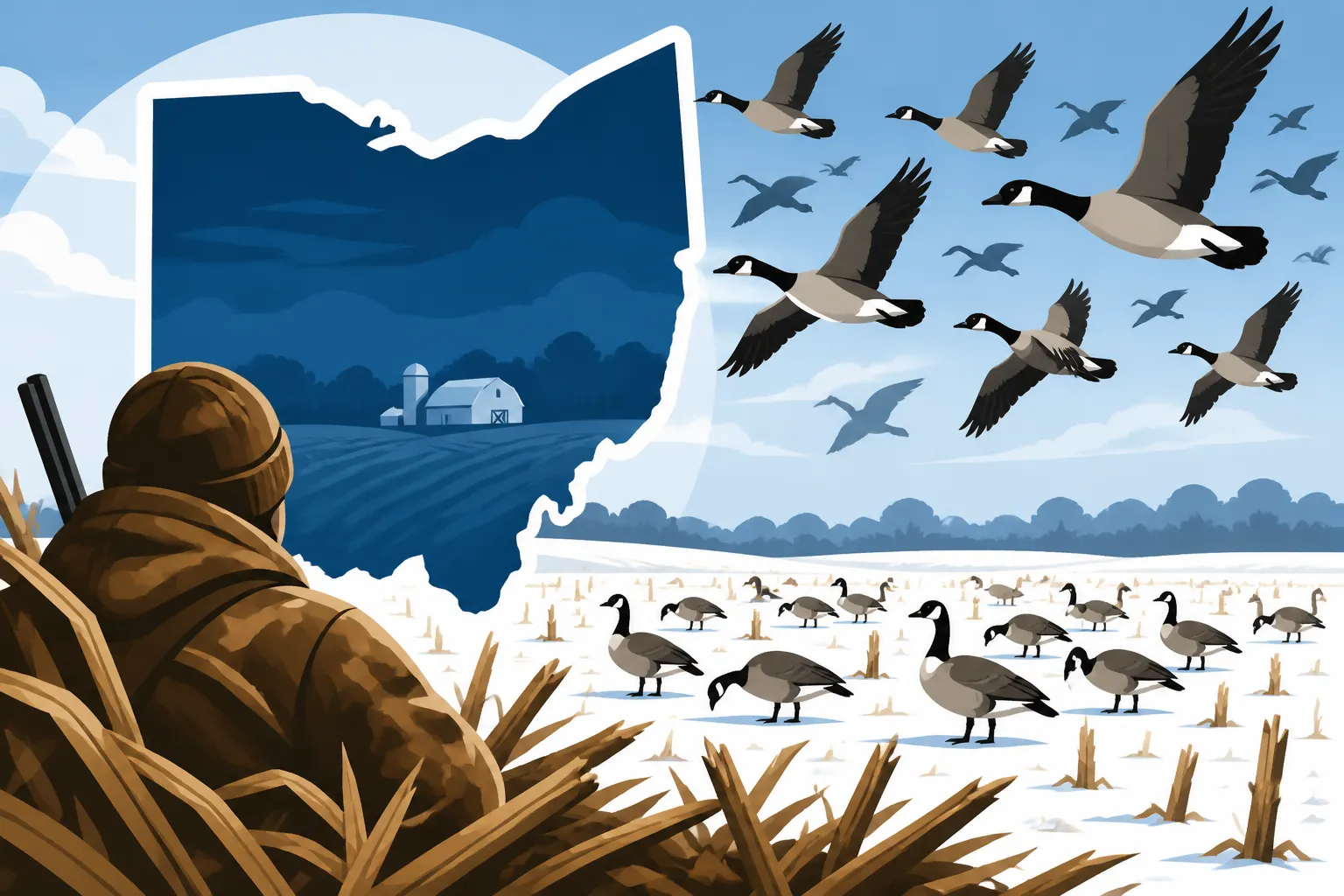
It's a familiar sight across Ohio's winter landscape: huge flocks of Canada geese blanketing a harvested cornfield, their calls echoing across the frosty air. Many hunters and landowners often wonder just how many of these impressive birds choose our state as their winter home. This guide will dive deep into the fascinating world of Ohio's wintering goose populations, exploring their habits, preferred habitats, and the challenges of estimating their numbers on our farmlands.
The Phenomenon of Wintering Geese in Ohio
If you've spent any time driving through rural Ohio in the late fall or winter, you’ve undoubtedly seen the tell-tale signs: vast stretches of farmland dotted with thousands of geese. It's an incredible spectacle, but it also raises questions about why they're here and how many there truly are. These aren't just a few stragglers; we're talking about significant numbers of birds making Ohio's agricultural fields their temporary residence.
Why Farmland is a Goose Magnet in Winter
Ohio's farmland, especially in the central and northern parts of the state, offers an irresistible buffet for geese during the colder months. After the combines have rolled through, leaving behind waste grain like corn and soybeans, these fields become prime feeding grounds. Geese are voracious eaters, and a readily available, high-energy food source is exactly what they need to fuel their bodies through the winter, or to prepare for the next leg of their migration.
Beyond just the food, these open fields offer a sense of security. Compared to smaller woodlots or brushy areas, an open field allows geese to spot approaching predators from a great distance. They can lift off quickly, making them feel safer than in more confined spaces. Modern agricultural practices, which often leave behind more waste grain than in decades past, only enhance this attraction, creating vast, accessible food plots across the state. They might fly to a larger body of water like a reservoir or a wide river to roost overnight, but come sunrise, it's often back to the fields for breakfast.
Distinguishing Migratory from Resident Geese
It's important to understand that the geese you see on Ohio farmland in winter aren't all the same birds. Ohio hosts both migratory Canada geese, which are passing through or wintering here from further north, and a substantial population of "resident" geese. Resident geese are those that breed within Ohio and often spend their entire lives within the state or nearby. These are the birds you see nesting in parks, on golf courses, and in suburban ponds throughout the spring and summer.
While both contribute to the overall numbers on our farmlands, their behaviors can differ slightly. Migratory geese are often more wary and less accustomed to human presence, having traveled great distances. Resident geese, having grown up around people, can sometimes be a bit more tolerant, though they are still wild birds and smart! Differentiating between the two in the field can be tricky, as they look identical. However, understanding that both populations contribute to the impressive numbers you see in winter helps paint a more complete picture of why Ohio's fields are so popular.
Estimating Ohio's Winter Goose Population
Counting migratory birds is less like taking a census of a small town and more like trying to get an accurate tally of all the leaves on a forest floor. It's incredibly complex and always an estimation, but wildlife agencies use a variety of sophisticated methods to get the best possible data. Knowing these numbers helps inform hunting regulations and conservation efforts.
The Challenges of Counting Migratory Birds
Imagine trying to count every single goose that lands in Ohio during the winter. It’s a monumental task! The biggest challenge is that these populations are incredibly dynamic. Birds move daily based on food availability, weather patterns, and hunting pressure. A warm spell might see more geese linger further north, while a sudden cold front can push thousands into Ohio overnight. Factors like ice cover on open water also play a huge role; if traditional roosting areas freeze solid, geese will shift to find open water, often pushing them into new areas or further south.
Wildlife agencies, including the Ohio Department of Natural Resources, rely on coordinated surveys across the Mississippi Flyway. These often involve aerial surveys conducted from planes, where observers count flocks on fields and major water bodies. Ground counts, band returns (from banded birds harvested by hunters), and population models are also used. While these methods provide valuable data and trend information, they don't give a precise, real-time number, but rather a robust estimate of the population utilizing Ohio at a given time or season. You can often find state reports that give general population estimates, but these are aggregated figures, not a definitive, day-by-day count.
General Population Trends and Factors
Across North America, Canada goose populations, particularly the larger "giant Canada goose" subspecies, have seen a remarkable resurgence over the last few decades. Ohio is no exception to this trend. While precise annual figures for wintering geese fluctuate, the overall pattern indicates a healthy and often increasing population. This is due to successful conservation efforts, adaptable nesting habits, and the abundant food sources available in agricultural landscapes.
Several factors influence how many geese decide to winter in Ohio. Harsh winters to our north, particularly in Michigan and Canada, tend to push more birds south into Ohio, especially if major water bodies there freeze over. Conversely, mild winters can mean more geese stay further north, reducing the numbers we see here. The availability of waste grain is paramount; a season with a lot of spilled corn or soybeans means plenty of forage, encouraging geese to stay longer. Hunting pressure also plays a role. If certain areas experience heavy hunting early in the season, geese may shift to other, less disturbed fields, making them harder to track. Understanding Ohio Waterfowl Migration Timing is key to anticipating these movements.
Impact on Hunting and Management
For Ohio waterfowl hunters, the sheer number of wintering geese presents both exciting opportunities and unique challenges. Managing these populations requires a balance between providing hunting opportunities and ensuring the long-term health of the species.
Hunting Strategies for Farmland Geese
Hunting geese on Ohio farmland can be incredibly rewarding, but it’s a game of strategy. These birds are notoriously smart and wary, especially after they've been shot at a few times. The sheer numbers can make it seem easy, but breaking down large flocks into smaller, decoying groups is the real art. Hunters typically scout extensively to identify preferred feeding fields and then seek permission from landowners. Tools like GoHunt's mapping features can be invaluable for identifying potential private land access or scouting public land boundaries.
Once a field is chosen, successful hunting often involves large spreads of decoys (sometimes dozens, or even hundreds, to mimic a large flock feeding), excellent concealment in layout blinds or natural cover, and proficient calling to draw birds within range. Understanding the geese's flight patterns from their roost to their feeding grounds, and setting up along those flight lines, is critical. For more specific tactics, you might look into Layout Blind Hunting Ohio Farm Fields or Early Goose Season Tactics in Ohio.
Management Efforts for Ohio's Goose Population
The Ohio Department of Natural Resources (ODNR) manages goose populations through carefully set bag limits and season structures. Ohio, as part of the Mississippi Flyway, coordinates its regulations with federal guidelines to ensure sustainable harvest across migration routes. This means specific rules for the early goose season, which targets primarily resident birds, and the regular waterfowl seasons, which encompass both resident and migratory populations. You can always check the current Ohio Duck and Goose Bag Limits to stay informed.
Beyond hunting, ODNR also manages nuisance goose populations, particularly resident birds that can cause issues in urban and suburban areas. This might involve depredation permits for landowners experiencing crop damage or assisting with urban goose control programs. Data collected from hunter harvest reports (which is why checking your game is so important!) and ongoing population surveys help biologists make informed decisions about future regulations, aiming to maintain healthy populations while mitigating conflicts. All bird hunters also need to remember their Ohio Migratory Bird Certification.
Beyond the Numbers: Understanding Goose Behavior
While knowing the estimated numbers is helpful, truly understanding wintering geese in Ohio involves appreciating their daily routines and how they adapt to our diverse landscape. These birds are masters of survival, constantly making decisions based on food, safety, and weather.
Daily Routines and Feeding Habits
Wintering geese in Ohio typically follow a consistent daily routine, often referred to as the "roost-to-feed" pattern. As dawn breaks, large flocks will leave their overnight roosts on safe, open water bodies—think large reservoirs like Caesar Creek Lake or even wider stretches of the Ohio River. They then fly directly to their chosen feeding fields, which are almost invariably agricultural fields with waste grain. They'll spend several hours feeding, replenishing energy reserves.
After their morning feast, they often "loaf" for a few hours. This might involve moving to another nearby field, finding a small pond for a drink and a preen, or returning to their main roost if it's close by. As afternoon approaches, they'll often make another feeding trip before returning to their secure overnight roost just before dark. This predictable pattern is what hunters try to exploit. Their preferred fields change throughout winter; early in the season, it might be waste corn, but later, soybeans or even green winter wheat fields can become attractive, especially if previous food sources are depleted or covered by deep snow. For a successful hunt, locating these daily movements is key. Consider using a tool like GoHunt to study aerial maps for potential roosts and connecting flight lines between water and fields.
Weather's Influence on Goose Movement
Weather is perhaps the single most significant factor dictating goose movements and numbers in Ohio during the winter. A prolonged period of extreme cold and heavy snow to our north will inevitably push more migratory geese down into Ohio, seeking milder conditions and accessible food. When lakes and rivers in Michigan and Canada freeze over, geese lose their safe roosting sites, forcing them south along the flyway.
Conversely, mild winters can mean that many geese that traditionally would have wintered in Ohio might stay further north, resulting in fewer birds in our fields. Ice-free water bodies are crucial for geese, not just for roosting but also for escaping predators. If Ohio's major lakes and reservoirs remain unfrozen, they act as magnets, holding large numbers of birds in the area, even during colder spells. Therefore, keeping a close eye on weather forecasts, both locally and to our north, is a crucial part of anticipating goose movements and knowing when those large flocks might be settling into an Ohio field. Understanding Canada Geese on Ohio Farmland truly comes down to the daily variables of Mother Nature.
Disclaimer
This article is for general informational purposes only and does not constitute professional advice. Laws, prices and regulations vary by location and change over time. Consult a qualified professional for guidance on your specific situation.