Ohio Boone and Crockett Whitetails
Every Ohio hunter dreams of that once-in-a-lifetime buck, the kind that stops you in your tracks and leaves you shaking, a true giant worthy of the record books. It's easy to feel like those deer only exist in magazines or on far-off private lands, but the truth is, Ohio has a rich history of producing world-class whitetails. This guide will dive deep into what makes a Boone and Crockett buck, how Ohio consistently ranks among the top states for these incredible animals, and practical insights into pursuing such a trophy.
Understanding Boone and Crockett Scores and What They Mean
When we talk about a "Boone and Crockett buck," we're not just talking about any big deer. We're referring to a specific scoring system established by the Boone and Crockett Club, a conservation organization founded by Theodore Roosevelt back in 1887. This system is the gold standard for measuring North American big game animals, emphasizing fair chase hunting and the conservation of wild populations. It’s about more than just antler size; it's about the symmetry, mass, and overall impressive nature of a buck's headgear.
Typical vs. Non-Typical Classifications
The Boone and Crockett system divides whitetail deer into two main categories: typical and non-typical. This distinction is crucial because a truly massive rack might not score as high if it's too asymmetrical or has too many irregular points.
- Typical Racks: These are all about symmetry. Points should ideally mirror each other from one side to the other. The score rewards length of tines, main beam length, and circumference measurements, with deductions for any asymmetry between corresponding measurements on opposite sides. A clean, balanced 10-point (5×5) or 12-point (6×6) with long tines and heavy mass is often the epitome of a high-scoring typical buck. To even qualify for the Boone and Crockett Awards, a typical whitetail must meet a minimum score, which encourages hunters to seek out mature, symmetrical deer.
- Non-Typical Racks: Here's where things get wild! Non-typical racks are those with abnormal points, drop tines, irregular formations, or significant asymmetry that can't be accounted for in the typical scoring. These unique antler structures add "non-typical" inches to the score. While symmetry is still valued for the typical frame, all the extra, abnormal points are added on top of that. This means a buck with a more modest typical frame can still become a giant non-typical if it's adorned with a crown of impressive, irregular points. These bucks are often a testament to genetics, age, and superior nutrition, creating truly unique and breathtaking antlers.
Why the Boone and Crockett Club Matters to Hunters
Beyond just bragging rights, the Boone and Crockett Club's record-keeping serves a much larger purpose: conservation. By meticulously documenting trophy animals, the club helps track the health and success of wildlife management efforts across North America. When you see consistent Boone and Crockett entries from a state like Ohio, it's a strong indicator that the deer herd is healthy, habitat is good, and hunting regulations are effectively allowing bucks to reach older age classes. For us hunters, it gives us something to aspire to, pushing us to become more ethical, knowledgeable, and conservation-minded in our pursuits. It also provides valuable data for wildlife agencies like the Ohio Department of Natural Resources (ODNR) to understand herd dynamics and make informed decisions.
Ohio's Reputation for Trophy Whitetails
Ohio has consistently punched above its weight class when it comes to producing gargantuan whitetail deer. It's no secret among serious trophy hunters that the Buckeye State is a hotspot, often ranking among the top states nationally for Boone and Crockett entries. This reputation isn't accidental; it's a result of a perfect storm of factors that coalesce to grow truly monumental deer.
The Landscape of Giants: Where Ohio's Big Bucks Roam
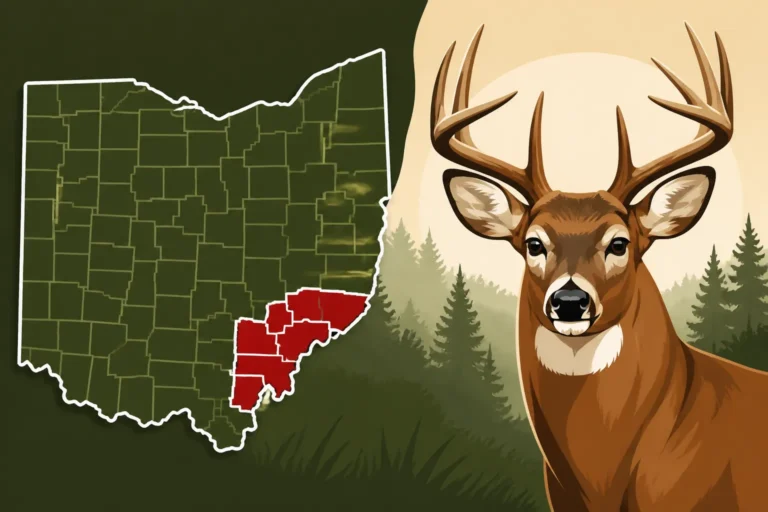
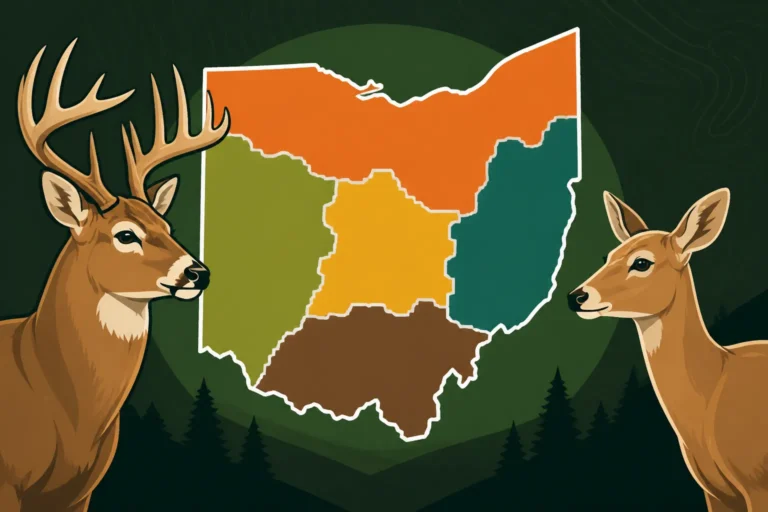
While trophy bucks can theoretically turn up anywhere, certain regions of Ohio have a well-earned reputation for consistently yielding record-book animals. If you've been wondering about Best Ohio Counties for Big Bucks, you'll find that many of these tend to be in the southern and eastern parts of the state, particularly the Appalachian foothills, but also surprisingly, in some of the more intensely farmed western and central counties.
- Appalachian Foothills: Areas like Adams, Scioto, and Highland counties in southern Ohio, and those bordering the Wayne National Forest, are known for their rugged terrain and expansive timber. While deer densities might not be as high as in agricultural areas, the cover allows bucks to age. Older bucks living in these areas, often less pressured, have the chance to express their full genetic potential. Food sources here are diverse, including acorns, browse, and agricultural crops on interspersed farms. Hunters willing to put in the legwork and climb the ridges often find themselves in prime big-buck country, looking for Finding Sign in Big Appalachian Timber.
- Farm Belt and Woodlot Islands: Don't discount the flat, fertile farmlands of western and central Ohio. Counties with significant agricultural production, interspersed with crucial woodlots and creek bottoms, are also trophy factories. The sheer abundance of high-protein food sources – corn, soybeans, alfalfa – provides incredible nutrition that fuels antler growth. Bucks in these areas might live on smaller woodlot islands, using the dense cover as bedding and venturing out to feed. While hunting pressure can be higher, smart scouting and careful approaches can still yield incredible results. Services like GoHunt can be invaluable for analyzing land features and understanding potential food sources across different regions.
The Perfect Storm: Factors Behind Ohio's Trophy Success
Ohio's ability to consistently produce Boone and Crockett whitetails boils down to a combination of genetics, nutrition, age structure, and management practices. It's a delicate balance that has created some of the best hunting opportunities in the country.
- Genetics: Ohio's deer herd possesses excellent genetic potential for antler growth. While genetics are only one piece of the puzzle, they lay the foundation for what's possible. Our deer come from a strong lineage of whitetails capable of growing impressive headgear when all other factors align.
- Nutrition: This is arguably the most critical factor. The rich agricultural landscape across much of Ohio provides an almost year-round buffet of high-quality forage. Corn, soybeans, alfalfa, and winter wheat are packed with the protein and minerals essential for bucks to grow massive antlers, especially in the spring and summer months when antlers are actively developing. Even in forested areas, healthy mast crops and diverse browse contribute significantly.
- Age Structure: A buck needs time to grow. Most record-book bucks are 4.5 years old or older. Ohio's hunting regulations, including a limited number of antlered deer permits and opportunities to harvest antlerless deer, have helped create a healthy age structure in the herd. This means more bucks are surviving past their younger years, reaching maturity, and having the opportunity to put on significant antler mass. When you look at the Ohio Buck Age Structure, you can see the results of these efforts.
- Hunter Ethic and Management: Ohio hunters, on the whole, have a strong tradition of passing on younger bucks, opting to fill their tags with does or waiting for more mature animals. This self-imposed restraint, coupled with the ODNR's strategic deer management plans, fosters an environment where bucks can achieve their full potential.
Strategies for Pursuing a Boone and Crockett Buck in Ohio
Chasing a truly massive whitetail is a journey, not just a hunt. It requires dedication, meticulous planning, and often, a bit of luck. But by focusing on key strategies, you can significantly increase your odds of encountering an Ohio Boone and Crockett whitetail. It's about combining knowledge with effort and patience.
Intelligent Scouting and Habitat Analysis
You can't shoot a big buck if you don't know where he lives. Effective scouting, both preseason and during the season, is paramount. This isn't just a casual walk in the woods; it's a strategic mission.
- Year-Round Scouting: Big bucks leave clues all year. Post-season shed hunting can reveal the genetics and potential of bucks in an area. Summer scouting, using trail cameras and glassing food sources, helps identify individual bucks and their patterns. As you get closer to the season, understanding Scouting Ohio Public Land Before Season becomes critical. Look for areas with dense thermal cover, proximity to prime food sources, and travel corridors that connect them.
- Reading the Landscape: Big bucks are masters of using terrain to their advantage. They'll often frequent subtle funnels, pinch points, and thick security cover that other hunters overlook. Learning how to identify these features on aerial maps and then confirming them on the ground is a game-changer. Look for ridge-top saddles, steep ravines, creek bottoms, and thickets. The GoHunt platform's detailed mapping features can be incredibly helpful for identifying potential big-buck country and understanding property lines, whether you're hunting public or private land. Understanding Reading Aerial Photos for Southeast Ohio Deer can give you an edge in these areas.
- Food, Water, and Cover: It sounds basic, but these three elements are the foundation of a big buck's home range. In agricultural areas, focus on woodlots bordering corn or soybean fields, especially during the early season. In more forested regions, key in on oak ridges during good mast years, or areas with diverse browse and heavy bedding cover. Pay attention to water sources, particularly during dry spells.
Timing Your Hunts for Peak Activity
You can have the perfect stand in the perfect location, but if you're not there when the buck is, it's all for naught. Understanding deer behavior throughout the season, especially during the rut, is crucial.
- The Ohio Rut: Without a doubt, the single best time to tag a trophy buck in Ohio is during the rut. As you might know, When the Ohio Rut Peaks typically falls in early to mid-November. Bucks are on their feet, actively seeking does, and often letting their guard down in pursuit of a breeding opportunity. This is when they cover vast amounts of ground they wouldn't normally, venturing into areas you might not expect.
- Pre-Rut and Post-Rut: Don't overlook the phases immediately before and after the peak rut. In the pre-rut, bucks are beginning to cruise, establish dominance, and lay down scrapes. This can be a great time for calling and rattling. After the main rut, bucks are often exhausted and focused on recovering body weight, making late-season food sources incredibly attractive.
- Weather and Pressure: Pay close attention to cold fronts and changes in barometric pressure, which often trigger increased deer movement. Conversely, be mindful of hunting pressure, especially on public lands. Try to find areas that see fewer hunters, or plan your hunts for weekdays when pressure is typically lower. Tactics for Hunting the Ohio Rut in Early November can dramatically increase your chances during this critical window.
Effective Stand Placement and Approach
Even with a big buck on camera, getting within range requires a well-thought-out plan for your entry, setup, and exit.
- Playing the Wind: This is non-negotiable. A mature buck's nose is his primary defense. Always hunt with the wind in your favor, especially near bedding areas or high-traffic zones.
- Stand Selection: Whether you prefer a climbing stand, hang-on, or ground blind, choose a setup that offers good concealment, a clear shot lane, and minimizes your silhouette. For example, Treestand Setups in Appalachian Ohio Hardwoods often involve adapting to steep terrain and specific tree species. On public lands, be sure to know the regulations regarding permanent versus portable stands.
- Stealthy Entry and Exit: Your approach and departure from your stand are just as important as the time you spend in it. Avoid walking through bedding areas or known travel corridors on your way in or out. Use natural terrain features or existing trails to mask your presence, and always move slowly and quietly. Minimize scent by wearing clean clothes and using scent-control products.
| Boone & Crockett Whitetail Categories | Typical | Non-Typical |
|---|---|---|
| Minimum Entry Score | Variable | Variable |
| Key Characteristic | Symmetry, balance | Irregular points, mass |
| Primary Scoring Focus | Main beams, tines, circumferences | Abnormal points added to typical frame |
| Common Antler Count | Clean 8-12 points | Any number, often with drop tines, kickers |
| Appearance | Clean, classic "perfect" rack | Unique, massive, often gnarly |
| Goal for Hunter | Perfect form, symmetry | Sheer mass, unique character |
Utilizing Resources and Continual Learning
The pursuit of Boone and Crockett whitetails is a continuous learning process. The best hunters are always adapting, studying, and utilizing all available resources. Ohio offers a wealth of information and opportunities for dedicated hunters.
Leveraging the Ohio Deer Record Book
The Ohio Deer Record Book, maintained by the Buckeye Big Buck Club, is an invaluable resource. This record book documents all the officially scored trophy whitetails harvested in Ohio, providing a treasure trove of information. You can see which counties consistently produce big deer, which methods were successful, and even patterns in antler growth over the years. Studying these entries can give you insights into potential hotspots and successful strategies. It's a testament to the dedication of Ohio hunters and the quality of our deer herd.
Stay Informed with ODNR Resources
The Ohio Department of Natural Resources (ODNR) is your best friend when it comes to understanding deer populations, hunting regulations, and management efforts. Their website, publications, and the Wild Ohio magazine offer a wealth of information on topics ranging from Ohio Deer Herd Size to specific season dates. They conduct extensive research, monitor herd health, and provide crucial data that can help you plan your hunts. Attending local ODNR meetings or interacting with wildlife officers can also provide localized insights.
Modern Tools and Community Knowledge
In today's hunting world, technology plays a huge role. GPS mapping apps, trail cameras, and online forums allow hunters to gather information and connect with others. Platforms like GoHunt provide advanced mapping tools that can help you scout from your couch, identify key habitat features, and even understand property ownership. Online hunting communities, while sometimes a mixed bag, can also be a source of local knowledge and shared experiences. However, always remember that local knowledge, hard work, and time spent in the woods trump any technology. Don't forget to complete your Ohio Hunter Education Requirements if you're new to the sport, as safety and ethical hunting are always paramount, especially when pursuing such magnificent animals.
Disclaimer
This article is for general informational purposes only and does not constitute professional advice. Laws, prices and regulations vary by location and change over time. Consult a qualified professional for guidance on your specific situation.