Ohio Deer Herd Size
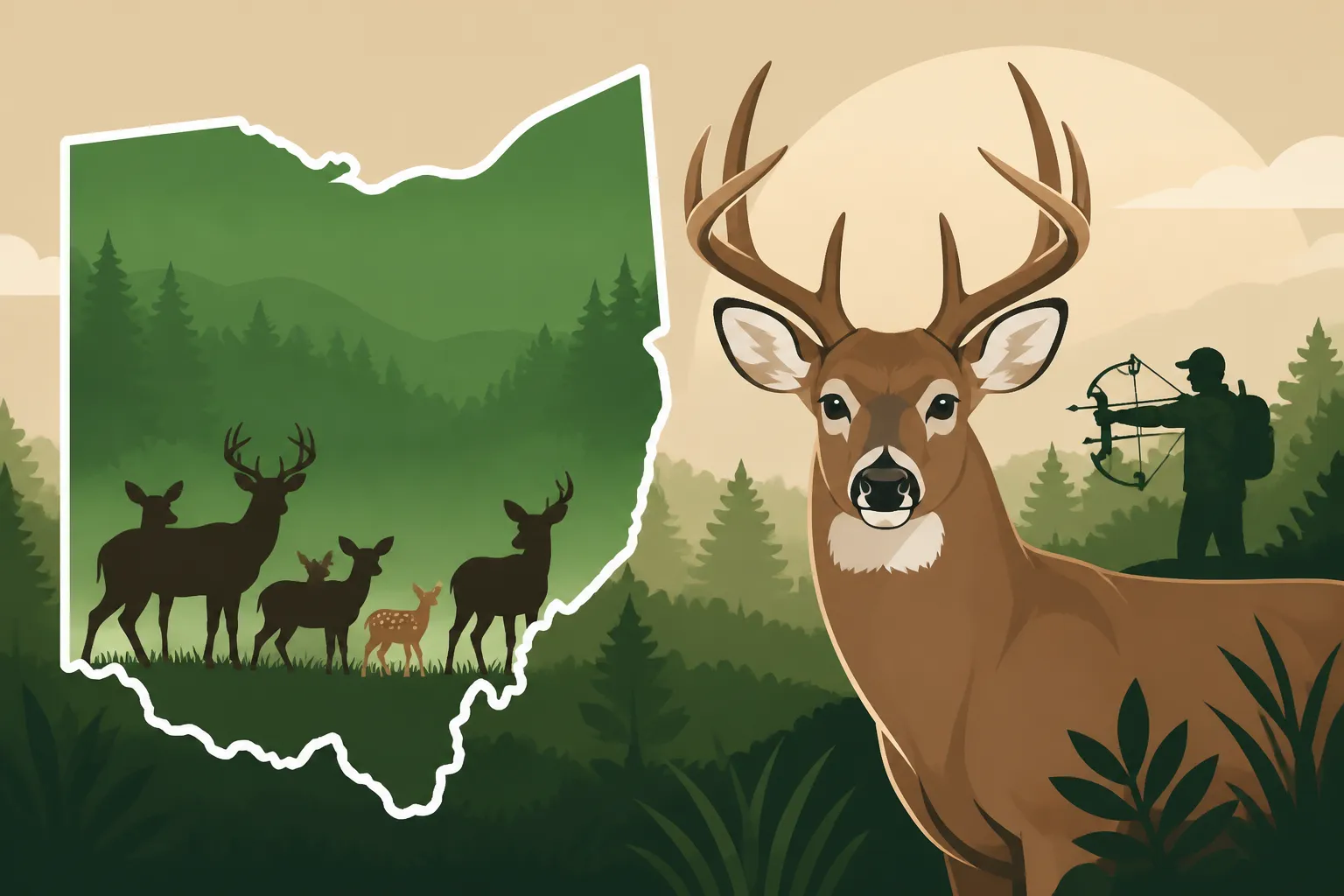
One of the most common questions hunters ask themselves each year is, "How are the deer doing?" It’s a natural concern, especially when you’re investing your time, money, and passion into chasing Ohio's whitetails. You want to know if the population is healthy, thriving, or facing challenges that might impact your hunting experience. This comprehensive guide will pull back the curtain on how Ohio's deer herd size is understood and managed, giving you a clearer picture of what to expect in the field.
Understanding Ohio's Deer Herd Size
The concept of "herd size" for a wild animal like the white-tailed deer isn't as simple as counting individual animals. It’s a dynamic, ever-changing figure influenced by a myriad of environmental, biological, and human factors. For us hunters, understanding these dynamics helps us make more informed decisions and appreciate the complex work that goes into wildlife management. It's not just about how many deer are out there, but also their health, age structure, and distribution across the landscape.
Estimating the true number of deer in a state like Ohio, with its diverse landscapes ranging from dense Appalachian forests to sprawling agricultural fields and even suburban green spaces, is a monumental task. The Ohio Department of Natural Resources (ODNR) doesn't just send out a team with clickers to count every deer. Instead, they rely on a sophisticated blend of scientific methods, data analysis, and hunter input to develop their estimates and guide management decisions. This multifaceted approach is crucial because a healthy deer population isn't necessarily just a large one; it's one that is in balance with its habitat and robust enough to withstand various pressures.
How the ODNR Estimates Deer Numbers
The ODNR uses a combination of techniques to get a handle on Ohio's deer population. One primary method involves analyzing harvest data collected each year. When hunters check their deer, they provide critical information like the deer's sex, the county where it was harvested, and whether it was antlered or antlerless. This raw data is then crunched to reveal trends over time. For instance, a sudden drop in buck harvest might suggest fewer bucks are reaching maturity, while a consistent increase in doe harvest could indicate an expanding population in certain areas. This data helps wildlife biologists understand not just the immediate impact of hunting season, but also longer-term patterns in the herd.
Beyond simple harvest numbers, biologists delve deeper into the data, examining factors like the age structure of harvested bucks and does. By analyzing tooth wear and replacement, they can determine the age of individual deer, providing insights into survival rates and reproductive potential. For example, if a high percentage of harvested bucks are yearlings, it might suggest heavy hunting pressure or other factors limiting older buck survival. This granular data is essential for setting future bag limits and understanding the overall health of the herd. They also consider things like hunter success rates and hunter effort, which give a good proxy for deer abundance. If hunters are spending more days afield but harvesting fewer deer, it could point to a declining localized population.
Furthermore, the ODNR often conducts various surveys, though these are typically not direct counts of every deer. They might use techniques like spotlight counts in specific areas or involve landowners and farmers in reporting deer observations. While aerial surveys using thermal imaging or helicopters are common in some states, Ohio's varied terrain and dense canopy in many areas can make them less efficient for comprehensive statewide counts, though they may be used in specific, targeted regions. Ultimately, the ODNR synthesizes all these data points – harvest reports, age data, public observations, and specific surveys – to develop a statistical model that estimates the Ohio Deer Population Estimate and helps guide management strategies across the state. This comprehensive approach ensures that decisions are based on the best available science, rather than just anecdotal evidence.
Factors Influencing Herd Growth and Decline
Ohio's deer herd, like any wild population, is constantly shaped by a variety of factors. Habitat quality is paramount; deer need adequate food, water, and cover to thrive. Areas with a diverse mix of agricultural fields, woodlots, and thickets tend to support higher deer densities than expansive monoculture farms or heavily urbanized zones. Food availability, particularly acorn crops in the fall or browse during harsh winters, can have a direct impact on deer health, reproduction, and fawn survival rates. A poor mast crop year, for example, can lead to deer entering winter in poorer condition, which can suppress fawn numbers the following spring.
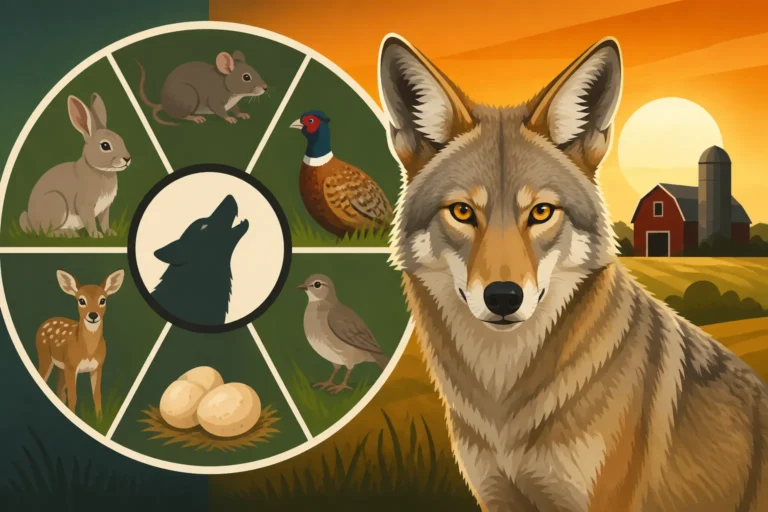
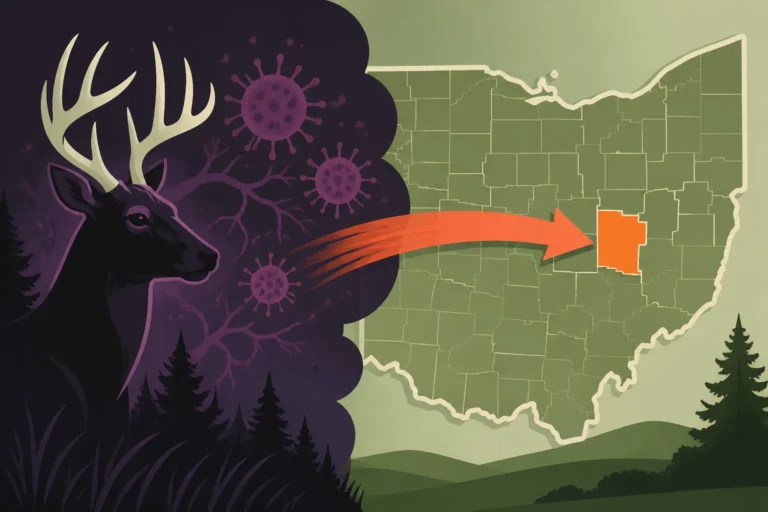
Disease is another significant influencer. Epizootic Hemorrhagic Disease (EHD) is a naturally occurring virus transmitted by biting midges, and it can cause widespread localized die-offs, especially in late summer and early fall during dry conditions. While EHD outbreaks are typically localized and deer populations often rebound, they can significantly reduce herd numbers in affected areas for a season or two. EHD Die-Offs in Ohio Deer are a regular occurrence in some parts of the state. More recently, Chronic Wasting Disease (CWD) has emerged as a major concern. While it currently has a limited footprint within the Ohio's Chronic Wasting Disease Surveillance Area, its long-term potential to impact herd health and density is a serious consideration for wildlife managers. Predator impact, primarily from coyotes, can also play a role, particularly in fawn survival rates, though the overall impact on a healthy, large deer herd is generally considered secondary to habitat and disease.
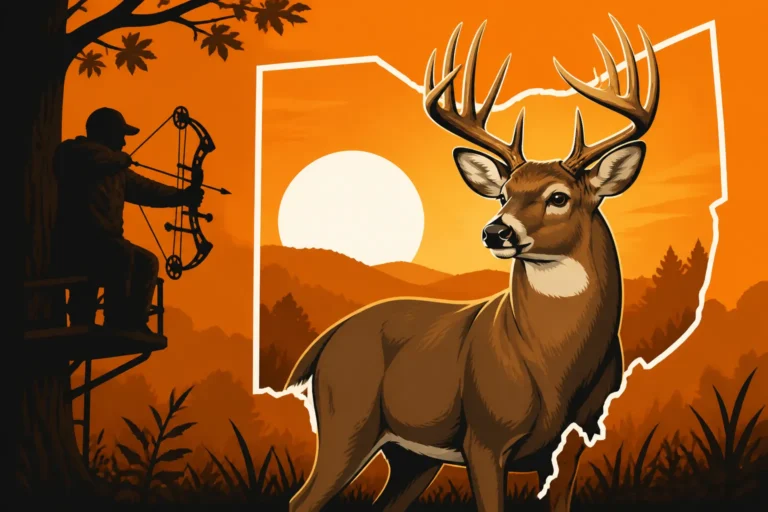
Finally, hunter harvest remains one of the most significant and manageable factors influencing herd size. The ODNR utilizes hunting regulations – such as bag limits, season lengths, and antlerless permit availability – to manage deer populations. In areas where deer numbers need to be reduced, more antlerless harvest opportunities are provided. Conversely, if a population needs to grow, restrictions might be tightened. Weather patterns also play a subtle but crucial role; severe winters can increase mortality, especially among fawns and older deer, while mild winters can lead to higher survival and stronger reproductive output. All these elements intertwine, creating a complex web that determines the overall health and size of Ohio's deer herd.
Regional Differences in Deer Density
Ohio is a state of remarkable geographical diversity, and this diversity is perfectly reflected in its deer populations. You won't find the same number of deer per square mile in downtown Cleveland as you will in the dense forests of the Wayne National Forest, nor will the deer behavior be identical. Understanding these regional variations is key to a successful hunt, as tactics that work well in one part of the state might be completely ineffective in another. It also helps explain why some areas consistently produce more trophy bucks, or why some hunters complain about seeing fewer deer while others report an abundance.
The ODNR manages deer populations at a county level, often with further nuances even within counties, precisely because these regional differences are so pronounced. These variations are driven by habitat type, human population density, agricultural practices, and historical land use. A hunter planning a trip to the southeastern hills will encounter a very different deer hunting scenario than someone setting up on a field edge in northwest Ohio. This patchwork of populations means that "Ohio deer herd size" is really an aggregate of many localized, distinct populations, each with its own characteristics and challenges.
Appalachian Ohio Versus Farm-Belt Deer Populations
When you talk about deer in Ohio, you almost have to divide the state into two primary geographical zones: the rugged, heavily forested Appalachian foothills of the southeast, and the flat, agricultural "farm-belt" counties that dominate the rest of the state. These two regions couldn't be more different in terms of deer density and hunter experience. In Appalachian Ohio, which encompasses much of the eastern and southeastern counties, you'll find expansive timber, steep ridges, and deep hollows. Here, deer densities, while still robust, might feel lower to a hunter because the deer have vast tracts of continuous cover to hide in. The deer here are often accustomed to harder browse and naturally occurring food sources like acorns, and they tend to be more spread out.
Contrast that with Ohio's farm-belt, particularly the rich agricultural lands of northwest, central, and western Ohio. Here, deer densities are often much higher. Deer thrive on the abundance of corn, soybeans, and other crops, which provide a consistent, high-energy food source. While cover might be limited to smaller woodlots, fencerows, and creek bottoms, the sheer quantity of food allows populations to flourish. Hunters in these areas often report seeing numerous deer, though they might be concentrated in smaller pockets of cover. For example, Hunting Northwest Ohio Farmland Deer often involves glassing vast fields and focusing on small woodlot islands or creek bottoms that offer critical bedding cover. The deer here might be larger on average due to better nutrition, but they also often contend with higher hunting pressure and more human disturbance. The contrasting landscapes directly influence Deer Density by Ohio Region, leading to distinct hunting opportunities and challenges.
Suburban Deer Populations and Management Challenges
Beyond the wildlands and farmlands, Ohio also grapples with significant deer populations in its suburban and exurban areas. As cities expand and development encroaches on formerly rural landscapes, deer adapt remarkably well to living alongside humans. These deer often find refuge in green spaces, parks, golf courses, and even large residential yards, where food in the form of ornamental plantings is abundant and hunting pressure is often restricted or non-existent. The result can be extremely high deer densities in these pockets, leading to a host of problems.
Homeowners frequently report extensive damage to gardens and landscaping, and deer-vehicle collisions become a major safety concern on suburban roads. This overpopulation without natural predation or adequate hunting pressure creates a difficult management challenge. In many of these areas, traditional hunting methods are either impractical or prohibited due to safety concerns and public perception. Management often shifts to methods like controlled hunts, often through archery programs, or special urban deer hunts designed to reduce populations safely and effectively. These programs require careful planning and coordination with local municipalities and often involve specific permits, like Ohio Deer Management Permits, designed to address antlerless harvest. Organizations like GoHunt can offer tools to identify land ownership and regulations, which is especially critical in these fragmented suburban landscapes where boundaries are often confusing. The goal is to mitigate human-deer conflicts while maintaining a healthy, sustainable deer population that doesn't overwhelm its limited habitat.
The Impact of Hunter Harvest on Herd Size
Hunter harvest isn't just a recreational activity; it's a vital component of wildlife management in Ohio and across much of North America. Without effective management, deer populations can quickly outgrow their habitat, leading to widespread environmental damage, increased disease transmission, and unhealthy deer. Historically, unregulated hunting led to the near eradication of deer in many areas, but modern wildlife management, largely funded by hunters, has brought deer back in abundance. Today, hunting is a carefully regulated tool designed to keep deer herds in balance with their ecosystems and human populations.
The ODNR uses hunter harvest data as a primary barometer of herd health and as a lever to adjust population trends. Every deer checked provides a piece of the puzzle, influencing future season structures and bag limits. This partnership between hunters and wildlife agencies is a testament to conservation success, ensuring that future generations can also enjoy the tradition of hunting while maintaining healthy wildlife populations. It's a delicate balancing act, trying to meet the demand for hunter opportunity while adhering to the biological needs of the deer.
How Harvest Numbers Reflect Herd Health
The annual Ohio Annual Deer Harvest numbers are far more than just a tally of successful hunts; they are a crucial diagnostic tool for wildlife biologists. By examining trends in total harvest, antlered vs. antlerless deer harvested, and age structures from checked deer, the ODNR can gain significant insights into the state of the herd. For example, consistently high antlerless harvest numbers in a specific region might indicate that the ODNR is successfully working to stabilize or reduce an overpopulated deer herd there. Conversely, if antlerless harvest drops significantly despite liberal limits, it could suggest a decline in the doe population, perhaps due to a tough winter or disease outbreak.
Furthermore, the age structure of harvested bucks is heavily scrutinized. A healthy buck population typically shows a good representation of multiple age classes beyond yearlings. If the harvest is heavily skewed towards young, 1.5-year-old bucks, it might signal intense hunting pressure or other factors preventing bucks from reaching older age classes. The ODNR uses this kind of data to inform decisions about whether to implement or remove antler point restrictions, adjust county bag limits, or open additional hunting opportunities like specific youth weekends. This detailed analysis allows them to fine-tune management efforts, aiming for a balanced herd that is both biologically healthy and provides ample opportunities for hunters.
Balancing Hunter Opportunity and Herd Sustainability
The primary goal of deer management in Ohio is to maintain a healthy, sustainable deer herd that is in balance with its habitat and human tolerance levels. This is a complex challenge, as "balance" can mean different things to different stakeholders. Farmers, for instance, might want lower deer numbers to minimize crop damage, while some hunters might prefer higher numbers for more opportunities, and others prioritize older, larger bucks. The ODNR must navigate these various perspectives while always prioritizing the long-term health of the resource.
To achieve this balance, the ODNR employs a flexible management strategy. In areas where deer populations are above desired levels and causing significant agricultural damage or increasing deer-vehicle collisions, regulations might be more liberal, encouraging a higher antlerless harvest. This often means increased availability of antlerless-only permits or longer season segments. Conversely, in regions where deer numbers are stable or perhaps below management goals, regulations might be more conservative to allow for population growth. The ongoing debate around topics like Ohio Deer Antler Restrictions Debate highlights the constant effort to fine-tune these regulations. The aim is to provide sufficient hunter opportunity—whether for meat, for trophy, or simply for the experience of being in the woods—while ensuring that the reproductive potential of the herd remains strong and its impact on the ecosystem is manageable. Using resources like GoHunt can help hunters align their expectations with the current management goals and opportunities in specific zones.
Where to Find More Data and Resources
In today's interconnected world, hunters have access to an incredible amount of information that can help them understand Ohio's deer herd and plan their hunts more effectively. Gone are the days when you relied solely on word-of-mouth or a dusty paper map. Now, the Ohio Department of Natural Resources provides a wealth of data, and various online tools can put crucial information right at your fingertips. Staying informed about herd conditions, regulations, and public land access is a critical part of being a responsible and successful hunter.
Remember, successful hunting isn't just about spending time in the woods; it's about being prepared and knowledgeable. The more you understand about the deer herd, its habits, and the landscape it inhabits, the better equipped you'll be to adapt your strategies and make the most of your time afield. Whether you're a seasoned veteran or just starting out, taking advantage of these resources can significantly enhance your hunting experience.
Utilizing ODNR Resources for Hunters
The Ohio Department of Natural Resources (ODNR) is the official authority on wildlife management in the state, and their website is a goldmine of information for hunters. You can find detailed breakdowns of Ohio Deer Season Structure Explained, bag limits by county, and critical updates regarding issues like CWD. They publish annual harvest reports that provide a granular look at harvest numbers by county, sex, and even age class, offering invaluable insights into regional population trends and hunter success rates. These reports are essential for understanding how the herd is performing and where harvest pressure is concentrated.
Beyond statistical reports, the ODNR also offers interactive tools like the Ohio HuntFish App. This app can be an indispensable resource, allowing you to view public hunting lands, locate check stations, and even electronically check your harvested deer. Many layers within the app provide crucial information on habitat types, property boundaries, and regulations for specific wildlife areas. Before you head out for Scouting Ohio Public Land Before Season, or even during your hunt, having this information readily available can save you time and prevent unintentional violations. It’s a powerful tool that helps you stay compliant and make the most of your hunting efforts, ensuring you understand the rules and have the most current data on herd performance and land access.
Local Observations and Scouting as Data Points
While official data from the ODNR is invaluable, don't underestimate the power of your own local observations and dedicated scouting. Every hour you spend in the woods, whether during hunting season or the off-season, provides you with direct, boots-on-the-ground intelligence about the local deer herd. Look for fresh tracks, rub lines, scrape activity, and bedding areas. Pay attention to how deer react to pressure, where they feed, and how they move through different types of cover. This firsthand knowledge complements the broader official data, giving you a localized picture of the deer population in your specific hunting area.
Trail cameras, when used legally and ethically, can also provide a wealth of data. They can show you the number of deer in an area, their sex ratio, general age structure, and even specific individual bucks. Over time, consistent trail camera data can help you track local herd dynamics and identify trends. Talking to local landowners, farmers, and other hunters can also offer valuable insights into deer movements and population numbers in specific areas. Sometimes the best data comes from someone who lives and breathes the local landscape every day. Combining official statistics with your own diligent scouting and local knowledge creates a truly comprehensive understanding of Ohio's deer herd size and behavior, maximizing your chances of a successful and rewarding hunt.
Disclaimer
This article is for general informational purposes only and does not constitute professional advice. Laws, prices and regulations vary by location and change over time. Consult a qualified professional for guidance on your specific situation.