Ohio Coyote Diet in Farm Country
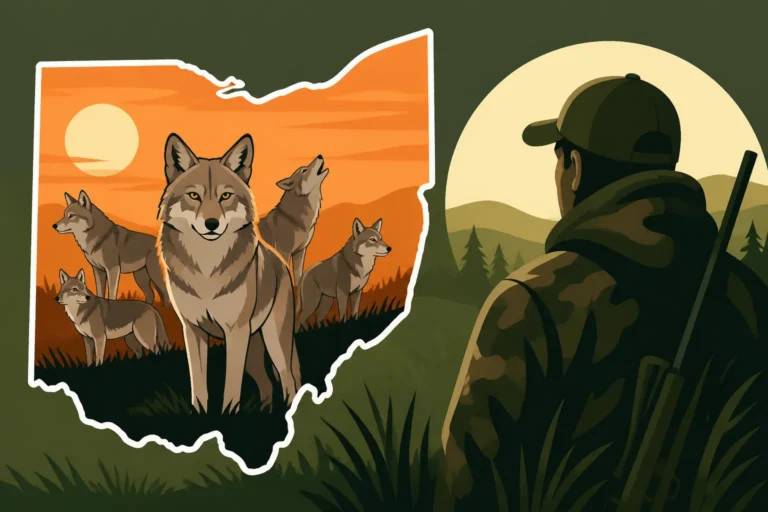
For anyone living in or hunting Ohio's expansive farm country, the sight or sound of a coyote is increasingly common. These adaptable canines have carved out a niche in our agricultural landscapes, leading many to wonder exactly what these wily predators are eating to thrive so successfully amidst our fields and woodlots. This guide will take a deep dive into the typical diet of an Ohio coyote, particularly those making a living in our rich farmland regions, shedding light on their opportunistic eating habits and the real impact they have on local wildlife and livestock.
Understanding the Opportunistic Hunter
Coyotes are incredibly resourceful creatures, a trait that has allowed them to expand their range dramatically across North America, including right here in Ohio. Unlike some more specialized predators, coyotes aren't particularly fussy about their meals. Their diet is a true reflection of whatever resources are most readily available and easiest to acquire in their immediate environment, making them the ultimate opportunists of the animal kingdom. This adaptability is precisely why they thrive in the mosaic of fields, fencerows, and small woodlots that characterize much of Ohio's agricultural heartland.
The Omnivore's Advantage
When we talk about an "omnivore's advantage," we're really talking about a coyote's superpower. They aren't restricted to just meat; they'll readily consume plant matter, insects, and even garbage if the opportunity arises. This broad palate means they can survive lean times when certain prey animals are scarce and capitalize on seasonal gluts when fruits, berries, or specific animal populations boom. In Ohio's farm country, this could mean everything from a summer feast of wild berries to a winter reliance on carrion.
Their digestive systems are well-equipped to handle a wide variety of food sources, from tough hides and bones to fibrous plant material. This biological flexibility is a huge part of why they've been so successful in coexisting with humans, often unnoticed, right on the fringes of our busiest farms and most peaceful homesteads.
Primary Prey: The Small Game Staples
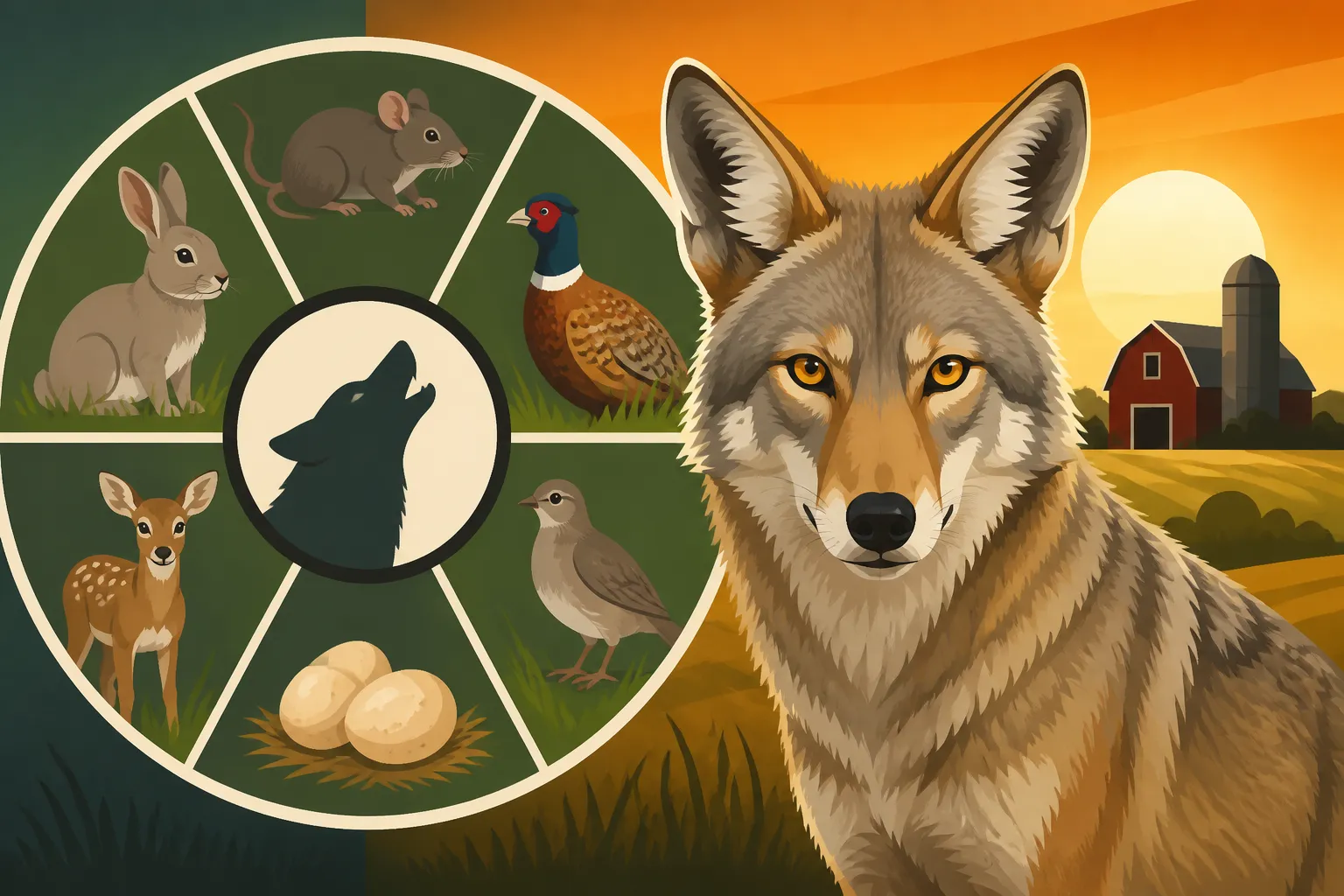
While coyotes are omnivores, meat is definitely their preference, and small mammals form the absolute bedrock of their diet in farm country. Think about the sheer abundance of critters scurrying through our fields and fencerows: mice, voles, shrews, groundhogs, and, of course, rabbits. These small game animals are like the fast food of the coyote world—plentiful, relatively easy to catch, and consistently available throughout the year.
A good rabbit population in a thick fencerow or a field teeming with voles after a harvest can sustain several coyotes for extended periods. These prey animals reproduce quickly, ensuring a steady supply, even with predation pressure. If you've spent any time Rabbit Hunting Ohio Fencerows, you know just how thick the cover can be, providing excellent habitat for both prey and predator alike. These small mammals are hunted relentlessly by coyotes, who employ a variety of tactics from pouncing on unsuspecting rodents to sustained chases for rabbits.
Seasonal Shifts and Agricultural Influences
The Ohio landscape is far from static; it’s a living, breathing tapestry that changes dramatically with the seasons, and so does the coyote’s menu. What’s abundant in spring might be buried under snow in winter, forcing coyotes to adjust their hunting strategies and dietary preferences. Our agricultural practices, too, play a massive role, inadvertently providing feast or famine for these adaptable canines.
Spring and Summer Bounty
As the farm country awakens in spring, so too does a diverse buffet for coyotes. The warmer months bring an explosion of life, and coyotes are quick to take advantage. While they are often vilified for preying on deer fawns, it's essential to understand that fawns represent a high-value, but very short-term, food source. While a coyote certainly won't pass up an opportunity to take a vulnerable fawn, especially a sick or weak one, it's generally a small percentage of their overall yearly diet for most coyotes, contrary to widespread belief. The bulk of their spring and summer protein still comes from smaller, more numerous prey.
Beyond fawns, spring and summer offer a bounty of ground-nesting birds and their eggs, young rabbits, and an incredible array of insects. As the season progresses, wild berries, grapes, and even garden vegetables become ripe for the picking (or pilfering). A coyote might snack on mulberries found along a woodlot edge, or even sneak into a farmer's sweet corn patch. When using scouting tools like GoHunt, you can often identify areas with diverse habitat features, such as berry brambles near field edges or dense cover, which are magnets for various wildlife and thus for coyotes seeking these varied food sources.
Fall and Winter Scarcity and Scavenging
When the leaves turn and the combines start rolling, the farm country undergoes another transformation, and the coyote's diet shifts once more. With many small mammals burrowing down or becoming less active, and plant foods fading, coyotes often turn to scavenging. Carrion becomes a critical component of their winter survival strategy. This can include deer killed by hunters and not recovered, roadkill deer or other animals, or even deceased livestock left in pastures. During the deer hunting seasons, especially the gun seasons, the woods and fields offer an increased chance of finding unrecovered carcasses or gut piles, which are a major draw for coyotes.
Residual crops are another winter lifeline. Fields of harvested corn or soybeans, even after the combines have passed, still offer spilled grains that attract mice, voles, and even pheasants and turkeys. These smaller creatures, in turn, become concentrated food sources for coyotes. It's a chain reaction: the farmer harvests, leaving behind some sustenance, which draws in rodents and birds, and then the coyotes follow. While rare, desperate coyotes might also target weakened or injured livestock during harsh winter conditions, though healthy adult livestock are usually too formidable a challenge. You can learn more about how coyotes thrive year-round in our state by reading Ohio Coyote Range and Density.
Debunking Myths and Realities of Coyote Predation
It's easy to paint coyotes as villains, especially when their activities brush up against human interests. However, much of what we "know" about coyote predation is often exaggerated or based on anecdote rather than broad ecological evidence. Understanding the facts helps us coexist more effectively with these clever animals.
The Deer Fawn Debate
Perhaps no aspect of coyote diet sparks more heated discussion than their impact on deer fawns. It's a common belief that coyotes decimate deer herds, especially in areas where coyote populations are high. While it's true that coyotes are opportunistic predators and will absolutely take a fawn when given the chance, studies across various regions, including those with robust deer populations like Ohio's, show that fawn predation by coyotes typically does not significantly depress overall deer numbers. They tend to pick off the weakest, sickest, or those fawns born in suboptimal conditions, which is a natural part of herd management.
Think of it this way: a healthy, well-nourished doe is usually quite adept at hiding her fawns, and fawns themselves are masters of camouflage and remaining motionless. While coyotes do account for a percentage of fawn mortality, other factors like disease, accidents, and starvation also play significant roles. Ohio's deer population remains strong, supporting robust hunting seasons year after year, which wouldn't be possible if coyotes were truly decimating the fawn crop. For a deeper dive into deer populations, check out Ohio Deer Population Estimate and Ohio Fawn Survival Rates.
Livestock and Domestic Animals
Another area of concern, particularly for farmers and rural homeowners, is coyote predation on livestock and pets. It's an undeniable reality that coyotes can and sometimes do prey on livestock, especially vulnerable young animals like lambs, goat kids, or small calves, and poultry like chickens or ducks. Domestic pets, particularly outdoor cats and small dogs, are also occasionally targeted. However, it's crucial to understand that in most instances, this represents a very small fraction of a coyote's overall diet. Oftentimes, a specific coyote or a small group will learn to exploit these easy targets, rather than it being a widespread behavior among all coyotes.
Many cases of livestock loss attributed to coyotes are actually due to other predators, or even non-predation causes. For farmers, preventative measures are key. Secure fencing, bringing vulnerable animals into barns at night, and using livestock guardian animals (like dogs, donkeys, or llamas) can be highly effective. For pet owners, keeping pets leashed, supervised, or indoors, especially at dawn and dusk, is the best defense. Using mapping tools like GoHunt can help identify dense cover or travel corridors near your property that coyotes might use, allowing you to focus your preventative efforts.
Adapting to the Landscape: Coyote Behavior in Farm Country
Coyotes don't just eat what's available; they use the terrain and cover of farm country to their advantage, maximizing their chances of success. Their behavior is intrinsically linked to the patchwork landscape of fields, woodlots, and waterways that define much of Ohio. Understanding how they move and utilize the environment can help both hunters and landowners better anticipate their presence.
Habitat Utilization
In Ohio's farm country, coyotes are masters of using the available habitat to their advantage. They don't typically roam vast, open fields during the day; instead, they stick to the edges, the shadows, and the dense cover. Fencerows, often overgrown with brush and small trees, act as natural highways, allowing them to travel undetected from one woodlot to another. These fencerows also provide excellent cover for ambush hunting, particularly for rabbits and rodents.
Small woodlots, stream corridors, and brushy creek bottoms are invaluable to coyotes. These areas provide security cover for denning, resting, and escaping detection. They are also prime hunting grounds, concentrating small game. Even standing crops, especially tall corn, offer incredible concealment and hunting opportunities for coyotes as they mature, allowing them to move through fields like silent submarines. If you've ever explored these transitions, you know how good the habitat is, making them prime spots for Hunting the Ohio Rut in Early November or Hunting Northwest Ohio Farmland Deer for other species as well.
The Role of Scavenging and Opportunity
More than almost any other predator in Ohio, coyotes are true opportunists. If a traditional hunt for a rabbit or vole doesn't pan out, they are quick to switch gears to scavenging. This is particularly evident in urban-adjacent farm areas where human activity creates additional food sources. Dumpsters, poorly secured trash cans, and even compost piles can draw coyotes, blurring the line between wild prey and human refuse.
This adaptability is what makes them so resilient. When natural prey populations fluctuate, or during periods of harsh weather, a coyote's ability to switch to carrion or readily available human-associated food sources ensures its survival. This behavioral flexibility is a key reason why their populations remain stable, even in heavily pressured areas. If you're looking to target coyotes, understanding these movements and food sources is critical to successful Coyote Calling in Ohio Winter strategies or even year-round Coyote and Predator Hunting in Ohio.
Here’s a quick overview of a coyote's diet in Ohio farm country:
| Season | Primary Food Sources | Secondary/Opportunistic Sources |
|---|---|---|
| Spring | Voles, mice, rabbits, groundhogs, bird eggs, young birds | Deer fawns (vulnerable/weak), insects, wild berries (late spring) |
| Summer | Rabbits, groundhogs, mice, voles, insects, frogs | Wild berries, cultivated fruits/vegetables, carrion |
| Fall | Rabbits, mice, voles (often attracted to fallen crops) | Carrion (roadkill, unrecovered game), spilled grain, nuts |
| Winter | Mice, voles (under snow), rabbits | Carrion (deer, livestock, roadkill), wintering birds, garbage |
Ultimately, the coyote's success in Ohio's farm country is a testament to its incredible adaptability. They aren't just surviving; they're thriving by embracing a diverse, opportunistic diet that shifts with the seasons and the agricultural landscape. Whether they're pouncing on a field mouse, chasing a rabbit through a fencerow, or scavenging a deer carcass in the depths of winter, the Ohio coyote is a master of making the most of every meal.
Disclaimer
This article is for general informational purposes only and does not constitute professional advice. Laws, prices and regulations vary by location and change over time. Consult a qualified professional for guidance on your specific situation.