Ohio Rabbit Habitat Restoration Efforts
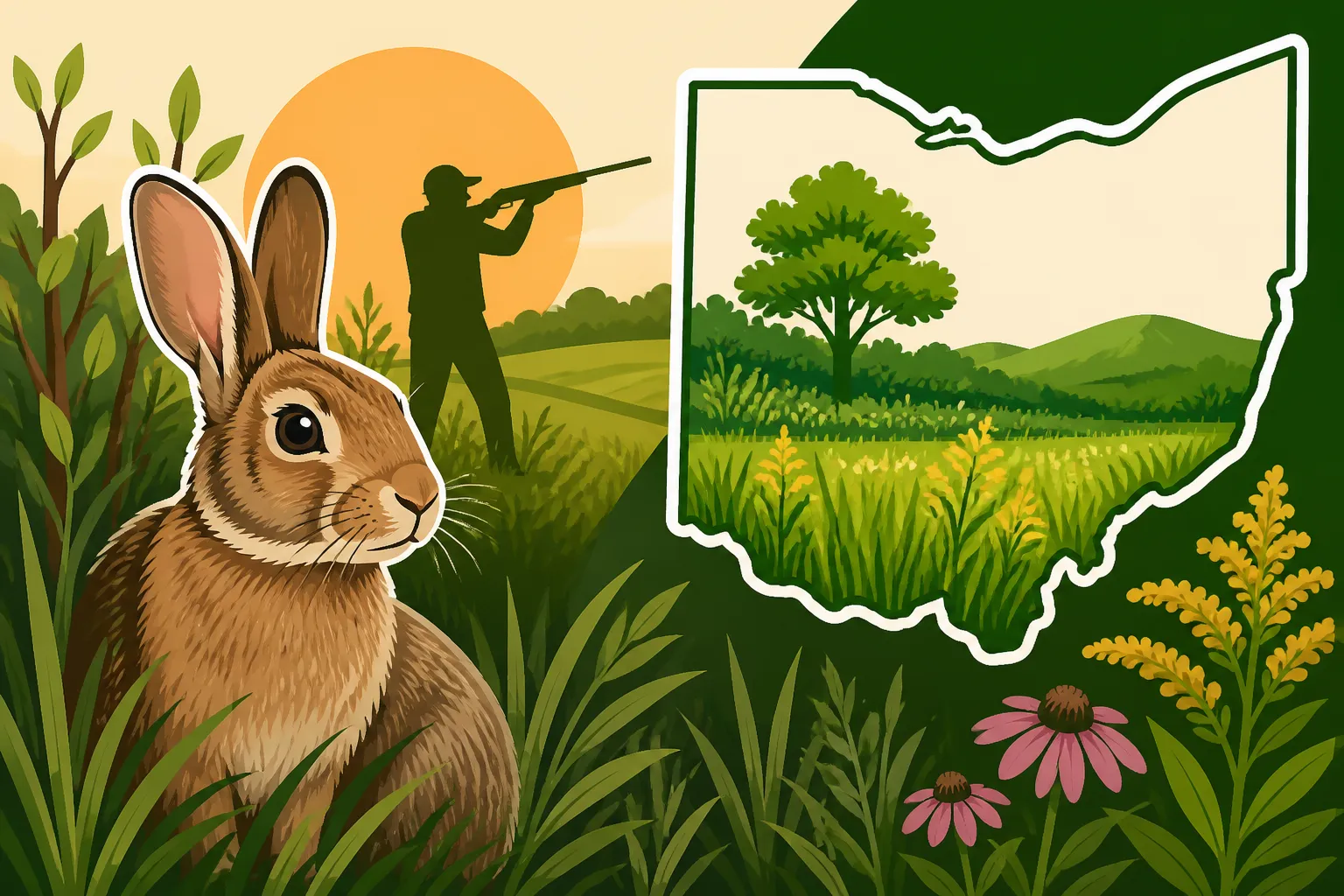
It’s a real kick in the gut when you walk a fencerow or a brushy field edge that used to be teeming with cottontails, only to find it eerily quiet. Many of us who grew up chasing rabbits in Ohio remember those days fondly, but over the years, prime rabbit habitat has dwindled, and with it, the rabbit populations we cherish. This guide isn't just about lamenting what's lost; it's about diving deep into the vital work of Ohio rabbit habitat restoration efforts, what truly makes a difference, and how you can be a part of bringing back those hopping bundles of fur.
Why Ohio's Cottontails Need Our Help
For many decades, the familiar sight of an eastern cottontail darting across a field or melting into a briar patch was a given across much of Ohio. Hunting seasons for rabbits and other small game were a cherished tradition, a perfect way to introduce new hunters to the field without the intense pressure of deer season. But if you've spent any time hunting small game in the last generation, you've likely noticed a significant drop in how many bunnies you're seeing. It’s not just your imagination; Ohio Rabbit Numbers Today reflect a very real decline, and it's primarily a habitat issue.
The biggest culprit behind this decline is habitat loss and fragmentation. Ohio's landscape has undergone massive changes, driven by urban sprawl, intensified agriculture, and the maturation of timberlands. Where there once were countless small, diverse farms with thick fencerows, fallow fields, and woodlots, we now often see vast monoculture fields stretching for miles, manicured suburban developments, or dense, unbroken forests that lack the varied cover rabbits thrive in. This leaves cottontails with fewer places to hide from predators, raise their young, and find diverse food sources, ultimately leading to Why Ohio Rabbit Numbers Declined.
It's a frustrating reality for anyone who loves small game hunting, or simply enjoys seeing wildlife flourish. The rich tapestry of old farms that provided perfect rabbit cover – the brushy edges, the tangles of multiflora rose, the unkempt corners – has been steadily cleaned up or developed. The places where you might have once taken a youngster out for their first hunt, teaching them the thrill of a beagle chase or the quick shot at a flushing cottontail, are now often barren or impenetrable by anything other than dense timber. It leaves you feeling like a piece of Ohio's hunting heritage is slipping away, but there's hope on the horizon through dedicated restoration.
Understanding What Rabbit Habitat Truly Needs
Before we can talk about bringing back the bunnies, we need a clear picture of what makes a healthy, thriving rabbit habitat. Cottontails are pretty specific in their needs, and they're essentially looking for a diverse buffet of food and cover options right next to each other. They’re a classic "edge species," meaning they do best where different types of cover meet – think where a field meets a woodline, or a briar patch gives way to tall grass.
The core components of ideal rabbit habitat revolve around security, sustenance, and sanctuary for nesting. First and foremost, rabbits need dense, escape cover. This means thorny brambles, thick brush piles, honeysuckle thickets, or dense native grasses that offer immediate refuge from predators like coyotes, foxes, and hawks. Without this impenetrable cover, they simply won't survive long enough to reproduce. Secondly, they need reliable, nutritious food sources, which often include tender grasses, clover, forbs, and the bark of young woody plants. Finally, they need secure, undisturbed areas for nesting, usually shallow depressions in dense grass or under brush, away from frequent human disturbance.
Think about a perfect rabbit spot you remember: it probably had a mix of waist-high grasses, maybe some wild plum thickets, and definitely some gnarly multiflora rose or blackberry briars. Adjacent to that, there might have been a cornfield or a soybean field, providing a ready food source. This "patchwork" approach to habitat, where different elements are close together, is crucial because rabbits have small home ranges. They're not going to travel far from safety to find a meal, especially with so many predators on the landscape.
The Importance of Early Successional Habitat
One of the most critical, yet often overlooked, aspects of rabbit habitat is what wildlife biologists call "early successional habitat." This isn't dense, mature forest, nor is it a perfectly mowed lawn. Instead, it's the messy, wild, in-between stuff: young forests, brushy fields, old pastures, and regenerating clear-cuts. These areas are characterized by a mix of grasses, wildflowers, shrubs, and young trees – exactly what cottontails, and many other small game species, depend on.
The problem is that our landscape naturally wants to "succeed" into mature forest if left untouched. What was once a brushy field will eventually become a woodlot. While mature timber has its place, it doesn't offer the dense, low-growing cover that rabbits require. This is why active management, and often disturbance, is needed to maintain early successional stages. Think about how a logging operation or a prescribed burn can temporarily create this type of habitat, providing a burst of new growth and cover that rabbits can quickly colonize.
Maintaining these areas means regularly cutting, disking, or burning to prevent them from becoming dense, mature woodland that offers little to no escape cover at ground level. It's a continuous process, not a one-and-done project. This kind of work might seem counter-intuitive to someone who just wants to "let nature take its course," but for species like the cottontail, nature's course often means losing the specific, dynamic habitat they need to thrive.
Food and Cover in Close Proximity
Rabbits are pretty low on the food chain, which means they spend a good portion of their lives trying not to become someone else's dinner. This makes the proximity of food and cover absolutely paramount. A vast field of clover is useless if there isn't a thick briar patch or brush pile within a few hops. They need instant access to safety.
Think about a typical day for an Ohio cottontail. They might emerge from a dense thicket at dawn or dusk to nibble on fresh clover or tender shoots in an adjacent field. If a hawk swoops down or a coyote trots by, that rabbit needs to disappear into impenetrable cover immediately. They can’t afford to sprint across 50 yards of open ground. This is why edge habitat is so critical, providing both resources in one convenient, life-saving package.
When planning any restoration efforts, always consider this "edge effect." Instead of simply planting a large patch of clover, think about planting it alongside a dense hedgerow or creating a series of brush piles within or bordering the planting. The goal isn't just to provide food, and it isn't just to provide cover; it's to provide them intertwined, creating a safe and resource-rich environment. This is a key principle whether you're working on a small private parcel or a larger public land project.
Key Restoration Strategies Making a Difference in Ohio
So, knowing what rabbits need, what are the practical steps being taken, and what can you do to help? Ohio’s wildlife agencies, conservation groups, and private landowners are engaged in various initiatives to restore and create rabbit-friendly habitat. These strategies often focus on replicating the diverse, brushy landscapes that rabbits traditionally thrived in.
One of the most impactful strategies involves creating and maintaining brush piles. This might sound simple, but a well-constructed brush pile is a rabbit fortress. It offers immediate, complex escape cover that predators struggle to penetrate. Another powerful tool is encouraging and maintaining hedgerows and fencerows, which act as vital travel corridors and linear habitat strips in otherwise open landscapes. Prescribed burning and disking are also critical for regenerating early successional vegetation, keeping fields from becoming too dense with mature trees or too sparse with monoculture crops.
Many of these efforts are coordinated by the Ohio Department of Natural Resources (ODNR) on state wildlife areas and through programs that assist private landowners. Organizations like the National Wild Turkey Federation (NWTF) or Quail Forever also contribute significantly, as many of these small game habitat projects benefit multiple species. It's a concerted effort across the state to bring back the diversity that our landscape once held, not just for rabbits, but for the entire small game community.
Creating and Enhancing Brush Piles
Brush piles are arguably the quickest and most effective way to create instant rabbit cover. But we're not talking about just throwing a few branches into a heap. A good rabbit brush pile is built with longevity and effectiveness in mind. Start with a solid foundation of larger logs or stumps to create air pockets and prevent the pile from settling too quickly into a flat, impenetrable mass. This foundation allows rabbits to move underneath and within the pile, safely hidden from aerial predators.
On top of this sturdy base, layer smaller branches, thorny saplings, and even old Christmas trees. The goal is to create a dense, intertwined tangle that's difficult for larger predators to navigate. Consider using branches from species like multiflora rose, blackberry, hawthorn, or honeysuckle if you're trying to clear them from other areas – their thorny nature adds an extra layer of protection. Placing these piles along field edges, near existing fencerows, or within sparse woodlots can make an immediate impact. These structures also provide cover for other small creatures, enriching the local ecosystem. Rabbit Hunting Thick Ohio Fencerows can give you an idea of the types of cover that already hold rabbits, and brush piles are a way to mimic and enhance that.
Remember, brush piles eventually decompose, so it's a practice that requires ongoing maintenance. Refreshing old piles or creating new ones every few years ensures a continuous supply of quality cover. It's a simple, cost-effective method that any landowner can implement, whether you're working with a chainsaw or just gathering downed limbs after a storm. Even a small handful of well-placed brush piles can make a big difference for the local rabbit population.
Fencerow and Hedgerow Management
Those old, sprawling fencerows that divide fields used to be the lifeblood of rabbit populations across Ohio. They weren't just property markers; they were linear oases of cover, food, and travel corridors. Unfortunately, many of these have been cleared to maximize crop production or simply tidied up. Restoring and managing these linear habitats is a powerful strategy for bringing back rabbits.
The key to effective fencerow management is to allow natural, shrubby growth to flourish while managing invasive species. This means letting brambles, wild plums, small oaks, and other native shrubs grow thick and intertwined. Avoid mowing or spraying these areas extensively. Instead, focus on removing truly undesirable invasives like autumn olive or callery pear, which can outcompete native plants that offer better food and cover. Encouraging a variety of plant species within the fencerow ensures a diverse food source throughout the year and creates complex layers of cover.
Connecting these fencerows to larger blocks of cover, like a woodlot or a fallow field, creates essential travel routes for rabbits. These corridors allow them to move safely between feeding and bedding areas without exposing themselves to predators in open fields. Imagine a rabbit using a thick fencerow as its personal highway, venturing into an adjacent field for a quick meal, knowing a safe retreat is just a hop away. Programs and advice available through your local ODNR office or groups like GoHunt can often provide guidance on specific plant species or techniques for your area.
Promoting Native Grasses and Forbs
Beyond brush and briars, a crucial component of ideal rabbit habitat is a diverse understory of native grasses and forbs (wildflowers). These plants provide excellent nesting cover, foraging opportunities, and insect food sources for rabbits and their young. Tall, clumpy native grasses like big bluestem, switchgrass, and Indiangrass offer dense, upright cover even in winter, while diverse forbs provide tender greens and seeds.
Converting areas of fescue or other non-native grasses to native warm-season grasses can dramatically improve rabbit habitat. Fescue, a common pasture grass, often grows too thick and dense at the base, making it difficult for rabbits to move through, and it offers little nutritional value. Native grasses, on the other hand, grow in clumps, creating open spaces at ground level for movement while providing dense canopy cover above. These grasses also support a robust insect population, which is crucial for young rabbits in their early development.
Implementing native grass plantings often requires site preparation, such as herbicide application to remove existing vegetation, followed by proper seeding. The initial investment in time and effort pays dividends in long-term habitat quality. Pairing these native grass plantings with adjacent brushy cover or a network of brush piles creates a truly comprehensive habitat for cottontails. The Ohio Cottontail Population Trend shows how important these varied habitat structures are for overall population health.
How Landowners and Hunters Can Contribute to Rabbit Restoration
It's easy to feel helpless when faced with large-scale habitat loss, but the truth is, every little bit helps, especially when it comes to small game like rabbits. Landowners, whether they have a few acres or a sprawling farm, have a tremendous opportunity to make a tangible difference. And hunters, by understanding and advocating for these practices, can be powerful voices for conservation.
One of the most direct ways is by adopting habitat management practices on your own property. This could be as simple as letting a field edge grow wild, planting a native grass buffer, or creating a few strategically placed brush piles. These seemingly small actions, when multiplied across many properties, can create a network of habitat that benefits rabbits and many other species. Educating yourself through resources like GoHunt or local extension offices is a great first step.
Beyond direct action, advocacy and support for conservation organizations are crucial. Financial contributions, volunteering your time, or simply spreading awareness about the importance of small game habitat can help drive larger-scale initiatives on public lands and through landowner assistance programs. Remember, the future of Rabbit and Upland Bird Hunting in Ohio depends on these efforts.
Small-Scale Habitat Projects for Private Land
Even if you only have a few acres, you can implement effective rabbit habitat projects. Start by looking at your property with a critical eye: where are the open, vulnerable spots for rabbits? Where could you add dense cover or food sources near existing cover?
Consider these ideas:
- "No-Mow" Zones: Designate areas along fencerows, ditches, or property borders where you simply stop mowing. Let the native grasses, weeds, and shrubs grow. You might be surprised how quickly natural cover establishes itself.
- Hinge-Cutting: This involves partially cutting small trees (less than 6-8 inches in diameter) so they fall over but remain attached to the stump, continuing to live and grow. These create instant, low-lying brushy cover and provide food as the tree sprouts new growth. This is particularly effective for creating cover in thin woodlots or on the edges of fields.
- Edge Feathering: This is a technique where you gradually transition from open field to dense forest. Instead of an abrupt forest edge, you create a "feathered" edge with shrubs, small trees, and tall grasses. This provides multiple layers of cover and food, making the transition zone much more attractive to rabbits.
- Small Food Plots: While rabbits are not typically targeted with large food plots, small patches of clover, winter wheat, or native forbs can provide excellent supplemental nutrition, especially if planted adjacent to existing escape cover.
Before undertaking any significant changes, it's a good idea to consult with local wildlife biologists or experts from groups like the ODNR. They can offer tailored advice for your specific soil type, existing vegetation, and regional needs. Information from sources like GoHunt can also offer valuable insights into local conditions and planning.
Public Land Initiatives and Volunteer Opportunities
Ohio's public lands, including its extensive network of Ohio Wildlife Areas and State Forests, play a vital role in rabbit conservation. The ODNR actively manages many of these areas for small game, implementing strategies like prescribed burns, timber harvests that create early successional habitat, and targeted plantings. Understanding how these areas are managed can help you identify prime hunting spots for Ohio Rabbit Season Opening Day.
Many wildlife areas have specific programs or plans focused on improving small game habitat. For example, some areas might have designated blocks of habitat that are regularly rotated through disking, planting, or controlled burning to maintain ideal conditions. Habitat Work on Ohio Wildlife Areas is an ongoing effort that benefits many species.
If you're looking to contribute beyond your own land, consider volunteering with conservation organizations or even directly with the ODNR. Many groups regularly organize workdays to build brush piles, plant native species, or clear invasive plants on public land. It's a fantastic way to give back, learn more about habitat management firsthand, and connect with other like-minded individuals. These efforts are crucial for ensuring that future generations can enjoy Running Beagles on Ohio Cottontails and other small game traditions.
Resources for Further Learning and Action
The journey of habitat restoration is ongoing, and there are many avenues for learning and getting involved. For Ohio hunters and landowners, tapping into available resources is key to making the most impact.
| Resource Type | How It Helps | Key Activities |
|---|---|---|
| ODNR Wildlife Division | State agency providing guidance, programs, and public land management. | Landowner assistance, public land habitat projects, biological research. |
| Local Soil & Water Districts | Technical assistance for land management, conservation planning. | Erosion control, native planting advice, grant opportunities. |
| Conservation Organizations | Non-profits focused on specific game species or broad habitat efforts. | Volunteer workdays, funding for projects, advocacy, educational materials. |
| University Extension Offices | Research-backed advice on land management, agriculture, and wildlife. | Workshops, publications, one-on-one consultations. |
| Online Hunting/Outdoor Forums | Community-driven knowledge sharing, local tips, and experience. | Discussions on local conditions, sharing successful tactics. |
Don't be afraid to reach out and ask questions. Local wildlife biologists are often eager to help landowners improve habitat, and many programs exist to assist with the cost and planning. Even small changes on private properties, when aggregated, can significantly impact regional rabbit populations. Whether you're researching on GoHunt for scouting advice or directly contacting your local ODNR office for habitat plans, every step you take contributes to a healthier landscape for Ohio's cottontails.
This article is for general informational purposes only and does not constitute professional advice. Laws, prices and regulations vary by location and change over time. Consult a qualified professional for guidance on your specific situation.