Ohio Rabbit Season Opening Day
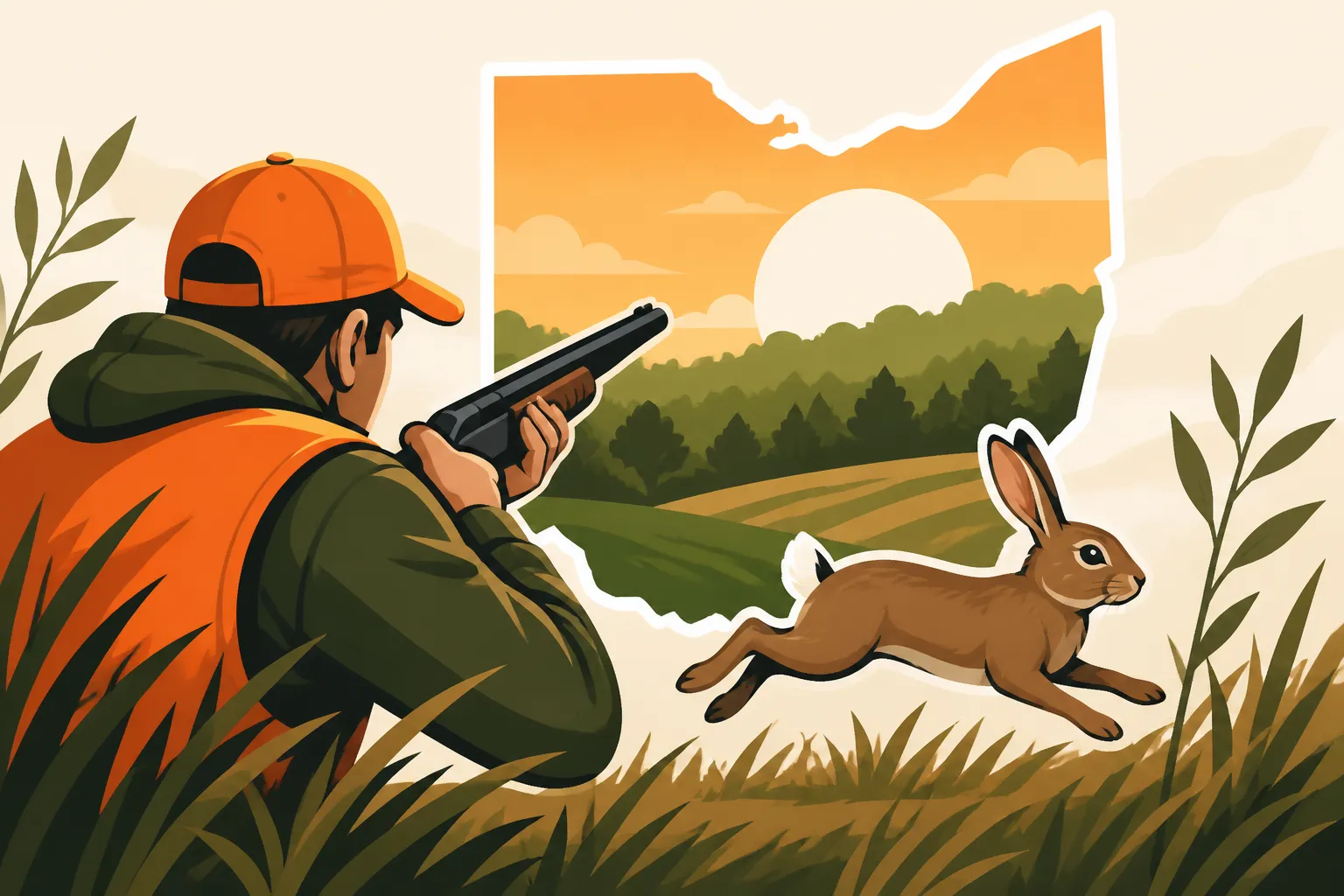
That crisp morning air, the sound of hounds yipping with excitement, or just the thrill of busting a cottontail from a briar patch – there's nothing quite like the start of rabbit season in Ohio. But if you've ever found yourself scratching your head trying to figure out the exact dates, bag limits, and best spots to hit, you're not alone. This guide is here to clear up all that confusion, giving you a comprehensive rundown on Ohio's rabbit season opening day, ensuring you're fully prepared for a successful hunt.
Ohio's Rabbit Season Opening Day: The Crucial Dates
For many Ohio hunters, the opening day of rabbit season signals the true beginning of small game hunting, a cherished tradition often involving beagles, family, and good times in the field. Understanding when that special day arrives is the first step to planning your season.
Pinpointing the Annual Opener
The Ohio Department of Natural Resources (ODNR) sets the small game seasons each year, and for cottontail rabbits, the opening day typically falls on the first Friday in November. For example, for the 2023-2024 season, the rabbit opener was November 3rd, 2023. While the exact date shifts slightly each year depending on the calendar, you can almost always count on it being that first Friday in November. This timing usually coincides with farmers finishing their crop harvests, opening up access to many prime private land hunting spots, which is a big deal for those who rely on permission from local landowners. It’s also often cool enough that the heat isn’t a major factor for working dogs, and the foliage has started to drop, making it easier to spot those elusive bunnies.
This early November start allows for a long, extended season, often running well into February. This generous timeframe provides ample opportunity to get out, whether you prefer to hit the field right away on opening day or wait for later in the season when the weather turns colder and snow might help with tracking. Remember, staying updated on the official ODNR regulations each year is crucial, and resources like GoHunt can often provide quick access to season dates and regulation summaries as they are released.
Why Early November Works Best for Rabbit Hunting
The timing of Ohio's rabbit season isn't just arbitrary; it's carefully considered to balance wildlife management with hunter opportunity. By early November, many crops like corn and soybeans have been harvested across the state, particularly in the prime agricultural regions of Northwest Ohio. This means bunnies that were previously hidden deep within standing fields are now pushed into more accessible cover like fencerows, woodlots, and thickets.
Furthermore, the cooler temperatures in early November are ideal for hunters and their dogs. Beagles, known for their relentless pursuit of cottontails, perform much better when they aren't overheating in dense cover. The reduced foliage on trees and shrubs also improves visibility, making it easier to spot a flushed rabbit bounding through the brush. This combination of available habitat, favorable weather, and improved visibility makes the first Friday in November a strategic and exciting time to kick off the season. It's truly a sweet spot for those chasing Ohio's cottontails.
Understanding Ohio's Rabbit Season Regulations
Navigating hunting regulations can sometimes feel like trying to solve a puzzle, but knowing the rules for Ohio's rabbit season is crucial for a legal and ethical hunt. The ODNR provides clear guidelines, and it's your responsibility as a hunter to understand them fully before heading out.
Daily Bag and Possession Limits
When you're out hunting rabbits in Ohio, there are specific limits on how many you can harvest and possess. For cottontail rabbits, the daily bag limit is generally four animals per hunter. This means that in a single day, you can legally take up to four rabbits. It’s a pretty reasonable limit that allows for a good day of hunting without putting undue pressure on the local rabbit populations.
Beyond the daily limit, there's also a possession limit, which typically doubles the daily bag limit. So, for rabbits, the possession limit is usually eight. This means you can have up to eight rabbits in your freezer or in your possession at home from multiple hunting trips, provided you didn't exceed the daily limit on any single day. It's an important distinction, especially if you plan on hunting several days in a row or freezing your harvest. Always double-check the current Ohio Small Game and Upland Bird Seasons regulations for any updates, but these numbers have been fairly consistent for years.
Licensing, Legal Hours, and Approved Methods
Before you even step foot in the field, you'll need the proper licensing. All hunters aged 18 and older must possess a valid Ohio hunting license. For residents, this is straightforward, but Ohio Nonresident Hunting License Options are also available for those traveling from out of state. Youth hunters have specific requirements, often needing a youth license. It’s worth checking the Ohio Resident Hunting License Options to ensure you have the correct permit for the season.
As for hunting hours, rabbits, like most small game in Ohio, can only be hunted from sunrise to sunset. This means no spotlighting or night hunting for cottontails. You need to be able to identify your target clearly and safely in daylight conditions. When it comes to methods, shotguns, .22 caliber rimfire rifles, and air rifles are all legal for rabbit hunting. Many hunters prefer shotguns for their versatility in thick cover, but a skilled .22 marksman can have a blast. Running beagles is a deeply ingrained tradition for many rabbit hunters, and using dogs to flush and pursue rabbits is not only legal but highly effective and incredibly fun. Just make sure your dogs are under control and not trespassing.
Understanding Landowner Permissions and Public Access
One common frustration for hunters, especially those new to the sport, is finding accessible land. While Ohio has a good amount of public hunting land, much of it is often crowded, especially on opening day. This makes securing private land permission invaluable. Always ask for explicit permission before hunting on private property, and be a courteous guest. Knocking on doors in rural Ohio farmland can yield great results, especially after harvest season.
For those relying on public land, many Ohio Wildlife Areas offer excellent rabbit hunting opportunities. Be sure to use mapping tools like the Ohio HuntFish app or GoHunt to scout these areas ahead of time. Look for areas with diverse cover: thick fencerows, brush piles, tall grasses, and recently timbered sections. These areas provide the escape and bedding cover rabbits need. Remember that hunting pressure can be high on public ground, so be prepared to walk further or hunt mid-week to find less disturbed spots.
Prime Habitats and Tactics for Opening Day Success
Finding rabbits on opening day isn't just about showing up; it's about understanding where they live, what they eat, and how they react to pressure. A little scouting and strategic thinking can make all the difference between a frustrating walk and a successful hunt.
Where Ohio Cottontails Call Home
Ohio's cottontail rabbits are masters of concealment, preferring dense, brushy cover that offers both food and refuge from predators. On opening day, especially if crops have just been harvested, these small game animals will concentrate in specific areas. Think about the edges: where a harvested cornfield meets a dense woodlot, or where a thick fencerow snakes its way across open fields. Rabbit Hunting Ohio Fencerows is a time-honored tradition for a reason; these linear strips of brush, multiflora rose, and overgrown trees provide perfect escape routes and feeding grounds.
Look for abandoned farmsteads, old orchards, and overgrown pastures. These forgotten corners often contain an abundance of briar patches, honeysuckle thickets, and downed trees—all prime rabbit habitat. Creek bottoms and drainage ditches that are choked with heavy vegetation also act as natural highways and hiding spots for rabbits. In the more heavily forested areas of southeast Ohio, rabbits will gravitate towards logging clear-cuts that have grown back into thick saplings and brush, offering them both cover and new growth to browse. The key is finding that tangled, seemingly impenetrable cover that larger game animals often avoid.
Effective Opening Day Hunting Methods
There are several tried-and-true methods for hunting rabbits, each with its own appeal. The most classic and often most effective method, especially on opening day, involves using beagles. The relentless pursuit and distinctive baying of a well-trained pack of beagles can consistently push rabbits out of the thickest cover. Running Beagles on Ohio Cottontails is not just a hunting method; it's a social event and a deep-seated tradition for many. The dogs do the hard work of sniffing out and driving rabbits in circles, allowing hunters to position themselves for a shot as the rabbit zips past.
For solo hunters or those without dogs, still-hunting or flushing are excellent options. Still-hunting involves slowly and quietly moving through prime habitat, pausing frequently to scan ahead for any movement. You’re essentially relying on your eyes and ears to spot a rabbit trying to sneak away or hunkered down in cover. Flushing, on the other hand, is a more aggressive approach where you systematically walk through thick cover, deliberately stomping and making noise to push rabbits out. This is often done effectively by walking abreast with a small group of hunters, covering a wider swath of ground. Whichever method you choose, approach cover from the direction that will push rabbits into more open areas or towards another hunter, rather than deeper into impenetrable brush.
Reading the Landscape and Weather
Successful rabbit hunting on opening day often comes down to effectively "reading" the landscape and understanding how weather impacts rabbit behavior. After a hard rain, rabbits might avoid low, wet areas and instead seek higher, drier ground within the brush. On cold, windy days, they'll likely be burrowed down deep in thick cover to escape the elements, making them harder to flush. A calm, overcast day, however, can see them a bit more active, moving between feeding and bedding areas.
Pay attention to any fresh sign you might encounter. Rabbit droppings, small tracks in soft soil or dust, and clipped vegetation can tell you where rabbits have been feeding. Even small trails leading into and out of thickets are indicators of frequent use. Using a mapping app like the one offered by GoHunt, or simply a detailed paper map, can help you identify these pockets of prime cover and plan your approach. Look for natural funnels, pinch points, or changes in elevation that might influence rabbit movement when they’re flushed. Understanding these nuances will dramatically increase your chances of connecting with a cottontail.
Essential Gear for Your First Rabbit Hunt
Having the right gear won't guarantee a full game vest, but it will certainly make your opening day rabbit hunt more comfortable, safer, and ultimately, more enjoyable. Rabbit hunting, while simple at its core, benefits from a few key pieces of equipment.
Firearm and Ammunition Choices
When it comes to firearms, shotguns are overwhelmingly the most popular choice for rabbit hunting in Ohio. Their ability to deliver a pattern of shot makes them highly effective in dense cover against fast-moving targets. A 12-gauge or 20-gauge shotgun is typically preferred, offering a good balance of power and maneuverability. You'll want to pair your shotgun with the right ammunition. For rabbits, lighter loads with smaller shot sizes, like 6 or 7 ½ shot, are ideal. These provide a dense pattern without over-penetrating the small game, ensuring a clean kill without excessive meat damage. Shot Size for Squirrel and Rabbit is a crucial consideration, and generally, these smaller pellets are perfect for the job.
While shotguns are king, some hunters prefer a .22 caliber rimfire rifle for a more challenging and precise hunt. This is often done when still-hunting or targeting rabbits that are sitting still, offering a headshot. If using a .22, always prioritize safety and have a clear backstop. For shotguns, consider an improved cylinder or modified choke to get a good spread at close to medium ranges. Choke Choice for Fast Rabbit Flushes can make a significant difference in your hit rate, as a tighter choke might make you miss those quick, close-range shots.
Protective Clothing and Footwear
Rabbit hunting often means busting through briars, thorny bushes, and dense undergrowth. That's why durable, protective clothing is non-negotiable. A good pair of briar-resistant pants or chaps is paramount. These can be made from tough canvas, nylon, or specialized thorn-proof fabrics that prevent painful scratches and tears. Brush Pants for Ohio Fencerows are an investment you won't regret, as they'll save your legs from countless thorns. Layering your upper body with sturdy jackets or vests that can withstand snags is also wise.
For footwear, durable, waterproof boots are essential. You'll be walking through damp fields, muddy creek beds, and potentially even snow depending on the weather conditions. Good ankle support is also a plus, especially when navigating uneven terrain. Boots for Walking Ohio Farm Country should prioritize comfort for long hours afield, waterproofing, and durability. Remember, comfort means you'll stay out longer and enjoy the hunt more.
Safety and Other Essential Gear
Safety should always be your top priority. In Ohio, hunters must wear hunter orange during specific seasons, particularly during the deer gun seasons, but it's always a good idea when hunting small game, especially if you're hunting with a group or dogs. A blaze orange vest or hat ensures you're highly visible to other hunters.
Beyond that, a good game vest or backpack is invaluable for carrying your rabbits, extra shells, water, snacks, and a small first-aid kit. A knife for field dressing, a reliable compass or GPS device (or a smartphone with a hunting app like GoHunt for navigation), and possibly a dog tracking collar if you're running beagles round out the essentials. Don't forget a pair of gloves to protect your hands when handling brush or game. Being prepared with these items ensures you're ready for anything the opening day of Ohio's rabbit season might throw at you.
Ohio Rabbit Season Key Dates and Regulations Summary
To help you quickly reference the most important information for opening day, here's a brief summary of what you need to know:
| Category | Details |
|---|---|
| Typical Opening Day | First Friday in November (e.g., Nov 3, 2023 for 2023-24 season) |
| Season Length | Typically runs from opening day through late February |
| Daily Bag Limit | 4 rabbits per hunter |
| Possession Limit | 8 rabbits per hunter |
| Legal Hunting Hours | Sunrise to Sunset |
| Required Licenses | Ohio Resident or Nonresident Hunting License (Youth licenses for junior hunters) |
| Legal Methods | Shotgun (12/20 gauge recommended), .22 caliber rimfire rifle, air rifle, dogs (e.g., beagles) |
| Recommended Shot Size | #6 or #7 ½ shot for shotguns |
| Public Land Access | Available on Ohio Wildlife Areas and State Forests; check regulations for specific areas. |
| Private Land Access | Requires explicit landowner permission. |
| Hunter Orange | Highly recommended for visibility, especially when hunting with others or during overlapping deer seasons. |
Please remember that these are general guidelines and regulations can change annually. Always consult the most current Ohio Hunting and Trapping Regulations booklet or the ODNR website before your hunt.
Disclaimer
The information provided in this guide is for general informational purposes only and is not a substitute for the official regulations published by the Ohio Department of Natural Resources (ODNR). Hunting regulations, season dates, bag limits, and licensing requirements are subject to change. Hunters are solely responsible for understanding and complying with all current state and federal hunting laws. Always refer to the most up-to-date ODNR hunting and trapping regulations before participating in any hunting activity.