Shot Size for Squirrel and Rabbit
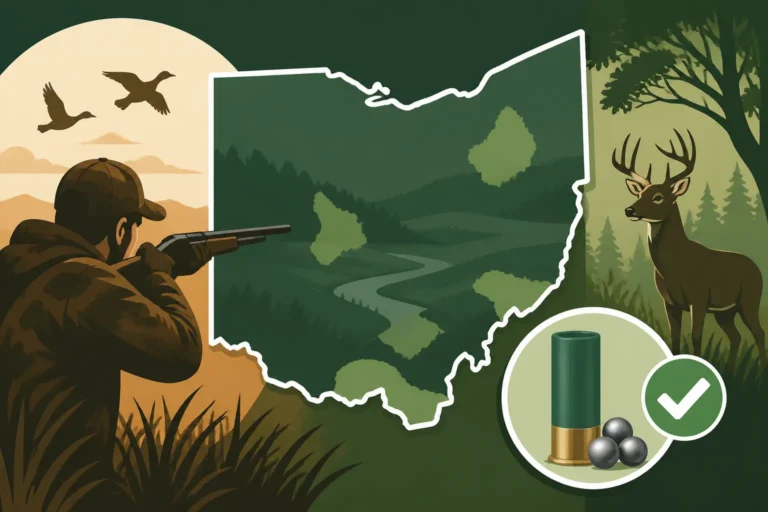
It’s a common frustration for Ohio small game hunters, isn’t it? You’re standing in the sporting goods aisle, staring at a wall of shotgun shells, wondering if #6 shot is really enough for those squirrels high in the oaks, or if you should grab a box of #7.5 for rabbits darting through the fencerows. The truth is, picking the right shot size for squirrel and rabbit hunting can feel like a guessing game, leading to missed opportunities or, worse, poorly harvested game. This guide is here to break down the nuances, helping you confidently choose the best ammunition for a successful and ethical hunt across Ohio’s diverse landscapes.
Understanding Shot Size for Small Game in Ohio
Let’s be honest, the world of shotgun ammunition can feel a bit like a secret code if you’re new to it, or even if you’ve just been grabbing the same box for years out of habit. The numbers, the letters, the ounces—it all matters when you’re out in the woods or fields pursuing Ohio’s abundant small game. For squirrels and rabbits, we’re typically talking about lighter loads and smaller shot, but even within that category, there’s a distinct difference in performance.
The Numbering System: Bigger Number, Smaller Pellet
One of the first things to wrap your head around is the inverse relationship between the shot number and the actual size of the pellets. It feels counterintuitive at first, right? A #8 shot is smaller than a #6 shot, which in turn is smaller than a #4 shot. This system is pretty universal for lead and steel shot, and it’s crucial to understanding how a shell will perform. Think of it like this: the higher the number, the more individual pellets there are in a given weight of shot, and those pellets are smaller in diameter.
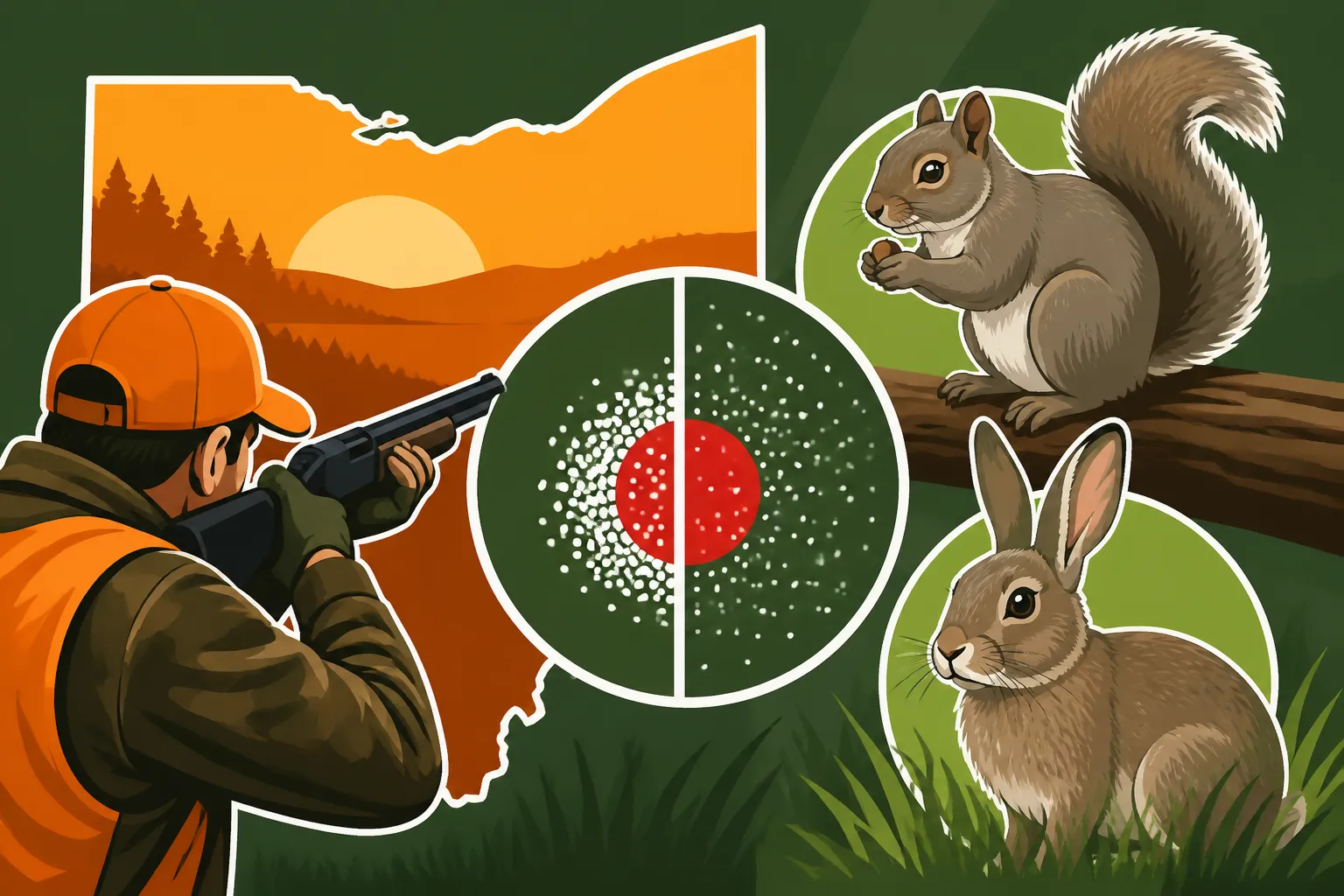
For example, a standard 12-gauge shell loaded with 1 1/8 ounces of #8 shot will contain significantly more pellets than the same shell loaded with 1 1/8 ounces of #4 shot. This difference in pellet count directly impacts your pattern density, which is how many pellets hit a certain area at a given distance. More pellets mean a denser pattern, increasing the likelihood of multiple hits on a small target like a squirrel or rabbit. However, smaller pellets also carry less individual energy, meaning they might not penetrate as deeply or retain their velocity as well over longer distances. It’s a delicate dance of physics and practicality that every hunter has to navigate.
The Pellet Dilemma: Count vs. Energy
This is the core of the shot size debate for small game. Do you prioritize a high pellet count for a dense pattern, or do you opt for larger pellets that carry more energy and penetrate deeper? The answer, as with most things in hunting, is "it depends." For a small animal like a squirrel or rabbit, you need enough pellets to ensure multiple hits in a vital area for a quick, ethical kill. However, those pellets also need sufficient energy to penetrate fur, bone, and muscle to reach those vital organs.
Imagine you're hunting gray squirrels in a thick woods. If your shot size is too small, say a #9, you might have a super dense pattern, but if those tiny pellets barely bruise the squirrel and don't reach the vitals, you've got a wounded animal. Conversely, if you go too large, like a #2 shot, you might only have a handful of pellets in your pattern. While each of those pellets hits like a hammer, the chance of missing the small target entirely or only getting one or two hits is much higher, leading to a clean miss or, again, a wounded animal. The sweet spot lies in finding the balance that provides a dense enough pattern for reliable hits while delivering enough punch to anchor your quarry quickly and cleanly.
Here’s a quick overview of common shot sizes and their general application for small game:
| Shot Size | Pellet Diameter (Approx.) | Primary Application for Small Game | Pros | Cons |
|---|---|---|---|---|
| #4 | 0.13 inches | Larger game birds, tough rabbits | Good penetration, more energy | Fewer pellets, can damage meat |
| #5 | 0.12 inches | Larger squirrels, rabbits | Good balance of energy/count | Can still damage meat at close range |
| #6 | 0.11 inches | General purpose for squirrels/rabbits | Excellent all-around performance | May lack energy for long shots |
| #7.5 | 0.095 inches | Close-range birds, rabbits, squirrels | Very dense pattern, less meat damage | Less penetration, limited range |
| #8 | 0.09 inches | Close-range birds, target shooting | Extremely dense pattern, minimal damage | Very limited range/penetration |
Selecting Shot for Ohio Squirrel Hunting
Ohio is home to fantastic squirrel hunting, whether you're after the chunky fox squirrels in open woodlots or the agile gray squirrels in dense mature timber. The type of cover, the distance of your shots, and even the time of year can all influence the best shot choice. Many hunters will grab a box of #6 shot and call it a day, and for good reason – it's a solid, versatile choice. However, digging a little deeper can make a noticeable difference in your success and enjoyment. Consider your specific hunting style and the environment you’ll be in.
Early Season Bushy Cover vs. Late Season Canopy Shots
Think about early September when the leaves are still thick. Squirrels are often closer to the ground, feeding on early mast crops, and the shots are likely going to be at shorter ranges, through some light brush. In these scenarios, a denser pattern can be your best friend. A #7.5 or even #8 shot in a 12 or 20 gauge can be incredibly effective. The sheer number of pellets increases your chances of connecting with a fast-moving target that might only present itself for a split second. The lower individual pellet energy is less of a concern at these closer ranges, and the denser pattern helps to compensate for any slight deflections from twigs and leaves. Many veteran hunters I know swear by #7.5 shot in early season, especially when still-hunting through thick timber. Squirrel Hunting Ohio Hardwoods often means navigating dense foliage, and a broad, forgiving pattern can be a real asset.
Now, fast forward to late October or November, after a few hard frosts have brought the leaves down. Squirrels are often higher up in the oak, hickory, and beech trees, silhouetted against the sky. These shots tend to be longer, and you might need a bit more reach and punch. This is where #6 shot truly shines. The slightly larger pellets retain more energy and penetrate better at extended ranges, increasing the likelihood of a clean kill on a squirrel that might be 30 or 40 yards up a tree. Some hunters even venture into #5 shot for these longer canopy shots, especially if they are consistently taking squirrels at the outer limits of their effective range. When you're Squirrel Hunting Ohio Oak Ridges, those longer shots are often the norm. Before you head out, you might even use tools like those on GoHunt to scout the canopy cover in your preferred area and anticipate the types of shots you’ll be taking.
Preserving Meat: The Headshot Advantage
A significant consideration for many squirrel hunters is meat preservation. Nobody wants to chew on a mouthful of lead, and a body shot with larger pellets can often mean significant damage to the delicious squirrel meat. This is where the argument for smaller shot really comes into its own. If you’re a patient hunter who prioritizes headshots, a #7.5 or #8 shot can be ideal. These smaller pellets deliver enough energy for a clean kill with a headshot but cause minimal, if any, damage to the prime meat in the body.
Achieving consistent headshots requires practice, steady aim, and often, more deliberate setups. You might find yourself waiting for that perfect broadside view of a squirrel perched on a limb, rather than taking a quick body shot. While it might reduce your overall harvest numbers slightly, the quality of the meat you bring home will be noticeably better. For hunters using smaller gauges, like a .410, smaller shot like #7.5 or #8 is often necessary to ensure a dense enough pattern for reliable hits on squirrels, given the lighter shot charges typical of those shells. Remember, the goal is always a quick, humane harvest, and for those who value the table fare, minimizing meat damage is a worthy pursuit. When scouting, especially around prime feeding areas, try to visualize potential headshot opportunities by Reading Cuttings Under an Oak and anticipating where squirrels might pause to eat.
Choosing Shot for Ohio Rabbit Hunting
Rabbit hunting in Ohio is a blast, whether you’re pushing thickets with a beagle or still-hunting fencerows on a crisp winter morning. The fast, erratic movement of a flushed rabbit presents a different challenge than a treed squirrel, and your shot choice needs to reflect that. Just like with squirrels, understanding the typical hunting scenarios will guide your decision between pellet count and individual pellet energy. Rabbit and Upland Bird Hunting in Ohio is a tradition for many, and getting your ammo dialed in is key to upholding it.
Close-Quarters Action in Fencerows and Thickets
Rabbits are masters of concealment, often holding tight until you’re almost on top of them. When they finally burst from cover, they’re usually at very close range and moving at top speed. In these adrenaline-fueled moments, a dense pattern is absolutely paramount. You need a broad spread of pellets to maximize your chances of connecting with a small, fast-moving target in a tight window. This makes #7.5 or even #8 shot excellent choices for rabbit hunting in dense cover like fencerows, briar patches, and thickets.
The individual pellets might be small, but at ranges of 10 to 25 yards, they carry more than enough energy to cleanly dispatch a rabbit. The advantage here is the sheer volume of pellets, which creates a "wall of shot" that increases your hit probability significantly. An open choke, like an improved cylinder or skeet choke, paired with this smaller shot size, will give you the widest, most forgiving pattern for those lightning-fast, close-range flushes. Many hunters who run hounds, like when Running Beagles on Ohio Cottontails, will opt for smaller shot and open chokes because their dogs often push rabbits right to the gun, leading to very close shots. The goal is to quickly bring down the rabbit without tearing it up unnecessarily. When you’re focused on Rabbit Hunting Thick Ohio Fencerows, a dense pattern is your best friend.
Ethical Shots on Fast-Moving Game
Hunting rabbits, especially those bounding through open fields or weaving through brush, demands quick reflexes and a good understanding of your shotgun’s pattern. The ethical imperative is always a clean, swift kill. While a dense pattern from #7.5 or #8 shot is great for increasing hit probability at close range, you need to be mindful of your effective range. As those smaller pellets travel further, they rapidly lose energy and spread out, creating gaps in your pattern.
For rabbits, particularly those that might offer slightly longer shots, or if you prefer a bit more punch, #6 shot is a fantastic all-around choice. It still provides a good number of pellets for a decent pattern density, but each pellet carries more energy than #7.5 or #8, ensuring better penetration at slightly longer ranges. Some hunters even use #5 shot, especially if they anticipate longer shots or are dealing with particularly tough cottontails. The key is knowing your shotgun, patterning it with your chosen load, and understanding its limitations. If a rabbit is too far out, or the shot isn't clean, it’s always better to pass than risk a wounded animal. Ethical hunting means making responsible choices, not just about shot size, but about shot distance and angle.
Beyond Shot Size: Maximizing Your Small Game Success
Choosing the right shot size is undeniably important, but it’s only one piece of the puzzle. There are other critical factors that, when combined with your ammunition choice, will significantly enhance your success and overall experience as an Ohio small game hunter. It’s about creating a holistic approach where all your gear and skills work in harmony. After all, a perfectly chosen shot size is only as good as the hunter behind the gun.
The Critical Role of Choke Selection
Your shotgun’s choke is arguably just as important as your chosen shot size, especially for small game. The choke is the constriction at the end of your barrel that controls how tightly your shot pattern holds together. For fast-flushing, close-range targets like rabbits or early-season squirrels, an open choke (like Improved Cylinder or Skeet) is generally preferred. This allows your pattern to open up quickly, creating a wider spread that increases your chances of hitting a darting target. It’s much more forgiving for close-range, reactionary shots. For more detailed insights, check out Choke Choice for Fast Rabbit Flushes.
Conversely, for those longer shots on squirrels high in the canopy or if you’re trying to stretch your range on a rabbit that jumps a little further out, a tighter choke (like Modified or Full) might be more appropriate. A tighter choke keeps the pattern denser at longer distances, ensuring enough pellets hit the target with sufficient energy. However, it also means a smaller margin for error at closer ranges, and you might find yourself missing clean if your aim isn’t precise. Most small game hunters find a Modified choke to be a versatile middle-ground, offering a decent spread at closer ranges while still providing some reach for moderate distances. For more general purpose guns, understanding the Upland Guns for Fencerow Cover means considering the choke that will perform best in those close-contact situations.
Patterning Your Shotgun and Knowing Your Range
This cannot be stressed enough: pattern your shotgun with the specific ammunition you intend to hunt with. Every shotgun is an individual, and the same shell can pattern differently through two seemingly identical barrels. Grab a large piece of paper or cardboard, step off 20, 30, and 40 yards, and shoot a few rounds. Observe where the pattern hits relative to your point of aim, and more importantly, how dense the pattern is within a roughly 15-inch circle (about the size of a squirrel or rabbit).
Patterning will reveal your shotgun's effective range with a given load and choke combination. You might find that your favorite #6 shot shell provides a fantastic pattern at 30 yards but starts to get too sparse at 40. Knowing this limit is crucial for making ethical decisions in the field. If you’re using a .410, you’ll likely find its effective range is much shorter than a 12-gauge, and patterning will confirm exactly what that range is. Don’t rely on guesswork or what a friend says about their gun; test your own setup. GoHunt, for instance, might even offer resources or tips for patterning specific loads, helping you get the most out of your shotgun. Knowing your true range prevents those heartbreaking "almost" shots and ensures the game you pursue is dispatched quickly and cleanly. Consider your Barrel Length for Walking Fencerows when thinking about how your gun points and patterns in tight cover.
Disclaimer
This article is for general informational purposes only and does not constitute professional advice. Laws, prices and regulations vary by location and change over time. Consult a qualified professional for guidance on your specific situation.