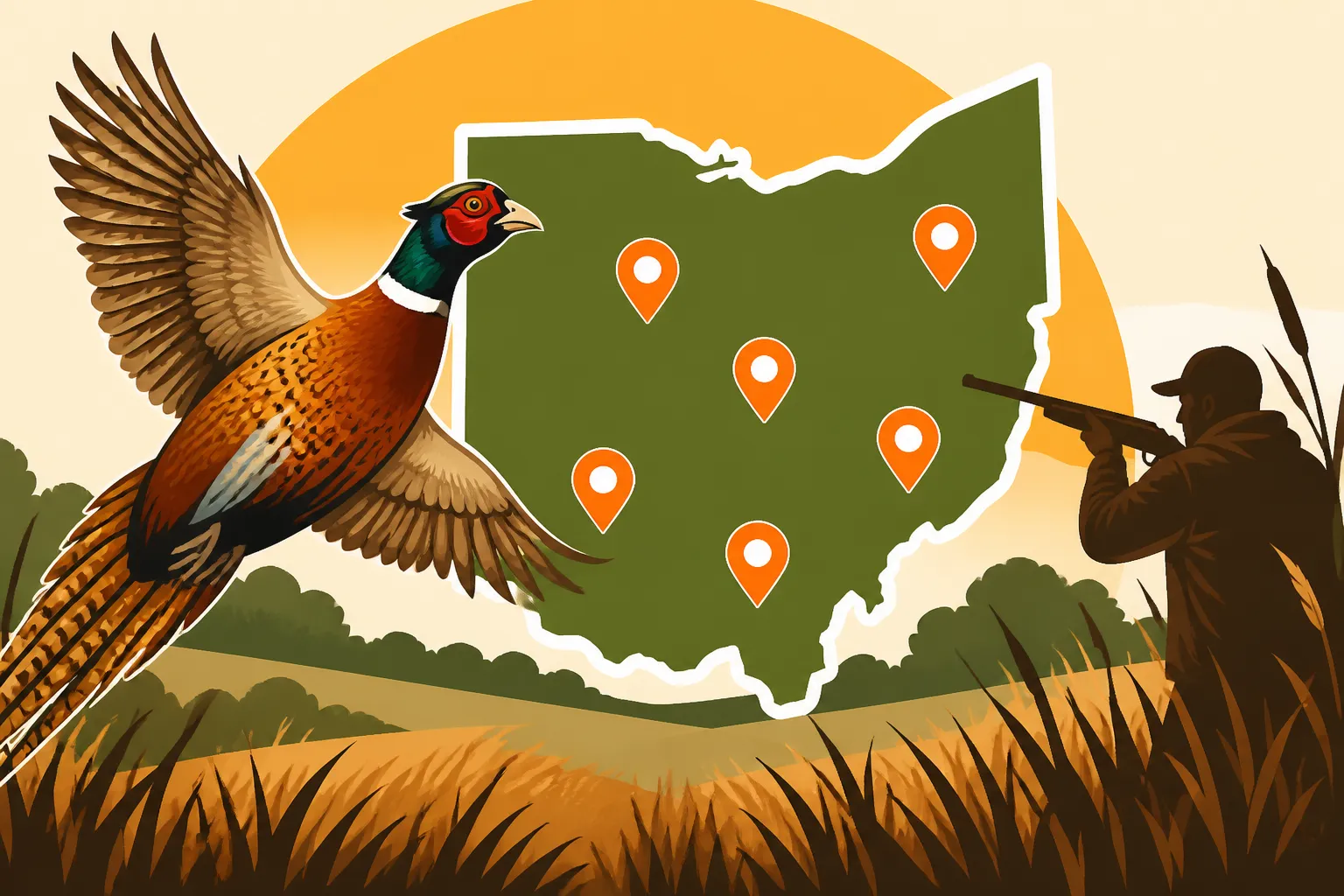
Ohio Pheasant Release Site Locations
For many Ohio upland hunters, the dream of chasing wild pheasants across sprawling prairies is, unfortunately, largely a thing of the past. The truth is, wild pheasant populations have dwindled considerably over the decades, making it tough to find consistent opportunities. But that doesn't mean pheasant hunting is gone from the Buckeye State! Thanks to dedicated stocking programs, you can still enjoy the thrill of flushing ringnecks, provided you know where these birds are released and how to approach hunting those specific areas. This guide is here to walk you through Ohio's pheasant release site locations, giving you the rundown on where to go and what to expect to make your hunt a success.
The Role of Ohio's Pheasant Stocking Program
Ohio's efforts to keep pheasant hunting alive are vital for many hunters. With the dramatic decline of wild pheasant habitat due to agricultural changes and urban expansion, the Ohio Department of Natural Resources (ODNR) stepped in years ago to ensure there were still opportunities to pursue these vibrant birds. This isn't just about putting birds out; it's about fostering a hunting tradition and giving people a chance to engage with the outdoors in a unique way.
These stocking programs don't aim to re-establish self-sustaining wild populations in most areas – that's a much larger, more complex undertaking focused on habitat restoration. Instead, the primary goal is to create put-and-take hunting experiences, primarily on public lands, during designated seasons. Think of it as a cultivated opportunity, offering a glimpse into what pheasant hunting once was, and what it can still be with a little help. It’s a way for new hunters to get introduced to upland hunting, and for seasoned pros to still get their fix.
Why Stocked Pheasants Are Different
When you're hunting stocked pheasants, it's important to adjust your expectations and tactics compared to hunting truly wild birds. Wild pheasants are masters of survival, using dense cover and terrain to evade predators, including hunters. They're often found in specific pockets of habitat, their movements dictated by natural food sources, water, and nesting cover. Their instincts are sharp, and they tend to be much more elusive.
Stocked birds, on the other hand, are raised in captivity. While they retain a pheasant's natural inclination to run and hide, they generally haven't developed the same level of cunning or survival skills as their wild counterparts. They might hold tighter in cover, or they might flush more unpredictably. They're often released into areas that might not be prime pheasant habitat year-round, but rather places that offer enough short-term cover for a good hunting experience. This difference means your approach needs to be adapted – less about long-term scouting for consistent bird patterns, and more about covering ground thoroughly where birds are known to be released. You'll want to review resources like Ohio's Stocked Versus Wild Pheasants to truly understand the distinction.
The Purpose of Release Sites
The strategic placement of pheasant release sites is crucial to the program's success. The ODNR isn't just dropping birds anywhere; they're selecting public lands that offer suitable cover, accessibility for hunters, and a safe environment for hunting. These sites are typically Ohio Wildlife Areas or State Forests that have diverse habitat, including grasslands, fencerows, crop fields, and brushy draws. These areas mimic, as closely as possible, the natural habitat wild pheasants would seek, even if only temporarily.
The purpose is two-fold: first, to provide a tangible hunting opportunity, allowing people to hunt and harvest pheasants. Second, these sites often serve as managed public access points, drawing hunters to specific areas to minimize conflict and ensure safety across larger tracts of public land. It concentrates the hunting pressure, but also the hunting reward, in designated zones. These sites are carefully chosen to allow for good walking cover for hunters and their dogs, and to facilitate the safe dispersal of birds.
Key Ohio Pheasant Release Site Locations
Ohio utilizes a number of public hunting areas across the state for its pheasant stocking program, with particular emphasis on wildlife areas managed by the ODNR. These locations are chosen for their diverse habitat, which can include a mix of agricultural fields, native grasslands, and dense brush — ideal for holding pheasants, at least for a while. While the specific list of areas can sometimes shift or be updated, several locations consistently feature in the stocking program due to their suitability and management for upland game.
It's crucial for hunters to always check the most current ODNR pheasant stocking schedule and maps, typically released closer to the season, as exact dates and locations can vary. However, understanding the general types of areas and regions that commonly receive stocked birds will give you a significant head start. These locations are often highlighted as prime spots for Ohio Pheasant Season and Stocking.
Northwest Ohio Farm Belt
The flat, agricultural landscape of Northwest Ohio, historically known for its fertile farmlands, also hosts some of the state's most prominent pheasant release sites. Areas like Killdeer Plains Wildlife Area in Wyandot and Marion counties, and Big Island Wildlife Area in Marion County, are frequently at the top of the list. These regions feature vast tracts of land that combine managed grasslands, standing crops (especially corn and soybeans, which provide excellent cover), and drainage ditches or fencerows with thick brush.
Hunting here can be very different from the hill country of Southeast Ohio. The terrain is generally flat, which means long walks and often high visibility. Pheasants tend to run through these open fields and dense cover strips, so working with a good bird dog, like a pointing dog or a flushing retriever, is incredibly effective. The sheer size of these wildlife areas means you can put in a full day of hunting, often without encountering too much competition if you're willing to walk a bit further from the main parking areas. Pheasant Hunting Ohio Farm Country is a must-read if you plan to visit these areas.
Central and East-Central Ohio Managed Lands
Moving east, regions in Central and East-Central Ohio also boast significant public lands that participate in the pheasant stocking program. Wildlife areas like Delaware Wildlife Area in Delaware County and some of the larger public grounds around Coshocton, Muskingum, and Guernsey counties often receive birds. These areas might present a slightly more varied topography than the flat northwest, with rolling hills, woodlots interspersed with open fields, and creek bottoms providing natural funnels and cover.
Here, hunters might find birds holding in more diverse habitats, from switchgrass fields to briar thickets bordering timber. The hunting experience can be a blend of field-walking and navigating thicker, brushier patches. These sites are often popular due to their proximity to larger population centers, so planning your hunt for weekdays or the later parts of the season can sometimes offer a less crowded experience. Tools like the Ohio HuntFish App can be invaluable for pinpointing specific boundaries and access points in these larger, more complex areas.
Southeast Ohio and Appalachian Foothills (Limited)
While the traditional pheasant stronghold lies more in Ohio's agricultural north and west, a few select areas in the southeastern part of the state and the Appalachian foothills might see limited stocking, though it's less common. These areas are characterized by much more rugged, timbered terrain, with smaller, often privately-owned fields. When stocking does occur here, it's typically on larger state wildlife areas that have suitable, managed open field habitat amidst the dense woodlands, such as Salt Fork Wildlife Area in Guernsey County or maybe some specific units within Wayne National Forest that have open ground.
Hunting in these areas requires a different strategy. You'll often be working smaller, isolated pockets of cover. Birds released here might be more prone to heading for the dense woods if pressured, making retrieves difficult. It's often more about finding those smaller, carefully managed fields and edges rather than vast, open expanses. This is a good opportunity to understand Ohio Public Hunting Land in Ohio and how it's managed for various species.
Here's a general overview of common types of release sites and what to expect:
| Release Site Type | Typical Habitat | Hunting Characteristics | Primary Regions |
|---|---|---|---|
| Managed Grasslands | Tall native grasses, switchgrass, prairie plants | Excellent holding cover, good for dogs, birds run before flushing | Northwest, Central |
| Agricultural Fields (Edge) | Cut corn, standing soybeans, wheat stubble, fencerows | Birds use crops for cover, fencerows for travel and escape | Northwest, Central |
| Brushy Draws/Thickets | Briars, multiflora rose, dense shrubs along creeks | Extremely dense cover, birds hold tight, good for flushing dogs | Central, Southeast |
| Woodlot Edges | Transition zone between timber and open fields | Birds may run into woods, tricky flushes, good for savvy dogs | Central, Southeast |
Maximizing Your Pheasant Hunt at Release Sites
Hunting stocked pheasants isn't just about showing up; it's about being prepared and employing smart tactics. These birds are there to be harvested, but they still require effort, skill, and sometimes a bit of luck. Success often comes down to understanding the behavior of stocked birds and how to work the available cover effectively.
One of the most valuable assets you can bring to a pheasant hunt is a well-trained bird dog. Whether it's a pointer, a flusher, or a versatile breed, a good dog will drastically increase your chances of finding and retrieving birds. Dogs excel at sifting through dense cover that would be almost impossible for a human to navigate efficiently, and their noses are far superior at locating birds that are holding tight. Make sure your dog is conditioned for the hunt; long walks through thick cover can be tiring.
Effective Hunting Strategies
When you arrive at a designated release site, don't just immediately head into the first patch of cover. Take a moment to observe. Where are other hunters? Where are the birds likely to be? Often, birds are released in specific areas, so starting your hunt where the birds were introduced or in adjacent, undisturbed cover is a good strategy.
Consider hunting with a partner or a small group. This allows you to work cover more systematically, pushing birds towards blockers, or simply covering more ground. A common tactic is to have one or two hunters and their dogs walk through the cover, while another hunter walks the edge, ready for birds that flush wide. Always maintain clear communication and safety awareness, especially concerning shot zones. Reviewing how to approach Running Pointing Dogs on Ohio Pheasants or Running Beagles on Ohio Cottontails (for general upland dog tactics) can give you ideas for working dogs in the field.
- Work the Edges: Pheasants love edges – where a field meets a fencerow, where tall grass meets short, or where crops meet brush. These transition zones provide both food and escape cover.
- Grid Patterns: In larger fields, especially grasslands, working a grid pattern with your hunting party and dogs ensures you cover the area thoroughly and don't miss birds holding tight.
- Thick is Better: Don't shy away from the nastiest, thickest cover. That's often exactly where pressured pheasants will try to hide. Briar patches, multiflora rose, and dense switchgrass are pheasant magnets.
- Slow and Steady: Stocked pheasants often hold tight. A slow, deliberate pace, allowing your dog to work thoroughly, is usually more productive than rushing through the cover.
- Follow Up: If a bird flushes and you don't connect, mark where it went. Stocked birds might not fly far, so a quick follow-up into the next patch of cover can often yield another opportunity.
Gear and Safety Considerations
Your gear plays a big role in enjoying your pheasant hunt. A reliable shotgun, typically a 12-gauge or 20-gauge, with a modified or improved cylinder choke, is standard. Loads like 6-shot or 5-shot are generally effective. Make sure your gun is patterned correctly for your chosen shot. You can learn more about this in Turkey Shotgun Gauge Choice (for general shotgun info) and Upland Guns for Fencerow Cover.
Comfortable, durable boots are non-negotiable. You'll be doing a lot of walking, often through wet grass or uneven terrain. Waterproof boots are a huge plus. Investing in good brush pants or chaps will save your legs from briars and thorns, especially in areas like those in Rabbit Hunting Ohio Fencerows. Don't forget your blaze orange; it's required during certain seasons and is always a smart safety choice when hunting with others. A good vest for carrying shells, water, and perhaps a downed bird, is also very useful.
Safety is paramount. Always know where your hunting partners are. Never swing on a bird if you're not absolutely sure of your background. Be mindful of property lines, even on public land, which you can often verify with apps like GoHunt. And remember, during the firearms deer season, specific blaze orange requirements are in effect, so always check the regulations for Ohio Small Game and Upland Bird Seasons.
Finding and Using Release Site Information
Knowing exactly where and when pheasants are released is the key to planning a successful hunt. The ODNR does a commendable job of providing this information to the public, but it's up to you, the hunter, to seek it out and utilize it effectively. Gone are the days of just showing up and hoping; successful pheasant hunters are informed hunters.
The official source for all pheasant stocking information in Ohio is always the Ohio Department of Natural Resources (ODNR) Division of Wildlife. They typically publish a detailed list or map of release sites, along with specific stocking dates (or date ranges) as the season approaches. This information is usually available on their website and through their various publications. Don't rely on old maps or anecdotal information; always check for the current year's details.
Official ODNR Resources
The ODNR website is your first and best stop. Look for their "Hunting and Trapping Regulations" or "Upland Game Hunting" sections. They will often have a dedicated page for pheasant stocking information. This might include a table listing the specific wildlife areas where pheasants will be released, along with the scheduled release dates. Pay close attention to any notes about youth hunting opportunities, as some stocking events might coincide with special youth weekends or have designated areas.
Additionally, the ODNR's "Wild Ohio Magazine" or local wildlife district offices often share this information. You can also sign up for email newsletters from the ODNR to receive timely updates directly to your inbox, ensuring you don't miss any critical announcements. This is often the best way to get details on Ohio Pheasant Stocking Locations.
Utilizing Digital Mapping and Scouting Tools
Once you have the list of designated release sites, digital mapping tools become incredibly powerful. Apps like GoHunt, or the ODNR's own Scouting With the Ohio HuntFish App, allow you to overlay public land boundaries onto satellite imagery. This lets you visualize the terrain, identify potential cover, and plan your approach long before you even set foot on the ground.
You can use these tools to identify parking areas, walking paths, and the most promising habitat features within the wildlife area. Look for dense pockets of cover, field edges, drainage ditches, and fencerows. On GoHunt, you can drop pins, draw routes, and even record observations from previous trips, building a comprehensive scouting plan. This digital scouting can save you valuable time on hunting day, especially if you're visiting a new area. It’s also incredibly helpful for understanding the layout of Finding an Ohio Wildlife Area Near You and how to best navigate it.
Considerations for Timing Your Hunt
The timing of your hunt relative to the stocking date can significantly impact your success. Right after a stocking, birds are often less wary and tend to be concentrated. This can lead to some excellent hunting, but also higher hunter pressure. If you prefer a quieter hunt, consider going a few days or even a week after a stocking event. While some birds will have been harvested, others will have dispersed and become a bit warier, presenting a more challenging but potentially rewarding experience if you're willing to work harder and find those birds that have moved into less-pressured cover.
Keep an eye on weather conditions too. A light snow cover can make tracking easier and highlight areas where birds are moving. Extreme cold or heavy rain can make for a miserable hunt, both for you and your dog, and might push birds into the densest available cover. Always remember that the beauty of hunting stocked pheasants in Ohio is the consistent opportunity it provides, ensuring that the legacy of upland hunting continues for generations to come.
Disclaimer
This article is for general informational purposes only and does not constitute professional advice. Laws, prices and regulations vary by location and change over time. Consult a qualified professional for guidance on your specific situation.