Grouse Hunting Southeast Ohio Hills
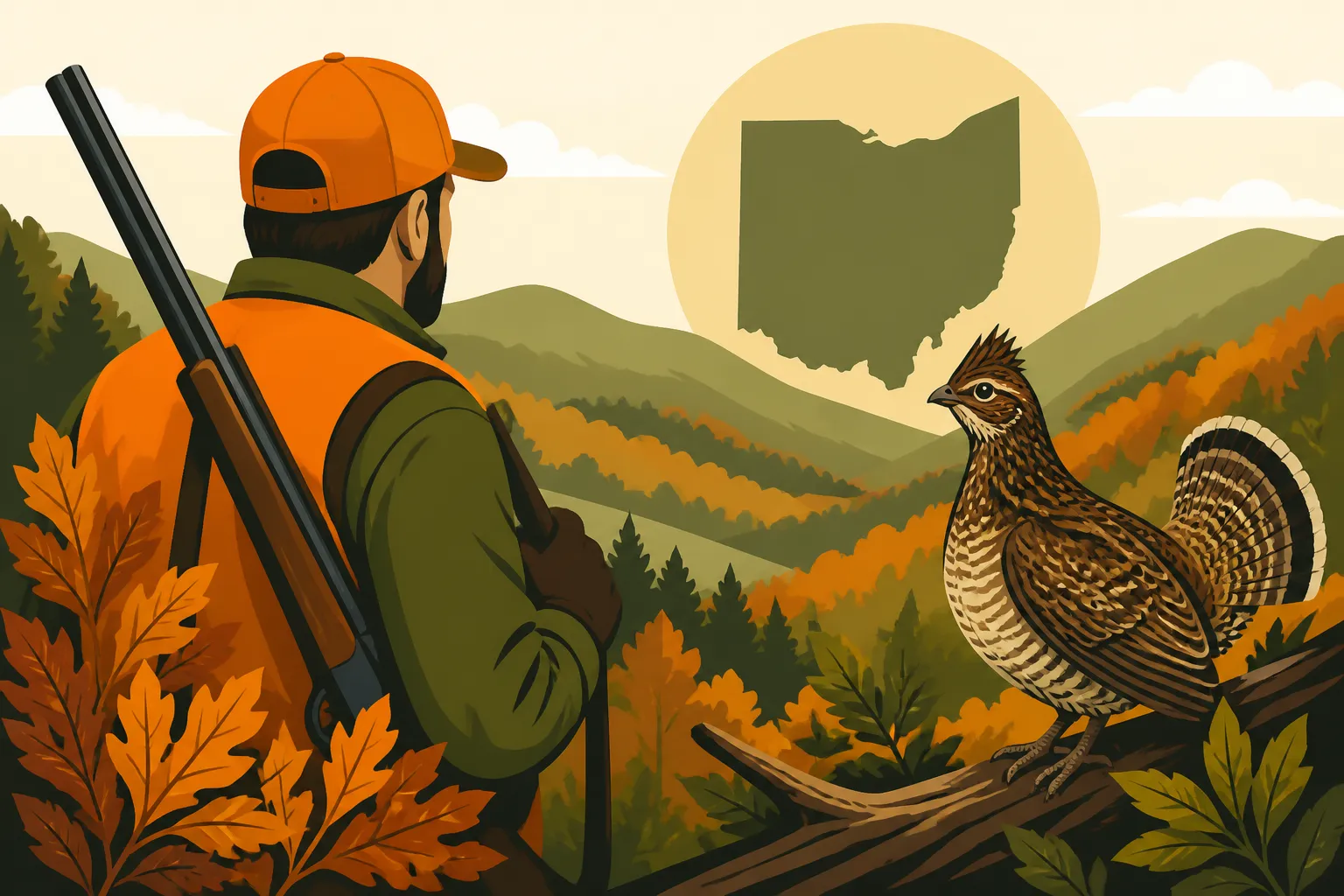
For those of us who grew up hearing the explosive flush of a ruffed grouse in Ohio's thick timber, the reality today can be pretty heartbreaking. Our grouse populations have been in a steady decline for decades, making those once-common encounters a rare and challenging triumph. It’s frustrating to put in the miles and hear nothing but songbirds, but don't hang up your boots just yet. This guide aims to equip you with the knowledge and tactics to still pursue this elusive upland bird in the rugged, beautiful hills of southeast Ohio, understanding where they still hold on and how to hunt them effectively.
Understanding Ohio's Ruffed Grouse Situation
Let's be honest, hunting ruffed grouse in Ohio isn't what it used to be. It's a bittersweet pursuit, often more about the tradition and the wild places it takes you than about filling a vest. But understanding why things have changed and where the remaining birds are holding out is the first step toward any success.
The Decline of a Beloved Bird
The ruffed grouse, once a widespread resident of Ohio's woodlands, has seen its numbers plummet dramatically. When you look at the larger picture of Ruffed Grouse in Decline Across Ohio, it’s clear this isn't just a localized problem, but a statewide and even regional trend impacting the Appalachian foothills. The primary culprit? Habitat loss. Grouse thrive in early successional forests – those young, regenerating woods that pop up after clear-cuts, timber harvests, or wildfires. Think dense thickets of saplings, briars, and brush. This habitat, crucial for nesting cover, food, and protection from predators, has largely disappeared as Ohio's forests have matured.
Decades ago, logging practices created a patchwork of young and old growth, perfect for grouse. Now, much of our timber is either very mature or fragmented, lacking that critical mix of forest stages. This means fewer places for hens to nest successfully, fewer safe havens for broods, and ultimately, a shrinking population. It’s a tough pill to swallow for anyone who remembers the glory days, but facing this reality helps us adjust our expectations and tactics. We're not just hunting a bird; we're hunting a memory, and honoring a species that's truly up against it. Understanding Ohio's Declining Ruffed Grouse Range highlights just how precious each flush has become.
Current Population Hotspots in Southeast Ohio
While grouse numbers are low everywhere in Ohio, the rugged terrain of the southeast still offers the best, albeit dwindling, opportunities. This region, part of the larger Appalachian system, naturally provides more of the specific habitat grouse need. Counties like Athens, Vinton, Hocking, Jackson, Lawrence, Scioto, and Gallia are often cited as the last strongholds. These areas boast extensive state forests and wildlife areas, which, through active management (or sometimes just the natural chaos of steep hillsides), can still produce patches of viable habitat.
It's not about finding a "hotspot" teeming with birds; it's about finding scattered pockets where conditions are just right. We're talking about small clear-cuts, recent timber stand improvements (TSIs), old logging roads with dense regrowth, and natural brushy draws. These aren't easy places to hunt; they're steep, tangled, and often remote. But that remoteness and difficulty often mean less pressure on the few birds that remain, giving you a slightly better chance of finding a solitary grouse holding tight. Knowing Which Ohio Counties Still Hold Grouse is critical for planning your journey into these wilder corners of the state.
Prime Habitat for Ruffed Grouse in the Appalachian Foothills
Hunting grouse in southeast Ohio means getting intimately familiar with the land. These birds are masters of concealment, and they stick to very specific types of cover. Forget manicured woodlots; we're talking about the nastiest, most impenetrable places you can imagine.
Identifying Key Cover Types
When you're out scouting, or even while you're hunting, you need to train your eye to spot specific elements that scream "grouse habitat." The first thing to look for is thick, dense cover, especially areas with a high stem count. This includes young saplings, often oak or maple, that are no more than 10-15 feet tall, growing so close together you can barely walk through them. Mixed in with these should be thorny briars, multiflora rose (an invasive but grouse-friendly plant), and grapevines. These tangled masses provide both food (buds, berries, insects) and protection from aerial predators like hawks and owls.
Grouse also utilize hemlock groves or dense pine plantations for thermal cover, especially in the colder months. These evergreens offer a canopy that traps heat and provides shelter from snow and wind. Finding a transition zone where a young, thick hardwood regeneration meets an older stand of pines can be a goldmine. The grouse will feed in the hardwoods and retreat to the pines for safety and warmth. Don't overlook old apple trees, wild grapes, or even abandoned homestead sites – grouse love the diverse food sources these areas can provide.
Importance of Early Successional Forests
This cannot be stressed enough: early successional forest is the lifeblood of ruffed grouse. These are areas that have been recently disturbed, perhaps by a timber harvest, a prescribed burn, or a storm, and are now regenerating with vigorous young growth. The saplings and brush are so thick that it’s almost impossible to see more than a few yards in any direction. This density offers unparalleled protection from predators, both airborne and terrestrial. Think of it as a natural fortress. Without these messy, young forests, grouse simply don't have the secure places they need to raise broods and escape danger.
Unfortunately, Habitat Loss Behind Ohio's Grouse Decline is largely due to the maturation of our forests. Many state forests now have older, more open stands, which, while beautiful, lack the dense understory grouse require. When you do find these pockets of early successional habitat, recognize their value. They often appear as clear-cuts from 5 to 15 years ago, now a sea of shoulder-high saplings and briars. These are the places to focus your efforts.
Edge Habitat and Creek Bottoms
While thick cover is paramount, grouse also rely on edges and features within that cover. An edge is where two different habitat types meet – for example, a dense thicket bordering an older, more open woods, or a field edge. These transition zones often provide a diverse food supply and easier travel corridors for the birds, while still offering quick escape into the dense stuff. Hunting these edges can be productive, as grouse will often feed along them before diving into the safety of the thickest cover.
Creek bottoms and ravines, especially in the steep hills of southeast Ohio, are another key area. These low-lying areas often retain more moisture, leading to a richer variety of vegetation, including dense briar patches and wet-loving plants that produce berries. The topography itself can also funnel grouse movement. When Flushing Grouse in Southeast Ohio Hollows, you'll often find birds using the natural contours of the land for travel and escape. These areas are also less exposed to high winds and can offer thermal protection. Look for these natural funnels and sheltered spots within the rugged landscape.
Essential Gear for Upland Hunters in Southeast Ohio
Hunting grouse in southeast Ohio is not for the faint of heart, or for the unprepared. The terrain is brutal, the cover is unforgiving, and the weather can change in an instant. Having the right gear isn't just about comfort; it's about safety and effectiveness.
Shotguns, Ammunition, and Chokes
When it comes to shotguns for grouse, quick handling is king. These aren't long-range shots; they're typically fast, close-range bursts through a screen of thick timber. A lightweight 20-gauge or even a 28-gauge shotgun is often preferred over a heavier 12-gauge, simply because it's easier to carry all day and shoulder quickly. For Shotguns for Ohio Squirrel and Rabbit and other upland birds, a smaller gauge is also a great choice.
Barrel length often comes down to personal preference, but many grouse hunters opt for shorter barrels (24-26 inches) for better maneuverability in dense brush. As for chokes, an open choke like Cylinder or Skeet is almost universally recommended for the first shot, followed by an Improved Cylinder if you have a double barrel. These open patterns spread quickly, increasing your chances of connecting with a bird exploding through the brush at 10-25 yards. Full or Modified chokes are generally too tight for typical grouse encounters.
Ammunition should be light, fast, and relatively small-shot. Number 7.5 or 8 lead shot is ideal for grouse. You want enough pellets to create a dense pattern at close range without over-penetrating the bird. While nontoxic shot is required for waterfowl, lead shot is perfectly legal and effective for upland game in Ohio. Carrying a mixed bag of shells (e.g., #7.5 for grouse, #6 for a surprise rabbit) is common among those who hunt Upland Guns for Fencerow Cover and varied small game.
| Gauge | Choke Recommendation | Shot Size | Typical Range | Notes |
|---|---|---|---|---|
| 12 Ga | Skeet, IC (first shot) | 7.5, 8 | 10-25 yards | More recoil, versatile |
| 20 Ga | Skeet, IC (first shot) | 7.5, 8 | 10-25 yards | Lighter, less recoil, popular |
| 28 Ga | Skeet, IC (first shot) | 7.5, 8 | 10-20 yards | Very light, gentle recoil |
| .410 | Skeet, IC (first shot) | 7.5, 8 | 5-15 yards | Challenging, but ultra-light |
Boots, Brush Pants, and Vests
Your personal attire is paramount for comfort and protection in the rugged grouse woods. First and foremost, good quality hunting boots are non-negotiable. You'll be traversing steep, uneven terrain, crossing muddy creek beds, and navigating slick leaves and rocks. Look for waterproof, ankle-supporting boots with aggressive traction. Something like the LaCrosse Alpha Burly Pro or a similar brand known for durability and grip can make all the difference on a long day. If you're walking through wet creek bottoms or after a rain, having Boots for Ohio Mud and Snow is crucial to keep your feet dry and prevent blisters.
Next up, brush pants. This isn't optional; it's essential. The briars, multiflora rose, and dense saplings in prime grouse cover will tear up regular pants in minutes, and your legs along with them. Heavy-duty brush pants, typically made from waxed cotton, nylon, or a blend, with reinforced fronts (facing the briars), will protect you from countless scratches and punctures. Some brands like Filson or L.L.Bean make excellent, durable options. When Rabbit Hunting Thick Ohio Fencerows, these pants are equally vital for fending off thorns.
Finally, an upland vest is incredibly useful. It keeps your hands free, provides ample storage for extra shells, water, a first-aid kit, and most importantly, has a large game bag in the back for your birds. Many vests also have blaze orange panels, which are important for safety, especially on public land during deer season (even if you're hunting grouse, visibility is key). Companies like WingWorks or Orvis offer vests designed specifically for the demands of upland hunting.
Navigation and Communication Tools
Getting lost in the vastness of Wayne National Forest or Shawnee State Forest is no joke. The terrain is often indistinguishable, cell service is spotty at best, and trails can disappear. A reliable GPS unit or a smartphone with a downloaded mapping app is absolutely critical. While popular hunting apps are often associated with Western hunting, many offer offline maps of public lands that are invaluable for Scouting Ohio Public Land Before Season and during your hunt. Make sure you download your maps before you lose service. A fully charged power bank is also a must for your phone.
Beyond mapping, consider a two-way radio if you're hunting with a partner. These small radios (like those from Garmin or Midland) can keep you connected when cell service fails, ensuring you know where your hunting buddy is and can coordinate your pushes through cover. A compass and a physical map are also wise backups; technology can fail, but a good old-fashioned map and compass won't. Always let someone know where you're going and when you expect to return, especially when venturing into remote areas.
Effective Tactics for Flushing Birds in Thick Cover
Ruffed grouse are notoriously difficult to flush. They're often referred to as "drummers" because of the sound the males make, but they're equally known for sitting tight until you're practically stepping on them. The trick is to understand their behavior and approach their habitat with deliberate, patient tactics.
Walking the Cover Effectively
Grouse hunting is more about covering ground strategically than speed. You need to meticulously pick apart the cover, moving through the thickest, nastiest patches where the birds want to be. Don't be afraid to push into the briars and tangles. Walk at a moderate, steady pace, pausing frequently for 10-15 seconds. These pauses are crucial. Grouse often let you walk past them, thinking they're safe. When you stop, they get nervous, and that's often when they'll flush. This also gives you a chance to listen for their subtle movements or a rustle in the leaves.
When hunting steep hillsides (which you will be in southeast Ohio), try to walk contour lines or slightly quarter up or down the slope. This is less strenuous than going straight up and down, and it allows you to cover more ground efficiently. Pay close attention to subtle changes in elevation, small draws, and the lee side of ridges – these are often protected spots where grouse might be feeding or loafing. Work your way through Squirrel Hunting Ohio Oak Ridges and other mixed hardwood areas, as the habitat often overlaps. Don't just walk; hunt every step of the way, anticipating where a bird might burst from.
Working with a Good Bird Dog
For many, upland hunting without a dog is like coffee without cream – it just feels incomplete. A well-trained bird dog is an invaluable asset for grouse hunting, especially in Ohio's thick cover. Dogs, particularly pointing breeds (Brittanys, English Setters, German Shorthaired Pointers) or flushing breeds (Springers, Labs), can cover far more ground than a human, scent out birds that you would walk right past, and retrieve downed game from impenetrable tangles.
A pointing dog will lock up on scent, signaling a bird is nearby, allowing you to walk in and prepare for the flush. A flushing dog will work the cover ahead of you, driving birds out. Both styles are effective, but the key is a dog that hunts close and responds to commands. A wide-ranging dog in thick grouse cover is often more trouble than it's worth, as birds will flush out of range. When Running Beagles on Ohio Cottontails, you understand the value of a dog that can push through dense cover and keep the game moving. Invest in good dog bells or a GPS collar (like those from Garmin Alpha or SportDOG) to keep track of your dog in the dense stuff. A good dog is truly a partner in the grouse woods.
Still-Hunting and Listening for Flushes
If you don't have a dog, or even if you do, embracing a "still-hunting" approach can be surprisingly effective. This involves moving incredibly slowly and quietly through the woods, stopping frequently (often for minutes at a time) to listen intently. Grouse are not silent birds; they communicate with soft clucks and chirps, and their movements through dry leaves can often be heard before they're seen.
Listen for the tell-tale wing beats of a flush, even if it's far off. Sometimes, a distant flush can give you an idea of where birds are holding. Also, pay attention to the sounds of nature – a sudden silence in the woods can sometimes indicate a predator (or you!) is nearby, and grouse will react to this. When you hear a flush, quickly identify the direction the bird is flying, and assess if it was a single bird or a covey. Mark the spot mentally where it took off and where it seemed to land. Often, you can try to follow up on a flushed bird, as they might sit tight again a short distance away. This patient, observant method is akin to Still-Hunting Shawnee State Forest Ridges for deer, just adapted for a much smaller, faster target.
Timing Your Grouse Hunts for Best Success
The timing of your hunt can significantly impact your success. Ohio's grouse season typically opens in October and runs into January or February. Each phase of the season presents unique challenges and opportunities, influenced by habitat changes and weather patterns.
Early Season Opportunities
The early season, typically from mid-October through mid-November, can be fantastic for several reasons. The leaves are still on the trees, offering excellent concealment for both grouse and hunter, but the weather is generally milder, making for more comfortable hunting. The thick foliage also means grouse hold tighter, giving you a better chance to get close before they flush. This is when broods might still be loosely associated, so flushing one bird could mean there are others nearby.
Food sources are abundant during this time: wild grapes, various berries, acorns, and green browse. Grouse will be actively feeding, making them a bit more predictable in their movements. The challenge in early season is the dense visibility – getting a shot off through the still-leafy canopy requires quick reflexes and a good ear. However, the energy levels of both hunter and dog are usually higher, making it easier to cover more ground in the sometimes oppressive cover. It's a great time to enjoy the autumn colors while pursuing these elusive birds.
Late Season Challenges and Rewards
As the calendar turns to late November, December, and into January, grouse hunting changes dramatically. The leaves are down, vastly improving visibility, but also making grouse more wary and prone to flushing at greater distances. The weather often turns colder, with snow and ice becoming factors. This is when Muzzleloader Tactics in January Cold for deer often overlap with grouse hunting in the same areas, so be mindful of other hunters.
However, late season has its distinct rewards. With leaves gone, you can often see more sign – tracks in the snow, droppings, and dusting bowls. Grouse often concentrate near reliable food sources that persist through winter, such as catkins of aspen or birch, and the buds of certain hardwood trees. They also seek out thermal cover, so dense conifer stands and thick creek bottoms become even more important. Snow can be a hunter's friend, as it muffles your footsteps and can help highlight grouse activity. The sheer quiet of a snowy woods, broken by the sudden roar of a grouse flush, is an unforgettable experience. It's tough, but incredibly satisfying.
Impact of Weather on Grouse Behavior
Weather is a huge factor in grouse hunting. A sunny, mild day might make birds more active, feeding and moving through cover. However, overly warm conditions can make dogs overheat quickly, limiting hunt duration. Conversely, cold, blustery days might make grouse seek shelter in dense evergreens or on the lee side of ridges, where they'll hold extremely tight.
Rain or wet snow can be a mixed blessing. While it might make for a miserable hunt for you, it can dampen leaves and twigs, allowing for much quieter movement through the woods, potentially letting you get closer to birds. However, grouse may also be less active during heavy precipitation. The key is to adapt your tactics to the conditions. On windy days, focus on sheltered draws and thickets. After a fresh snowfall, look for tracks and focus on thermal cover. Always dress in layers appropriate for Ohio's unpredictable late-season weather, anticipating anything from a mild drizzle to a sudden blizzard.
Conservation and the Future of Ohio Grouse Hunting
The reality of grouse hunting in Ohio today is inextricably linked to conservation efforts. If we want future generations to experience the thrill of a grouse flush, we need to understand and support the work being done to save this iconic bird.
Habitat Restoration Efforts
The primary challenge for Ohio's ruffed grouse is habitat. As such, the most crucial conservation efforts revolve around creating and maintaining early successional forest. The Ohio Department of Natural Resources (ODNR), along with various conservation groups like the Ruffed Grouse Society, are actively working on projects within state forests and wildlife areas. These efforts include carefully planned timber harvests (often small-scale clear-cuts or specific thinning operations), prescribed burns, and the establishment of brushy cover.
These projects aim to mimic natural disturbances that once created grouse habitat. For example, some areas within Zaleski State Forest or Tar Hollow State Forest might see timber cuts designed to regenerate young growth ideal for grouse. It’s a long-term investment, as these areas take several years to mature into prime habitat, but it's essential work. As hunters, supporting these organizations through membership or advocating for responsible forest management is critical. We can also educate ourselves on how to identify healthy grouse habitat so we can celebrate and support its creation.
Hunter's Role in Conservation
As grouse hunters, we have a unique and vital role to play in the future of the species. Beyond supporting habitat initiatives, ethical hunting practices are paramount. With declining populations, responsible harvest is more important than ever. This means knowing your quarry, taking ethical shots, and accurately identifying birds to avoid accidental harvest of other species.
Furthermore, reporting your observations to the ODNR can be incredibly helpful. Information about where you're seeing (or not seeing) grouse, brood sightings, or even signs of predators can contribute to better management strategies. Consider participating in volunteer efforts for habitat improvement if opportunities arise. Every little bit helps. Ultimately, being a grouse hunter in Ohio today is about more than just bagging a bird; it's about being an advocate and a steward for a struggling species and the wild, beautiful places it calls home. The future of Ohio's ruffed grouse depends on dedicated hunters who understand that true success lies not just in the shot, but in the sustained health of the ecosystem.
Disclaimer
Please ensure you always consult the latest Ohio Department of Natural Resources (ODNR) hunting regulations and season dates before heading out into the field. Regulations can change, and it is every hunter's responsibility to be aware of and adhere to current laws. Be safe, hunt ethically, and respect private and public lands.