Ruffed Grouse in Decline Across Ohio
For those of us who grew up with the distinct whir of wings exploding from a thicket, the current state of ruffed grouse in Ohio is nothing short of heartbreaking. It’s a frustrating reality for anyone who cherishes the challenge and wildness this bird embodies, and today, we're going to dive deep into exactly why this iconic game bird has become so rare, and what it means for the future of upland hunting in our beloved state.
The Historical Abundance and Modern Reality of Ohio's Ruffed Grouse
There was a time, not so long ago, when the ruffed grouse was a common sound and sight across much of Ohio, especially throughout the eastern and southeastern Appalachian regions. For many veteran hunters, the memory of those days still burns bright, a bittersweet reminder of what we've lost.
A Look Back at the Glory Days
If you talk to any seasoned hunter who has spent decades roaming Ohio's woodlands, they'll tell you tales of grouse flushes that would make a younger hunter green with envy. These birds were truly the "King of Game Birds," offering an unparalleled challenge with their explosive take-offs and penchant for the densest cover imaginable. Places like Wayne National Forest, Zaleski State Forest, and Tar Hollow State Forest were renowned for their grouse populations. Hunters would spend crisp autumn days navigating steep ravines and tangled clear-cuts, often with a trusty bird dog ranging ahead, just for the chance to hear that thunderous eruption and maybe, just maybe, connect with a lightning-fast shot through the timber. It wasn't about the bag limit so much as the experience, the wildness of it all. The habitat was different then – a patchwork of young, regenerating forests created by natural disturbances or more active timber management, providing the perfect blend of cover and food sources these birds needed to thrive.
The Stark Numbers: A Decline That Cannot Be Ignored
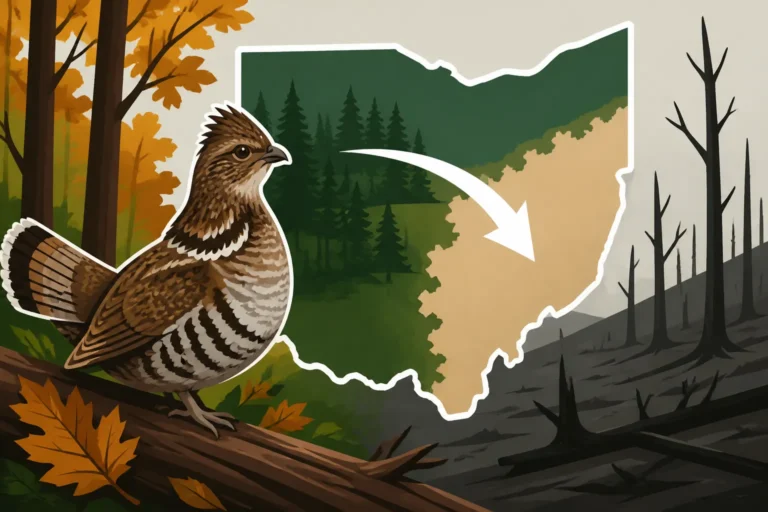
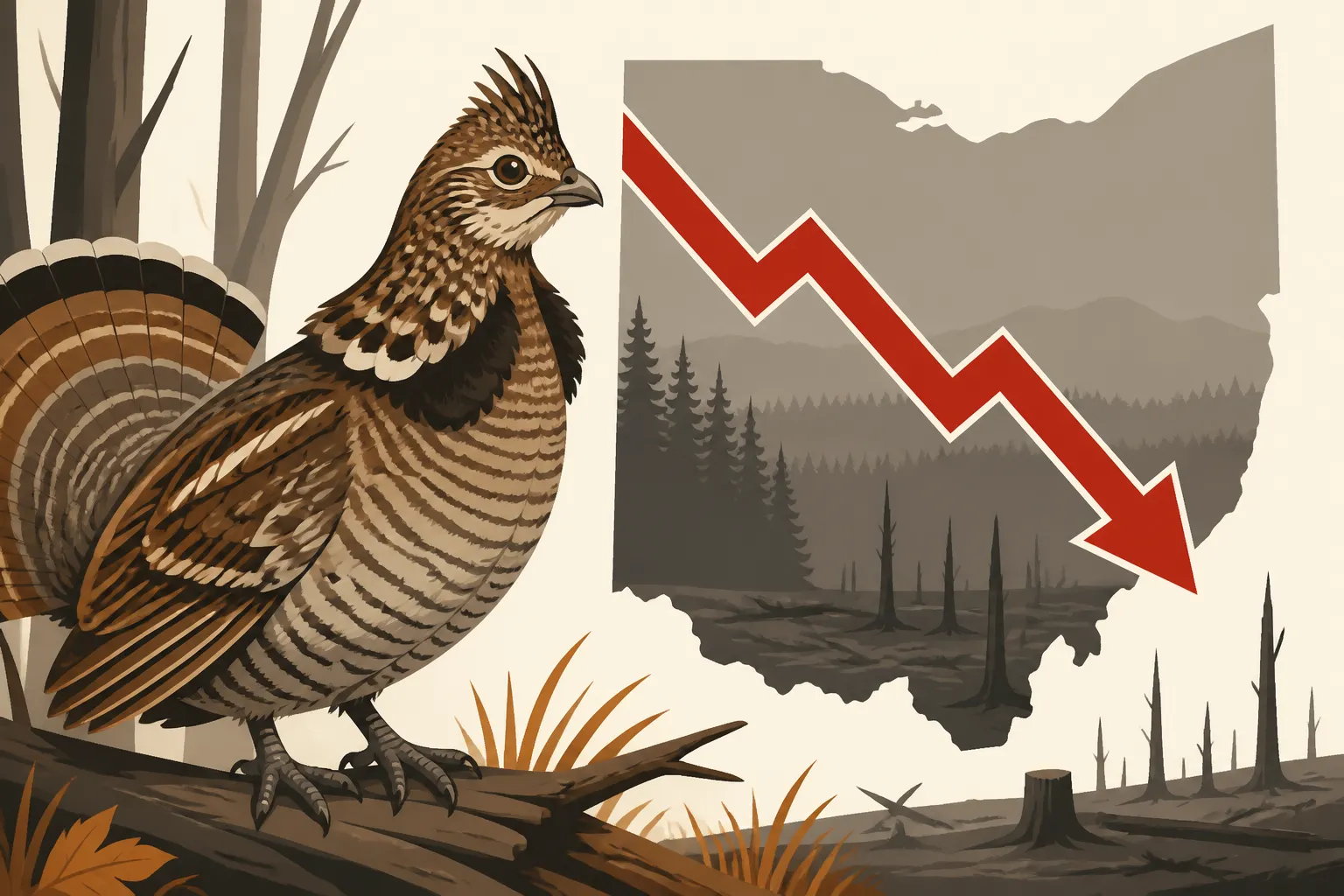
Fast forward to today, and the picture is dramatically different, almost to the point of disbelief for those who remember the past. The drumming of a ruffed grouse, once a common spring sound, is now a rare occurrence, sought out by dedicated researchers rather than simply enjoyed by anyone walking in the woods. While specific statewide population numbers can be elusive for such a cryptic species, what we do have indicates a precipitous drop. Ohio's ruffed grouse populations have declined by an estimated 80-90% over the last few decades, mirroring trends seen in other parts of their eastern range.
Consider the annual hunter harvest reports: decades ago, thousands of grouse were harvested annually. Today, those numbers are in the single digits or low double digits, often representing incidental takes or highly targeted efforts in the few remaining strongholds. For most of Ohio, particularly the central and western counties, the ruffed grouse is functionally extirpated. Even in the historically productive southeastern counties, finding a grouse now requires immense effort, deep woods penetration, and often, a hefty dose of luck. The statistics paint a grim picture, validating the heartbreak many hunters feel as they realize the traditional pursuit of these magnificent birds is fading into memory. To understand the scale of this loss, it's worth looking at Ohio Ruffed Grouse Numbers Today, which clearly illustrates the dramatic shift in their prevalence.
Unpacking the Primary Causes of Decline
The reasons behind the alarming decline of ruffed grouse in Ohio are complex, a perfect storm of environmental shifts and biological challenges that have created an incredibly difficult situation for this once-thriving species. It’s not just one factor, but a combination of forces working against them.
Habitat Loss and Fragmentation
This is arguably the most significant driver behind the grouse's vanishing act. Ruffed grouse are highly specialized birds; they absolutely depend on young, dense forest habitat, often referred to as early successional forest. This means areas that have been recently clear-cut, logged, or disturbed by fire or severe weather, and are now regenerating with a thick understory of saplings, shrubs, and brush. This type of habitat provides critical cover from predators, nesting sites, and a diverse food supply of buds, catkins, and insects.
The problem in Ohio, and indeed much of the eastern U.S., is that our forests have aged. We've seen a dramatic decrease in the kind of aggressive timber management and natural disturbances that historically created these vital young stands. For decades, the public perception of "healthy" forest management leaned towards preserving mature, old-growth timber, which, while beneficial for some species, is devastating for grouse. As forests mature, the understory thins out, allowing predators easier access and eliminating the dense cover grouse need to survive. Instead of a mosaic of different-aged forest stands, we often have vast tracts of mature, closed-canopy woods that, from a grouse perspective, are biological deserts. Add to this the continued pressure of urban sprawl and agricultural expansion, which further fragments the remaining forested areas, making it harder for grouse to disperse and find suitable mates. This is particularly noticeable in regions that were once prime grouse country, like parts of Appalachian Ohio, where development and changing forestry practices have altered the landscape irrevocably. For a deeper dive into this specific issue, you can explore Habitat Loss Behind Ohio's Grouse Decline.
West Nile Virus: A Silent Killer
As if habitat challenges weren't enough, the emergence and spread of West Nile Virus (WNV) delivered a devastating blow to already struggling grouse populations. WNV, transmitted by mosquitoes, arrived in Ohio in the early 2000s and has since been identified as a major factor in grouse mortality. Unlike some other bird species that can develop immunity or recover, ruffed grouse appear to be particularly susceptible to the virus, often succumbing to infection even at low viral loads.
The insidious nature of WNV is that it's a silent killer, often going unnoticed by the average person, yet its impact on grouse has been profound. Studies have shown a strong correlation between WNV prevalence and grouse population declines, especially in areas where habitat was already suboptimal. The virus weakens the birds, making them more vulnerable to predators or environmental stresses, and directly causes mortality. The frustration for wildlife managers and hunters alike is that there's no easy way to vaccinate wild grouse or control mosquito populations over vast forested landscapes. This pathogen is a constant, unyielding pressure, making recovery even more challenging. It's a cruel twist of fate that a tiny mosquito can bring down the "King of Game Birds."
Increased Predation Pressures
While predation is a natural part of any ecosystem, when a prey species is already struggling due to habitat loss and disease, increased predator pressure can tip the balance towards rapid decline. Ohio's landscape supports healthy populations of various generalist predators, including coyotes, foxes, raccoons, opossums, and a variety of raptors like great horned owls and goshawks.
As grouse habitat becomes scarcer and more fragmented, the remaining grouse are often concentrated in smaller, isolated pockets. This makes them easier targets for predators. A thinning understory due to forest maturation also offers less concealment, leaving grouse more exposed during nesting, brooding, and even daily foraging. Furthermore, some predator populations, like coyotes, have expanded their range and density in Ohio over the decades. While they are simply filling their ecological niche, their combined impact on a vulnerable species like the ruffed grouse can be significant. It’s a complex dance of ecosystem dynamics, but for the grouse, it means another hurdle to overcome in an already uphill battle for survival.
The Role of Climate Change and Weather Patterns
While not always immediately obvious, the subtle yet significant shifts in Ohio’s climate and prevailing weather patterns also play a role in the ongoing struggle of our ruffed grouse populations. These changes don't act in isolation; rather, they often exacerbate existing challenges, making an already tough situation even harder for these sensitive birds.
Impact on Habitat Quality
Climate change can indirectly affect the quality and availability of grouse habitat. For example, altered precipitation patterns and temperature fluctuations can influence forest composition over time. While Ohio’s forests are generally resilient, changes in the growing season length or the frequency of extreme weather events could favor certain tree species over others, potentially altering the very understory components that grouse rely on for food and cover. A prolonged drought, for instance, might stress crucial mast-producing trees, impacting food availability for grouse and many other woodland creatures.
Furthermore, changes in weather can also affect insect populations, which are a vital protein source for grouse chicks during their critical early weeks. If insect hatches are out of sync with grouse nesting, it can lead to lower chick survival rates. This isn't about massive, immediate changes, but rather a slow, creeping shift in the ecological fabric that makes it incrementally harder for a specialized species like the ruffed grouse to find suitable conditions year after year. The overall effect is a subtle degradation of habitat quality that adds another layer of stress to their existence.
Exacerbating Disease Spread
Perhaps one of the more direct ways climate change impacts grouse is by potentially extending the transmission window for diseases like West Nile Virus. Warmer average temperatures, especially during winter months, can lead to longer mosquito breeding seasons. If mosquitoes are active for more months out of the year, it increases the period during which WNV can be transmitted, thereby increasing the exposure risk for grouse.
Consider a mild winter followed by a warm, wet spring; these conditions are ideal for mosquito proliferation. More mosquitoes mean a greater chance of WNV transmission, especially in vulnerable populations. This cyclical feedback loop is particularly concerning because, as we discussed, WNV is already a significant mortality factor for grouse. Any environmental change that enhances the conditions for disease vectors to thrive essentially tightens the noose on species that are highly susceptible. The added stress of adapting to these changing patterns further depletes the energy reserves of individual birds, making them less resilient to other environmental pressures and disease.
What Does This Mean for Ohio Hunters?
For generations of Ohio hunters, the ruffed grouse was a symbol of wildness, challenge, and the untamed beauty of our eastern forests. Its decline isn't just an ecological statistic; it's a loss of heritage, a void in the hunting experience that many of us feel deeply.
Restricted Seasons and Bag Limits
The most tangible impact on hunters has been the dramatic curtailment, and in some areas, the complete closure, of grouse hunting seasons. For many years, Ohio's ruffed grouse season stretched for several months with a modest daily bag limit. However, as populations plummeted, the Ohio Department of Natural Resources (ODNR) was faced with the difficult decision to protect the remaining birds. Over time, bag limits were reduced, and season lengths were shortened, particularly in the later part of the season when birds are most vulnerable.
In recent years, the season has become incredibly restrictive, often limited to just a few weeks in the fall, or even closed entirely in counties where populations are deemed too low to sustain any harvest pressure. This isn't because hunters are the primary cause of decline—far from it—but rather a necessary step to remove any additional stress on a species struggling for survival. For hunters who remember chasing grouse from October through January, these restrictions are a stark and painful reminder of how dire the situation has become. It’s a testament to the difficult choices wildlife agencies must make when faced with such profound ecological challenges. Attempting to go Flushing Grouse in Southeast Ohio Hollows these days is often an exercise in futility due to these restrictions and the low numbers.
The Near Absence of the "King of Game Birds"
Beyond the regulations, the most profound impact is simply the sheer rarity of encountering a ruffed grouse in Ohio today. For younger hunters, the idea of pursuing grouse here can seem like a romantic notion from a bygone era. For seasoned veterans, the quiet woods where grouse once erupted now echo with a profound sense of loss. The thrill of a grouse flush, the challenge of a snap shot through dense cover, the camaraderie of hunting with a good bird dog—these experiences have largely vanished from the Ohio landscape.
It's heartbreaking to walk through what you remember as prime grouse cover only to find it silent, devoid of the birds that once called it home. This absence means that an entire generation of Ohio hunters may never know the unique joy of a legitimate ruffed grouse hunt in their home state. While there might be a few isolated pockets where a dedicated hunter might still find a bird, these are often the exception, not the rule, and certainly not enough to support a traditional hunting culture. Hunting these areas often means venturing into truly rugged terrain, and mapping tools like those offered by GoHunt can be invaluable for identifying potential remote pockets, even if the odds of finding a bird remain slim.
Shifting Focus to Other Upland Species
As grouse numbers dwindled, many upland hunters in Ohio have naturally shifted their focus to other small game species that are still relatively abundant. Rabbits and squirrels, while offering a different type of hunting experience, provide opportunities to get out into the fields and woods and pursue game. Rabbit hunting, especially with beagles, remains a popular tradition, and squirrel hunting in Ohio's vast oak and hickory forests is a perennial favorite for many, including those who enjoy Squirrel Hunting Ohio Hardwoods.
This shift highlights the resilience of the hunting community and the importance of diversifying one's pursuits. While grouse may be gone, the passion for upland hunting and conservation remains. Many hunters who once targeted grouse now spend their time chasing Rabbit and Upland Bird Hunting in Ohio, recognizing the importance of maintaining healthy populations of these species as well. The lessons learned from the grouse's decline, particularly concerning habitat needs, are now being applied to benefit other small game, ensuring that the legacy of upland hunting in Ohio continues, albeit in a different form. You can read more about these other species in Ohio's Squirrel and Rabbit Populations.
Conservation Efforts and Hope for the Future
Despite the grim reality of ruffed grouse numbers, there are dedicated individuals and organizations working tirelessly to understand the decline and, where possible, implement strategies to reverse the trend. While a full recovery to historical levels may be a long shot, these efforts offer a glimmer of hope.
ODNR's Habitat Initiatives
The Ohio Department of Natural Resources (ODNR) is acutely aware of the grouse's plight and has, for many years, worked with conservation partners to address habitat deficiencies. A primary focus has been on creating and maintaining early successional forest habitat, which is the lifeblood of ruffed grouse. This involves managing public lands like Ohio Wildlife Areas and state forests such as Zaleski and Tar Hollow. Initiatives often include carefully planned timber harvests, which, counterintuitively to some, are crucial for regenerating the young, dense stands that grouse need. These harvests are often rotational, ensuring a continuous supply of diverse age-class forests.
Partnerships with organizations like the Ruffed Grouse Society and American Woodcock Society are vital. These groups bring expertise, funding, and advocacy to the table, helping to identify critical areas for habitat work and implement projects. For instance, in areas like the Athens and Ironton units of Wayne National Forest and specific state forests like Zaleski State Forest Hunting and Tar Hollow State Forest Hunting, efforts are made to create "habitat blocks" of young forest. This often involves clear-cuts, followed by practices that promote the regeneration of diverse woody vegetation, creating the dense cover and food sources essential for grouse survival. It's an ongoing, uphill battle, but one that wildlife managers are committed to, recognizing the importance of proactive forest management for a myriad of wildlife species. A deeper understanding of this issue is provided in Habitat Loss Behind Ohio's Grouse Decline.
Research and Monitoring
Understanding why the grouse are declining is paramount, and extensive research and monitoring efforts are underway. Wildlife biologists are continuously studying grouse populations, habitat use, and disease prevalence. This includes conducting drumming surveys in the spring to estimate breeding populations, tracking individual birds, and studying the impact of West Nile Virus. For example, some research involves testing grouse carcasses for WNV to better understand its impact on different age classes and across various regions.
These scientific studies are crucial because they provide the data needed to inform effective conservation strategies. Without a clear understanding of the threats and population dynamics, management efforts would be shots in the dark. The ODNR also partners with universities and other research institutions to conduct long-term studies, analyzing genetic diversity, survival rates, and the efficacy of different habitat management techniques. This commitment to data-driven decision-making is fundamental to any potential recovery efforts for grouse, as it helps prioritize resources and focus interventions where they can have the most impact.
The "GoHunt" Connection: Finding and Supporting Conservation
In the modern age, tools and platforms that connect hunters with resources and foster a sense of community around conservation are more important than ever. While Ohio's Declining Ruffed Grouse Range is sobering, resources like GoHunt can play a unique role in both informing hunters and supporting conservation efforts. This platform, known for its extensive mapping capabilities and detailed unit information, could potentially highlight specific public land areas in Ohio where habitat improvements for upland game, including grouse, are actively being implemented. While GoHunt is more widely recognized for its western big game focus, its underlying mapping and data aggregation technology holds promise for showcasing conservation projects in eastern states as well.
Imagine being able to log onto GoHunt and find layers that indicate recent timber harvests or early successional habitat projects within, say, the Hunting Southeast Ohio Appalachian Foothills region, giving hunters a better understanding of where management efforts are concentrated. This doesn't guarantee grouse, of course, but it empowers hunters to understand the landscape and potentially discover areas managed for upland species. Furthermore, platforms like GoHunt often connect users to broader conservation initiatives, providing avenues to learn about and support organizations like the Ruffed Grouse Society, which are on the front lines of habitat restoration. By fostering awareness and facilitating access to information, GoHunt could indirectly contribute to the ongoing conversation and support for critical habitat work.
What Hunters Can Do to Help
For those of us who lament the decline of ruffed grouse in Ohio, it’s easy to feel helpless. However, even with the immense challenges, hunters can play a vital role in supporting conservation efforts and advocating for the future of upland game.
Advocacy for Active Forest Management
One of the most impactful things hunters can do is to become vocal advocates for active forest management. There's often a misconception that "preserving" forests means leaving them untouched, allowing them to grow into mature, old-growth stands. While old-growth forests have their own ecological value, they are not beneficial for grouse. Ruffed grouse thrive in the messy, tangled regrowth of young forests. This often means supporting responsible timber harvesting, which, when done correctly, creates the dense, early successional habitat that grouse and many other wildlife species desperately need.
Hunters should educate themselves and others about the ecological benefits of disturbance-based forestry, fire management, and other habitat regeneration techniques. Joining and supporting organizations like the Ruffed Grouse Society, which specifically champions this type of habitat work, is also crucial. These organizations provide a collective voice that can influence policy decisions on public lands and educate private landowners about beneficial practices. Your voice, when combined with others, can help ensure that wildlife managers have the support and resources to implement necessary habitat projects, particularly in Which Ohio Counties Still Hold Grouse.
Supporting Research and Monitoring
Understanding the precise reasons for grouse decline and tracking population trends requires ongoing research and monitoring, which is often costly. Hunters can contribute by financially supporting wildlife research programs through donations to conservation organizations or by participating in citizen science initiatives. This might include reporting grouse sightings, participating in drumming surveys if offered, or providing biological samples (like feathers from incidentally found birds) to researchers.
Every bit of data helps paint a clearer picture of what's happening on the ground. When you buy your hunting license and permits, a portion of those funds goes directly to wildlife management and research in Ohio, so simply continuing to buy your licenses is a form of support. Furthermore, platforms like GoHunt sometimes offer features or partnerships that allow users to donate directly to conservation funds or specific research projects, making it easier for hunters to channel their passion into meaningful support for threatened species.
Respecting the Season and Bag Limits
While hunter harvest is not considered a primary driver of the grouse's decline, especially given the current low numbers, it is still critically important to respect and adhere to all hunting regulations. This means meticulously checking the current Ohio hunting regulations for ruffed grouse each year, understanding the extremely limited season dates, and abiding by the strict, often reduced, bag limits.
Ethical hunting practices are always paramount, but they take on even greater significance when a species is as vulnerable as the ruffed grouse in Ohio. The regulations are put in place by wildlife biologists who have the most current data on population health. Even if you're lucky enough to find one of the rare birds, making sure you're hunting legally and responsibly demonstrates a commitment to conservation and respect for the wildlife we cherish. For those who do venture out, remembering the odds are stacked against you, and focusing on the experience of being in the wild, is perhaps the most realistic approach to hunting grouse in Ohio today.
| Factor Contributing to Grouse Decline | Impact on Grouse Population | Relative Severity in Ohio | Mitigation Efforts |
|---|---|---|---|
| Habitat Loss | Reduced cover, food, nesting sites, increased predation risk | High | Active forest management (timber harvest, prescribed burns), creating early successional habitat. |
| West Nile Virus (WNV) | Direct mortality, increased vulnerability to other stressors | High | Research into WNV resistance, limited direct mitigation in wild populations. |
| Predation | Direct mortality, especially on vulnerable populations | Moderate (exacerbated by habitat loss) | Habitat restoration to provide better cover, managing predator populations where appropriate (complex issue). |
| Climate/Weather Shifts | Extended WNV transmission, altered food/cover (indirect) | Moderate | Broad climate change mitigation, local habitat resilience building. |
Disclaimer
Please remember that hunting regulations, wildlife populations, and disease statuses can change rapidly. Always consult the official Ohio Department of Natural Resources (ODNR) website or the current Hunting & Trapping Regulations booklet before planning any hunting trip to ensure you have the most up-to-date and accurate information. This guide is for informational purposes only and should not be considered a substitute for official legal and regulatory guidance.