Blind Bags and Cold-Weather Gear
There's nothing quite like the sting of an Ohio winter wind or the bone-chilling dampness of a duck marsh to remind you just how unprepared you are for the elements. Many hunters, myself included, have learned the hard way that a successful day afield isn't just about finding game, but about being comfortable enough to stay out there when the conditions turn nasty. This guide will walk you through the often-overlooked essentials of blind bags and cold-weather gear, ensuring your next hunting trip in Ohio is productive and, more importantly, enjoyable.
The Indispensable Blind Bag: Your Field Command Center
Imagine this: you've woken up before dawn, layered up, and hiked into your spot in the freezing dark. You get settled, and then realize your calls are buried at the bottom of a duffel bag, your flashlight is missing, and your thermos is leaking. Sound familiar? A quality blind bag isn't just another piece of luggage; it's a strategically designed mobile command center that keeps your vital gear organized, protected, and instantly accessible, even when your fingers are numb and visibility is low.
Organization and Protection in the Field
The primary role of a good blind bag is organization. These aren't just glorified backpacks; they feature specialized pockets, dividers, and compartments designed for the unique tools hunters carry. Think about those crucial items: extra shells, calls, a rangefinder, snacks, a thermos of hot coffee, a headlamp, and maybe even a small first-aid kit. When you're sitting in a layout blind in a cut cornfield or tucked into some thick cattails waiting for the morning flight, fumbling for gear wastes precious moments and can spook wary game. A well-organized bag means everything has its place.
Beyond organization, protection is paramount. Ohio's weather can be notoriously unpredictable. A sunny autumn morning can quickly turn into a torrential downpour or a swirling snowstorm. Most quality blind bags are constructed from durable, water-resistant, or even waterproof materials, often with reinforced bottoms to keep your contents dry when placed on wet ground or in shallow water. This isn't just about comfort; it's about protecting expensive electronics like rangefinders or even your hunting license and permits, which you might store in a sealed internal pocket. Trust me, finding your Ohio Hunter Education Requirements card soggy and illegible is not a fun way to start your day.
Quick Access and Portability
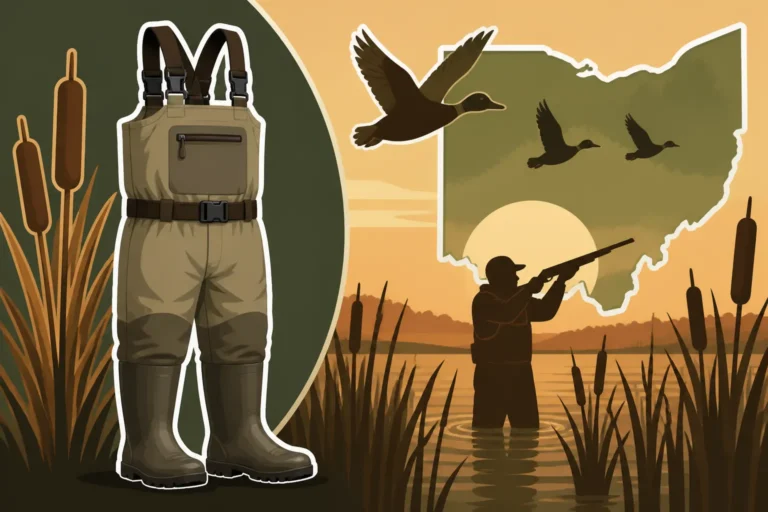
In many hunting scenarios, particularly waterfowl, quick access to specific items is non-negotiable. A good blind bag anticipates this need with exterior pockets for frequently used items like calls, a choke tube wrench, or even an extra pair of gloves. Imagine a flock of mallards circling, and you need to grab your duck call now. Fumbling inside a main compartment could mean the difference between birds in the decoys and birds flaring away. The best bags allow you to reach in, grab what you need, and put it back without ever taking your eyes off the sky or disturbing your concealment.
Portability is another key feature. While some bags are designed to sit stationary in a boat or blind, many offer comfortable shoulder straps or handles for easy transport. Whether you're carrying it a quarter-mile to your favorite marsh spot or loading it onto an ATV for a deep woods deer hunt, the ability to carry your gear efficiently is vital. Many feature robust zippers that are easy to operate even with gloved hands, and sturdy buckles that can withstand repeated use and harsh conditions. Some bags even have a hard-bottom design that makes them stand upright, preventing them from tipping over and spilling contents when you set them down in challenging terrain.
Layering Up: Your Defense Against Ohio's Winter Chill
Ohio winters are no joke. From the biting winds off Lake Erie to the damp, penetrating cold of a December deer stand in the Appalachian foothills, staying warm is a constant battle. The secret isn't one thick, bulky coat, but a system of layers that can be adjusted to your activity level and the changing conditions. This approach traps warm air, wicks away moisture, and provides versatile protection.
Base Layers: Wicking Away the Chill
The base layer is the foundation of your cold-weather system and arguably the most important. Its primary job is to wick moisture (sweat) away from your skin. When sweat cools on your skin, it draws heat away from your body, making you feel much colder, even in mild temperatures. Cotton is the absolute enemy here; it absorbs moisture and holds it against your skin. Instead, you want materials that excel at moving that moisture away.
Synthetic fabrics like polyester or polypropylene are excellent choices for base layers. They are lightweight, dry quickly, and retain some insulating properties even when damp. Merino wool is another fantastic option, often preferred for its natural odor-resistant qualities and its ability to keep you warm even if it gets a little wet. Whether you're hiking into your spot or sitting still for hours in a Cold-Weather Sitting Strategy in Ohio during muzzleloader season, a good base layer will keep you dry and regulate your core temperature, making all the difference in your comfort and endurance.
Mid Layers: Insulating for Warmth
Once your base layer is taking care of moisture, the mid-layer's job is pure insulation. This is where you trap warm air close to your body. Depending on how cold it is and how active you plan to be, you might use one or multiple mid-layers. Fleece is a classic choice for a mid-layer. It's relatively lightweight, breathes well, and provides excellent warmth. Different weights of fleece allow for versatility; a thin fleece vest might be enough on a brisk autumn day, while a heavy fleece jacket is essential when the mercury truly plunges.
Other effective mid-layer materials include down, which offers incredible warmth-to-weight ratio, though it loses most of its insulating power when wet. Synthetic insulations are often a better choice for damp Ohio conditions as they continue to insulate even if they get a little damp. A good mid-layer should fit comfortably over your base layer without being too restrictive, allowing for a full range of motion while drawing bow or shouldering a shotgun. This is where you really start to feel that cocoon of warmth building up around you, crucial for those long, still sits.
Outer Shells: Protection from the Elements
The outer shell is your shield against wind, rain, and snow. Its main functions are to block the elements and provide durable protection for your inner layers. For serious cold-weather hunting in Ohio, you'll want a shell that is both waterproof and windproof. Materials like Gore-Tex or similar proprietary membranes are designed to block external moisture while still allowing internal moisture (vapor from your sweat) to escape, preventing you from getting clammy inside.
A good outer shell should also be quiet. Rustling fabric can easily spook game, especially in the hushed environment of a snowy forest. Look for shells with brushed fabrics or those specifically designed for hunting, which prioritize stealth. Features like adjustable cuffs, drawstrings at the waist and hood, and generous pockets are all practical considerations. When you're facing down a brutal north wind while Hunting the Second Gun Weekend in December, your outer shell is the last line of defense keeping that warmth you've carefully built up inside from being stripped away.
Layering Material Comparison
Understanding the pros and cons of different materials can help you make informed decisions for your Ohio hunting adventures.
| Material Type | Pros | Cons | Best Use Case |
|---|---|---|---|
| Merino Wool | Excellent warmth even when damp, odor-resistant, breathable, quiet | More expensive, can be slower to dry than synthetics | Base layers, mid-layers for varied activity levels |
| Synthetics | Dries quickly, affordable, durable, insulates when damp | Can retain odors, not as quiet as wool (some types) | Base layers, mid-layers, outer shells |
| Fleece | Good warmth-to-weight, breathable, comfortable | Not windproof, poor water resistance | Mid-layers for active hunting, mild to moderate cold |
| Down | Superior warmth-to-weight, highly compressible | Extremely poor insulation when wet, expensive | Mid-layers for very cold, dry conditions, stationary |
| Waterproof/Breathable Membranes | Fully waterproof and windproof, allows sweat vapor to escape | Can be expensive, may be less breathable during high exertion | Outer shells for all-weather protection |
Beyond the Basics: Specialized Cold-Weather Gear
While layering forms the core of your cold-weather defense, specific accessories are crucial for maintaining comfort and functionality when the temperatures drop. Ignoring these details can lead to misery or even dangerous situations.
Headwear and Neck Protection
You lose a significant amount of body heat through your head and neck. A warm hat, preferably one that covers your ears, is non-negotiable. Fleece beanies, wool caps, or insulated hunting hats with ear flaps are excellent choices. For added protection, a neck gaiter or balaclava can seal off any gaps between your hat and collar, preventing cold air from seeping in and covering exposed skin. When the wind is howling on a ridgeline, that extra bit of coverage around your face and neck can make all the difference, especially if you're trying to glass a distant field or use your GoHunt app to check property lines.
Consider options that are specifically designed for hunting, meaning they are quiet and come in camouflage patterns or blaze orange/pink where required. For stationary hunting, a thick, insulated trapper hat can provide immense comfort. For more active pursuits like Squirrel Hunting Ohio Hardwoods in late season, a breathable beanie that still offers warmth might be more appropriate.
Hand Protection
Numb fingers are not just uncomfortable; they can compromise your ability to operate firearms, tie knots, or even get your license out. The key to hand protection is often a combination approach. Start with a thin, flexible glove liner that offers some warmth and dexterity. Over this, you can wear a heavier, insulated glove or a mitten. Mittens generally offer more warmth than gloves because your fingers share body heat, but they sacrifice dexterity.
For situations requiring fine motor skills, like loading a muzzleloader in January or operating a rangefinder, flip-top mittens or gloves with magnets that hold the thumb and finger flaps back are incredibly useful. Don't forget chemical hand warmers for those truly frigid days; they can be slipped into pockets or directly into your gloves to provide a welcome boost of heat. Having a backup pair of dry gloves in your blind bag is also a smart move, especially if you're dealing with wet conditions common when Hunting the Lake Erie Marsh Zone Waterfowl.
Insulated Footwear and Socks
Cold, wet feet are a quick route to misery. Your footwear needs to be waterproof, insulated, and comfortable for walking. Rubber boots, often insulated with neoprene or Thinsulate, are excellent for wet, muddy conditions like those found in Ohio's farmlands or marshes. For drier, colder environments, high-quality leather or synthetic hunting boots with waterproof membranes and substantial insulation are ideal. When selecting insulation levels, remember that more insulation generally means less dexterity and a heavier boot, so choose based on your anticipated activity level and temperature.
Just like with your body, layering applies to your feet. Start with a thin liner sock made of synthetic material to wick away moisture. Over this, wear a thicker, insulated wool or synthetic sock. Again, avoid cotton at all costs! Ensure your boots are sized appropriately to accommodate these layers without being too tight, which can restrict circulation and actually make your feet colder. Having dry feet is paramount for long days afield, and a good pair of Insulated Boots for All-Day Sits will make a world of difference.
Packing Smart: What Goes in Your Blind Bag and Why
What you pack in your blind bag should be tailored to the specific hunt, but there are some core principles that always apply: essentials first, then comfort items, and finally, specialized gear. A well-packed bag is an organized bag, ready for anything Ohio throws at you.
Core Essentials for Every Hunt
Regardless of whether you're chasing deer or ducks, some items are universally essential for safety and basic functionality. These should always be in your bag, or at least easily transferable between bags.
- First-Aid Kit: A small, well-stocked kit for minor injuries is crucial. Think bandages, antiseptic wipes, pain relievers, and any personal medications. Accidents happen, especially when you're in remote areas like those found within Wayne National Forest Hunting.
- Navigation Tools: A reliable GPS unit, a compass and map, or a fully charged smartphone with a hunting app like GoHunt are critical. Even if you think you know the area, conditions can change, and getting disoriented is easy in unfamiliar terrain or dense cover.
- Flashlight/Headlamp: You'll be setting up and breaking down in the dark during many seasons. A headlamp keeps your hands free, which is invaluable. Always carry extra batteries.
- Knife/Multi-tool: Indispensable for a myriad of tasks, from field dressing to gear repair.
- Water and Snacks: Staying hydrated and fueled is important for maintaining focus and body temperature, especially in the cold.
- Licenses and Permits: Make sure your Ohio Resident Hunting License Options and deer permits are easily accessible and protected from the elements.
Specialized Gear for Waterfowl Hunting
Waterfowl hunting often demands a very specific set of gear due to the wet, cold, and often physically demanding nature of the pursuit. Your blind bag becomes an extension of your duck boat or layout blind.
- Extra Ammunition: Waterfowl hunting can be fast-paced, and you'll often burn through shells more quickly than other hunting types.
- Calls: A variety of duck and goose calls, along with lanyards to keep them organized.
- Choke Tubes and Wrench: Different chokes can be critical depending on the shot distance and conditions.
- Thermos with Hot Beverages/Soup: Nothing warms the soul quite like a hot drink on a frigid morning in the marsh.
- Hand Warmers: Absolutely essential for keeping fingers nimble for calling and shooting.
- Binoculars: For identifying distant birds and scouting.
- Drying Towel: For wiping down wet hands, calls, or even your gun.
- Dog Stand/Vest: If you hunt with a retriever, these are crucial for their comfort and safety. Layout Blind Hunting Ohio Farm Fields or Hunting Lake Erie Marsh Zone Waterfowl demands specific preparation.
Essential Gear for Cold-Weather Deer Hunting
When deer hunting in cold weather, stealth and comfort for long periods of inactivity are paramount. Your blind bag needs to support these needs.
- Rangefinder: For precise shot placement, especially with a straight-wall rifle or crossbow.
- Grunt Tube/Rattling Antlers: For calling in bucks during the rut. See Rattling and Grunting in Ohio for more tactics.
- Thermal/Insulated Seat Pad: To prevent cold from seeping into your body from a tree stand or ground blind.
- Extra Layers: A spare fleece jacket or a down vest can be a lifesaver if the temperature drops unexpectedly or you get colder than anticipated.
- Hand and Foot Warmers: Again, critical for extended sits.
- Binoculars (Lower Power): Often useful for scanning thick timber. Optics for Appalachian Ohio Ridges has more information.
- Wind Checker: A small bottle of powder or thread to check wind direction and thermals.
- Snacks and Thermos: Keep your energy and core temperature up.
Ultimately, the best blind bag and cold-weather gear setup is one that you've thought through and tested in the field. Don't wait until opening day to discover your gear isn't up to snuff. Take the time to assemble your kit, practice with it, and make adjustments based on your specific hunting style and the ever-changing Ohio weather.
Disclaimer
This article is for general informational purposes only and does not constitute professional advice. Laws, prices and regulations vary by location and change over time. Consult a qualified professional for guidance on your specific situation.