Hunting the Maumee Bay Marshes
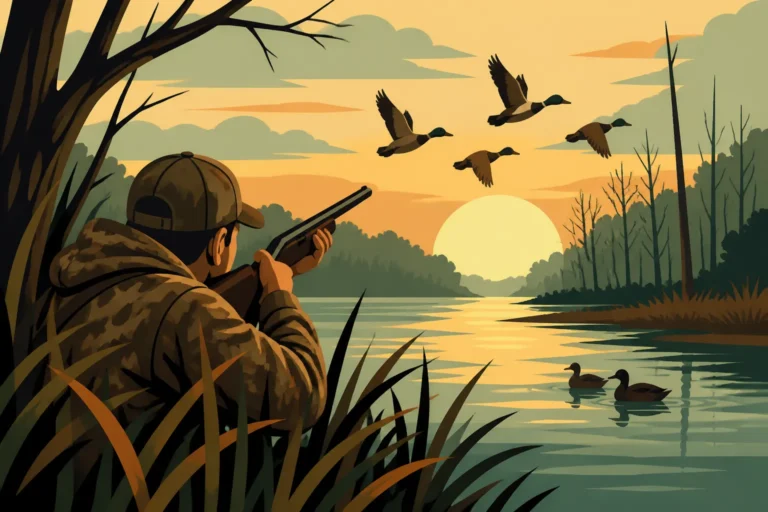
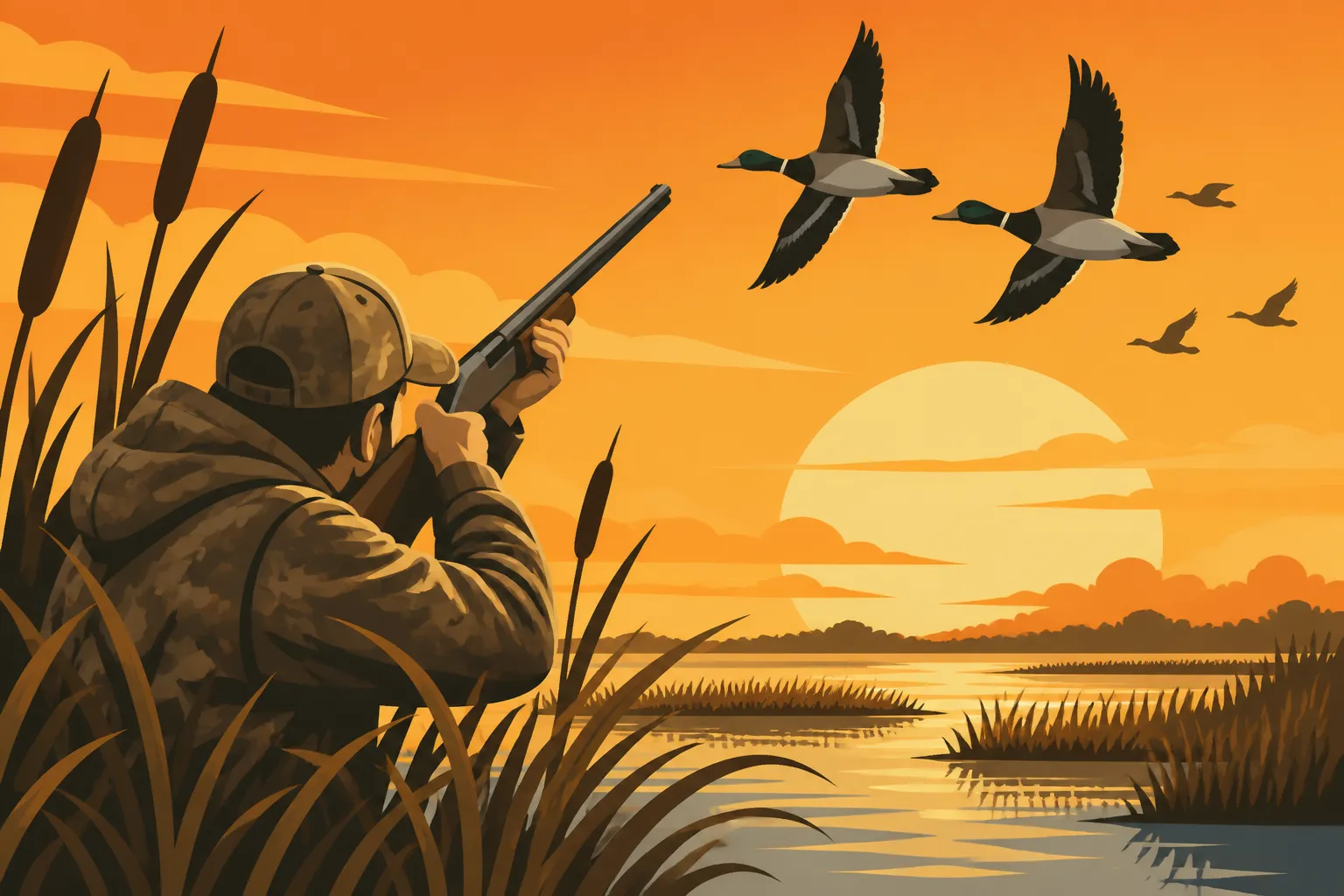
For many Ohio waterfowl hunters, the thought of chasing ducks and geese conjures images of frigid mornings, honking calls echoing across the water, and the unique challenge of hunting some of the state's most coveted wetlands. But if you’ve ever tried to plan a hunt in the vast, often complex Maumee Bay marshes, you know it can feel like trying to solve a puzzle with a thousand moving pieces. This guide is here to untangle that complexity, providing you with a deep dive into successful strategies, essential gear, and crucial knowledge for hunting the incredible Maumee Bay region.
Understanding the Maumee Bay Marshes
The Maumee Bay region, located at the western end of Lake Erie, is not just any marshland; it's a vital, dynamic ecosystem that serves as a critical stopover and wintering ground for millions of migratory waterfowl. This unique environment offers some of the most exciting, yet challenging, waterfowl hunting opportunities in Ohio.
Unique Ecology and Habitat of Maumee Bay
The Maumee Bay marshes are a sprawling network of emergent wetlands, shallow open water, and vast cattail and phragmites stands, all heavily influenced by the ebb and flow of Lake Erie itself. This isn't your typical isolated pothole; it's a massive, interconnected system. The substrate is often soft, muddy, and silty, rich in nutrients that fuel an explosion of aquatic vegetation. You'll find extensive beds of submerged plants like sago pondweed, wild celery, and coontail, which are absolute magnets for dabbling ducks like mallards, teal, and wigeon. The dense stands of emergent vegetation, particularly cattails and the invasive phragmites, provide crucial cover for loafing birds, nesting areas, and excellent concealment for hunters.
Water levels here are highly variable, dictated not just by rainfall but significantly by Lake Erie's seiches – wind-driven surges that can drastically change water depths within hours. A spot that was knee-deep at dawn might be dry by noon or chest-deep by evening, making constant vigilance and adaptable tactics a necessity. This incredible diversity of habitat, from open water to dense vegetation, is precisely what makes the Maumee Bay area so attractive to such a wide array of waterfowl. It’s a truly rich environment, and understanding its changing nature is the first step to success.
Key Waterfowl Species and Migration Patterns
The Maumee Bay sits squarely within the Mississippi Flyway, a major migratory route for birds heading south from their northern breeding grounds. This strategic location, combined with the bountiful food sources and protected resting areas, means the bay is a bustling hub for waterfowl from early fall through late winter. You're not just hoping for a few birds; you're hunting an aerial highway.
Early season hunts often see good numbers of local birds and early migrants like blue-winged teal, wood ducks, and resident Canada geese. As the season progresses and colder weather pushes down from Canada, the variety and sheer volume of birds explode. You'll encounter a mix of dabbling ducks, including impressive flights of mallards, gadwall, and pintails. But what truly sets Maumee Bay apart is its attraction for diving ducks. Canvasbacks, redheads, scaup, and buffleheads flock to the deeper, open water sections of the bay and nearby Lake Erie, feeding on mollusks and other aquatic invertebrates. For a comprehensive look at the overall waterfowl picture, check out our guide on Ohio Waterfowl Hunting on Lake Erie and Inland.
The migration peaks typically in October and November for ducks, with goose numbers often holding strong well into December and January, especially if major cold fronts haven't completely frozen over the larger bay areas. Understanding these general patterns, and then watching current weather and bird reports, is absolutely essential. A good scouting app like GoHunt can show you satellite imagery that reveals open water, marsh pockets, and potential flight paths, helping you anticipate where birds might stage.
Navigating Public Access and Regulations
Hunting the Maumee Bay marshes isn't as simple as just showing up with a shotgun. Much of the prime hunting ground is carefully managed, often requiring special permits or adherence to specific access rules. Knowing where you can go and how to get there legally is paramount.
Ohio Division of Wildlife Areas in Maumee Bay
The Ohio Department of Natural Resources (ODNR) manages several critical wildlife areas within the Maumee Bay region, offering public hunting opportunities that are highly sought after. These areas include renowned spots like Magee Marsh Wildlife Area and Metzger Marsh Wildlife Area. These aren't walk-in, free-for-all areas; they operate under controlled hunting programs, typically involving a lottery system for specific dates and blinds. The demand is high, and drawing a desirable spot can take years of applying.
For instance, the Magee Marsh Area Waterfowl Access is famous for its quality hunts, but you'll need to apply well in advance through the ODNR's controlled hunt application system. These programs often feature designated blinds or zones, limiting the number of hunters and ensuring a quality experience while preventing overcrowding. It's a system designed to spread out the pressure and manage the resource effectively. Beyond these controlled areas, there are also general public access points, though they often require more effort to reach prime spots and can see higher hunter densities. Always consult the ODNR's website or the HuntFish Ohio app for the most current information on specific wildlife area regulations and application deadlines.
Essential Licenses, Stamps, and Zone Information
Before you even think about setting foot in the Maumee Bay marsh, make sure your paperwork is in order. Ohio has specific requirements for waterfowl hunters, and federal regulations add another layer of compliance. First and foremost, you'll need a valid Ohio hunting license. On top of that, if you're hunting migratory birds like ducks and geese, you must possess an Ohio Wetlands Habitat Stamp and a Federal Migratory Bird Hunting and Conservation Stamp (the "Federal Duck Stamp"). Don't forget your Harvest Information Program (HIP) certification, which is free but mandatory for all migratory bird hunters in Ohio. You can usually get this when you purchase your state license or online through the ODNR portal.
The Maumee Bay region falls within specific waterfowl zones. Previously, the area was part of the "Lake Erie Marsh Zone," but Ohio's waterfowl zones have seen some significant updates. You'll want to review Ohio's New Waterfowl Zone Map to confirm the exact boundaries and season dates for the specific area you plan to hunt, as season openers and bag limits can vary slightly between zones. For example, Lake Erie now sits within Zone B under the latest regulations, influencing the timing of duck and goose seasons compared to other parts of the state. Carrying physical copies or digital proof of all your licenses and stamps is crucial, as wildlife officers frequently check hunters in these highly regulated areas. Having everything in order makes for a stress-free experience.
Effective Hunting Tactics for Maumee Bay
The Maumee Bay marshes present a unique set of challenges and opportunities that demand specific tactics. It's not just about hiding and hoping; it's about understanding bird behavior, adapting to the environment, and deploying your gear strategically.
Decoy Spreads and Blind Strategies
Successfully luring waterfowl into range in the Maumee Bay often comes down to your decoy spread and how well you conceal yourself. Given the wide-open nature of many marsh sections and the wariness of pressured birds, realism and numbers can be key. For dabbling ducks in shallower waters, a mixed spread of mallards, pintails, and wigeon, placed in family groups with clear landing zones, usually works well. Consider adding motion decoys, like spinning wing decoys, on calm days to add crucial lifelike movement. For divers, especially in the more open bay or deeper pockets, you'll want to focus on lines or V-formations of canvasbacks, redheads, or scaup. Learn more about optimal placements in our guide on Decoy Spreads for Lake Erie Divers.
Concealment is non-negotiable. The marsh offers plenty of natural cover in the form of cattails and phragmites, but you often need to augment it. Layout blinds are excellent for low-profile hunting, especially on shallow mudflats or field edges adjacent to the marsh. When hunting from a boat, meticulously brush it in with local vegetation to break up its outline. Sometimes, simply standing in a dense cattail clump can be enough, but you must remain absolutely still. Remember, these birds have seen it all, and even the slightest unnatural movement or glint can send them veering away. Our article on Layout Blind Hunting Ohio Farm Fields offers some transferable tips for brushing in your blind, even in a marsh environment. A good scouting report from GoHunt can help identify natural cover density in specific areas, allowing you to plan your blind placement ahead of time.
Calling Techniques and Situational Awareness
Mastering the art of calling is vital, but it's not just about making noise; it's about speaking the birds' language and knowing when to be silent. In the Maumee Bay, where ducks and geese are often transitioning between resting, feeding, and flying to Lake Erie, your calls need to be authentic and responsive. For ducks, a range of calls from contented feed chuckles and soft quacks to aggressive hail calls is essential. Start with conservative calling, gauging the birds' reaction, and only increase the volume and intensity if they're showing interest. For Canada geese, deep clucks, honks, and greeting calls are standard.
However, calling is only part of the equation. Situational awareness is equally, if not more, important. Pay close attention to wind direction, the sun's position, and how birds are approaching. Are they flying high, looking for a safe landing? Are they coming in low, just over the cattails? Adjust your calling and positioning accordingly. Often, less is more, especially with wary birds. A few soft feed calls might be all it takes to convince a hesitant flock. Watch the birds, listen to the calls, and be ready to adapt instantly. The Maumee Bay marsh is a dynamic environment, and the best hunters are constantly reading the situation. For tips on observing bird behavior, our piece on Reading a Marsh for a Morning Flight might be helpful.
Gear Essentials for Maumee Bay Hunters
Hunting the Maumee Bay marshes demands specific gear to ensure comfort, safety, and success. This isn't a place for shortcuts. First and foremost, invest in good quality waders. You'll be spending a lot of time in shallow water, mud, and muck, and a leak will quickly ruin your hunt. Neoprene or breathable chest waders are essential, paired with insulated boots suitable for cold water. We dive into more detail on selecting proper footwear in Waders for Ohio Marsh Hunting.
Your shotgun should be reliable and capable of handling non-toxic shot, as lead shot is prohibited for waterfowl hunting across Ohio. A 12-gauge is standard, offering a good balance of payload and pattern density. For ammunition, choose high-quality non-toxic loads appropriate for the birds you're targeting. Steel shot is common and effective, but bismuth or tungsten-matrix options can offer superior performance, especially for longer shots or larger birds. Our guide on Waterfowl Loads for Lake Erie Divers can help you choose the right shells.
Beyond the basics, think about practicality: a sturdy blind bag to keep essentials dry, a reliable dog (if you hunt with one) equipped with a protective vest for cold water retrieves, and a durable game strap. A GPS device or a mapping app like the one offered by GoHunt is also invaluable for navigating the maze-like marsh channels, especially in low light or fog. The marsh can look very different going in than coming out.
Challenges and Considerations for Maumee Bay Hunting
While the Maumee Bay offers incredible opportunities, it's also a challenging environment that demands respect and careful preparation. Overlooking these factors can quickly turn a dream hunt into a miserable, or even dangerous, experience.
Weather Variability and Water Levels
Hunting the Maumee Bay means dealing with Lake Erie's influence, and that means unpredictable weather and rapidly changing water levels. A sunny, calm morning can quickly transform into a howling gale with driving rain or snow, and temperatures can plummet without warning. The vast, open expanse of the bay offers little shelter, so you need to be prepared for anything. Dressing in layers, with waterproof and windproof outer shells, is not optional; it's survival.
Perhaps even more impactful are the water level fluctuations. Strong winds from the west can push water out of the bay, leaving vast mudflats where you expected huntable water. Conversely, easterly winds can pile water into the bay, making areas previously accessible suddenly too deep to wade. These seiches can occur rapidly. Always check marine forecasts and water level predictions before heading out, and be prepared to adapt your hunting location or tactics based on current conditions. Never assume the water level will be the same as it was the day before.
Hunting Pressure and Etiquette
The word is out: Maumee Bay is a fantastic place to hunt waterfowl. This popularity, however, comes with a significant amount of hunting pressure, especially on public access areas. You're likely to encounter other hunters, particularly on weekends or during peak migration. Dealing with this gracefully and safely is crucial for everyone's enjoyment and for maintaining positive relationships among hunters.
Part of managing the pressure involves scouting thoroughly, using tools like GoHunt to look for less-obvious access points or areas that might require a bit more effort to reach. Often, the extra walk or paddle can pay off in fewer encounters with other groups. When you do encounter other hunters, remember proper etiquette: give them space, avoid sky-busting (shooting at birds outside of effective range), and never set up too close to another established hunting party. For more general advice, see our article on Hunting Pressure on Ohio Public Land. Clear communication and a friendly demeanor go a long way in ensuring a positive experience for all. Respect goes both ways, and in a busy marsh, it's particularly important.
Safety First in the Marsh
The Maumee Bay marsh can be a dangerous place if you're not careful. Cold water, deep mud, hidden channels, and rapidly changing weather pose significant risks. Hypothermia is a constant threat, even on days that don't feel "that cold." Always wear appropriate layers, including a waterproof outer shell, and consider investing in a float coat or life vest, especially if hunting from a boat or in deeper water.
Navigation can be incredibly challenging, especially in the dark or heavy fog. The dense cattail and phragmites stands can be disorienting, and it's easy to get turned around. Always carry a reliable GPS device or a fully charged phone with a mapping app like the HuntFish Ohio app, and know how to use it. Tell someone exactly where you're going and when you expect to return. Hunting with a partner is always a good idea in this environment. Be aware of submerged obstacles, hidden holes, and the general softness of the bottom. A little extra caution and preparation can prevent a dangerous situation.
Maumee Bay Public Waterfowl Hunting Areas
To help you get started, here's a quick overview of some key public hunting areas in the Maumee Bay region. Always check the latest ODNR regulations for specific rules and draw dates.
| Wildlife Area | Location (County) | Primary Access Type | Typical Species Targeted | Notes |
|---|---|---|---|---|
| Magee Marsh Wildlife Area | Ottawa / Lucas | Controlled Hunt (Lottery) | Ducks (dabblers & divers), Geese | Highly sought-after, excellent habitat. Requires application in advance. |
| Metzger Marsh Wildlife Area | Lucas | Controlled Hunt (Lottery) / Limited Walk-in | Ducks (dabblers & divers), Geese | Similar to Magee, also popular. Check ODNR for specific access rules. |
| Ottawa National Wildlife Refuge | Ottawa / Lucas | Controlled Hunt (Federal Lottery) | Ducks (dabblers & divers), Geese | Federally managed. Separate application process. Very productive. |
| Mallard Club Marsh Wildlife Area | Lucas | Public Access (Walk-in/Boat) | Ducks, Geese | Can be productive but sees significant pressure. Boats often required. |
Remember, these areas are managed by either the Ohio Division of Wildlife or the U.S. Fish and Wildlife Service, and each has its own set of rules regarding access, equipment, and hunting days. It's not uncommon for hunters to explore multiple options throughout the season, adapting to bird movements and draw results.
Disclaimer
Always consult the Ohio Department of Natural Resources (ODNR) and relevant federal regulations for the most current hunting seasons, bag limits, licensing requirements, and specific rules for each wildlife area. Hunting regulations can change, and it is the hunter's responsibility to stay informed and comply with all applicable laws.