Ohio Turkey Harvest Numbers
It can be incredibly frustrating to feel like you're putting in all the effort scouting, calling, and sitting patiently, only to come up short during turkey season. Sometimes it feels like the birds just vanish, or maybe the season wasn't as productive as you remember it being a few years back. This comprehensive guide is here to shed some light on those feelings by diving deep into Ohio's turkey harvest numbers, helping you understand the real trends, what influences them, and how that knowledge can make you a more informed and successful hunter.
Understanding Ohio's Annual Turkey Harvest Data
For anyone passionate about chasing longbeards in Ohio, the annual turkey harvest data isn't just a collection of numbers; it's a critical snapshot of the health and distribution of our wild turkey populations. It offers invaluable insights into the effectiveness of management strategies, the impact of environmental factors, and even gives us a peek into where other hunters are finding success. Understanding how this data is gathered and what it really means is the first step in using it to your advantage.
How Harvest Data is Collected and Reported
The Ohio Department of Natural Resources (ODNR) relies heavily on hunters like us to provide accurate and timely information. When you successfully harvest a turkey in Ohio, whether it's a booming gobbler in the spring or a cunning hen in the fall, you're required to check it in. This process is surprisingly straightforward in today's digital age. Most hunters opt to register their harvest online via the ODNR's "Wild Ohio" customer portal, or they might use the HuntFish Ohio mobile app right from the field. For those who prefer the traditional route, there's always the option to call a toll-free number or visit an authorized license agent during business hours.
Each checked bird contributes vital data points. You'll report the county of harvest, the date, the time of day, the type of land (public or private), and the weapon used (shotgun, archery). For spring birds, you'll also identify if it was a bearded bird, which helps ODNR track the male population. This collective information allows the ODNR to build a comprehensive picture of harvest trends. Accurate reporting is absolutely crucial; without it, the state wildlife biologists would be flying blind, unable to make informed decisions about future season structures or conservation efforts. So, that moment you take to check in your bird isn't just a formality; it's a direct contribution to the future of Ohio's turkey hunting heritage.
Deciphering the ODNR Annual Harvest Reports
Once all the season's data is compiled, the ODNR publishes detailed annual harvest reports. These reports are a treasure trove of information, far beyond just a total number of birds. They break down the harvest by county, offering a clear view of which areas are producing the most turkeys. You'll see separate figures for the youth hunt, which typically occurs a weekend or two before the regular statewide opener, giving younger hunters a less pressured opportunity. The reports also delineate harvest totals for the South Zone versus the Northeast Zone, reflecting the staggered season openers.
Interpreting these reports takes a bit of practice. You can compare year-over-year totals to spot trends, look at the top-producing counties, and even see how different weapon types contribute to the overall take. For instance, if you're trying to figure out the best areas, you might notice that counties like Tuscarawas, Belmont, and Adams consistently rank high. These reports are publicly available on the ODNR website, making them a fantastic resource for any hunter looking to plan their next season or understand the health of local turkey populations. Many serious hunters, myself included, will pore over these reports, sometimes even cross-referencing this kind of detailed data with other platforms, such as those that provide land ownership overlays, to get a truly comprehensive picture of hunting opportunities. If you're looking for an overview of the larger picture, you can find detailed information on the Ohio Turkey Population Estimate which ties into these harvest numbers.
Historical Trends and Fluctuations in Ohio Turkey Harvests
Ohio's turkey hunting landscape today is a far cry from what it was a century ago. The story of wild turkeys in the Buckeye State is one of remarkable recovery, and understanding this history helps us appreciate the harvest numbers we see now. Like any wild species, turkey populations and, by extension, harvest numbers, are subject to various influences, leading to both boom and bust years.
The Incredible Ohio Turkey Restoration Story
It's hard to believe now, but by the early 1900s, wild turkeys were completely extirpated from Ohio. Gone. The forests that once teemed with them were largely cleared for agriculture and timber, leaving them no suitable habitat to thrive. The thought of How Turkeys Were Restored to Ohio often amazes people, and it’s a testament to dedicated conservation efforts. The comeback began in the 1950s when the ODNR, working with other states, initiated a trap-and-transfer program. They live-trapped turkeys from states with healthy populations, like West Virginia and Missouri, and released them into suitable habitat in Ohio, primarily in the unglaciated, heavily forested Appalachian counties of southeast Ohio.
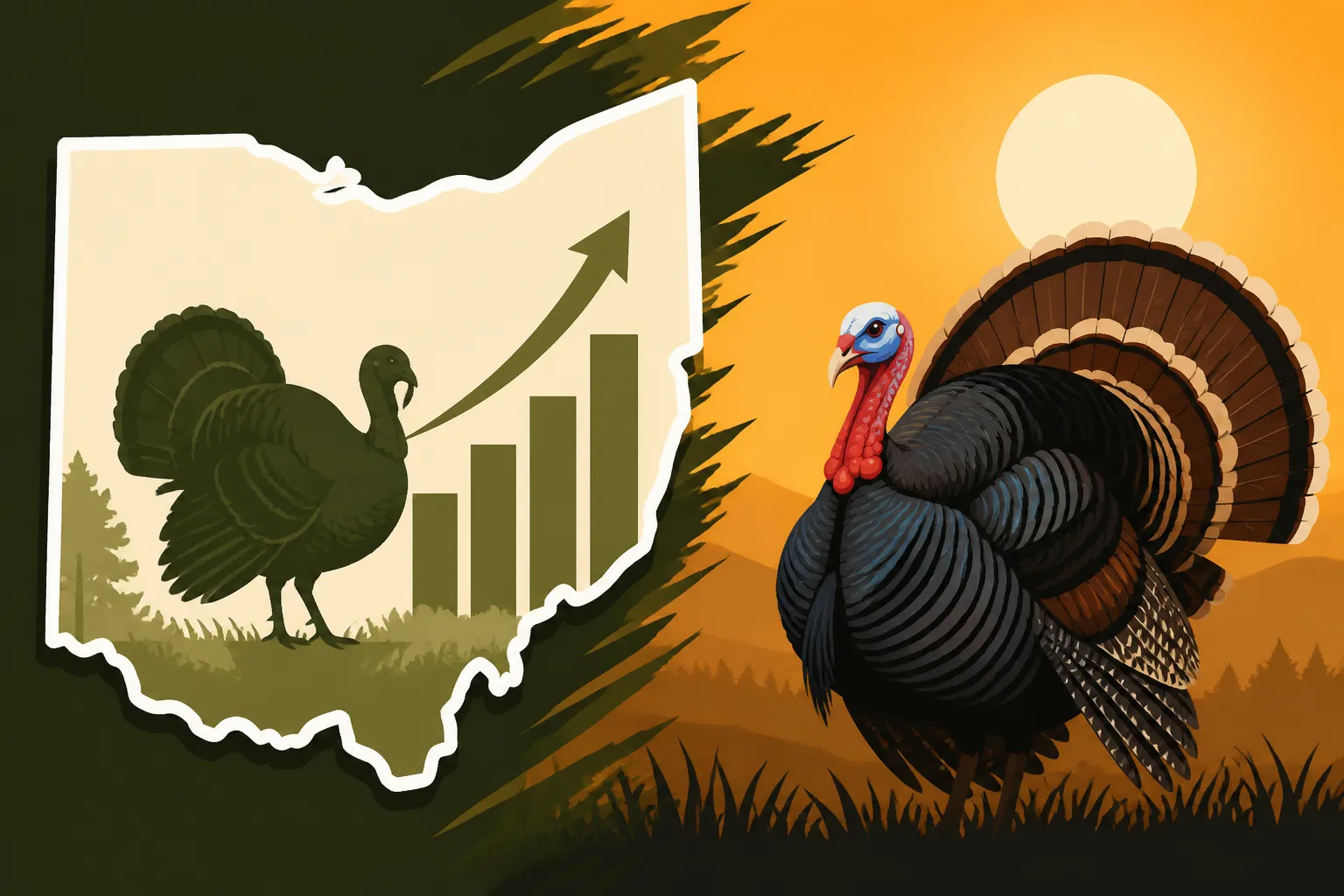
These initial restoration efforts were incredibly successful. As the turkey populations grew and expanded their range, so did the opportunities for hunters. The first modern turkey hunting season opened in 1966 in a mere nine counties, with a tiny harvest of just 12 birds. Fast forward to today, and turkeys are found in all 88 counties, with spring harvests regularly topping 15,000 birds. This trajectory of ever-increasing harvest numbers over decades illustrates the success of the restoration. It was a slow build, but each year saw more birds, more hunters, and ultimately, a much healthier and more widespread population than anyone could have dreamed of just 70 years ago.
Factors Behind Recent Ups and Downs
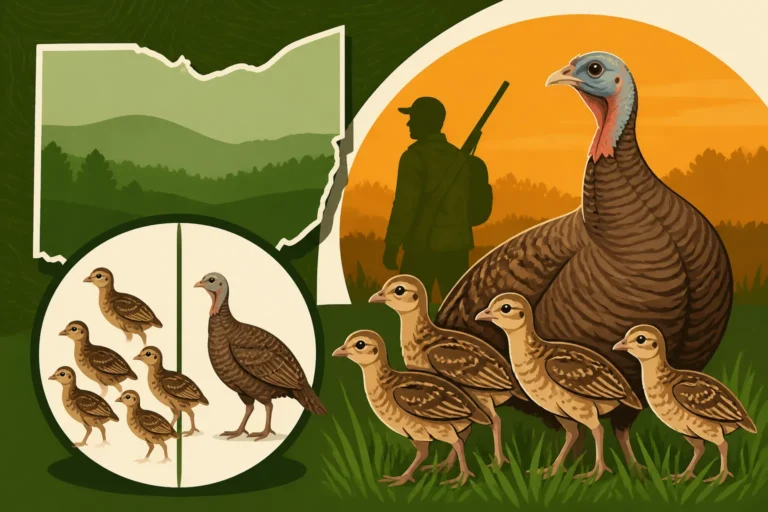
While the overall trend for Ohio turkeys has been positive, looking at the year-to-year harvest numbers reveals fluctuations. We see peaks and valleys, and these aren't random; they're often tied to a complex interplay of environmental factors and habitat changes. One of the biggest influences on turkey numbers is weather, particularly during nesting and poult-rearing season. Cold, wet springs can decimate a hatch, leading to fewer young birds making it to adulthood. Conversely, mild winters and dry, warm springs typically result in higher poult survival, which translates to more turkeys available for hunters a year or two down the road. For instance, a poor hatch year will certainly show up in lower harvest numbers a year or two later. To delve deeper into how these elements interact, you can learn more about Poult-to-Hen Ratios and What They Mean for understanding population health.
Habitat changes also play a significant role. As forests mature, some areas might become less ideal for turkeys, which prefer a mix of mature timber for roosting and open areas with dense undergrowth for nesting and foraging. Forest fragmentation, where large tracts of woods are broken up by development or agriculture, can also impact turkey movement and breeding success. On the flip side, strategic timber management and prescribed burns on public lands can create crucial early successional habitat that benefits turkeys. Lastly, predation pressure, primarily from animals like coyotes, raccoons, and opossums, can impact nest success and poult survival, though healthy turkey populations can usually withstand natural levels of predation. The delicate balance of life in the wild means that Nest Predation and Ohio Turkey Hatches are always a concern for biologists monitoring population health, and it inevitably affects future harvest numbers.
Regional Differences in Ohio Turkey Harvests
Ohio is a state of diverse landscapes, from the rolling Appalachian foothills in the southeast to the flat, agricultural plains in the northwest. This geographical variety directly impacts where wild turkeys thrive and, consequently, where hunters find the most success. Looking at harvest numbers purely statewide can sometimes mask the more nuanced regional stories.
Southern Ohio's Consistent Productivity Appalachian Region
When you look at the top-producing counties for turkey harvest in Ohio, a clear pattern emerges: the vast majority are nestled in the southeastern part of the state. Counties like Tuscarawas, Belmont, Adams, Athens, Hocking, Vinton, and Scioto consistently rank among the highest. There's a very good reason for this. This region falls within the Appalachian foothills, characterized by extensive, mature hardwood forests, rugged terrain, and deep hollows. This landscape provides ideal habitat for wild turkeys – plenty of mast-producing trees (oaks, hickory) for food, thick cover for nesting and roosting, and terrain that offers escape routes from predators and hunters.
The unbroken tracts of timber, such as those found within Wayne National Forest and several state forests, offer large, contiguous areas where turkeys can flourish with minimal disturbance. The traditional land use in many of these areas, with less intense agricultural pressure compared to other parts of the state, also means more secure cover and food sources. Hunters often find that birds here are less pressured than in smaller woodlots, allowing for more natural behavior and, ultimately, more opportunities. If you're serious about finding consistent turkey action, understanding Best Ohio Counties for Turkeys will almost always point you towards this region.
Northern and Western Ohio's Unique Challenges
In stark contrast to the verdant, rolling hills of southern Ohio, the northern and western parts of the state are dominated by vast agricultural fields interspersed with smaller woodlots and fencerows. While wild turkeys have successfully colonized these areas, the harvest numbers typically reflect a more fragmented habitat. Here, turkeys often utilize the edges of crop fields, isolated woodlots, and riparian corridors along creeks and rivers. They adapt, certainly, but the sheer amount of continuous, prime habitat isn't comparable to the unglaciated regions.
Hunting in these areas presents unique challenges. Birds can be tougher to locate in smaller woodlots, and they might spend more time in standing crops or brushy fencerows, making them harder to pattern. Hunting pressure can also be concentrated on the limited patches of timber, making birds warier. While you might not see the same high harvest totals as in the south, these regions still offer fantastic opportunities for dedicated hunters willing to scout hard and understand local bird movements. The advantage often goes to those who secure private land access in these areas, as consistent food sources like corn and soybeans can concentrate birds.
Impact of Ohio's Spring Turkey Zones
Ohio implements a two-zone system for its spring turkey season: the South Zone and the Northeast Zone. This isn't just a random division; it's a strategic move by the ODNR to account for the biological differences in turkey populations and spring green-up progression across the state. The South Zone generally opens earlier, typically in late April, reflecting the earlier onset of spring and breeding activities in the southern counties. The Northeast Zone, encompassing the more northern and eastern counties, opens about a week later to align with the slightly delayed spring conditions there. This staggered opening allows hunters to potentially experience optimal hunting conditions as gobblers become active across different parts of the state.
The impact of these zones on harvest numbers is evident. The South Zone, with its earlier opening and generally better habitat, often sees a more robust initial harvest. However, the Northeast Zone, once it opens, also contributes significantly to the statewide total. The goal of this system is to maximize hunting opportunities while minimizing stress on breeding birds by aligning season timing with local biological rhythms. For a comprehensive overview, you can check out Ohio Spring Turkey Zones and Dates to see how these timelines affect hunting prospects and manage hunter distribution across the state.
The Role of Season Structure and Hunter Behavior
The way Ohio structures its turkey hunting seasons directly influences harvest numbers, as do the strategies hunters employ within those frameworks. Each segment of the season offers different opportunities and challenges, shaping the overall success rate.
Spring Season Impact on Harvest Success
The spring turkey season is, by far, the most popular and productive for Ohio hunters. Its structure, including the youth hunt, plays a significant role in the annual harvest figures. The youth hunt weekend, which precedes the regular statewide opener, is a fantastic initiative that introduces young hunters to the sport in a less pressured environment. It also contributes a notable number of birds to the overall harvest, often showcasing the effectiveness of early season tactics before birds become "educated."
Once the regular season kicks off, there's often an initial flurry of activity during the first week or two. Gobblers are vocal, actively seeking hens, and perhaps more susceptible to calling. However, as the season progresses, especially during what many hunters call the "mid-season lull," harvest numbers can dip. This is often when hens begin nesting, and gobblers might become "henned up," meaning they're with actual hens and less responsive to calls. Late in the season, particularly if breeding activity has wound down and gobblers are once again searching for any remaining receptive hens, there can be a resurgence in activity. This is why knowing your Ohio Spring Turkey Bag Limit is important, as you might have multiple opportunities throughout the season if you stay persistent. Despite the variations, this late-season push can still be productive, as hunters understand that When Ohio Gobblers Go Quiet in Late May doesn't mean the season is over, just that tactics need to adapt.
Fall Turkey Harvest Numbers and Limited Opportunities
While spring turkey hunting is booming, fall turkey hunting in Ohio tells a very different story in terms of harvest numbers. The fall season is significantly less popular and, consequently, sees much lower harvest totals compared to the spring. There are several reasons for this. Firstly, the fall season is typically shorter and often limited to a smaller list of counties, primarily those with robust turkey populations in the unglaciated regions.
Secondly, the methods are different. Ohio's fall turkey season is shotgun-only, which means no archery during this period, unlike in spring. More importantly, the tactics shift from calling in love-sick gobblers to breaking up flocks and calling in dispersed birds, often hens or jakes. This requires a different skillset and approach, which many hunters may not be as familiar or comfortable with. Fewer hunters pursue turkeys in the fall, leading to naturally lower harvest numbers. Even with successful birds, the overall take pales in comparison to the spring. For those interested, a deep dive into Ohio's Shotgun-Only Fall Turkey Season will provide all the necessary details, and if you're looking to try your hand at it, you'll need to master different strategies like Fall Turkey Tactics With a Shotgun Only.
What Harvest Numbers Tell Us About the Future of Ohio Turkey Hunting
Looking at Ohio's turkey harvest numbers is more than just a retrospective glance at past successes. It's a forward-looking tool that can inform our individual hunting strategies and guide the collective efforts of wildlife management. Understanding these trends helps us adapt and ensures the continued health of this magnificent game bird.
Interpreting Trends for Personal Hunting Strategy
For the astute hunter, turkey harvest data is a powerful scouting tool, even if you never step foot in a county that consistently tops the harvest charts. By looking at long-term trends, you can identify counties where turkey populations are consistently strong, or perhaps where they've shown recent growth. This can help you decide where to focus your efforts, whether you're planning an out-of-county trip or just trying to understand the pressure and population dynamics in your local woods. For example, if you see a county's harvest numbers consistently rising, it might indicate a healthy, growing population, potentially offering better hunting prospects.
Beyond just identifying hot spots, these numbers can help you understand success rates over time. Are certain parts of the state seeing increased pressure that might make birds warier? Are there regions where the harvest is stable, suggesting consistent opportunities? Many digital scouting platforms, such as GoHunt, allow hunters to overlay harvest data with topographical maps, public land boundaries, and even historical weather patterns. This can give you an incredible advantage in pinpointing areas that might be overlooked or consistently productive, helping you formulate a game plan that goes beyond just guessing. It's about being strategic with your time and effort in the woods.
ODNR Management and Future Outlook
The Ohio Department of Natural Resources utilizes turkey harvest numbers as a cornerstone for its management decisions. These statistics, combined with annual brood surveys (tracking poult-to-hen ratios), landowner observations, and scientific research, provide a holistic view of the turkey population. If harvest numbers show a consistent decline over several years, it might trigger a review of season lengths, bag limits, or even necessitate specific habitat improvement projects. Conversely, stable or increasing numbers might allow for continued liberal season structures.
ODNR's commitment to sound wildlife management, coupled with the ongoing conservation efforts of organizations like the National Wild Turkey Federation, bodes well for the future of Ohio turkey hunting. Habitat preservation and creation remain paramount, ensuring that turkeys have the food, cover, and nesting sites they need to thrive. The importance of hunter reporting cannot be overstated; every checked bird contributes to this vital data pool, allowing biologists to make informed, science-based decisions. As long as hunters continue to participate responsibly and contribute their data, the future of chasing Ohio longbeards remains bright, ensuring that future generations will also have the opportunity to experience the thrill of a gobbler echoing through the spring woods.
Ohio Spring Turkey Harvest Comparison (Bearded Birds Only)
| Year | South Zone Harvest | Northeast Zone Harvest | Statewide Youth Harvest | Statewide Total (Bearded Birds) | Top County (Example) |
|---|---|---|---|---|---|
| 2023 | 10,950 | 4,025 | 1,215 | 16,190 | Tuscarawas (612) |
| 2022 | 10,210 | 3,890 | 1,180 | 15,280 | Tuscarawas (601) |
| 2021 | 10,535 | 4,120 | 1,250 | 16,005 | Tuscarawas (620) |
| 2020 | 12,180 | 4,500 | 1,310 | 17,925 | Tuscarawas (685) |
| 2019 | 9,870 | 3,950 | 1,150 | 14,970 | Tuscarawas (598) |
Note: Data for top counties is an example; specific county rankings can shift slightly year-to-year. The "Statewide Total" includes all bearded birds, including those taken during the youth hunt and throughout both zones. These figures are rounded approximations based on ODNR annual reports.
Disclaimer
The information provided in this article is for general informational purposes only and is not intended as professional advice. Hunting regulations and conditions can change rapidly. Always consult the most current Ohio Department of Natural Resources (ODNR) hunting regulations and local laws before planning any hunting activity. The author and publisher are not responsible for any inaccuracies or for any actions taken based on the information presented herein.