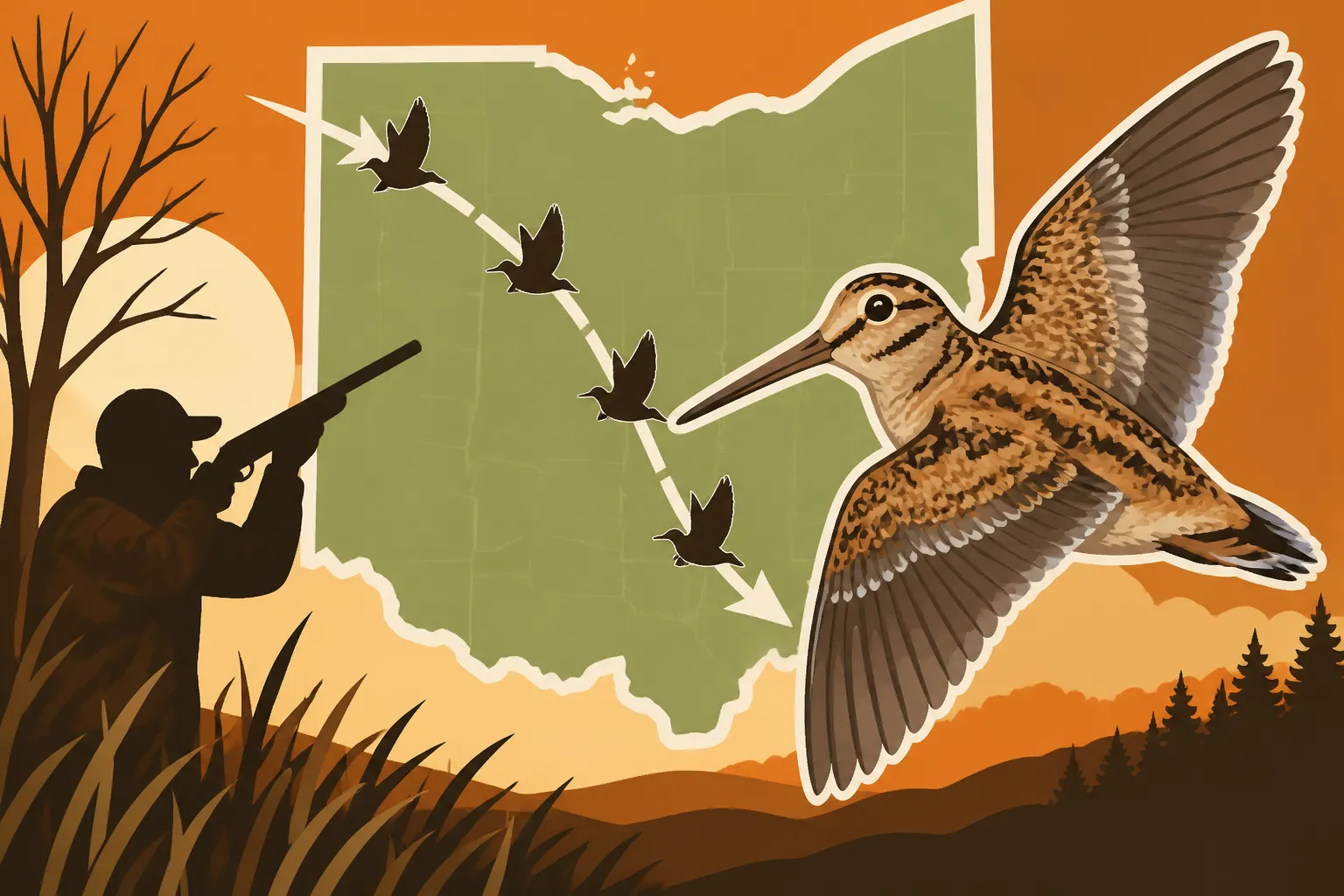
Ohio Woodcock Migration Route
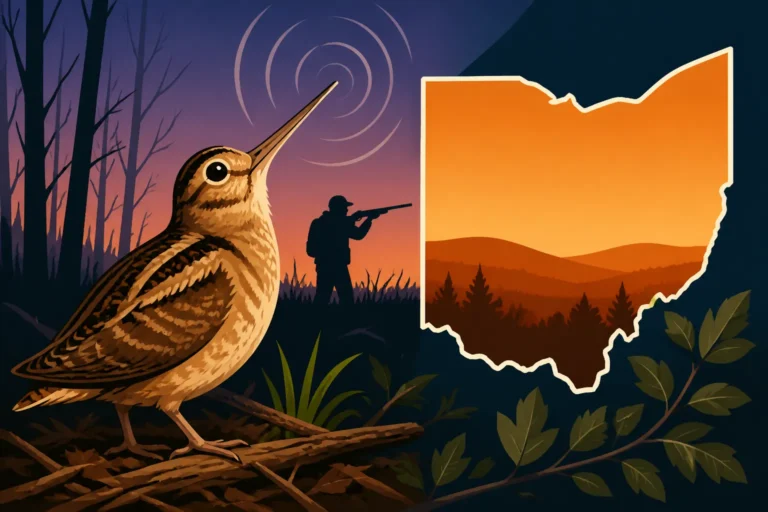
For any Ohio upland hunter, there's a unique blend of frustration and excitement that comes with pursuing the American woodcock. These quirky, long-billed birds, often affectionately called "timberdoodles," have a knack for showing up overnight and vanishing just as quickly, leaving us scratching our heads about when and where to find them. If you've ever felt like you're playing a high-stakes game of hide-and-seek with these migratory marvels, this guide is for you. We're going to dive deep into the Ohio woodcock migration route, helping you understand their journey and how to intercept them.
Understanding the Elusive Timberdoodle's Journey Through Ohio
The American woodcock is truly one of Ohio's most fascinating, if often overlooked, game birds. Unlike pheasants or grouse that hold strong to specific covers for extended periods, woodcock are transient visitors for many of us, passing through on their incredible migratory journey. Getting a handle on their habits and needs is the first step to consistently finding them.
The "Soft-billed Hunter" and Its Unique Lifestyle
Imagine a bird with eyes set high on its head, giving it a nearly 360-degree field of vision, and a long, sensitive bill perfect for probing soft earth. That's our timberdoodle! These aren't birds of wide-open fields or dense mature forests. Instead, they thrive in young, moist, early successional habitats. Think alder thickets, dogwood stands, and areas of multiflora rose — places that are often too dense and tangled for easy human travel, but perfect for a bird that spends its days extracting earthworms from the soil. Their diet is almost exclusively earthworms, which is why moist, soft ground is absolutely critical for their survival.
When you walk into a covert that just feels right for woodcock, you're looking for that specific blend: young, dense woody cover, often near a creek bottom or a low-lying area, where the ground remains damp. I remember one crisp October morning, wading through a tangle of young saplings bordering a small agricultural field, the ground still moist from a recent rain. My setter, usually ranging wide, started working a much tighter pattern, nose to the ground, and then locked up. Sure enough, a woodcock burst from the undergrowth, spiraling skyward in its characteristic flight, a testament to finding that perfect habitat. It's not about big timber; it's about the messy, often overlooked edges and bottoms that many other game birds avoid.
Why Ohio is a Critical Stopover
Ohio holds a unique and incredibly important position on the woodcock's migratory route. Nestled between their primary breeding grounds in the northern Great Lakes states and Canada, and their wintering grounds in the southeastern United States, our state acts as a crucial funnel and refueling station. As the days shorten and colder temperatures push south from Canada, woodcock begin their southward movement. Ohio's varied landscape offers a mosaic of suitable habitats, from the lake-effect marshlands in the north to the rolling Appalachian foothills in the south.
Think of Ohio as a vital rest stop on a very long road trip. The birds need to put on weight, find refuge from predators, and await favorable winds to continue their journey. Our state's diverse geography, crisscrossed by numerous river systems and dotted with patches of ideal young forest, provides exactly what they need. Hunters here often experience distinct "pushes" of birds, sometimes days or even weeks apart, as different groups of migrants make their way through. One week you might flush a few birds from a familiar covert, and the next, after a strong cold front, that same area might be teeming with dozens of fresh arrivals, indicating a major wave of migration has passed through. It’s this unpredictability and the sudden influx of birds that keeps woodcock hunters coming back, year after year, hoping to hit that magical window.
The Timing is Everything: Unpacking Ohio's Woodcock Migration Schedule
If there's one thing woodcock hunters obsess over, it's timing. These birds aren't going to stick around for weeks; they're here for a pit stop. Knowing when to expect them, and what weather patterns trigger their movements, is the key to a successful hunt.
Early Season Arrivals: The First Push
While the bulk of the woodcock migration occurs later in the fall, keen observers can often find early season arrivals. These are typically resident birds that bred within Ohio or those from just across the border who are the first to feel the chill of an early autumn. You might start seeing these first pushes in late September or early October, especially after the first noticeable cold snap of the season. It’s not a flood of birds, but rather a trickle, often driven by the initial signs of winter approaching further north.
These early birds might be found in very specific, often overlooked pockets of habitat. They might stick to slightly higher ground initially, or tight to creek bottoms that haven't yet been scoured by later frosts. I recall one particularly warm early October, hearing reports of woodcock already showing up in northern Ohio, likely due to a sharp frost further north that hadn't yet reached our central counties. It's a subtle clue that the migration has begun, even if the main event is still weeks away. Keeping an eye on weather patterns north of Ohio can often give you a heads-up. While Ohio Woodcock Season Dates typically open in mid-October, these early cool fronts are what stir the first travelers.
The Peak Migration Window: When to Hit the Cover
The true sweet spot for woodcock hunting in Ohio usually falls between mid-October and early November. This is when the main migration is in full swing, and strong north winds following significant cold fronts act as natural conveyor belts, pushing vast numbers of birds south. When you see a dramatic drop in temperatures and a sustained wind from the north or northwest, start making your plans for the following days. The birds will be feeling the pressure to move and will often drop into the first suitable cover they find.
During this peak window, it's not uncommon to hit a covert that was quiet a few days prior and suddenly find it alive with birds. You might flush multiple woodcock from a single patch of cover, or have your dog go on point repeatedly within a small area. The key is to be flexible and ready to hunt when the weather dictates. This is also where good mapping tools come into play. Services like GoHunt can help you identify potential woodcock habitat – those specific patches of young growth near water – so you're not wasting precious time scouting while the birds are actually in transit. Having your spots pre-scouted on a mapping app means you can head straight to the action when that peak migration push finally arrives. This intense period of activity is what every woodcock hunter dreams of.
Late Season Stragglers: The Final Wave
As November progresses and winter truly begins to bite, the woodcock migration tapers off. However, it's not uncommon to find late season stragglers well into late November, and sometimes even into early December, especially in the southern half of the state. These are the birds that either held out longer in their northern breeding grounds or took a more leisurely journey south. They are often pushed by extreme cold fronts or widespread deep freezes that harden the ground, making it impossible for them to probe for earthworms.
Hunting these late birds can be challenging but rewarding. The cover is typically much thinner, leaves have fallen, and the birds are sparser, often concentrated in the very best, most sheltered, and dampest cover remaining. You might find them in dense briar patches or tight creek bottoms that offer both protection and unfrozen soil. Success in the late season often comes down to perseverance and knowing the absolute prime, last-resort habitats. It's not a numbers game anymore; it's about finding that one or two remaining birds before they finally make their last hop south. While Ohio Woodcock Season Dates define the legal hunting period, Mother Nature dictates when the last birds will be present, making those final cold-weather hunts a test of dedication.
Key Migration Corridors and Habitat Hotspots Across Ohio
Ohio's geography plays a huge role in how woodcock migrate through the state. Certain areas act like natural highways, guiding birds along established routes, while others provide critical feeding and resting grounds. Knowing these general corridors can help you focus your hunting efforts.
The Lake Erie Shoreline Funnel
For many birds migrating south, the vast expanse of Lake Erie acts as a natural barrier, channeling them inland as they round the western and eastern ends of the lake. For woodcock, this means the northern edge of Ohio, particularly the river drainages and low-lying areas that empty into Lake Erie, can be prime early-season staging and resting areas. Areas like the Maumee River Valley, the Sandusky Bay region, and the various smaller creeks and rivers along the lake provide vital moist habitat just off the main migratory path.
Hunters in this region will often find woodcock in small, dense woodlots adjacent to agricultural fields, especially where these woodlots have a good mix of young growth and damp soil. The birds drop down from their flight, seeking refuge and food before continuing their journey. It's a common pattern to find good numbers of woodcock in these areas following a strong cold front from the north. This is particularly true for those hunting in the Hunting the Lake Erie Marsh Region, where diverse habitats offer more than just waterfowl opportunities; many of the fringes and higher ground surrounding the managed marsh units can hold woodcock.
Central and Eastern Ohio River Drainages
As woodcock continue their southward journey, they tend to follow natural contours and river systems. Central and Eastern Ohio, with its network of rivers like the Muskingum, Scioto, Hocking, and the main stem of the Ohio River itself, provides a series of critical migration corridors. These river valleys often feature extensive bottomlands, oxbow lakes, and tributary creeks that retain moisture and support the dense, young woody growth woodcock crave.
Think about the Muskingum River Valley, for instance, with its numerous tributaries winding through rolling hills. These areas are ecological magnets for migrating birds. Hunters often find success by focusing on the edges of agricultural fields that border these river bottoms, or by working along the smaller feeder creeks that boast stands of alder, willow, and dogwood. Finding a secluded, moist bottomland covert along one of these major drainages, where the ground is soft and rich in earthworms, can feel like discovering a hidden gem. These river systems act as highways for woodcock, guiding them south toward their wintering grounds. For those interested in Hunting the Ohio River Valley, remember that while deer and turkey are often the focus, the timberdoodle migration makes these same areas worth exploring for upland birds as well.
Appalachian Foothills and Regenerating Timber
Moving further south and east into Ohio's Appalachian region, the landscape shifts to rolling hills and more extensive forested areas. However, within this heavily timbered region, there are crucial pockets of habitat for migrating woodcock. These include areas of regenerating timber, clear-cuts, and reverting old fields that are now growing up in thick, young forest. The key here is "early successional habitat"—places where the canopy is still open enough for sunlight to reach the forest floor, promoting dense undergrowth, but also where the soil is moist and worm-rich.
Counties like Vinton, Jackson, and Athens, which are part of the larger Hunting Southeast Ohio Appalachian Foothills region, offer diverse opportunities. Hunters in these areas should focus on the edges of recent timber harvests, powerline cuts, or neglected old pastures that have grown into brushy thickets. These areas provide both the dense cover and the food source that woodcock need before they make their final push out of Ohio. I’ve often found birds tucked into surprisingly steep ravines or along old logging roads where the ground stays damp. It takes a keen eye to spot these microhabitats within the larger forest, but when you do, you'll be rewarded with flushes.
Scouting and Strategy for Intercepting Migrating Woodcock
Finding woodcock consistently isn't just about luck; it's about preparation, understanding their needs, and being able to adapt to ever-changing conditions. A solid scouting strategy can make all the difference.
Reading the Weather and Conditions
Woodcock migration is highly dependent on weather. As veteran upland hunters know, a sudden cold front with north winds can literally drop birds into an area overnight. Conversely, a prolonged period of warm, southerly winds can slow the migration or even push birds back north temporarily. It's vital to become a bit of a meteorologist during woodcock season. Keep an eye on the forecast for northern states and Canada; if a deep freeze or significant snow event is pushing south, expect a corresponding wave of woodcock to arrive in Ohio within a day or two.
I make it a habit to check weather patterns daily throughout October and November. A strong north wind isn't just a nuisance for walking; it's a migration trigger. Rain is also important – it keeps the ground soft, making it easier for woodcock to feed. A hard frost that freezes the top layer of soil will send birds packing almost immediately. Learning to anticipate these pushes means you can hit the coverts when they are fresh with new arrivals, rather than hunting areas that birds have already picked over or abandoned.
Identifying Prime Woodcock Cover
You can't just walk into any old woods and expect to find woodcock. They are particular about their living arrangements. The ideal woodcock covert is characterized by dense, young woody growth – think saplings, alders, dogwoods, and thick briars. Crucially, the soil beneath this cover needs to be moist and soft. This is non-negotiable, as their primary food source is earthworms. Look for areas near creek bottoms, swampy fringes, or low-lying fields that tend to hold water.
Using a good mapping application, such as GoHunt, can be invaluable here. You can use satellite imagery and topographical maps to identify areas that fit this description: dark green patches of thick cover, especially near water features or in depressions. Look for clear-cuts on public lands or old fields on private lands that are reverting to brush. These are often the same places you might find rabbits or pheasants in Ohio Small Game and Upland Bird Seasons. Scouting these areas during the off-season, even without birds present, allows you to identify access points, potential hazards, and the best ways to work the cover. When the birds do arrive, you'll already have a plan. Take note of areas with abundant "splats" (woodcock droppings) or small, dime-sized holes in the ground where they've been probing; this is clear evidence of recent bird activity.
Hunter Tactics and Dog Work
Hunting woodcock requires a specific approach. These birds hold incredibly tight, often letting you or your dog walk right past them before flushing. You need to hunt slowly and deliberately, pausing frequently to make the birds nervous and encourage them to flush. Woodcock also have an erratic, spiraling flight pattern that can be tricky to hit, so quick reflexes are a must. A light, fast-swinging shotgun is often preferred. For most hunters, a 20-gauge or 28-gauge with open chokes (improved cylinder or skeet) and smaller shot sizes (like 7.5 or 8) is ideal for the close-quarters shooting. If you're looking for guidance on suitable firearms, our guide on Upland Guns for Fencerow Cover offers some great insights.
While you can hunt woodcock without a dog, a good bird dog is a tremendous asset. Pointers will lock up on the scent, allowing you to walk in and prepare for the flush, while flushers will systematically work the cover and push birds out. The dense cover often makes retrieves difficult, so a dog that excels at finding downed birds is invaluable. I've spent countless hours navigating briar patches, only to hear my dog's bell go silent, signaling a point, or seeing their tail wagging furiously as they work a hot scent. The partnership with a dog truly elevates the woodcock hunting experience.
Conservation and the Future of Ohio's Timberdoodles
While woodcock populations are generally stable across their range, and Ohio experiences consistent migration, it's important for hunters to understand the conservation challenges and how we can contribute to the future of these unique birds.
Habitat Loss and Management Efforts
The primary threat to woodcock populations is habitat loss, specifically the decline of early successional forests. As forests mature, they lose the dense, young growth and moist conditions that woodcock rely on. Urban development and changes in land use also chip away at suitable habitat. This trend isn't unique to woodcock; other early successional species, like the ruffed grouse, have also seen significant declines in Ohio due to maturing woodlands.
Fortunately, wildlife management agencies, including the Ohio Department of Natural Resources (ODNR), are actively working to create and maintain woodcock habitat. On Ohio Wildlife Areas and state forests, you’ll often find carefully planned timber harvests and prescribed burns designed to promote young forest growth. These management practices create the diverse age classes of timber that benefit not just woodcock, but also deer, turkey, and many other wildlife species. For instance, a recent clear-cut area might look harsh to the untrained eye, but give it a few years, and it will become a dense, brushy haven for timberdoodles and other game. Understanding these efforts helps us appreciate the science behind habitat conservation.
How Hunters Can Contribute
As hunters, we play a crucial role in woodcock conservation. The funds generated from hunting license sales and federal excise taxes on hunting equipment (through the Pittman-Robertson Act) are directly channeled into wildlife research, land acquisition, and habitat management. Every time you purchase an Ohio Resident Hunting License Options or other necessary permits, you're directly contributing to these vital efforts. Beyond financial contributions, hunters can also get involved in local conservation groups that focus on habitat restoration.
Participating in surveys, such as the annual woodcock singing-ground surveys, helps biologists monitor population trends. Even simply reporting your woodcock sightings and harvest data can provide valuable information. Practicing ethical hunting—knowing your target, respecting bag limits, and making every effort to recover downed birds—ensures a sustainable future for the species. The future of Ohio's timberdoodles relies on continued habitat work and the dedicated support of the hunting community.
Ohio Woodcock Migration Timing Overview
Here's a quick look at general woodcock migration timing in Ohio, though remember that Mother Nature always has the final say!
| Migration Phase | Typical Timing | Key Triggers | Bird Density | Habitat Focus |
|---|---|---|---|---|
| Early Arrivals | Late September – Early Oct. | First significant cold fronts in northern states | Low | Resident birds, scattered migrants |
| Peak Migration | Mid-October – Early Nov. | Strong, sustained north winds; hard frosts | High | Moist, young thickets in river bottoms & clear-cuts |
| Late Season Stragglers | Late November – Early Dec. | Deep freezes, frozen ground, widespread snow | Low | Most sheltered, unfrozen, dense cover remaining |
Disclaimer
This article is for general informational purposes only and does not constitute professional advice. Laws, prices and regulations vary by location and change over time. Consult a qualified professional for guidance on your specific situation.