Ohio Mourning Dove Numbers
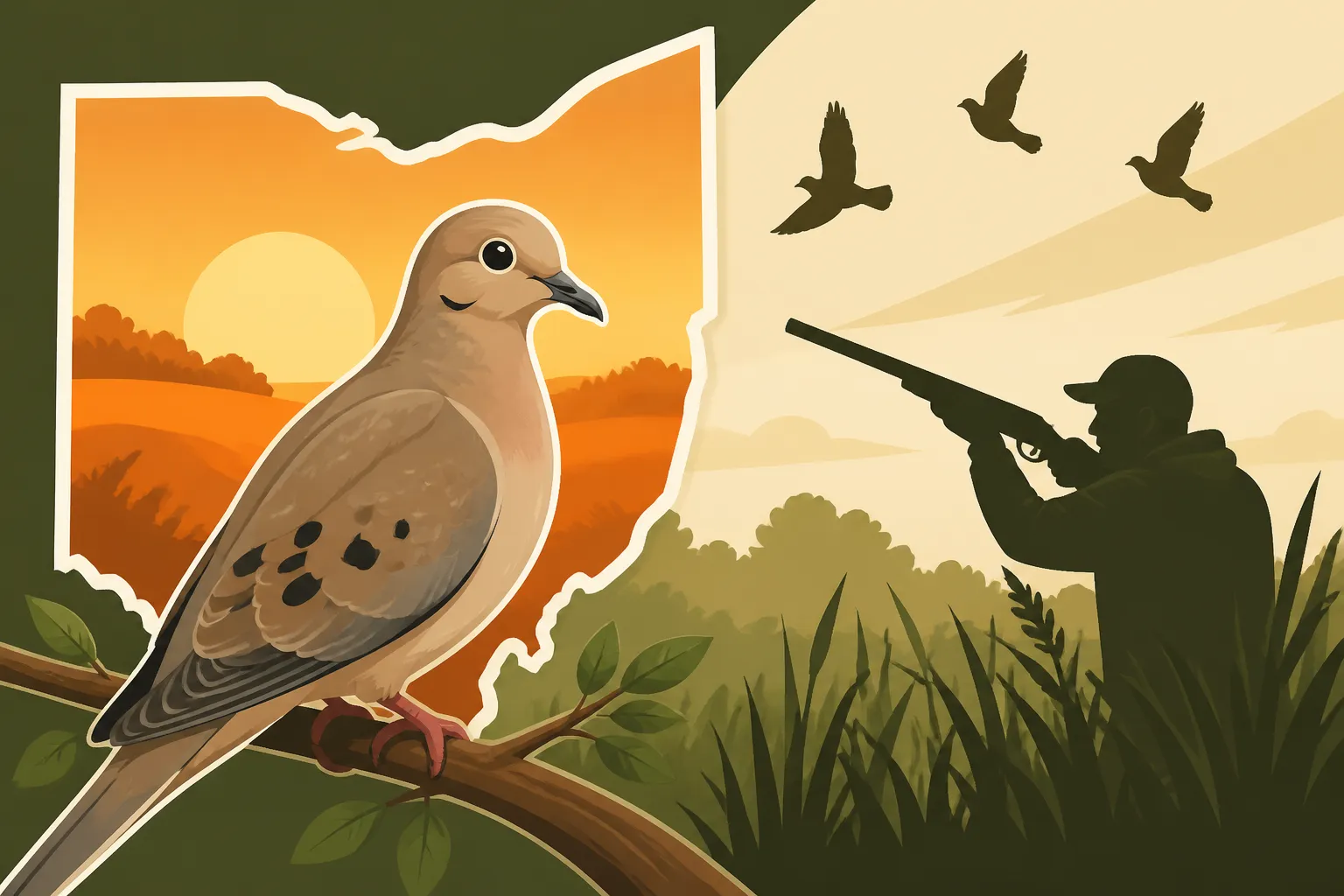
Many of us cherish the sight and sound of mourning doves, those gentle, cooing birds that flutter through our backyards and fields. But if you're a hunter, you might also be wondering about the health of Ohio's mourning dove population, and whether there are enough to sustain a healthy season year after year. It's a valid concern, as hunters are often the most invested in understanding and preserving the game we pursue. This guide aims to shed light on how Ohio's mourning dove numbers are tracked, what impacts them, and what the current outlook means for hunters and conservationists alike.
Understanding How Ohio Monitors Mourning Dove Populations
It's easy to just look out your window and see a few doves, but understanding the statewide picture, especially for a migratory bird, is a much bigger undertaking. Wildlife agencies, including the Ohio Department of Natural Resources (ODNR), put a lot of effort into monitoring these birds to ensure populations remain healthy and hunting seasons are set sustainably. They're not just guessing; there's a science to it.
The Call-Count Survey: A Key Indicator
One of the primary methods for tracking mourning dove populations across the country, and right here in Ohio, is the annual Call-Count Survey. This isn't some complex satellite tracking or bird-banding operation (though banding does happen, and we’ll get to that). Instead, it relies on a standardized roadside survey conducted by trained biologists and volunteers. Imagine driving a pre-determined route, stopping at specific intervals, and listening for a set amount of time. Every cooing dove heard and every dove seen is recorded.
These routes are repeated year after year, around the same time of day and year (usually late spring to early summer), to minimize variability and allow for direct comparisons of data. By tracking the number of doves heard and seen per stop, and per route, wildlife managers can establish trends. Are the numbers increasing, decreasing, or staying stable? This longitudinal data is crucial for understanding the big picture, far beyond what any single observer might see in their local woodlot or field. It helps paint a picture of how these birds are faring across various landscapes, from the farmlands of Northwest Ohio to the more fragmented woodlands down south.
Factors Influencing Population Estimates
When the ODNR looks at mourning dove numbers, they're not just counting. They're trying to understand why the numbers are what they are. Several factors can influence these annual surveys and the overall health of the dove population. For instance, the weather during the nesting season can play a huge role. A particularly cold, wet spring might lead to lower nesting success, meaning fewer young doves entering the population. Conversely, a mild winter can mean higher overwinter survival rates for adult birds.
Habitat availability is another massive piece of the puzzle. Doves thrive in areas with a mix of open ground for foraging (think cut crop fields, pastures), scattered trees for nesting and roosting, and access to water. Changes in agricultural practices, urban sprawl, or even large-scale timber harvesting can impact these vital habitats. If the conditions aren't right, even with good weather, populations might struggle. Predators, disease, and even human activity not directly related to hunting can also contribute to the fluctuations observed in population estimates. It's a complex ecosystem, and doves are part of that intricate web.
Historical Trends and Ohio's Current Dove Status
Mourning doves are one of North America's most abundant and widely distributed bird species. They're also one of the most popular game birds, which means their populations are closely watched. In Ohio, as elsewhere, understanding the long-term trends gives us context for where we are today.
A Look Back at Long-Term Data
Historically, mourning dove populations have shown remarkable resilience, though not without fluctuations. Over many decades, their ability to adapt to human-modified landscapes, particularly agricultural areas, has served them well. While specific peaks and valleys have occurred due to regional weather patterns, habitat shifts, or disease outbreaks, the overall continental trend for mourning doves has often been described as stable to slightly declining in some areas, but robust enough to support hunting.
In Ohio, the picture generally aligns with broader regional patterns. Wildlife agencies have collected data for years, looking at everything from breeding success to harvest rates. These long-term datasets, often compiled by federal agencies like the U.S. Fish and Wildlife Service, which oversees migratory bird management, provide a crucial backbone for state-level management. They allow Ohio wildlife biologists to see if local trends are part of a larger pattern or if there are specific factors unique to our state affecting our doves. This long-term perspective is what ensures that decisions about season lengths and bag limits are based on solid, historical evidence, not just a single good or bad year.
Recent Season Assessments and What They Tell Us
In recent years, Ohio's mourning dove populations have generally remained healthy, providing ample opportunities for hunters. The call-count surveys continue to be a cornerstone of these assessments, giving biologists a snapshot of breeding populations each spring. When hunters hit the fields in September, they're often encountering birds that nested right here in Ohio, along with migrants from further north. If you're looking to plan your hunt, understanding these patterns is key. For more details on the opening day, check out Ohio Mourning Dove Migration Timing.
Harvest data, collected through hunter reports and wing collection surveys, also provides crucial insights. By analyzing wings submitted by hunters, biologists can determine age ratios (how many young birds versus adults were harvested), which gives a strong indication of nesting success from the previous spring. If a high percentage of young birds are showing up in the harvest, it suggests a successful breeding season. These data points, combined with continued call-count surveys and observations from the field, allow the ODNR to assess the current status of the population. While numbers can vary slightly from year to year due to localized conditions, the overall assessment has consistently shown a healthy, huntable population in Ohio, allowing hunters to enjoy a productive season for these fast-flying birds. A valuable resource like GoHunt might offer maps or data overlays that can help you visualize areas with historical dove concentrations.
Habitat and Management for Ohio Doves
Mourning doves are adaptable birds, but like all wildlife, they need specific habitats to thrive. In Ohio, a combination of natural landscapes and human-influenced environments creates ideal conditions for these widespread birds. Understanding these preferences and the management efforts underway is key to their continued success.
Preferred Habitats in the Buckeye State
Mourning doves are creatures of edge habitat, and Ohio offers plenty of it. They love areas that provide a mosaic of open spaces for feeding, scattered trees or dense shrubs for nesting and roosting, and readily available water sources. You'll often find them in:
- Agricultural Fields: This is prime dove territory. Fields of wheat, corn, sunflowers, and milo provide abundant seeds, especially after harvest when seeds are exposed. Cut cornfields, for example, are a magnet for doves looking for fallen kernels. If you're interested in hunting these areas, you might find Dove Hunting a Cut Ohio Field a useful read.
- Open Woodlands and Forest Edges: While they aren't deep-woods birds, doves will utilize the edges of woodlands, especially those with smaller trees or shrubs for nesting. They're not particular nesters, often building flimsy nests in deciduous or coniferous trees.
- Suburban and Urban Areas: Doves are remarkably comfortable around people. Your backyard bird feeder, a local park, or even a community garden can provide valuable food and nesting sites. They'll often nest in ornamental shrubs or small trees in residential areas.
- Grasslands and Pastures: These areas provide open feeding grounds and can have scattered trees or fencerows that offer nesting cover.
The key is variety and accessibility. Doves prefer to feed on the ground, so open areas with exposed seeds are critical. They also need grit for digestion, often found on roadsides or bare patches of ground. Their affinity for these diverse habitats is a significant reason why their populations remain robust across such a wide range of Ohio.
Conservation Efforts and Habitat Improvement
While mourning doves are not a species of conservation concern in Ohio, the ODNR and various conservation groups still undertake efforts that benefit doves, often as part of broader wildlife habitat initiatives. Much of this work focuses on enhancing the very habitats doves depend on.
- Farm Bill Programs: Many federal Farm Bill programs, aimed at conservation on agricultural lands, create excellent dove habitat. Practices like establishing cover crops, creating native grass buffers along fields, or planting wildlife-friendly food plots directly benefit doves by providing feeding areas and nesting cover. Landowners participating in these programs often see an increase in dove activity.
- Wildlife Area Management: Ohio’s Wildlife Areas, managed by the ODNR, are often designed with diverse wildlife in mind. Management practices like prescribed burns, creating early successional habitat, and planting specific crops (like sunflowers or millet) are beneficial for a variety of game birds, including doves. These managed areas can be hotspots for dove activity and provide excellent public hunting opportunities. You can learn more about Ohio Wildlife Areas and what they offer.
- Private Land Initiatives: Education and outreach to private landowners also play a significant role. Encouraging farmers to leave some crop residue, create field borders, or manage brushy fencerows can have a cumulative positive effect on local dove populations. Hunters themselves, through their license fees and participation in conservation groups, directly fund many of these initiatives. If you are a private landowner, or looking to gain permission on private land, understanding how these habitat enhancements can benefit doves is a great way to start a conversation.
The Role of Hunting in Mourning Dove Management
It's common for non-hunters to wonder if hunting impacts bird populations negatively. For mourning doves in Ohio, and indeed across their range, regulated hunting is a sustainable activity that is carefully managed to ensure the long-term health of the species.
Sustainable Harvest and Population Dynamics
Mourning doves are one of the most prolific bird species in North America. They have a high reproductive rate, often nesting multiple times throughout the spring and summer, sometimes raising several broods in a single season. This biological characteristic, known as a high "turnover rate," means a significant portion of the population (especially young birds) naturally perishes each year from various causes, whether or not they are hunted. This phenomenon is often referred to as "compensatory mortality."
What this means for hunting is that the harvest of doves by hunters typically "compensates" for natural mortality that would occur anyway. Hunting pressure is carefully managed through season dates and bag limits to ensure that it doesn't exceed this compensatory mortality. In other words, hunters are generally harvesting birds that would likely not survive to the next breeding season due to predation, disease, or other environmental factors. Studies have consistently shown that hunting has a negligible impact on the overall breeding population of mourning doves, which is why federal and state agencies feel confident in allowing annual hunting seasons. Your annual purchase of an Ohio Hunting Licenses and What They Cost directly supports these management efforts.
Regulations, Season Structure, and Hunter Responsibility
Ohio's mourning dove season is set within federal guidelines for migratory game birds, which are established by the U.S. Fish and Wildlife Service. The ODNR then uses these frameworks to set specific dates, shooting hours, and daily bag limits that are appropriate for Ohio's population dynamics. These regulations are designed to ensure that the harvest is sustainable and provides equitable opportunity for hunters.
Typically, the season opens in early September, often coinciding with excellent weather and a strong local population of birds. This early opener capitalizes on the abundance of doves before they begin their migration south. Hunters are required to use non-toxic shot if hunting on certain public lands, and understanding these rules, along with blaze orange requirements if hunting during other overlapping seasons, is crucial. If you're new to hunting or need a refresher, completing Ohio Hunter Education Requirements is a great way to ensure you're up-to-date on all regulations and best practices.
Hunters play a vital role in this management cycle not just through ethical harvest, but also through data collection. The wing-collection surveys mentioned earlier rely on voluntary participation from hunters to provide critical information about the age structure of the harvest, which helps biologists understand nesting success and overall population health. Each hunter, by following regulations and contributing to these surveys, becomes an active participant in conservation. Using tools like GoHunt, hunters can also stay informed about specific regulations or temporary closures in various hunting areas.
Maximizing Your Chances: Finding Doves in Ohio
So, you've got your license, your shotgun, and a strong understanding of dove biology. Now, where do you go to find these fast-flying birds in Ohio? While doves are widespread, certain areas and conditions consistently produce better hunting opportunities.
Key Ohio Landscapes for Dove Hunting
Ohio's diverse landscape offers numerous opportunities for dove hunting, but some regions and habitat types are more productive than others. It's all about finding that magic combination of food, water, and roosting cover.
- Northwest Ohio Farmland: This region, dominated by agriculture, can be a dove hunter's paradise, especially after harvest. Large fields of corn, soybeans, and wheat offer vast feeding grounds. Look for areas with standing sunflowers or millet that haven't been harvested, or recently cut fields. Isolated woodlots or fencerows within this open country provide ideal roosting spots and funnels for flight paths. If you can gain permission on a private farm that has doves, you're often in for a treat.
- Central Ohio Agriculture: Similar to the northwest, central Ohio boasts significant agricultural acreage. Counties with a good mix of crop fields, especially those near small woodlots, ponds, or brushy creek bottoms, will hold doves. Public lands in this region often include managed dove fields specifically planted with sunflowers or millet, drawing birds in.
- Southeast Ohio Appalachian Foothills: While less agricultural, the fragmented nature of the Appalachian foothills in Southeast Ohio can also hold doves. Look for smaller farm fields tucked into valleys, often planted with hay, corn, or soybeans. Doves will use the abundant timber edges for nesting and roosting, flying out to feed in nearby open areas. Access to Public Hunting Land in Ohio, such as Wayne National Forest or various state forests, can offer opportunities, particularly around clear-cuts or small openings with a food source.
Regardless of the region, the general principle remains: find the food source (especially small grains), water, and cover, and the doves won't be far behind. Scouting before the season is invaluable; look for power lines, dead trees, or field edges where doves perch or feed.
Scouting and Setup Strategies for Ohio Doves
Successful dove hunting is often about timing and location. Doves have predictable patterns, and understanding these can significantly increase your harvest.
- Pre-Season Scouting: This is perhaps the most critical step. A week or two before the season opens, drive around areas you're interested in, especially in the late afternoon. Look for doves flying into fields, perching on power lines, or drinking at ponds. Pay attention to their flight paths and preferred feeding areas. This is where tools like GoHunt can be incredibly helpful, allowing you to examine aerial maps for potential feeding fields, water sources, and power lines. You can often pinpoint promising spots without even stepping foot on the ground initially.
- Finding the "X": Doves aren't everywhere in a field. They'll often concentrate on specific spots – a patch of weeds, a low spot in a field that holds moisture, or a particular corner where the feed is abundant. Identify these "hot spots" where doves are actively feeding.
- Decoys and Calls: While not strictly necessary, dove decoys can be very effective, especially spinning wing decoys that mimic a landing bird. Set them up strategically where doves are likely to see them. Dove calls (cooing calls) can also be used, though they are less about attracting birds and more about locating them or reassuring them.
- Concealment is Key: Doves have excellent eyesight. You don't need a full blind, but breaking up your outline is important. Sit under a tree, next to a fencerow, or even use a simple camouflaged stool in tall weeds. Movement will flare birds, so remain still until it's time to shoot.
- Flight Patterns and Water: Doves need water, especially during hot early September days. Identifying a pond or creek that doves are using, particularly in the mid-morning or late afternoon, can be a highly productive setup. Observe their approach and departure paths to set up accordingly. For public land hunting, remember to familiarize yourself with Ohio Public Land Hunting Hours.
How You Can Contribute to Dove Conservation
For many hunters, conservation isn't just a buzzword; it's a deeply ingrained ethic. Every hunter has an opportunity to contribute to the ongoing health of Ohio's mourning dove population, whether directly or indirectly.
Habitat Enhancement in Your Own Backyard
You don't need a massive farm to make a difference for doves. Even small-scale efforts in your backyard or on a small property can provide valuable habitat.
- Planting Dove-Friendly Food Sources: Consider planting small patches of sunflowers, millet, or even wheat if you have the space. Doves love these seeds. Even leaving a corner of your garden untended for a season can allow native weeds to grow, producing seeds that doves will readily consume.
- Providing Water: A bird bath or a small ground-level water feature can be a magnet for doves, especially during dry periods. Ensure it's kept clean.
- Creating Roosting/Nesting Cover: While doves don't need dense forests, planting a few small conifers or dense shrubs can provide sheltered nesting and roosting sites. Doves are fairly adaptable nesters and will use a variety of structures.
- Minimizing Pesticide Use: If you're managing a small patch of ground, reducing or eliminating broad-spectrum pesticides can ensure a healthier insect population (which doves will sometimes eat, especially young) and safer seeds for consumption.
These small, localized efforts might seem insignificant on their own, but collectively across the state, they contribute to a network of suitable habitat that supports doves and many other bird species.
Supporting Research and Reporting Banded Doves
Beyond direct habitat work, there are ways to contribute to the scientific understanding and management of mourning doves. This often involves supporting the organizations that conduct research and participating in citizen science efforts.
- Purchasing Licenses and Stamps: Every hunting license and migratory bird stamp purchased by Ohio hunters contributes funds directly to wildlife management and research programs, including those for doves. This is a crucial financial backbone for conservation.
- Reporting Banded Birds: Biologists often band doves on their legs to track migration patterns, survival rates, and other vital data. If you ever harvest a dove with a band, it's incredibly important to report it to the U.S. Geological Survey Bird Banding Lab. The band will have a toll-free number or website address. This data is invaluable for understanding dove movements and longevity, contributing directly to Ohio Mourning Dove Migration Timing research and sustainable harvest limits.
- Participating in Surveys: While most official surveys are conducted by professionals, citizen science projects sometimes involve reporting observations. Keep an eye out for such opportunities with local birding groups or wildlife organizations. Even just sharing observations of unusual dove activity or health concerns with the ODNR can provide useful anecdotal information. Remember, hunters are often the eyes and ears on the ground, witnessing wildlife behavior firsthand.
Common Misconceptions About Ohio's Dove Populations
As with many game species, especially those hunted extensively, mourning doves can be subject to various misconceptions. Addressing these helps foster a better understanding of conservation and hunting's role.
"Too Many Doves Are Shot Each Year"
This is perhaps the most common misconception. It's true that millions of mourning doves are harvested annually across the United States, making them the most commonly hunted game bird. However, this high harvest number often leads people to incorrectly assume that the population is being overhunted or decimated.
The reality, as discussed earlier, lies in the dove's incredible reproductive capacity and high natural mortality rates. Mourning doves are short-lived birds, with many only surviving one or two years even without hunting pressure. Their strategy is to produce many young birds quickly. Regulated hunting, with conservative bag limits and season lengths, is specifically designed to harvest a portion of this "surplus" population – birds that would likely not survive to the next breeding season anyway. Extensive scientific studies and decades of data from the Call-Count Survey and banding efforts consistently show that hunting pressure, under current regulations, does not have a detrimental impact on the overall mourning dove breeding population. Their widespread abundance across Ohio and North America is a testament to the effectiveness of these management strategies.
"Pesticides and Habitat Loss Are Wiping Out Doves"
While it's undeniable that habitat loss and the use of pesticides can negatively impact some wildlife species, and certainly can affect local dove populations, claiming they are "wiping out" mourning doves on a broad scale isn't supported by the data. Doves are incredibly adaptable and have, in many ways, thrived in agricultural landscapes, which provide extensive food sources (seeds) despite pesticide use.
However, the concern is valid in a nuanced way. Intensive agricultural practices that eliminate hedgerows, fencerows, and small woodlots do reduce nesting and roosting habitat. Monoculture farming, which limits biodiversity, can also reduce the variety of food sources available. Similarly, widespread use of certain pesticides could impact doves indirectly by reducing insect prey (important for nestlings) or by contaminating seeds.
The key is balance and responsible land management. Programs that encourage farmers to leave buffers, plant diverse crops, and practice conservation tillage all benefit doves and countless other species. Instead of an outright "wiping out," it's more accurate to say that certain modern agricultural practices, if not mitigated, can degrade habitat quality in ways that could put pressure on localized populations over time. This is why ongoing research and conservation efforts, often funded by hunters, are so important – to monitor these impacts and find ways for agriculture and wildlife to coexist. If you're looking for different hunting environments, consider Hunting Small Private Tracts in Ohio or even public access near diverse agricultural areas.
Disclaimer
This article is for general informational purposes only and does not constitute professional advice. Laws, prices and regulations vary by location and change over time. Consult a qualified professional for guidance on your specific situation.