Why Wyandot County Drives Ohio’s CWD Numbers
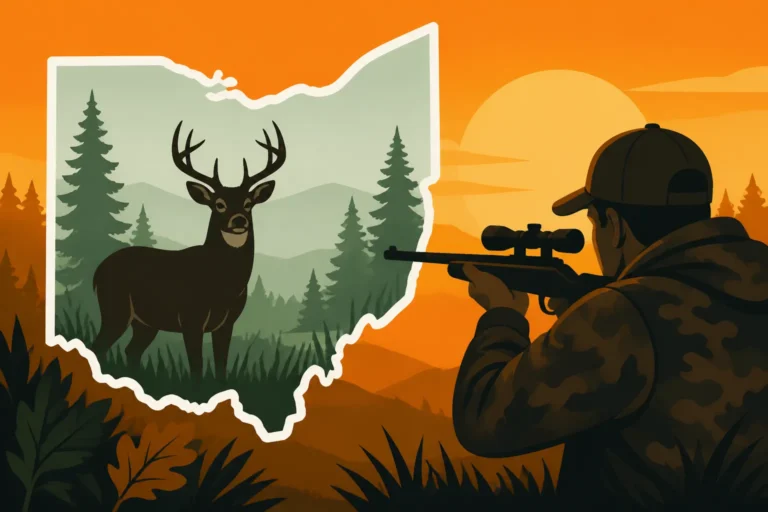
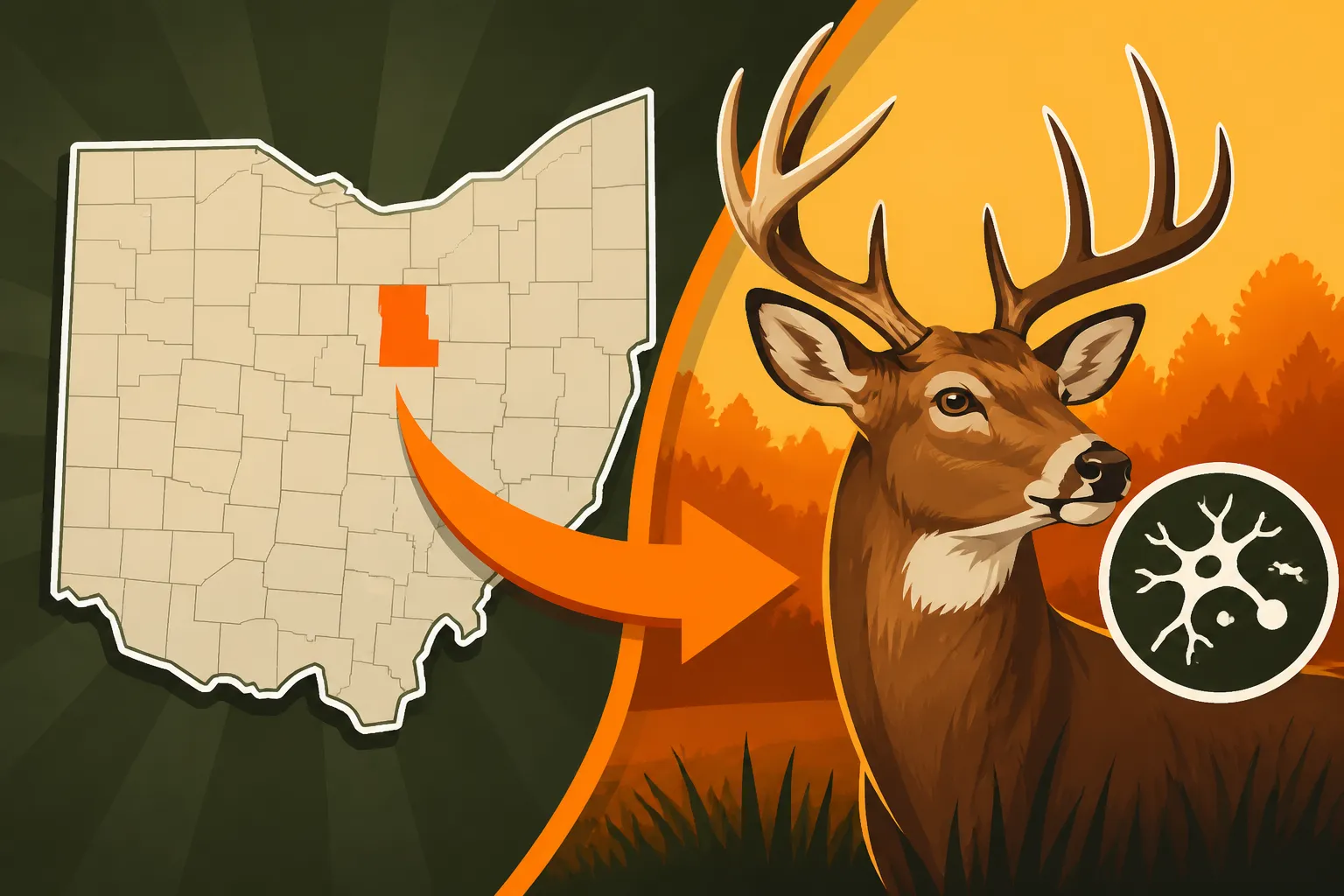
If you've been following Ohio's deer hunting landscape, you've undoubtedly heard the buzz, and often the worry, surrounding Chronic Wasting Disease (CWD). It's a daunting topic, and for many hunters, the mention of Wyandot County immediately brings to mind CWD cases. It's true that this relatively small county in north-central Ohio consistently reports a significant number of positive CWD detections, often leading the state. This guide will dive deep into why Wyandot County has become such a focal point for CWD in Ohio, exploring the biological, environmental, and management factors at play, and what this means for local hunters.
Understanding Chronic Wasting Disease and Its Impact
Chronic Wasting Disease is a nasty neurological disease that affects cervids, which include deer, elk, and moose. It's caused by abnormal proteins called prions that slowly destroy the animal's brain and nervous system. The disease is always fatal, and there's no known treatment or vaccine. While it hasn't been shown to spread to humans, the Centers for Disease Control and Prevention (CDC) advises against consuming meat from CWD-positive animals. For Ohio hunters, particularly those in the affected areas, understanding CWD isn't just about wildlife management jargon; it’s about the health of the deer herd we cherish and the safety of the venison we put on our tables.
The Insidious Nature of CWD Prions
The prions responsible for CWD are incredibly resilient. Unlike bacteria or viruses, they aren't destroyed by conventional cooking methods, freezing, or even many disinfectants. Once shed by an infected animal – through saliva, urine, feces, or decomposing carcasses – these prions can persist in the soil and environment for years, even decades, becoming a source of new infections. This environmental persistence makes CWD incredibly challenging to manage and contain. Imagine a microscopic, undetectable enemy that lingers silently, ready to infect the next deer that comes along. It's a frustrating reality for wildlife managers and hunters alike.
Why CWD is a Game Changer for Deer Management
Before CWD, deer management largely focused on population control and habitat. Now, wildlife agencies like the Ohio Department of Natural Resources (ODNR) have the added, complex layer of disease surveillance and mitigation. This involves mandatory testing, carcass movement restrictions, and sometimes even specific hunting regulations designed to reduce deer density in affected areas, all aimed at slowing the spread of the disease. It’s a shift from simply counting deer and setting bag limits to actively monitoring for a silent killer that could impact the herd for generations. This is why discussions about Ohio's Chronic Wasting Disease Surveillance Area have become so critical.
The CWD Story in Ohio: Focus on Wyandot County
Ohio's CWD journey began relatively recently compared to some western states, but it quickly escalated, particularly in certain areas. Wyandot County isn't just another location on the map; it's ground zero for some of the most concentrated CWD activity in the state, leading to heightened concern and intensive management strategies.
The Initial Discovery and Surveillance Area Establishment
CWD was first detected in Ohio in 2014 in a captive deer facility in Holmes County. However, the first wild deer confirmed with CWD was in Wyandot County in 2020. This was a pivotal moment, as it confirmed the disease had jumped from captive to wild populations. The ODNR swiftly designated a Disease Surveillance Area (DSA), which now encompasses Wyandot and several surrounding counties. This immediate response and ongoing vigilance highlights the seriousness of the threat. Hunters living in or visiting these areas need to be aware of the Mandatory CWD Testing Windows in the DSA to comply with regulations and help with monitoring efforts.
Early Cases and Expanding the DSA
Following that initial wild deer detection in Wyandot, subsequent positive cases began to emerge, mostly within Wyandot County itself, but also in adjacent areas. Each new positive triggered further investigation and often an expansion or adjustment of the DSA boundaries. The goal, always, is to understand the extent of the disease's presence and to try and prevent further spread. This intensive monitoring and the increasing number of positive detections in Wyandot are precisely why Why Wyandot County Drives Ohio's CWD Numbers is a question that needs a thorough answer. The ongoing efforts also mean hunters need to keep up with the latest information through resources like the ODNR website, or even scouting tools like GoHunt, which often integrates official land designations and special regulations.
Key Factors Driving CWD Numbers in Wyandot County
So, what makes Wyandot County such a hotspot for CWD? It's not one single factor, but rather a perfect storm of environmental conditions, deer behavior, human activities, and intensive testing that converge to create a situation where CWD is unfortunately thriving and being detected.
High Deer Density and Landscape Characteristics
Wyandot County, like much of north-central Ohio, is characterized by a mosaic of agricultural fields – primarily corn and soybeans – interspersed with small woodlots, fencerows, and riparian corridors. This type of landscape is prime habitat for white-tailed deer, supporting a robust and often dense deer population. High deer density is a critical factor in CWD transmission. When deer numbers are high, they interact more frequently, increasing the likelihood of direct transmission through nose-to-nose contact. More deer also means more potential for environmental contamination, as more animals are shedding prions into the soil and vegetation that other deer will encounter.
Furthermore, these fragmented habitats often funnel deer into smaller, concentrated areas, especially during harsh winters or during the rut. Imagine deer congregating in a small woodlot bordering a cut cornfield, repeatedly using the same trails and bedding areas. This concentration maximizes contact with both infected deer and contaminated environments. Such dynamics are important for understanding Hunting Northwest Ohio Farmland Deer, where these woodlots and field edges become crucial points of deer activity.
Intensive Surveillance and Mandatory Testing
It's a bit of a double-edged sword: Wyandot County reports high CWD numbers partly because it's subjected to some of the most rigorous and consistent CWD surveillance in the state. Because it's a known CWD hotspot, the ODNR focuses a significant amount of its testing efforts here. This includes mandatory testing during specific periods of the Ohio Deer Season Structure Explained, especially during the early gun season in the DSA and the statewide gun opener. Hunters in these areas are required to submit deer for testing at designated Ohio CWD Sampling Station Locations or self-serve kiosks.
The sheer volume of deer tested from Wyandot County means that more infected animals are likely to be identified compared to areas with less intensive testing. If an area isn't being tested as thoroughly, even if CWD is present, it might go undetected or be significantly underestimated. This isn't to say other counties don't have CWD, but Wyandot's numbers are a reflection of both actual prevalence and focused detection efforts. This systematic approach, however, is vital for wildlife managers to understand the true scope of the problem.
Human-Assisted Spread and Deer Behavior
While CWD is primarily transmitted deer-to-deer or via contaminated environments, human actions can inadvertently contribute to its spread. Unregulated feeding of deer, for instance, can concentrate animals in a small area, increasing nose-to-nose contact and environmental contamination. While deer feeding is prohibited in the DSA, historic or illegal feeding practices could have contributed to local outbreaks. The temptation to supplement deer during tough winters is understandable, but it can have unintended consequences like disease spread.
Another significant factor is the movement of deer carcasses. If an infected deer is harvested in Wyandot County and its carcass (especially brain and spinal cord material) is transported outside the DSA and improperly disposed of, it could potentially introduce prions to a new area. This is why Ohio Carcass Movement Restrictions are in place for the DSA, requiring hunters to process deer within the zone or leave high-risk parts behind. Understanding these rules is crucial for preventing further spread.
Implications for Ohio Hunters and Wildlife Management
The persistent presence of CWD in Wyandot County has profound implications for how hunting is conducted, how deer are managed, and how hunters need to adapt. It's a challenging situation that requires ongoing education, compliance, and a collective effort from the hunting community.
Adapting Hunting Strategies in the DSA
For hunters targeting deer in Wyandot and other DSA counties, adaptation is key. This might mean making adjustments to how you scout, hunt, and handle your harvest. Given the higher deer density often associated with CWD hotspots, hunting methods that focus on reducing deer numbers can be effective. This includes utilizing your Ohio Deer Management Permits for antlerless deer, which directly helps in lowering the overall population and thus potentially reducing transmission rates.
Scouting also takes on a new dimension. While tools like GoHunt are excellent for identifying habitat features, knowing where deer might congregate – whether at specific food sources, bedding areas, or travel corridors – also means recognizing potential areas of higher CWD risk. Hunters might adjust their approaches to minimize unnecessary contact with areas where many deer gather, especially if visible signs of disease in deer are observed.
The Future of CWD Management in Ohio
The ODNR continues to actively monitor CWD, refine its management strategies, and collaborate with other states and federal agencies. The experience in Wyandot County provides valuable data and lessons learned that inform broader CWD efforts across Ohio. This includes continued research into CWD transmission, development of new testing methods, and ongoing public outreach. The fact that Ohio's 2025-26 CWD Count Was the Highest Yet emphasizes the ongoing nature of this battle and the importance of sustained efforts.
There's a significant focus on public education, encouraging hunters to report sick-looking deer, understand mandatory testing requirements, and follow carcass disposal regulations. The future of Ohio's deer herd, particularly in affected areas like Wyandot, hinges on these combined efforts from wildlife professionals and dedicated hunters.
What Hunters Can Do to Help
As hunters, we are often the first line of defense and observation in the field. Our actions play a crucial role in managing and mitigating the impact of CWD. It's about being responsible stewards of the resource.
Participate in Mandatory Testing and Surveillance
If you hunt in Wyandot County or any other DSA, fully comply with all mandatory CWD testing requirements. This isn't just a bureaucratic hurdle; it's a vital part of the data collection that helps the ODNR understand the disease's prevalence and spread. Submitting your deer for testing provides critical information that directly informs management decisions. Make sure you know the dates for Mandatory Testing on Early Gun Opening Weekend and Mandatory Testing on Statewide Gun Opening Weekend in the DSA. The more samples collected, the clearer the picture becomes.
Safe Carcass Handling and Disposal
Always follow the Ohio Carcass Movement Restrictions when hunting in a CWD-positive area. If you harvest a deer in Wyandot County, process it locally or leave the brain and spinal cord (high-risk parts) within the county. When you bring venison home, remember the guidelines for Handling Venison From a DSA County Safely, which typically involves removing all high-risk tissues. Proper disposal of remaining carcass parts helps prevent environmental contamination outside the DSA. Talk to local processors about their CWD protocols; many are well-versed in handling deer from affected areas.
Report Sick Deer and Stay Informed
Keep an eye out for any deer exhibiting signs of CWD, such as extreme weight loss, stumbling, drooling, or a lack of fear of humans. While these signs can also indicate other diseases or injuries, it’s always best to report them to the ODNR immediately. Their biologists can investigate and determine the cause. Regularly check the ODNR website for the most up-to-date information on CWD, changes to DSA boundaries, or new regulations. Staying informed empowers you to make responsible decisions and contribute positively to Ohio's wildlife management efforts.
| Factor Contributing to High CWD Numbers in Wyandot County | Description | Impact on CWD Prevalence |
|---|---|---|
| High Deer Density | Abundant food sources from agriculture and fragmented woodlots lead to a robust deer population. | Increased deer-to-deer contact, facilitating direct transmission. More carriers in the environment. |
| Agricultural Landscape | Mix of crop fields (corn, soybeans) and small woodlots. Deer often concentrate in these cover patches and along field edges. | Funnels deer into smaller areas, increasing interaction and environmental contamination risk. |
| Intensive Surveillance | Wyandot County is a primary focus for ODNR's CWD testing, with mandatory submissions during key hunting seasons. | More infected deer are identified simply due to the volume of testing conducted. |
| Environmental Persistence | CWD prions shed by infected deer can remain viable in soil and plants for extended periods, re-infecting new deer generations. | Long-term contamination makes eradication extremely difficult. |
| Potential Human-Assisted Spread | Though prohibited, illegal deer feeding or improper carcass disposal from past or present actions could contribute to local spread or introduce prions to new areas. | Exacerbates localized spread and creates potential for regional dissemination. |
Disclaimer
The information provided in this article is for general guidance and informational purposes only, and does not constitute legal advice. Hunting regulations and CWD management protocols are subject to change. Always consult the official Ohio Department of Natural Resources (ODNR) hunting regulations and advisories for the most current and accurate information before engaging in any hunting activities.