Ohio’s Two Gun Deer Weekends
Ohio's deer hunters often grapple with the unique challenge of our state's two separate gun deer seasons, a structure that can feel disjointed and confusing, especially for newcomers or those used to a single, continuous season. This guide will walk you through the intricacies of Ohio's two gun deer weekends, offering practical advice and strategies to help you make the most of each distinct hunting opportunity.
Understanding Ohio's Unique Gun Deer Season Structure
Ohio's approach to its firearms deer season is a bit different from many other states. Instead of one continuous stretch, we have two distinct weekends. This isn't just a quirk; it's a deliberate strategy by the Ohio Department of Natural Resources (ODNR) to manage the deer herd, spread out hunter pressure, and offer diverse hunting experiences. For those of us who live and breathe Ohio hunting, understanding the "why" behind this structure is just as important as knowing the "when."
The Rationale Behind Two Separate Weekends
The primary reason for splitting the gun season into two weekends boils down to deer management and hunter safety. By having an initial, longer weekend, typically spanning the first Monday to Sunday of December, the ODNR aims to achieve a significant portion of the annual deer harvest early on. This intense, concentrated pressure is highly effective, especially in areas with high deer populations. It allows for efficient herd reduction and helps control potential overpopulation issues that could lead to habitat degradation or increased disease transmission. Then, by re-opening for a shorter, second weekend later in December, often closer to Christmas, the state provides an additional opportunity for hunters to fill tags, particularly antlerless permits. This helps ensure that harvest objectives are met without concentrating too many hunters in the woods for an extended period, which could lead to increased safety concerns and a rapid burnout of prime hunting spots. The design acknowledges the realities of Ohio's diverse landscape and hunter demographics, from the deep hardwoods of Appalachia to the sprawling farmlands of the northwest.
This two-weekend system also plays a crucial role in providing diverse hunting experiences. The first weekend is known for its high energy and intensity, often with deer on the move due to widespread hunter activity. It's a prime time for strategic deer drives or posting up on travel corridors. The second weekend, on the other hand, usually presents a more subdued atmosphere. Hunters often find themselves contending with colder temperatures and more wary deer, demanding different tactics. This split structure also helps reduce some of the extreme opening-day crowding that might occur if the entire gun season were continuous, especially on popular public lands. It allows hunters with different schedules and preferences to pick their battles, so to speak, whether they prefer the initial flurry of action or a quieter, more tactical late-season hunt.
Key Dates and Calendar Considerations
The first Ohio gun deer weekend typically kicks off on the Monday following Thanksgiving and runs through the following Sunday. This means it usually falls in the first week of December, offering a full seven days of firearms hunting. This is the main event for many, and the woods often come alive with orange-clad hunters during this period. The second gun weekend is much shorter, usually just two days – a Saturday and Sunday – and tends to happen in mid-December, often the weekend before Christmas. These dates are generally consistent year after year, although it's always critical to double-check the official ODNR hunting regulations for the exact dates each season, as they can shift slightly with the calendar. You don't want to miss a prime hunting day because you were relying on last year's memory!
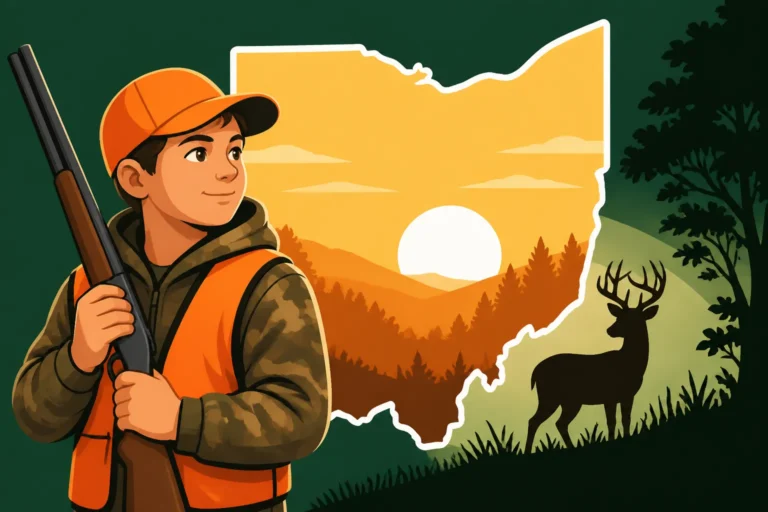
Beyond the primary gun seasons, Ohio also has special youth gun weekends and a muzzleloader season in January that also allow firearms, further diversifying the hunting calendar. For example, if you're looking to introduce a young hunter to the sport, the Ohio Youth Gun Weekend Dates are a fantastic opportunity before the main adult pressure sets in. This careful spacing and variety of seasons provide ample opportunity for hunters to participate, ensuring that everyone from seasoned veterans to new apprentices has a chance to get out and pursue whitetails. Being aware of the full calendar, including the Ohio Muzzleloader Season Dates, can help you plan your entire season, strategizing when and where to focus your efforts for the best chance at success.
Navigating the First Gun Weekend: The High-Pressure Opening
The first gun weekend in Ohio is an event all its own. The excitement is palpable, the woods are buzzing with activity, and deer, especially those in high-traffic areas, become acutely aware of the increased human presence. It’s a time when many hunters descend upon their chosen spots, whether private land or bustling public acreage, hoping to capitalize on the initial movement and the element of surprise. Understanding these dynamics is key to success.
Anticipating Hunter Crowds and Deer Movement
When that first gun season horn blows (metaphorically speaking, of course), Ohio's deer population experiences a sudden, intense shift in pressure. In areas of good deer density, especially across the state's central and western farmlands or accessible public tracts in the southeast, you can expect a lot of other hunters. This increased human presence means deer that were previously moving somewhat predictably during archery season will often change their patterns dramatically. They'll seek out the thickest cover available, often "holding tight" in dense bedding areas, fencerows, standing crops, or steep ravines that offer a sense of security.
However, this increased pressure isn't always a bad thing; it can also be your biggest ally. All that hunter activity often means deer are on the move, pushed from their preferred bedding sites as hunters walk through timber and fields. This is why the first weekend is often synonymous with deer drives on Ohio public land. Knowing how deer react to pressure—either by hunkering down or by subtly relocating to less disturbed areas—allows you to anticipate their movements. Pay attention to traditional escape routes, bottlenecks, and transition areas between bedding and feeding. A good starting point for locating these areas is using tools like GoHunt, which can help you identify public land boundaries and potential travel corridors from aerial maps.
Strategies for Public Land Success
Hunting public land during the first gun weekend demands a specific mindset and a well-thought-out strategy. With potentially high hunter numbers, particularly in popular areas like Wayne National Forest or larger state wildlife areas, simply walking into a good-looking spot and expecting a deer to appear is often a recipe for disappointment. The most successful public land hunters during this time are those willing to work a little harder and think a little differently. This often means walking farther than others, delving into thick, overlooked cover, or targeting areas that are notoriously difficult to access. Think about those steep ravines, thorny thickets, or swampy bottoms that most hunters shy away from; these are often the sanctuaries where pressured deer retreat.
Another effective strategy for public land is to position yourself on known travel corridors or escape routes that deer might use when pushed by other hunters. This could be a pinch point between two woodlots, a narrow ridge connecting larger tracts of timber, or a dense fencerow bordering a harvested field. Learning to Read a Ridge for Southeast Ohio Deer can give you a significant advantage in areas like Shawnee State Forest, where topography dictates deer movement. Consider using a ground blind on Ohio public land in areas with good cover, especially if you expect deer to be moving cautiously through thicker vegetation rather than out in the open. Always be aware of other hunters, wear your blaze orange, and know your shooting lanes.
Private Land Dynamics During the Opener
Even if you’re hunting private land, the first gun weekend is still influenced by the broader hunting pressure. If your property is surrounded by public land or other private tracts that are heavily hunted, the deer on your property will absolutely feel that pressure. This can be a boon or a challenge, depending on your setup. If your land provides a sanctuary with good cover and limited access, you might find deer pouring onto your property as they escape pressure elsewhere. In this scenario, setting up on the ingress points—the funnels, saddles, or creek crossings where deer would naturally enter—can be incredibly productive.
Conversely, if your private land is open and lacks dense cover, deer might move off your property to seek refuge in a neighbor’s thicket or a nearby public sanctuary. This is where understanding local deer movement, communication with neighboring landowners (if possible), and smart stand placement become paramount. Many private landowners will organize small deer drives on their property during this weekend, especially if they have a group of hunters. This helps move deer out of heavy cover and provides opportunities for standers. Regardless of whether you’re driving or still-hunting, knowing the property boundaries and having clear shooting lanes is crucial.
The Second Gun Weekend: A Different Hunting Landscape
The second gun deer weekend often feels like a completely different hunting season compared to the opener. The initial burst of excitement has subsided, the weather has usually taken a colder turn, and the deer population, having weathered the first storm of hunters, is considerably more wary. This shift demands a change in strategy and a different approach to the hunt.
Later Season Challenges and Opportunities
The most significant challenge of the second gun weekend is almost always the weather. By mid-December, Ohio is typically experiencing much colder temperatures, often with snow or freezing rain. This can make for uncomfortable long sits in a treestand and can even impact deer movement, as they prioritize conserving energy and seeking out reliable food sources. Furthermore, the deer that remain have already been pressured; they've learned to avoid open areas during daylight and stick to thick cover. However, these challenges also present unique opportunities. Less hunter pressure means a quieter woods, and the cold weather can concentrate deer around prime late-season food sources like standing beans, corn, or persistent mast crops.
This is often the time when hunters who didn't fill their tags during the initial frenzy get a second chance, especially for antlerless deer. With many hunters having already tagged out or moved on to other pursuits, the woods can feel more serene. This allows for a more focused, patient style of hunting. The colder weather means deer are driven by caloric needs, making reliable food plots or natural food sources incredibly attractive. Understanding Late-Season Food Sources for Ohio Whitetails is paramount for success during this period, as deer will often brave colder temperatures if a consistent food source is available.
Adapting Your Tactics for Wary Deer
Hunting during the second gun weekend means dealing with deer that have had a solid dose of hunter pressure. They’re jumpy, often nocturnal, and incredibly adept at using cover to their advantage. Your tactics need to adapt to this heightened wariness. Forget about casually strolling through the woods; instead, think stealth, patience, and precision. Longer sits are often necessary, as deer may not move until late in the morning or just before dusk. Focus your efforts on the thickest, nastiest cover you can find that is adjacent to known food sources. Deer will often stage just inside these dense areas before venturing out to feed.
This is also a prime time to utilize quieter tactics like still-hunting, slowly moving through promising cover, stopping frequently to scan ahead. In the deeper woods of eastern Ohio, Still-Hunting Shawnee State Forest Ridges can be highly effective, allowing you to intercept deer that might be subtly shifting between bedding and feeding areas. Pay close attention to wind direction, thermals, and your entry and exit routes to avoid spooking deer. The goal is to be as inconspicuous as possible, letting the deer feel safe enough to move during daylight hours. A good pair of binoculars and a quality rangefinder become even more critical when trying to spot wary deer in dense cover.
Making the Most of Deer Drives and Group Hunts
While the first gun weekend sees a lot of deer drives, the second weekend is often when group hunts, particularly on private land or smaller public woodlots, become highly effective for filling those remaining tags. With deer holed up in thick cover, a well-coordinated deer drive can be an excellent way to push them out and create shooting opportunities for standers. However, these drives need to be executed intelligently, considering the deer's likely escape routes and the placement of hunters.
A successful drive during the second weekend often involves fewer, quieter drivers who focus on systematically pushing deer towards strategically placed standers. The standers should be positioned along known escape routes, pinch points, or near thick cover where deer are likely to filter out. For smaller groups, learning how to conduct Deer Drives With Three or Four Hunters can be a game-changer, allowing you to effectively cover a woodlot without needing a massive hunting party. Communication is vital, as is a thorough understanding of the property boundaries and safety zones. This communal approach not only increases the chances of harvesting deer but also fosters camaraderie among hunting companions, embodying many Ohio Deer Camp Traditions.
Essential Gear and Preparation for Gun Season
Being properly equipped and prepared for Ohio's gun deer season is non-negotiable for both safety and success. The varying conditions, from crisp autumn air to biting winter winds, demand specific gear choices. Knowing the regulations for firearms and making smart decisions about your clothing layers can make or break your hunt.
Ohio Legal Firearms and Ammunition
Ohio has specific regulations regarding what firearms can be used for deer hunting, and these rules have evolved over the years. Primarily, hunters are allowed to use shotguns (10 gauge, 12 gauge, 16 gauge, 20 gauge, .410 caliber) with slugs, muzzleloaders (.38 caliber or larger), and handguns (.357 magnum or larger). More recently, Ohio has allowed the use of straight-wall cartridge rifles, which has been a significant game-changer for many hunters. These straight-wall cartridges, like the popular .450 Bushmaster or .350 Legend, offer increased range and accuracy compared to traditional slug guns. Understanding the nuances of Ohio Straight-Wall Cartridge Rules is crucial if you plan to use one of these modern firearms.
When selecting ammunition, always ensure it is appropriate for deer and legal for your chosen firearm. For shotguns, rifled slugs are generally preferred for accuracy, especially if you have a rifled barrel. For straight-wall rifles, match your ammunition to your specific caliber for optimal performance. Remember to zero your rifle or shotgun well in advance of the season. A well-zeroed .350 Legend, for instance, can provide confidence for shots out to 150-200 yards, a significant advantage over a typical slug gun. This preparation is essential to ensuring clean, ethical harvests and avoiding frustration in the field.
Dressing for Ohio's Variable December Weather
Ohio's December weather can be notoriously unpredictable, swinging from mild, rainy days to bitter cold, heavy snow, or even freezing fog. Dressing appropriately in layers is absolutely critical to staying comfortable and safe during gun season. Start with a moisture-wicking base layer against your skin to pull sweat away. Next, add insulating mid-layers, such as fleece or wool, to trap body heat. Wool is an excellent choice for Ohio hunting, as it retains its insulating properties even when wet, a huge advantage if you get caught in a sudden rain or snow shower. Finally, an outer layer that is windproof and waterproof is essential to protect you from the elements.
Don't forget about extremities: a warm hat, gloves or mittens, and insulated, waterproof boots are vital. Keeping your head, hands, and feet warm is key to maintaining overall body temperature and staying on stand longer. Consider bringing hand warmers for those truly frigid days. Having multiple layers allows you to adjust to changing conditions throughout the day, removing a layer if you're walking and getting warm, and adding one back when sitting motionless in a stand. This strategy of layering is a cornerstone of Cold-Weather Sitting Strategy in Ohio and will help you remain focused on the hunt rather than shivering uncontrollably.
Safety First: Blaze Orange and Stand Considerations
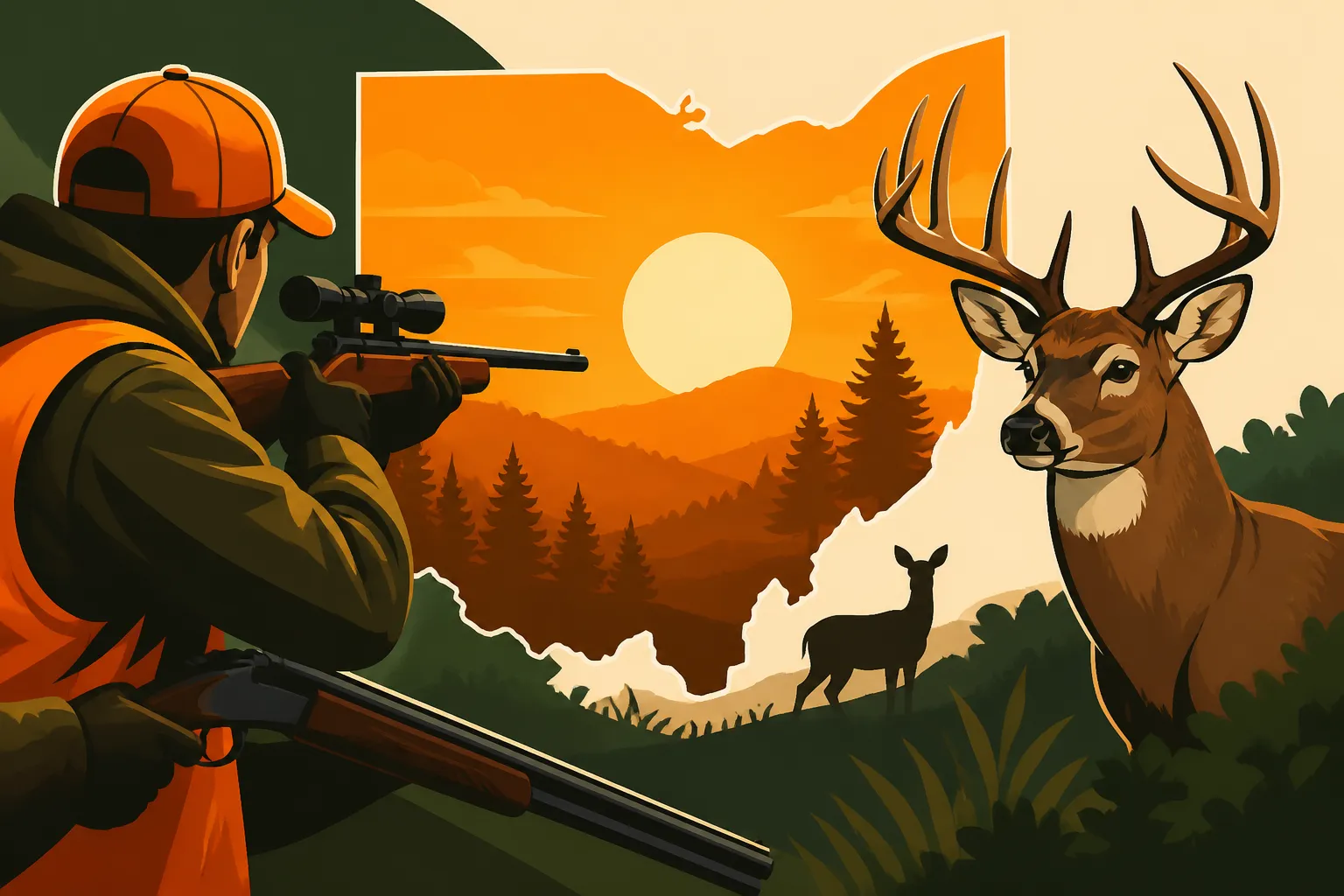
Safety is paramount during gun deer season, and Ohio has strict requirements for hunter orange (or blaze pink). All deer hunters, except those specifically hunting waterfowl, are required to wear hunter orange or hunter pink when hunting deer during the gun seasons. This includes the youth gun season and the muzzleloader season. You must wear a vest, jacket, coat, or coveralls that are blaze orange or pink, displaying at least 500 square inches on the head, chest, and back. A blaze orange cap is also highly recommended. This highly visible clothing dramatically increases your visibility to other hunters, reducing the risk of accidental shootings.
Beyond wearing appropriate safety colors, always practice safe firearm handling. Keep your muzzle pointed in a safe direction, keep your finger off the trigger until ready to shoot, and be absolutely certain of your target and what lies beyond it. If you're using a treestand, adhere strictly to all safety guidelines. Always use a full-body harness, a safety rope, and take your time climbing. Falls from treestands are a leading cause of hunting accidents, so never take shortcuts with safety, especially when hunting alone. Having a clear understanding of Ohio Legal Firearms for Deer Hunting and adhering to safety protocols ensures a responsible and enjoyable hunting experience for everyone.
Managing Your Harvest During Gun Season
Successfully taking a deer is only part of the hunting experience. What happens after the shot is equally important, from legally checking your game to properly caring for the meat. Ohio has specific rules and recommendations, especially concerning disease management in certain areas, that every hunter needs to be aware of.
Understanding Deer Checking and Reporting Rules
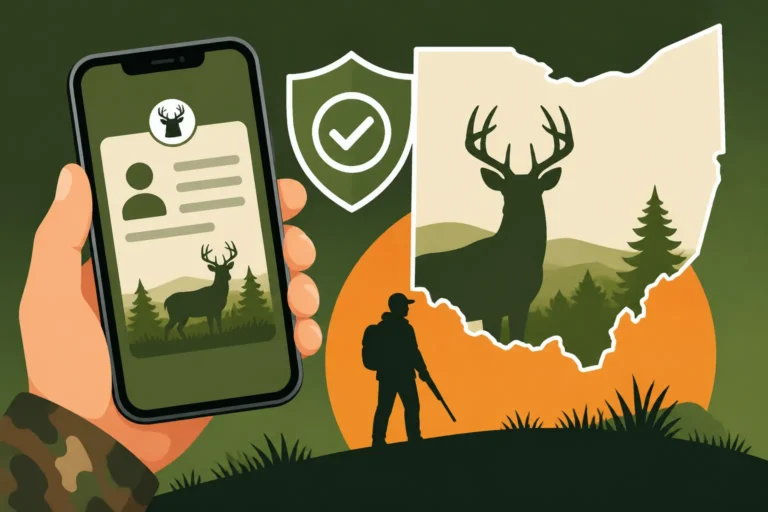
Once you've harvested a deer in Ohio, the legal obligation is to check it in through the official Ohio Department of Natural Resources (ODNR) game check system. This must be done by noon the day after the kill. You can Registering a Deer Through Ohio's Check-In System online through the ODNR's website or app, or by phone. It's a quick and straightforward process that provides vital data for wildlife management. This data helps the ODNR track harvest numbers, assess herd health, and make informed decisions about future hunting regulations.
When you check in your deer, you'll need information like your customer ID, the date and county of harvest, and whether the deer was antlered or antlerless. You'll also need to report the number of points on each antler if it was a buck. This system is crucial for monitoring deer populations across the state, including how many deer are harvested in specific regions like the Ohio River Valley Ridges versus the flat farmlands of Northwest Ohio. Make sure you carry a means to check your deer in the field, whether it's your smartphone or a small notepad with your customer ID to call it in later.
Field Dressing and Meat Care in Changing Temperatures
Proper field dressing and meat care are critical to ensuring your venison is of the highest quality. After harvesting a deer, you need to field dress it as quickly as possible to cool the carcass and prevent bacterial growth. Remove all internal organs, taking care to avoid puncturing the stomach or intestines. The goal is to get as much heat out of the body cavity as you can. In the colder temperatures of Ohio's December gun season, this process is generally easier than during warmer archery hunts.
Once field dressed, if you're not immediately transporting the deer to a processor, hang it in a cool, shaded area. Many hunters choose to age their venison, which can tenderize the meat and enhance flavor. This involves hanging the carcass in a cool, dry environment (ideally between 35-40°F) for several days. However, always monitor the temperature and humidity, as improper aging can lead to spoilage. For longer transport, especially if temperatures are above freezing, having game bags and a cooler with ice (for boned-out meat) is a good idea. Knowing how to quickly and efficiently Field Dressing a Deer in Cold Weather will ensure your hard-earned venison is delicious.
Navigating the Disease Surveillance Area
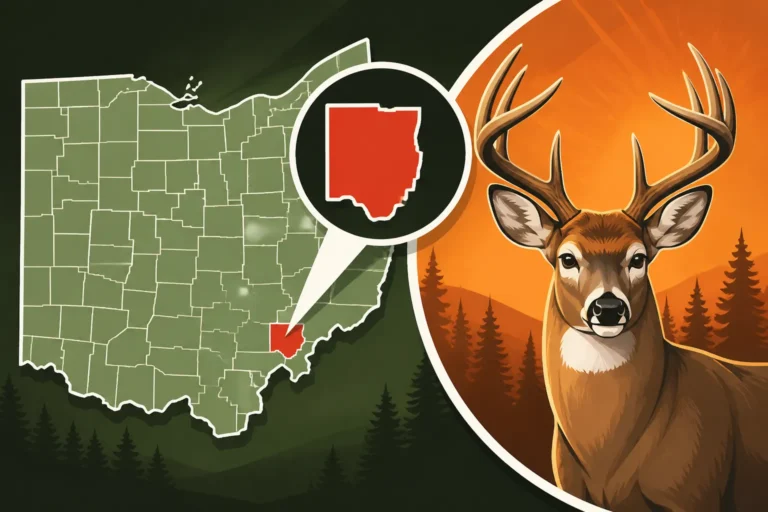
Ohio has a Chronic Wasting Disease (CWD) Surveillance Area (DSA), primarily located in Wyandot, Hardin, and Marion counties, with parts of surrounding counties also included. If you harvest a deer within this DSA, there are additional rules and recommendations you must follow to help prevent the spread of CWD. During certain periods of the gun season (typically the first two days of the main gun season and the youth gun weekend), mandatory testing is required for all harvested deer within the DSA. Hunters must submit the deer's head at designated sampling stations or self-serve kiosks. Understanding Mandatory CWD Testing Windows in the DSA is critical if you plan to hunt in these specific counties.
Even outside mandatory testing windows, hunters harvesting deer in the DSA are encouraged to voluntarily submit samples. Furthermore, there are Ohio Carcass Movement Restrictions if you plan to transport a deer carcass out of the DSA. Generally, only boned-out meat, capes, and antlers (without brain matter attached) can be moved from these restricted areas. The goal is to limit the potential spread of the CWD prion. Staying informed about the latest CWD regulations and adhering to them is a vital part of being a responsible hunter in Ohio. The ODNR provides up-to-date information on their website, and using a resource like GoHunt can help you identify if your hunting area falls within the DSA.
Maximizing Your Chances on Both Weekends
Success in Ohio's gun deer season, whether it's the high-octane opener or the more subdued second weekend, isn't just about luck. It's a combination of diligent preparation, adaptable tactics, and leveraging available resources. No matter your experience level, there are always ways to refine your approach and increase your odds.
Scouting and Pre-Season Preparation
The groundwork for a successful gun season is laid long before opening day, often stretching back into the summer and early fall. Thorough scouting is perhaps the most critical component. This isn't just about finding deer; it's about understanding their habits, their travel patterns, their bedding areas, and their preferred food sources. Spend time walking your hunting areas, looking for sign like rubs, scrapes, tracks, and droppings. Identify pinch points, funnels, and natural barriers that might concentrate deer movement. Using aerial maps, topographical maps, and tools like GoHunt can significantly aid in this process, allowing you to identify potential hotspots from the comfort of your home.
Beyond just finding deer sign, observe the human element. Where do other hunters typically go? Which trails are heavily used? Identifying these patterns can help you find overlooked pockets of habitat where deer might seek refuge. Hanging trail cameras in key areas can also provide invaluable intelligence, showing you not only what deer are present but also when they're moving, which can be critical for planning your stand placement and hunting times. Think about different scenarios: where will deer bed when pressured? Where will they feed when it gets cold? Answering these questions through diligent Scouting Ohio Public Land Before Season will give you a significant edge.
Adaptability and Persistence
Ohio's deer hunting, especially during the gun seasons, rarely goes exactly as planned. The weather can change on a dime, deer can alter their patterns overnight due to pressure, and your "perfect" stand might suddenly be unproductive. This is where adaptability becomes a hunter's most valuable trait. Be willing to change your plans, move your stand, or try a completely different area if your initial strategy isn't producing results. Don't be afraid to experiment with different tactics, such as switching from a still-hunt to a short, quiet drive if you know deer are holed up in a particular thicket.
Persistence is equally important. Even on slow days, staying in the woods, paying attention to subtle clues, and maintaining a positive attitude can lead to unexpected success. The deer that moves through at noon on a cold, blustery day might be the buck of a lifetime. The second gun weekend, in particular, often rewards the persistent hunter who is willing to brave the colder temperatures and work a bit harder. Remember, the challenge is part of the fun, and every outing, even a slow one, is an opportunity to learn more about the deer and the land.
Leveraging Resources Like GoHunt for Success
In today's hunting world, technology can be a powerful ally. Resources like GoHunt provide an incredible array of tools that can enhance your planning and execution for both Ohio gun weekends. Their detailed mapping features, for example, allow you to identify public land boundaries, property ownership lines, topographical features, and even recent satellite imagery. This level of detail is invaluable for scouting, identifying potential ambush points, and understanding how deer might move across a landscape. You can mark waypoints for stand locations, bedding areas, or food sources, and even track your movements in the field.
GoHunt also often provides data overlays that can show past harvest locations, habitat types, and other information that helps paint a clearer picture of your hunting area. For instance, knowing where historical deer activity has been highest, or identifying timber cuts that create new bedding cover, can significantly refine your strategy. This digital scouting, when combined with boots-on-the-ground reconnaissance, creates a powerful preparation method. Whether you're trying to figure out entry routes through standing corn or how to approach a new block of public land, GoHunt can offer insights that save you time and increase your chances of being in the right place at the right time.
Disclaimer
The information provided in this guide is for general informational purposes only and does not constitute legal advice. Hunting regulations and seasons in Ohio can change, and it is the hunter's sole responsibility to consult the most current official Ohio Department of Natural Resources (ODNR) hunting regulations and laws before engaging in any hunting activities. Always prioritize safety, ethical hunting practices, and respect for wildlife and landowners.