Ohio Turkey Tag Transport Rules
Alright, let's talk turkey – specifically, what you need to know about getting your bird tagged and legally moved once you've made a successful harvest here in Ohio. It's a moment of excitement when that gobbler finally commits, but the rush can sometimes make the regulations feel like a confusing hurdle. Nobody wants to deal with a violation after all that hard work, so this guide is here to walk you through the precise Ohio turkey tag transport rules, ensuring you're squared away from the moment of the shot to the final check-in.
Understanding Ohio's Turkey Tagging Essentials
Harvesting an Ohio wild turkey is a thrill, but the excitement of a successful hunt needs to be quickly followed by compliance with state regulations. Properly tagging your turkey immediately after the kill is not just a formality; it's a legal requirement that protects both you and the integrity of wildlife management. Skipping this crucial step or doing it incorrectly can lead to fines and a ruined hunt, so let's make sure you're clear on the initial steps.
Immediate Actions Post-Harvest
The moment your turkey is down and you've confirmed it's ethically dispatched, your very next task is to tend to the tagging. This isn't something you can put off until you get back to the truck or camp. Ohio law is quite specific: the tag must be affixed to the turkey before it's moved from the spot of recovery. This is a common point of confusion, especially if you're hunting in dense cover and might need to drag the bird a bit to a more open area. The spirit of the law, however, is clear: once you have physical possession, the tag goes on.
You'll use the permit that's part of your Ohio Spring Turkey Permit Cost or annual hunting license. This tag usually has several parts: the main permit itself and a detachable portion specifically for field tagging. Before you head out, make sure you know exactly where this tag is in your vest or pack. Some hunters even attach a small pencil or permanent marker to their tags to ensure they can fill it out right away, even in wet conditions. The tag typically requires the date of harvest, the time, and potentially the county where the harvest occurred. Double-check your specific permit for the exact details needed.
The Importance of Proper Field Dressing
While not strictly part of the "tag transport rules," how you field dress your turkey impacts what you transport and how you present it, so it's worth mentioning. For Ohio turkeys, you generally have a couple of options: you can either transport the bird whole, with the beard and spurs naturally attached (if it's a gobbler), or you can field dress it. If you choose to field dress, which many hunters do to lighten the load and start the cooling process, it's critical to leave proof of species and sex attached. For a gobbler, this means leaving the beard and both legs with spurs naturally attached to the carcass. For a hen (if legal during certain seasons or in specific zones, though typically only gobblers are permitted in spring), you’d need to leave a wing attached.
This ensures that game wardens can easily identify the species and sex of the bird, confirming you've harvested a legal animal under the Ohio Spring Turkey Bag Limit rules. Attempting to transport just a breast or a bag of cleaned meat without these identifying features, or without the properly affixed tag, is where hunters can run into significant trouble. It's better to be safe than sorry; when in doubt, leave more attached rather than less.
The Critical Rules for Turkey Tag Transport
Once your turkey is legally tagged at the site of harvest, the next phase involves transporting it. This might seem straightforward, but there are specific regulations in Ohio that dictate how the tag must be displayed and what information must be visible during transit. Understanding these rules is paramount, whether you’re walking a hundred yards to your truck or driving across the state to your home.
Affixing the Tag Securely for Transport
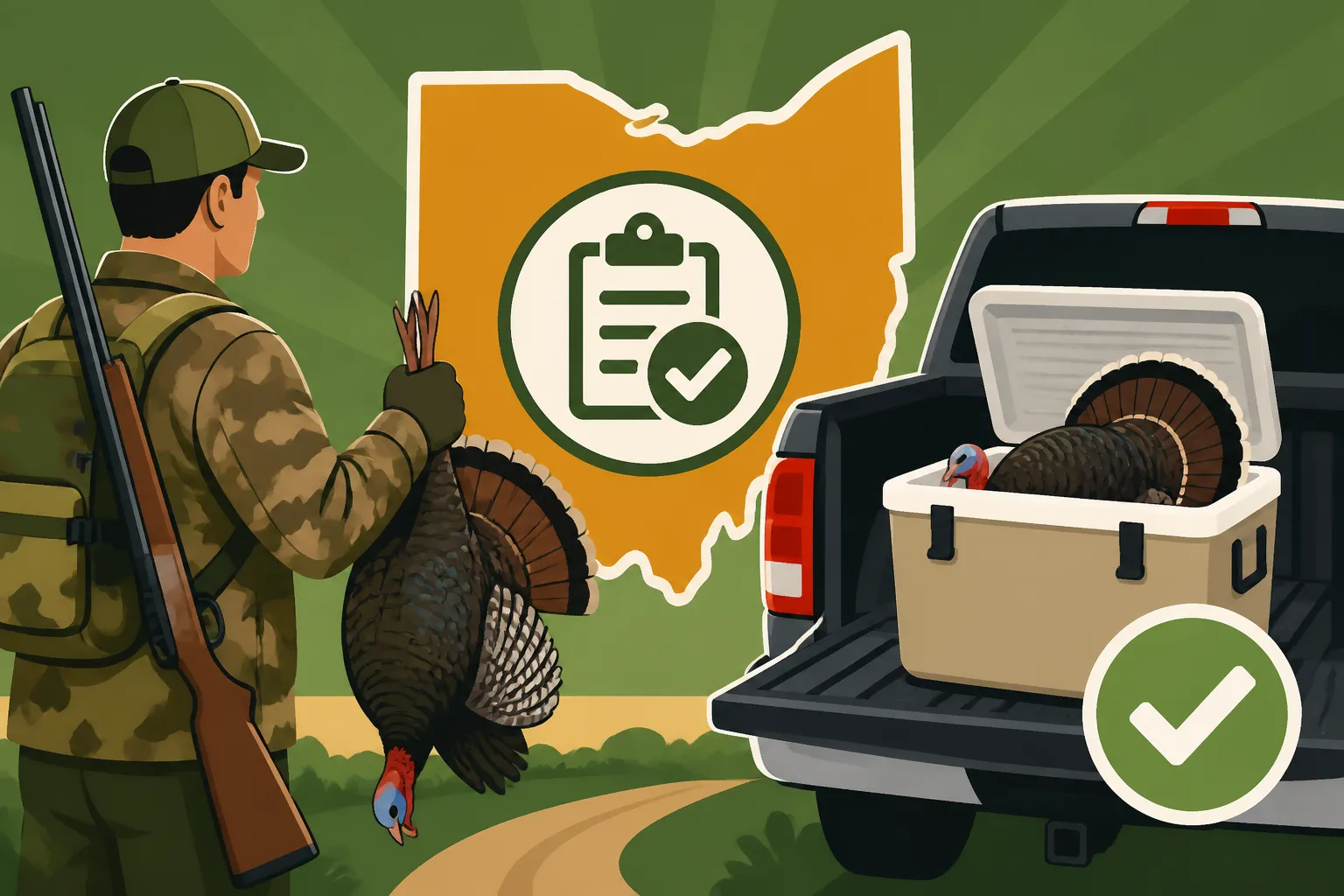
Ohio regulations require that the detachable tag portion be securely affixed to the wild turkey immediately upon harvest. This means it needs to be attached in a way that it won’t fall off during transport. Many tags come with a self-adhesive backing or a string to tie it on. A common and effective method is to loop the tag through a leg tendon or around a prominent part of the bird, like the base of a wing or a leg, and secure it tightly. Some hunters even add a zip tie through the tag and around a leg for extra security, especially if they anticipate a rough walk out of the woods or a long drive.
The critical piece here is that the tag must remain with the turkey until it's officially checked in through the Ohio Department of Natural Resources (ODNR) game check system. While the turkey is in transport – whether in your vehicle, on an ATV, or being carried on foot – the tag must be clearly visible and legible. Imagine a game warden pulling you over or encountering you in the field; they should be able to instantly see and read the filled-out tag without having to search for it. This visible proof of harvest is your primary defense against any accusations of illegal take.
Information Required on the Tag During Transport
The tag itself, once filled out at the harvest site, serves as your temporary permit to transport the turkey. The specific information required on the tag generally includes:
- Date of kill: The exact day you harvested the bird.
- Time of kill: The approximate time of day.
- County of kill: The county where the turkey was taken.
- Sex of the bird: Indication of whether it was a gobbler or a hen.
Make sure your writing is clear and permanent, ideally using a waterproof pen or marker. Smudged or illegible information can cause delays and potential issues with law enforcement. Before you even head into the woods, it’s a good idea to review your actual permit tag and know exactly what fields you’ll need to complete upon harvest. The GoHunt mobile application, while focused on larger game in other states, often reminds hunters of the importance of immediate, accurate tag completion, and that principle applies universally. It’s always best to be prepared rather than fumbling with a pen in the dark or rain.
Checking Your Turkey in Ohio: The Final Step
Transporting your tagged turkey is only one part of the journey. The final, and equally critical, step is to officially check in your harvest with the Ohio Department of Natural Resources (ODNR). This process provides vital data for wildlife biologists and completes your legal obligations as a hunter.
The Game Check System
Once you've successfully transported your tagged turkey, you have a deadline to report your harvest. For wild turkeys taken in Ohio, you must report the kill by 11:30 p.m. on the day of the harvest. This is a firm deadline, and missing it can result in penalties. Ohio provides several convenient ways to check in your game:
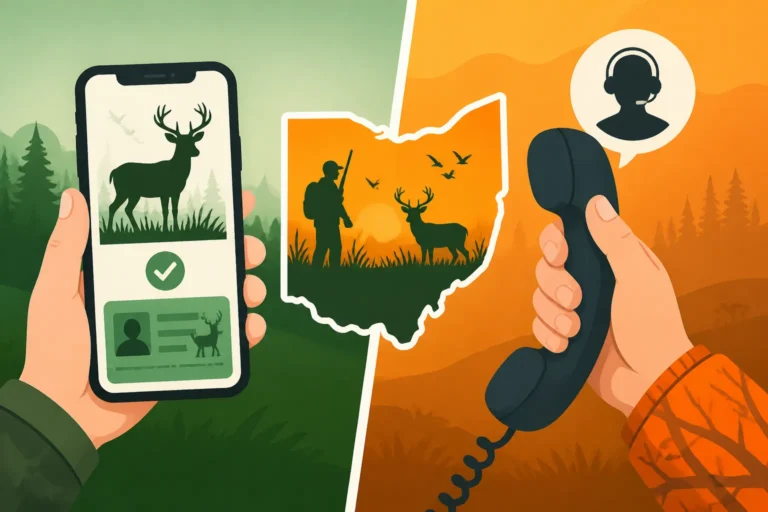
- Online: The easiest and most common method is via the ODNR's dedicated game check website. You'll need your customer ID and the permit number from your turkey tag.
- By Phone: A toll-free number is also available for hunters who prefer to call in their harvest.
- At a Local Agent: While less common for turkeys than for deer, some traditional check stations or license agents may still offer in-person checking. However, the online or phone options are generally preferred for speed and convenience.
During the check-in process, you'll be asked to provide information similar to what you wrote on your physical tag, such as the date, time, and county of harvest, along with the specific details about your permit. This data is crucial for the ODNR to monitor Ohio Turkey Population Trends, assess harvest rates, and make informed management decisions for future hunting seasons.
Receiving Your Confirmation Number
After successfully checking in your turkey, whether online or by phone, you will receive a unique confirmation number. This number is extremely important. It serves as your official record that the turkey has been legally reported. You should write this confirmation number directly on your physical permit tag, often in a designated space, or at least keep it in a safe place.
This confirmation number effectively replaces the need for the physical tag on the bird itself. Once you have this number, you can remove the physical tag from the turkey. You're then free to fully process your bird, whether that's butchering it yourself or taking it to a professional processor. Keep that confirmed tag and confirmation number with your hunting records, just in case you ever need to verify your harvest in the future. It’s your proof of legal compliance.
Summary of Key Tagging & Reporting Steps
To help keep everything straight, here's a quick reference table outlining the critical steps for Ohio turkey tagging and transport:
| Step | Action | Timing | Key Requirement |
|---|---|---|---|
| 1. Field Tagging | Immediately fill out and securely affix the detachable tag from your permit to the harvested turkey. | Immediately upon recovery, before moving the bird from the kill site. | Tag must be legible, filled out (date, time, county, sex), and securely attached. For gobblers, beard and spurs naturally attached. For hens, a wing attached. |
| 2. Transport | Move the tagged turkey from the kill site to your vehicle, camp, or home. | After field tagging. | Tag must remain securely attached and visible. Maintain proof of species and sex (beard/spurs or wing). |
| 3. Game Check-in | Report your harvest to the ODNR via online portal or phone. | By 11:30 p.m. on the day of harvest. | Provide required details (customer ID, permit number, harvest info). Receive and record your unique confirmation number. |
| 4. Post Check-in | Once confirmation number is obtained, the physical tag can be removed, and the turkey fully processed. | After official check-in. | Keep the confirmation number for your records. |
Common Pitfalls and Best Practices for Ohio Turkey Hunters
Even experienced hunters can sometimes make mistakes, especially when regulations shift or in the heat of the moment. Being aware of common pitfalls and adopting best practices can help ensure your turkey hunt concludes without any legal headaches.
Avoiding Common Tagging Errors
One of the most frequent errors is simply forgetting to bring your permit with you, or having it buried so deep in your pack that it’s inconvenient to access right after a kill. Always have your turkey permit (and a reliable pen!) readily accessible in your vest or jacket pocket. Another common mistake is not filling out the tag completely or legibly. Smudged ink, missing dates, or an illegible county can all raise red flags for wildlife officers. Take your time, even if you’re excited, to fill out every required field clearly and correctly.
Another trap hunters fall into is improper attachment. A loosely tied tag can easily snag on brush or fall off during transport, leaving you with an untagged bird and a potential violation. Use that zip tie trick, or whatever method ensures the tag is going nowhere. Remember, the rule isn't just "tag your bird"; it's "keep your bird tagged until check-in." Thinking ahead, maybe even practicing affixing a tag before the season, can save you a lot of trouble.
Utilizing Technology and Resources
In today's world, technology can be a hunter's best friend. Apps like GoHunt, while often focused on Western states, highlight how hunters use digital tools for scouting and planning. While Ohio has its own fantastic resources, similar principles apply. The ODNR's website is an invaluable resource for checking current regulations, understanding Ohio Spring Turkey Zones and Dates, and finding specific details about Ohio Legal Shooting Hours. Before each season, take a few minutes to re-familiarize yourself with any changes.
Many hunters also use mapping apps on their phones to pinpoint their exact location, which can be helpful for accurately noting the county of harvest, especially if you're hunting near county lines in areas like Shawnee State Forest or Wayne National Forest. Knowing how to use these tools, combined with a physical map or a Scouting With the Ohio HuntFish App, provides an edge in preparation and compliance. This blend of traditional knowledge and modern tech will serve you well.
Understanding the Spirit of the Law
Ultimately, these tagging and transport rules are in place for good reasons: to help manage wild turkey populations effectively and to prevent poaching. By properly tagging and checking in your bird, you're contributing valuable data that helps the ODNR ensure healthy turkey numbers for generations to come. When you're out Roost Hunting Ohio Gobblers or simply enjoying the challenge of Calling an Ohio Gobbler Off the Roost, remember that your actions reflect on the entire hunting community.
Carrying a copy of the regulations, or at least having quick access to them on your phone, is a smart move. If you're ever unsure about a specific rule, particularly regarding Ohio Muzzleloader Season Tactics or other specialized hunts, it's far better to look it up or call the ODNR than to guess. For more general information on how hunting regulations are structured, you might find insight in resources covering Ohio Hunter Education Requirements which often emphasize responsible hunting practices. By following these rules diligently, you're not just avoiding a ticket; you're upholding the proud tradition of ethical hunting in Ohio.
Disclaimer
The information provided in this guide is for general informational purposes only and is not intended as legal advice. Hunting regulations can change, and it is the hunter's responsibility to review and comply with all current Ohio Department of Natural Resources (ODNR) hunting laws and regulations before engaging in any hunting activity. Always consult the official ODNR hunting digests or website for the most up-to-date and accurate information.