Ohio CWD Sampling Station Locations
It's incredibly frustrating, isn't it, to finally harvest that deer you've worked so hard for, only to remember the looming concern of Chronic Wasting Disease (CWD) and the sometimes confusing process of getting your animal tested? Nobody wants to deal with extra steps after a successful hunt, especially when you're tired and just want to get that venison taken care of. This comprehensive guide is here to cut through that confusion, giving you a clear roadmap to understanding Ohio's CWD sampling station locations, why they matter, and exactly what you need to do to ensure your harvest is processed safely and responsibly.
Understanding Chronic Wasting Disease in Ohio
Chronic Wasting Disease (CWD) is a serious concern for deer hunters and wildlife enthusiasts across North America, and unfortunately, Ohio is no stranger to its presence. It's a fatal neurological disease that affects cervids, which include deer, elk, and moose. Unlike bacterial or viral infections, CWD is caused by abnormal proteins called prions, which can persist in the environment for years, making it incredibly challenging to manage and contain. The thought of this insidious disease spreading through our beloved white-tailed deer herd is a stark reminder of the responsibilities we carry as hunters and conservationists.
The Threat of Chronic Wasting Disease
Imagine the long-term impact on Ohio's deer population if CWD were to become widespread and unchecked. The disease slowly degrades the brain, causing characteristic symptoms like drastic weight loss, stumbling, listlessness, and behavioral changes, ultimately leading to death. What makes it particularly alarming is its long incubation period, meaning a deer can be infected and spreading prions for months or even years before showing any outward signs. This silent spread is why surveillance through testing is so vital. It's not just about managing individual deer; it's about safeguarding the future of our hunting heritage and the health of the entire ecosystem.
The science behind CWD transmission is complex, but it's understood to spread through direct animal-to-animal contact, as well as indirectly through contaminated environments, including soil, plants, and water, where infected animals have deposited prions through saliva, urine, and feces. For hunters, this means not only being vigilant about the health of the deer you pursue but also understanding the role you play in preventing its spread, especially when handling harvested animals. We all want to see healthy deer thrive, and preventing CWD from taking a deeper hold is a communal effort.
Ohio's CWD Footprint
Ohio's journey with CWD has been a cautious one, marked by the detection of positive cases primarily within specific regions. The Ohio Department of Natural Resources (ODNR) has established what is known as the Chronic Wasting Disease Surveillance Area (DSA) to focus intensive monitoring efforts. This isn't just a randomly drawn line on a map; it's a strategic response to known CWD occurrences, with mandatory and enhanced surveillance measures put in place to monitor the disease's prevalence and spread. Knowing the boundaries of the DSA is paramount for any hunter in Ohio, as it dictates specific rules and requirements for deer harvest and testing. You can learn more about Ohio's Chronic Wasting Disease Surveillance Area through dedicated ODNR resources.
While the DSA is primarily concentrated in parts of north-central Ohio, specifically around Wyandot County where the initial cases were found, it’s crucial to remember that the situation is dynamic. The disease doesn't respect county lines. The ODNR provides updates on which counties are included in the DSA, and understanding why these areas are designated is important for all hunters. For instance, Why Wyandot County Drives Ohio's CWD Numbers is a historical and ongoing topic that highlights the concentrated effort needed in areas with confirmed cases. This targeted approach aims to contain the disease and prevent it from becoming entrenched in other parts of the state, protecting the broader deer population.
Why Sampling is Crucial for Ohio Deer
As hunters, we're often the first line of defense when it comes to wildlife health. The act of bringing a deer to a CWD sampling station, while sometimes an inconvenience, is a powerful contribution to the collective health of Ohio's deer herd. It's not just about checking a box; it's about providing vital data that wildlife biologists need to track, understand, and ultimately combat the spread of CWD. Without hunter participation, the ODNR would be severely hampered in its ability to monitor this disease effectively.
Protecting Ohio's Deer Herd
Think of each sampled deer as a data point in a much larger puzzle. Every sample submitted, especially from within the DSA, helps paint a clearer picture of where CWD exists, its prevalence, and whether it's spreading. This information is absolutely critical for the ODNR to make informed management decisions, such as adjusting harvest quotas, implementing specific carcass movement restrictions, or even initiating targeted management actions in localized hotspots. It's a testament to the fact that hunters aren't just consumers of wildlife; we are active participants in its stewardship.
The long-term health of our deer herd directly impacts the quality of our hunting experiences. A widespread CWD epidemic could decimate local populations, diminish trophy potential, and drastically alter the landscape of deer hunting in Ohio. By participating in sampling, you're helping to ensure that future generations of hunters will have healthy deer to pursue, preserving a tradition that many of us hold dear. It's an investment in the future of Ohio hunting, plain and simple, and it protects the very resource that draws us outdoors each season.
Your Role in Disease Surveillance
Participating in CWD surveillance is a direct way to fulfill your responsibility as a hunter. The ODNR relies heavily on hunters submitting samples during designated periods, particularly during specific mandatory testing windows. For example, during Mandatory CWD Testing Windows in the DSA, hunters harvesting deer in certain counties are required to submit their deer for testing. This requirement isn't meant to be punitive; it's a scientifically driven effort to gather as much data as possible during peak harvest times.
Beyond mandatory testing, voluntary submissions are just as important. Even if you harvest a deer outside the DSA, or outside a mandatory testing window, but notice unusual behavior or symptoms, submitting a sample can be incredibly valuable. If you spot a sick or emaciated animal, knowing how to approach Reporting a Sick Animal in Ohio can also be a significant contribution to wildlife health. Your diligence helps biologists identify potential new areas of concern and adapt management strategies before CWD can take a stronger foothold. It’s an ongoing partnership between hunters and wildlife management professionals, and your awareness is key.
Finding Your Nearest CWD Sampling Station
The idea of finding a CWD sampling station can sometimes feel like a treasure hunt, especially if you're unfamiliar with the process or hunting in a new area. Thankfully, the ODNR has worked to make this as straightforward as possible, offering a variety of options to accommodate hunters across the state. Whether you prefer a full-service station or a quick self-serve option, knowing where to go is half the battle.
ODNR Managed Sampling Stations
During key deer seasons, especially the gun seasons and sometimes during peak archery, the ODNR operates staffed CWD sampling stations. These are often located at ODNR wildlife offices, some state park offices, or temporary sites set up specifically for testing. At these locations, trained personnel are on hand to collect samples, answer questions, and ensure the process is smooth and efficient. It's a great opportunity to interact directly with wildlife staff and get any lingering questions addressed. These stations typically involve you bringing the deer's head, or the entire carcass, depending on specific instructions, and staff will extract the necessary lymph node samples.
These staffed stations are particularly helpful if you're new to the process or have a larger harvest you need assistance with. They provide a reliable, official point of contact for CWD testing. Be sure to check the ODNR website or local hunting regulations for specific hours of operation and what to bring, as these can vary by location and season. Waiting times can sometimes be a factor during busy periods, but the peace of mind knowing your sample is handled by experts is often worth it.
Self-Serve Kiosks and Partner Locations
Recognizing the need for convenience, Ohio has also implemented a network of self-serve CWD sampling kiosks. These are generally accessible 24/7 during hunting season and are often located in remote areas, public land trailheads, or convenient spots within and around the DSA. These kiosks are a game-changer for hunters who might be finishing a late hunt or those hunting far from a staffed station. You'll typically find detailed instructions at the kiosk, along with collection kits, where you'll be guided to collect specific lymph node samples from the deer's head.
In addition to self-serve kiosks, many taxidermists and meat processors within or near the DSA have partnered with the ODNR to serve as CWD sampling locations. This is incredibly convenient as it integrates the sampling process directly into where you'd likely take your deer anyway. They are often equipped to collect the necessary samples as part of their regular services, simplifying the post-harvest logistics for hunters. Always confirm with your chosen taxidermist or processor if they are an official CWD sampling partner before you arrive. It’s a great way to handle the test while you're already doing other necessary steps, like processing the meat or dropping it off for a mount.
Here's a quick overview of typical sampling station types:
| Station Type | Access & Hours | Service Provided | Ideal For | Considerations |
|---|---|---|---|---|
| ODNR Staffed Station | Limited Hours/Season | Staff-assisted sample collection | New hunters, questions, larger harvests | Can have wait times; confirm operating hours |
| Self-Serve Kiosk | 24/7 During Season | Hunter-collected sample with kit | Remote areas, after-hours, quick drop-off | Requires hunter to follow instructions carefully |
| Taxidermist/Processor | Business Hours | Staff-assisted sample (often paid) | Integrating with existing post-harvest plans | Confirm partnership status; potential for fees |
Using Digital Tools for Location Scouting
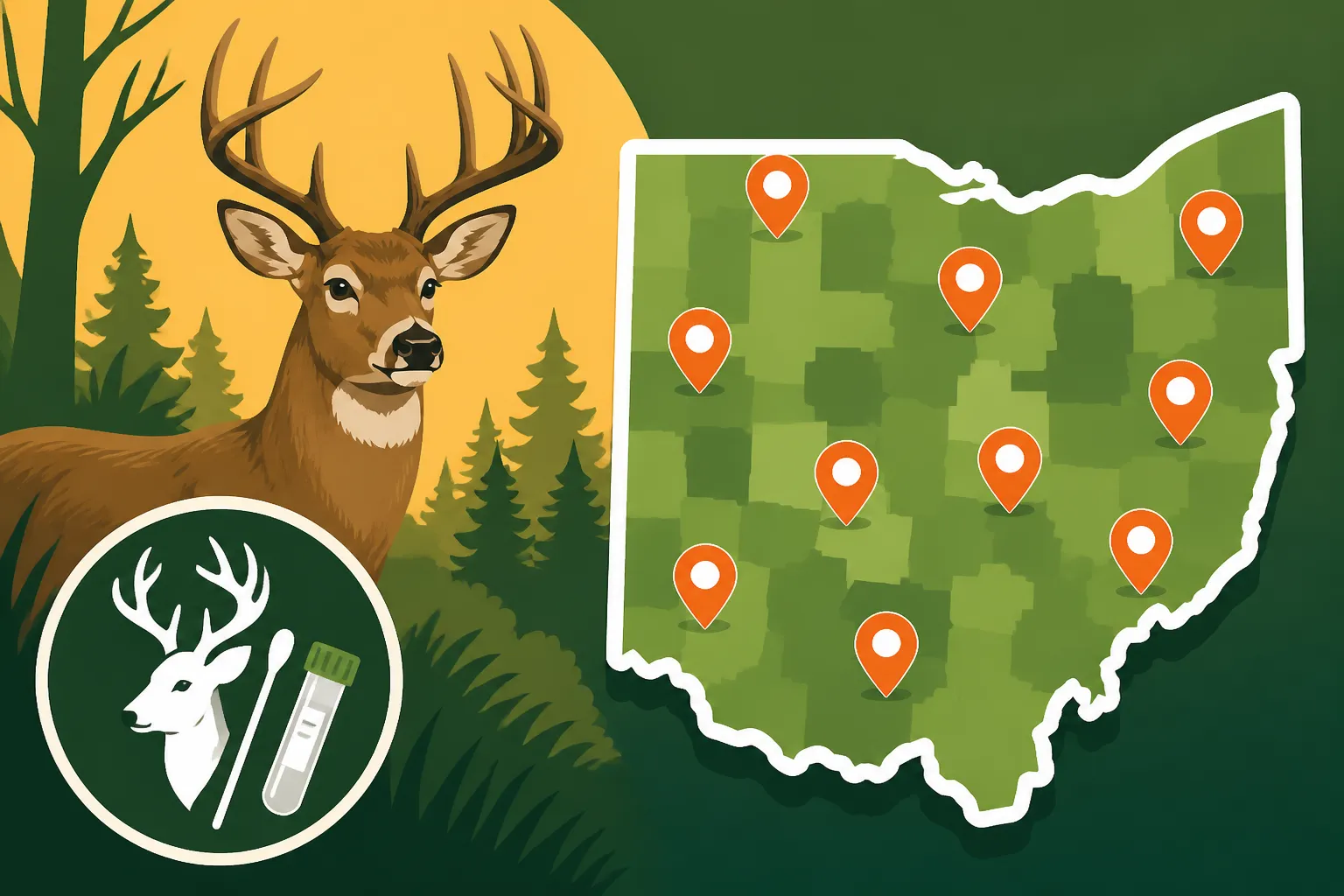
In today's digital age, finding CWD sampling station locations has never been easier. The ODNR provides interactive maps on their website, allowing you to pinpoint the exact locations of both staffed stations and self-serve kiosks. These maps are regularly updated, so it's always best to check for the most current information before heading out. They often include critical details like operating hours, specific dates of mandatory testing, and contact information.
Many savvy hunters also rely on advanced mapping applications like the Ohio HuntFish App or even third-party platforms such as GoHunt to help with their planning. These tools can often overlay public land boundaries, access points, and sometimes even points of interest like sampling stations, making it easier to plan your route and determine the most convenient drop-off spot. Before your hunt, take a few minutes to familiarize yourself with these digital resources. Knowing exactly where you'll go after the shot can significantly reduce stress and ensure compliance with CWD regulations, especially when you're preparing for Ohio Deer Checking and Reporting Rules. Planning ahead using these digital aids is just smart hunting.
The Sampling Process: What to Expect
Even with the best intentions, the actual process of getting a CWD sample collected can feel a bit daunting if you've never done it before. Knowing what to expect, and how to prepare your harvest, can make the experience much smoother and help ensure accurate results. Remember, the goal is to get a clean, usable sample that provides accurate data, so a little preparation goes a long way.
Preparing Your Deer for Testing
Whether you're heading to a staffed station or a self-serve kiosk, proper preparation of your deer is crucial. For CWD testing, the ODNR primarily collects lymph node samples from the head of the deer. This means you will need to bring at least the head of your harvested deer. Many hunters choose to quarter their deer in the field and only transport the head. If you transport the entire carcass, ensure it is kept cool, especially during warmer early archery seasons. You can refer to tips for Field Dressing a Deer in Cold Weather or using game bags and coolers for Coolers and Game Bags for Early Archery to keep the carcass viable.
When bringing the head, it's best to leave about 4-6 inches of neck attached to ensure the lymph nodes are intact and easily accessible. The ODNR explicitly states how to prepare the head for submission. Make sure the head is relatively clean, free of excess debris or large amounts of blood, as this can hinder the sampling process. If you’re unsure, a quick rinse with water can help. Don't forget your deer permit number and other identifying information, as this will be required to link the sample to your specific harvest. Without this information, the sample cannot be properly processed and reported.
The Collection Procedure
At a staffed station, a trained ODNR biologist or technician will collect the lymph node samples. They use specialized tools to make a small incision and carefully remove the retropharyngeal lymph nodes, which are located near the base of the deer's jaw. This process is quick and efficient. They'll then place the samples into a labeled vial or bag, ensuring all necessary information (your permit number, harvest location, date, etc.) is recorded accurately. You won't need to do anything but present your deer and provide your details.
If you're using a self-serve kiosk, you'll find a CWD sampling kit with detailed, step-by-step instructions, often including diagrams or QR codes linking to instructional videos. These kits typically contain gloves, a sterile collection tool, a sample bag or vial, and forms. You'll be guided to locate and extract the lymph nodes yourself. While it might sound intimidating, the instructions are usually quite clear. Once collected, you'll seal the sample and complete the necessary paperwork, then deposit everything into the designated collection bin at the kiosk. It's vital to follow these instructions precisely to ensure the sample is viable for testing and your harvest is properly reported.
Receiving Your Results
Once your sample has been collected and submitted, it will be sent to a certified lab for analysis. The turnaround time for results can vary depending on the volume of samples, the time of year, and the specific lab's workload. Generally, the ODNR aims to provide results within a few weeks, but during peak hunting season, it could take longer. Patience is definitely a virtue here! You can usually check the status of your results online through the ODNR's dedicated CWD portal, using the unique identification number provided to you at the time of submission.
When your results are ready, you'll be notified, typically via email or by checking the online portal. If your deer tests negative for CWD, you can proceed with confidence, knowing your venison is safe to consume. In the rare event of a positive CWD test, the ODNR will contact you directly to provide further guidance and support. They'll explain the implications and what steps you should take regarding the carcass and any venison you may have. While a positive result is disheartening, it reinforces the importance of the sampling program and helps prevent further spread.
Carcass Movement Restrictions and Safety
Understanding carcass movement restrictions is just as important as knowing where to find a sampling station, especially if you harvest a deer within Ohio's Chronic Wasting Disease Surveillance Area (DSA). These rules are designed to prevent the physical transportation of CWD prions to uninfected areas, which is a key strategy in containing the disease. It's an inconvenient truth, but one we must adhere to for the greater good.
Rules for Transporting Deer Carcasses
When you harvest a deer within the DSA, there are strict rules about what parts of the carcass you can transport outside of that area. Generally, you are only permitted to remove the following from the DSA:
- Deboned meat
- Antlers, or antlers attached to a clean skull plate with no brain tissue
- Hides without the head attached
- Finished taxidermy products
This means you cannot transport whole deer carcasses, cervid carcasses with the head still attached, or any spinal column material out of the DSA unless it's going directly to a CWD sampling station or a licensed processor within the DSA. These regulations are in place because the brain and spinal cord are the primary locations where CWD prions accumulate. Adhering to these rules is a critical component of preventing the disease from spreading to new counties. For a complete understanding of these rules, it's highly recommended to consult Ohio Carcass Movement Restrictions directly on the ODNR's official website. Ignoring these rules, even unintentionally, could have significant consequences for the deer herd and potentially for you.
Safe Handling of Potentially Infected Game
Regardless of whether your deer is in the DSA or not, practicing safe handling procedures is always a good idea when processing any wild game. While CWD is not known to be transmissible to humans, public health officials recommend that hunters avoid consuming meat from animals that test positive for CWD. This cautious approach is prudent, as research on zoonotic transmission is ongoing. Therefore, proper field dressing and processing are not just about good hygiene; they're about minimizing any potential risk.
Always wear gloves when field dressing and processing deer. Avoid contact with brain and spinal tissues, and when butchering, consider using separate tools for processing deer harvested in CWD areas. Once the venison is processed, thoroughly clean all tools, surfaces, and hands with soap and water. These simple steps can significantly reduce the risk of spreading any potential prions in your home or processing area. It's all part of being a responsible hunter and ensuring that Handling Venison From a DSA County Safely is a top priority.
Beyond the Stations: Hunter Responsibilities and Resources
While knowing where to find CWD sampling stations is a crucial piece of the puzzle, your responsibilities as an Ohio hunter extend beyond just submitting a sample. Staying informed and utilizing available resources can further empower you in the fight against CWD and contribute to the overall health of our wildlife. It’s an ongoing commitment, not just a seasonal task.
Staying Informed on CWD Updates
The CWD situation is dynamic, with new research, updated regulations, and potentially new detections occurring regularly. Therefore, staying informed is paramount. The ODNR is the primary source for all official updates regarding CWD in Ohio. Regularly checking their wildlife division website, subscribing to their newsletters, and following their social media channels are excellent ways to keep abreast of the latest information. Changes to the DSA boundaries, new mandatory testing windows, or updated carcass movement restrictions will all be announced through these official channels.
Don't rely solely on word-of-mouth or outdated information. Before each hunting season, make it a habit to review the most current hunting regulations and any CWD-specific advisories. This proactive approach ensures you're always in compliance and equipped with the knowledge to make responsible decisions in the field. Understanding the big picture of Ohio Deer Season Structure Explained is also critical, as CWD regulations often integrate with these broader season dates. Your diligence helps not only yourself but the entire hunting community in Ohio.
Additional Resources for Hunters
The ODNR offers a wealth of resources designed to help hunters navigate CWD and other wildlife management topics. Beyond the CWD sampling station locator, their website hosts comprehensive FAQs, detailed maps, and educational materials. If you have specific questions that aren't answered online, don't hesitate to contact your local ODNR wildlife district office. Their staff are knowledgeable and eager to assist hunters in understanding and complying with regulations.
Furthermore, consider taking a refresher course in Ohio Hunter Education Requirements, even if you're a seasoned veteran. These courses often cover the latest wildlife disease information and best practices. There are also many reputable hunting organizations and conservation groups that provide valuable insights and advocacy regarding CWD. Engaging with these resources and communities can broaden your understanding and allow you to contribute meaningfully to the ongoing conservation efforts. Tools like GoHunt can also be a valuable resource for general hunting information and mapping, complementing official ODNR information. Remember, we're all in this together, and the more informed and proactive we are, the better we can protect Ohio's incredible deer herd.
Disclaimer
The information provided in this guide is for general informational purposes only and is subject to change. While we strive to provide accurate and up-to-date content, hunting regulations, CWD surveillance areas, and sampling procedures are determined by the Ohio Department of Natural Resources (ODNR) and can be updated without prior notice. Always consult the official ODNR hunting regulations and website (ohiodnr.gov) for the most current and authoritative information before planning or engaging in any hunting activities. It is the hunter's responsibility to know and comply with all applicable laws and regulations.