Ohio Squirrel and Rabbit Season Rules
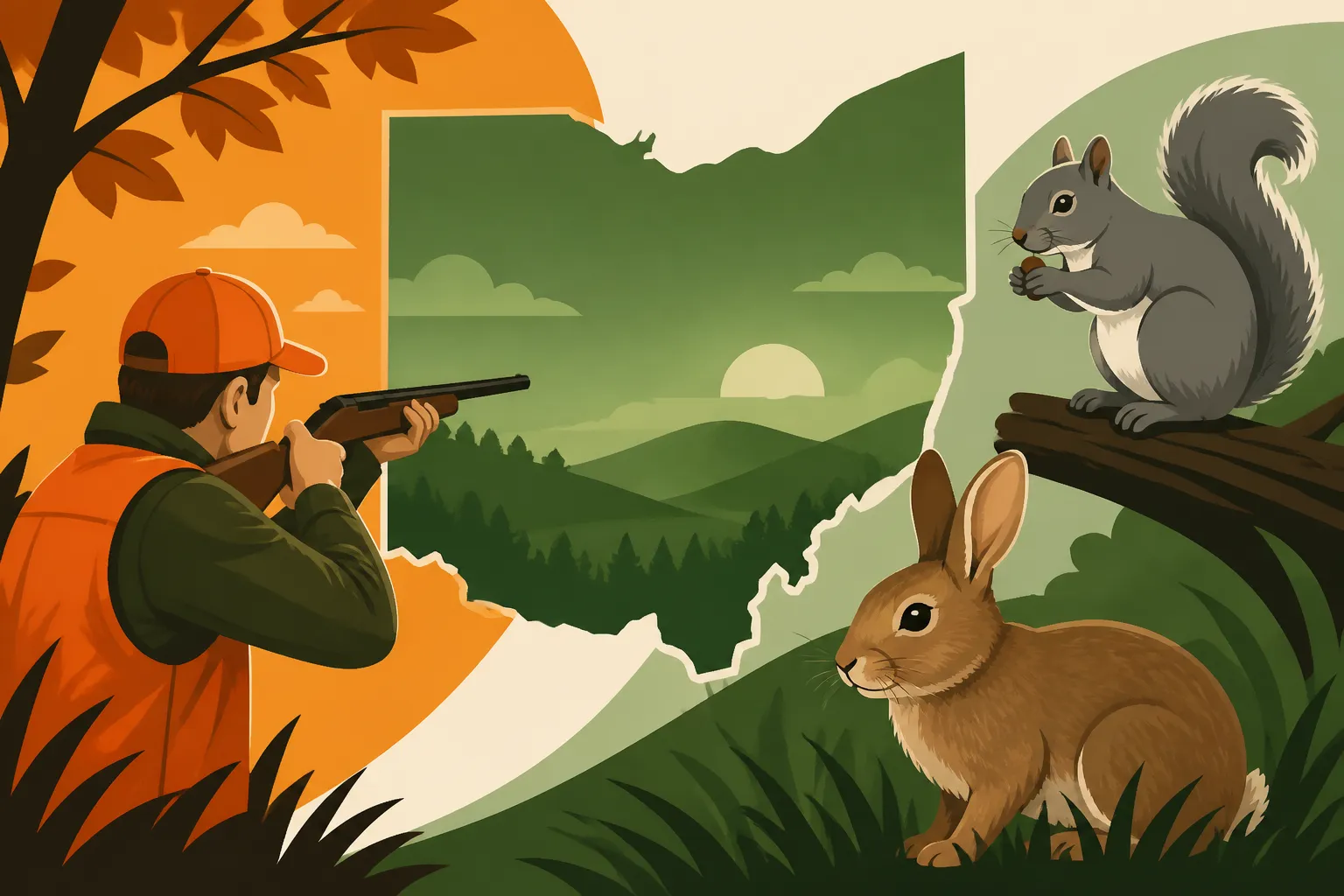
There's nothing quite like the crisp autumn air or a quiet winter morning spent pursuing Ohio's abundant small game. But let's be honest, figuring out the exact rules and regulations for squirrel and rabbit season in Ohio can sometimes feel like trying to untangle a snarled fishing line – a bit frustrating and confusing if you don't know where to start. This guide is here to cut through the jargon, lay out all the essential season dates, license requirements, bag limits, and ethical considerations so you can confidently hit the woods, fields, and fencerows.
Understanding Ohio's Small Game Seasons
Ohio offers fantastic opportunities for small game hunters, and squirrel and rabbit are often the entry point for many new hunters, or a cherished tradition for veterans. But before you even think about loading up, you've got to know when it's legal to be out there. The Ohio Department of Natural Resources (ODNR) sets these seasons with a lot of thought given to population health, breeding cycles, and hunter opportunity.
Key Dates for Squirrel Season
For many, squirrel season marks the true beginning of the fall hunting rhythm. In Ohio, the squirrel season generally kicks off in early September, offering hunters a chance to get out before the deer woods get too busy. This early start means you'll often be hunting when the leaves are still mostly green, and the temperatures are much milder than later in the year. Squirrel season typically runs all the way through January, giving you plenty of time to pursue both fox and gray squirrels across the state's diverse habitats.
This long season is a real blessing, allowing for different hunting styles. Early in the season, when the leaves are thick, you might find success by still-hunting slowly, listening for the tell-tale rustle of leaves or the chatter of a squirrel cutting nuts. As the season progresses and the leaves fall, visibility increases, making it easier to spot squirrels at a distance, particularly up in the oaks and hickories. Just remember to double-check the ODNR's official regulations each year, as exact dates can shift slightly. You don't want to be caught out on a day that's not open, even if it's just by a few days.
Key Dates for Rabbit Season
Ah, the cottontail – a staple of Ohio small game hunting and, for many, a nostalgic pursuit. Ohio's rabbit season usually begins in early November, often overlapping with the start of firearm deer seasons. This can be a bit of a challenge if you're trying to balance multiple hunting interests, but it also means cooler weather, which is often preferred for more active rabbit hunting, especially with dogs. The season typically extends through late February, providing ample opportunity for winter hunts, which can be incredibly productive, especially after a fresh snowfall.
Hunting rabbits in the late season, particularly in January and February, can be a fantastic way to extend your hunting year. When the snow covers the ground, rabbit tracks are easy to spot, and their preferred cover, like thick fencerows and brush piles, stands out more. Just be mindful of other hunters, particularly if you're hunting on public land during any overlapping deer seasons. Safety is always paramount. Knowing when Ohio Rabbit Season Opening Day is and having those dates locked in your memory or marked on your calendar is key to a successful start.
Why Seasons Matter So Much
You might wonder why we have such specific dates for hunting. It's not just to give us something to look forward to! The ODNR sets these seasons based on scientific data, including population surveys, reproductive cycles, and habitat conditions. For squirrels, the early fall opening allows for hunting after the primary breeding and rearing period, ensuring young squirrels have had a chance to mature. For rabbits, a later start helps ensure that most of the spring and summer litters are grown and self-sufficient.
These regulations are crucial for sustainable hunting. They ensure that we can enjoy robust squirrel and rabbit populations for years to come. Think of it as managing a renewable resource; we take what's available without jeopardizing the future supply. Respecting these season dates isn't just about following the law; it's about being a responsible conservationist and ensuring that our kids and grandkids will have the same fantastic opportunities we do. It's about protecting the very traditions we hold dear.
Essential Licensing and Permits for Small Game
Before you even step foot in the woods or fields, you absolutely need to make sure your paperwork is in order. It's a common oversight, especially for those new to hunting, but having the correct licenses and permits is non-negotiable. Without them, you're not just risking a fine; you're undermining the system that funds wildlife management and conservation efforts across the state.
Ohio Resident vs. Non-Resident Licenses
Ohio makes it pretty clear when it comes to who needs what. If you've been an Ohio resident for at least six consecutive months, you're eligible for a resident hunting license, which is generally more affordable. If you're coming in from out of state, you'll need a non-resident hunting license. It's a common point of confusion, but your driver's license doesn't automatically determine residency for hunting purposes – that six-month rule is key.
You can purchase your license easily online through the ODNR's Wild Ohio customer portal, by phone, or at various license vendor agents throughout the state, like sporting goods stores or bait shops. Make sure you get the annual hunting license; small game doesn't usually require additional permits beyond that, unlike deer or turkey. It's a straightforward process, but if you're ever unsure, the folks at the ODNR wildlife districts are always happy to help. For a detailed breakdown, you might want to check out information on Ohio Resident Hunting License Options or even specific costs if you're a visitor, like the Ohio Nonresident Hunting License Options.
Youth and Apprentice Hunter Provisions
Ohio is big on getting the next generation outdoors, which is why they have specific provisions for youth hunters. Generally, anyone under the age of 18 needs a youth hunting license. These are often offered at a reduced cost, making it more accessible for families. Importantly, young hunters usually need to be accompanied by a licensed, non-hunting adult or a licensed adult hunter who meets specific mentor requirements. This ensures safety and proper guidance in the field.
The state also has an "Apprentice Hunter" program, which is a fantastic way for new hunters of any age to try hunting before completing a full hunter education course. An apprentice license allows an individual to hunt under the supervision of a licensed adult mentor. This mentor must be 21 years of age or older and have a valid hunting license. It's an excellent way to learn the ropes directly from an experienced hunter in a real-world setting. If you're thinking about introducing someone new to the sport, definitely look into the Ohio Apprentice Hunter Rules. It lowers the barrier to entry and helps foster a love for hunting responsibly.
General License and Permit Table
To help keep things clear, here's a quick overview of typical license requirements for small game in Ohio. Always verify current regulations with the Ohio Department of Natural Resources before heading out.
| License Type | Eligibility | Required for Small Game? | Additional Permits/Stamps | Notes |
|---|---|---|---|---|
| Ohio Resident Hunting License | Ohio resident for 6+ months | Yes | No | Must carry proof of residency. |
| Ohio Non-Resident Hunting License | Not an Ohio resident | Yes | No | Options may include annual or short-term licenses. |
| Youth Hunting License (Resident/Non-Resident) | Under 18 years of age | Yes | No | Requires adult supervision; age rules vary. |
| Apprentice Hunting License | Any age, new to hunting | Yes | No | Requires supervision by a licensed adult mentor (21+). |
| Federal Duck Stamp | All migratory waterfowl hunters (16+ years old) | No (for squirrel/rabbit) | N/A | Required for birds like ducks, geese, but not small game. |
| Ohio Wetlands Habitat Stamp | All migratory waterfowl hunters (16+ years old) | No (for squirrel/rabbit) | N/A | Same as Federal Duck Stamp. |
Bag Limits and Legal Hunting Hours
Once you've got your license in hand, the next crucial piece of information involves how much game you can legally harvest and when you're allowed to be hunting. These rules are designed to ensure fair chase, manage wildlife populations responsibly, and maintain safety for everyone recreating outdoors. Skipping over these details isn't just risky; it shows a lack of respect for the resource and the laws put in place to protect it.
Daily and Possession Limits for Squirrels
Ohio's squirrels are generally quite abundant, which is reflected in their generous bag limits. For both fox and gray squirrels, the daily bag limit is typically six animals per hunter. This means that in any single calendar day, you can harvest up to six squirrels. Now, a "possession limit" is different from a "daily bag limit." While the daily limit is what you can shoot in one day, the possession limit refers to the total number of animals you can have in your possession at any given time, regardless of how many days it took you to harvest them. For squirrels, the possession limit is usually double the daily limit, meaning twelve squirrels.
This distinction is important, especially if you're on a multi-day hunting trip or you're processing your game at home. For instance, if you shoot six squirrels on a Saturday, you've met your daily limit. If you shoot another six on Sunday, you now have twelve squirrels, which means you've also met your possession limit. You wouldn't be able to shoot any more until some of those harvested squirrels are consumed or legally gifted. These limits help distribute the harvest among more hunters and prevent over-harvesting specific areas.
Daily and Possession Limits for Rabbits
Similar to squirrels, Ohio's rabbit populations are generally healthy, supporting a good hunting season. The daily bag limit for cottontail rabbits is usually four animals per hunter. So, if you're out with your trusty beagle, or just walking up cottontails from brush piles, you can legally take four rabbits in a single day. The possession limit for rabbits also typically follows the pattern of being double the daily limit, meaning you can possess up to eight rabbits at any one time.
Again, understanding both daily and possession limits is key. If you fill your daily limit of four rabbits on a Monday, and then go out and take another four on Tuesday, you've now hit your possession limit of eight. No more rabbits for you until you've processed or consumed some of that tasty wild game! These limits are designed to prevent local populations from being unduly impacted by intense hunting pressure and encourage hunters to make good use of what they harvest. They're a vital part of responsible wildlife management.
Legal Shooting Hours
This is a critical rule that's often overlooked by new hunters, or misinterpreted. For most small game in Ohio, including squirrels and rabbits, hunting is permitted from one-half hour before sunrise to sunset. This means you can't be out there spotlighting rabbits at night, and you can't be waiting for squirrels to wake up at the first hint of twilight before the official half-hour window.
The "one-half hour before sunrise to sunset" rule is pretty standard across many game species and helps ensure fair chase and safety. Hunting in low light or darkness increases the risk of misidentifying targets, leading to potential accidents. Always carry a reliable light source, like a headlamp, even if you plan to be out only during legal shooting hours. You never know when a hunt might extend slightly longer than planned, or you might need to track a downed animal. It’s a good practice to check a sunrise/sunset table for your specific location on the day you plan to hunt. Many weather apps or hunting apps like GoHunt will have this information readily available. Understanding Ohio Legal Shooting Hours is essential for every hunter.
Approved Methods and Equipment
Hunting small game in Ohio, particularly squirrels and rabbits, offers a wonderful diversity in methods and equipment. What you choose often depends on your personal preference, the habitat you're hunting, and even the time of year. However, it's paramount that whatever you use falls within Ohio's legal regulations. Ignorance of the law is never an excuse, and violating equipment rules can lead to serious penalties.
Permitted Firearms and Ammunition
When it comes to firearms for squirrel and rabbit, Ohio offers quite a bit of flexibility. For squirrels, many hunters opt for a .22 caliber rimfire rifle. These are quiet, accurate, and economical to shoot, making them perfect for headshots that preserve meat. Shotguns, typically in 12, 20, or .410 gauge, loaded with small shot sizes (like 6 or 7.5), are also very popular, especially if squirrels are moving quickly or if you're hunting in denser cover where quick, close-range shots are more common. You can learn more about suitable firearms in the guide, .22 Rifles for Early Season Squirrels.
For rabbits, shotguns are often the preferred choice, especially when hunting with dogs or when pushing through thick cover where rabbits might flush quickly. Again, 12, 20, or .410 gauges with shot sizes 6 or 7.5 are common. Some hunters will use a .22 rifle for rabbits, particularly if they are still-hunting or hunting very cautiously in open areas where a clean shot on a stationary rabbit is possible. However, the faster, more erratic movement of a flushed rabbit often makes a shotgun the more practical and effective choice. Remember that whatever firearm you use, it needs to be legally possessed and used in a safe manner. For more on shotgun specifics, check out Shotguns for Ohio Squirrel and Rabbit.
Use of Dogs for Hunting Squirrel and Rabbit
Hunting small game with dogs is a deeply cherished tradition in Ohio, and for good reason. Dogs not only add an incredible layer of excitement and camaraderie to the hunt, but they can also significantly increase your success rate and aid in ethical recovery.
For squirrels, specialized squirrel dogs, often cur breeds or various hounds, are trained to locate squirrels by scent and sight, then "tree" them – barking relentlessly at the base of the tree until the hunter arrives. This method is incredibly effective and a joy to experience. For rabbits, beagles are the undisputed champions. Their keen noses and tireless energy are perfect for rooting out cottontails from thick briar patches and fencerows, pushing them into the open for a clean shot. Running Beagles on Ohio Cottontails covers this in detail, describing how these dogs follow the scent trail, baying as they go, creating a thrilling soundscape in the woods.
When hunting with dogs, remember to keep them under control, especially on public land or near private property where you don't have permission. Ohio law requires dogs to be under reasonable control, and some public lands may have specific rules regarding dog training or off-leash activity outside of hunting seasons. Always have a leash handy and ensure your dog is identifiable with proper tags. Using GPS collars, like those offered by Garmin or SportDOG, is also a smart move, especially in dense cover where dogs can quickly get out of sight.
Important Safety Considerations
Safety is paramount in all hunting activities, and small game hunting is no exception. While the calibers and shot sizes are smaller than for deer, the potential for accidents is still very real.
First and foremost, always follow the four fundamental rules of firearm safety:
- Treat every firearm as if it were loaded.
- Always point the muzzle in a safe direction.
- Be sure of your target and what is beyond it.
- Keep your finger off the trigger until you are ready to shoot.
Secondly, blaze orange is critically important, even if not always legally mandated for small game (though it usually is during overlapping firearm seasons). Ohio generally requires hunters to wear a certain amount of hunter orange during deer gun season. During other seasons, while not always required by law for small game, it's highly recommended, especially on public lands where other hunters may be present. A blaze orange hat and vest can make you much more visible to other hunters, dramatically reducing the risk of a mistaken identity incident. It's a simple, effective safety measure. For specific requirements, see Ohio Blaze Orange Requirements. Additionally, when hunting with dogs, consider dressing your dogs in bright, reflective vests as well.
Finally, always be aware of your surroundings. Whether you're still-hunting for squirrels or chasing rabbits with hounds, know where roads, houses, and property lines are. Don't take chances with ricochets or stray pellets. Using mapping tools like the GoHunt app can be incredibly helpful for identifying property boundaries and staying safe.
Where to Hunt Small Game in Ohio
One of the beautiful things about small game hunting in Ohio is that opportunities abound, sometimes in places you might not expect. From vast public forests to humble fencerows on private farmland, there's likely a spot within a reasonable drive for you to pursue squirrels and rabbits. The key is knowing where to look and, just as importantly, how to get legal access.
Public Land Opportunities
Ohio boasts a robust system of public lands managed by the ODNR, the U.S. Forest Service, and other agencies, providing thousands of acres accessible to hunters. State wildlife areas are prime spots for small game. These areas are specifically managed for wildlife habitat, often featuring diverse landscapes that can hold healthy populations of squirrels and rabbits. You'll find a mix of woodlands, brushy fields, and edge habitats that both species love. The ODNR provides detailed maps and information on its website, and digital mapping platforms are invaluable for scouting these areas. For a general overview, check out Public Hunting Land in Ohio.
Another excellent option, particularly for squirrel hunters, is the Wayne National Forest in southeastern Ohio, as well as various state forests like Shawnee, Zaleski, and Tar Hollow. These vast tracts of timber, especially those with mature oak and hickory stands, are squirrel heaven. While some areas can see significant deer hunting pressure, especially during gun season, many pockets of these forests offer quiet solitude for the small game hunter. Navigating these larger areas can be made much easier with apps like GoHunt, which overlays property boundaries and topo maps, showing you exactly where you can legally hunt. Using tools like the Ohio HuntFish app can also help you pinpoint specific Ohio Wildlife Areas near you.
Securing Private Land Access
While public lands are great, securing access to private land can often lead to less pressured hunting and, sometimes, even more abundant game. Ohio is predominantly private land, especially in the more agricultural northern and western parts of the state. Many farmers are amenable to allowing small game hunting, particularly for rabbits that can sometimes cause agricultural damage.
The key to getting permission is respectful communication. Always ask, never assume. Knock on doors, introduce yourself, explain your intentions clearly, and offer to share some of your harvest. Be polite, dress neatly, and offer to leave your contact information. Timing is also important; asking well before the season opens, rather than the morning of, shows forethought and respect. Offering to help with small chores around the farm can also go a long way in building goodwill. Make sure you understand the landowner's specific rules – where they want you to hunt, what gates to close, and if they have any areas off-limits. You can find more comprehensive advice in articles like Getting Private Land Permission in Ohio or Knocking on Doors in Ohio Farm Country. A written permission slip, even a simple one, is always a good idea to avoid any misunderstandings.
Habitat Hotspots for Squirrels and Rabbits
Understanding the preferred habitat of squirrels and rabbits is crucial for successful hunting, no matter if you're on public or private ground. They each have distinct preferences, though there can be some overlap.
For Squirrels: Think mast-producing trees. Oak and hickory groves are absolute magnets for squirrels, especially during the fall when they are actively foraging and burying nuts. Areas with mature timber and a good understory of smaller trees and brush provide both food and escape cover. Look for signs like cut nut shells on logs, squirrel nests (dreys) high in the branches, or even mud rubbed on tree trunks from squirrels climbing. Creek bottoms with large sycamores and cottonwoods can also be productive. For targeted advice, consider exploring Squirrel Hunting Ohio Oak Ridges.
For Rabbits: Rabbits are creatures of the edge. They thrive in areas where thick cover meets open feeding grounds. Think fencerows choked with briars and brush, overgrown fields, clear-cuts with dense new growth, brush piles, and the edges of woodlots. These spots provide them with refuge from predators and easy access to grasses and forbs for food. Dense cover is their sanctuary. When hunting rabbits, focus your efforts on these thick, nasty-looking areas that most people walk past. If you're running beagles, they'll often shine in these places, pushing rabbits out. For more specific tactics, check out Rabbit Hunting Thick Ohio Fencerows.
By understanding these habitat preferences and utilizing mapping tools, you can effectively scout and target promising areas, increasing your chances of a rewarding small game hunt in Ohio.
Best Practices and Ethical Hunting
Hunting small game in Ohio is more than just knowing the rules and having the right gear; it's about upholding a tradition of respect for wildlife, the land, and other outdoor enthusiasts. Ethical hunting practices ensure that our privileges are protected and that we leave a positive legacy for future generations.
Respecting the Resource and Other Hunters
Every time we step into the field, we carry a responsibility to act ethically. This means making clean, humane shots and making every effort to recover any game you hit. No one wants to wound an animal and not find it. For small game like squirrels and rabbits, this often means waiting for a clear shot and understanding the limitations of your firearm and ammunition.
Beyond the game itself, we must respect other hunters, hikers, birdwatchers, and landowners. On public land, this means giving other users ample space, minimizing noise, and being courteous. If you see someone else hunting an area, it's generally good etiquette to move to a different spot or at least communicate your intentions clearly and politely. If you're using dogs, ensure they are trained to respond to your commands and don't harass other wildlife or people. Always be mindful of noise, especially if you're hunting with a vocal dog or during popular deer hunting periods. The goal is for everyone to have a safe and enjoyable experience outdoors.
Game Care in the Field
Proper game care starts immediately after the harvest. Small game, especially when temperatures are mild, can spoil quickly if not handled correctly. The most important step is to field dress your animal as soon as possible. For squirrels and rabbits, this usually means gutting them quickly to allow the carcass to cool down.
After field dressing, get the animal cooled. If it's a warm early-season squirrel hunt, carrying a cooler with ice to store your game is a wise idea. For colder rabbit hunts, simply placing them in a game bag or on the outside of your pack, away from direct sunlight, might suffice. Once you get home, skin and clean the animals promptly. This not only preserves the meat but also makes the cooking process much more enjoyable. Taking the time to properly care for your harvest is an act of respect for the animal and ensures you get the best possible table fare.
Reporting Harvest and Observations
While Ohio does not have mandatory check-in requirements for squirrels and rabbits like it does for deer and turkey, ethical hunters still play a crucial role in wildlife management by reporting unusual observations. If you notice a high number of sick animals, unexplained die-offs, or significant habitat changes, reporting this information to the ODNR can be incredibly valuable for their biologists. This informal feedback loop helps them monitor wildlife health and environmental conditions across the state.
Staying informed about wildlife news and participating in voluntary surveys when available can also contribute to a better understanding of small game populations. Remember, the ODNR relies on a combination of scientific surveys and hunter input to make management decisions. Being an engaged and responsible hunter means being part of this ongoing conservation effort. And, of course, understanding what actions are reportable, such as poaching or wildlife law violations, is crucial; you can find more information on Ohio Wildlife Violation Penalties if you ever encounter such a situation.
Ultimately, hunting small game in Ohio is a privilege that comes with responsibilities. By understanding and adhering to the season rules, practicing safe and ethical hunting, and respecting the environment and fellow outdoors enthusiasts, we can all contribute to a vibrant hunting heritage for generations to come.
Disclaimer
Please note that hunting regulations, seasons, and licensing requirements can change. While this guide provides comprehensive information based on current knowledge, it is the hunter's responsibility to verify all rules and regulations with the Ohio Department of Natural Resources (ODNR) before participating in any hunting activity. Always consult the most current Ohio Hunting and Trapping Regulations digest available on the ODNR website.