Moving a Deer Carcass Out of the DSA
Finding yourself with a hard-earned deer inside Ohio's Disease Surveillance Area (DSA) can be a real head-scratcher when it comes to getting that venison home, especially if home is outside the designated zone. The rules around moving a deer carcass are designed to protect our whitetail herd from Chronic Wasting Disease (CWD), but they can feel confusing and restrictive if you're not prepared. This guide is here to walk you through exactly what you need to know to safely and legally move your deer out of the DSA, saving you stress and ensuring compliance.
Understanding Ohio's Disease Surveillance Area
Let's be honest, nobody wants to deal with extra rules after a successful hunt, but the Ohio Department of Natural Resources (ODNR) didn't just create the Disease Surveillance Area (DSA) on a whim. This whole system is a direct response to the very real threat of Chronic Wasting Disease, or CWD, showing up in our deer herd. It's a nasty neurological disease that affects cervids—like deer, elk, and moose—and it's always fatal. What makes it particularly tricky is that it's caused by misfolded proteins called prions, which can persist in the environment for years and aren't easily destroyed. The worry is that if CWD spreads unchecked, it could devastate Ohio's deer population, impacting everything from hunting opportunities to the ecosystem itself.
Why the DSA Exists and Its Purpose
The primary goal of the DSA is containment. When CWD is detected, as it was in Wyandot County, the ODNR acts quickly to try and prevent further spread. The disease is transmitted through bodily fluids and carcasses, so controlling the movement of deer parts is crucial. The DSA essentially draws a line around known or suspected CWD areas to monitor deer health and limit potential transmission vectors. Currently, the DSA primarily encompasses Wyandot, Hardin, and Marion counties, with certain restrictions also impacting portions of surrounding counties like Crawford and Delaware, depending on where exactly the boundaries fall. You can find more specific details on exactly Which Counties Sit Inside the Ohio DSA through ODNR resources, which is super important to check before you ever head afield. Knowing where those lines are drawn is the first step in avoiding any headaches.
The ODNR implements strict guidelines within these areas, often focusing on increased testing and surveillance. This targeted approach aims to identify infected animals early, understand the prevalence of the disease, and prevent hunters from inadvertently moving contaminated carcass parts to new, uninfected regions. The reason places like Why Wyandot County Drives Ohio's CWD Numbers is often because it's where the disease was first detected or where higher rates of infection have been found, making it a critical focal point for these preventative measures.
The Impact on Hunters Within the DSA
For hunters, being inside the DSA means dealing with a few extra hoops, and it can definitely be frustrating. You've just put in the time, braved the elements, and finally tagged a deer, only to realize you can't just throw it in the truck and drive home if you live outside the zone. This reality hits particularly hard if you're traveling from a different part of the state or are a nonresident hunter. The mandatory testing requirements, often tied to specific weekends like the gun season opener, can add another layer of logistical challenge. You'll need to know about Mandatory CWD Testing Windows in the DSA to ensure you're in compliance.
Beyond testing, the biggest impact is the restriction on carcass movement. You can't just take an entire deer out of the DSA. This means you need to have a plan in place before you even pull the trigger. It often involves field dressing and processing on-site or finding a local facility within the DSA that can handle the specific processing requirements. For many, this adds an unexpected layer of planning, and sometimes, cost. It’s understandable to feel a bit put out, but these rules are genuinely in place to protect the long-term health of Ohio's deer herd, which benefits all of us hunters in the long run. The good news is that with a little preparation, these challenges are totally manageable.
The Rules for Moving a Deer Carcass Out of the DSA
Okay, so you've harvested a deer within the DSA, and now you need to get it home. The key here is understanding what parts are allowed to leave and what needs to stay behind. It’s all about minimizing the risk of CWD prions leaving the surveillance area, and that means focusing on removing the parts where those prions are most concentrated. It might sound complicated, but once you break it down, it's pretty straightforward.
Permitted Carcass Parts and Preparations
The good news is that you absolutely can take your venison and trophies home, as long as they've been properly prepared. The ODNR specifically allows the following parts to be transported out of the DSA:
- Deboned Meat: This is the most crucial part for most hunters. All meat must be removed from the bone. This means taking off the backstraps, tenderloins, quarters, and any other edible muscle groups, then packaging them.
- Capes (with skull plate removed): If you plan to have your deer mounted, the cape (the hide from the head and shoulders) is permitted, but the skull plate and any attached brain matter must be removed. This ensures no brain or spinal tissue leaves the area.
- Clean Skull Plates: These are often kept for antler mounts. The skull plate must be completely clean of any brain tissue, spinal tissue, or other soft tissues. Think bone white and dry.
- Antlers: Shed or detached antlers are fine to move, as are antlers still attached to a clean skull plate.
- Hides/Skins: The hide, once separated from the carcass, is generally considered safe to transport.
The golden rule is this: no brain, no spinal column, no lymph nodes, and no spleen can leave the DSA. These are the parts that carry the highest concentration of CWD prions. If you're meticulous about your field processing, you can ensure you're in compliance. You'll want to become very familiar with the specifics of Ohio Carcass Movement Restrictions to ensure every part you bring home is legal.
Prohibited Carcass Parts
To be crystal clear, here's what you absolutely cannot move out of the Disease Surveillance Area:
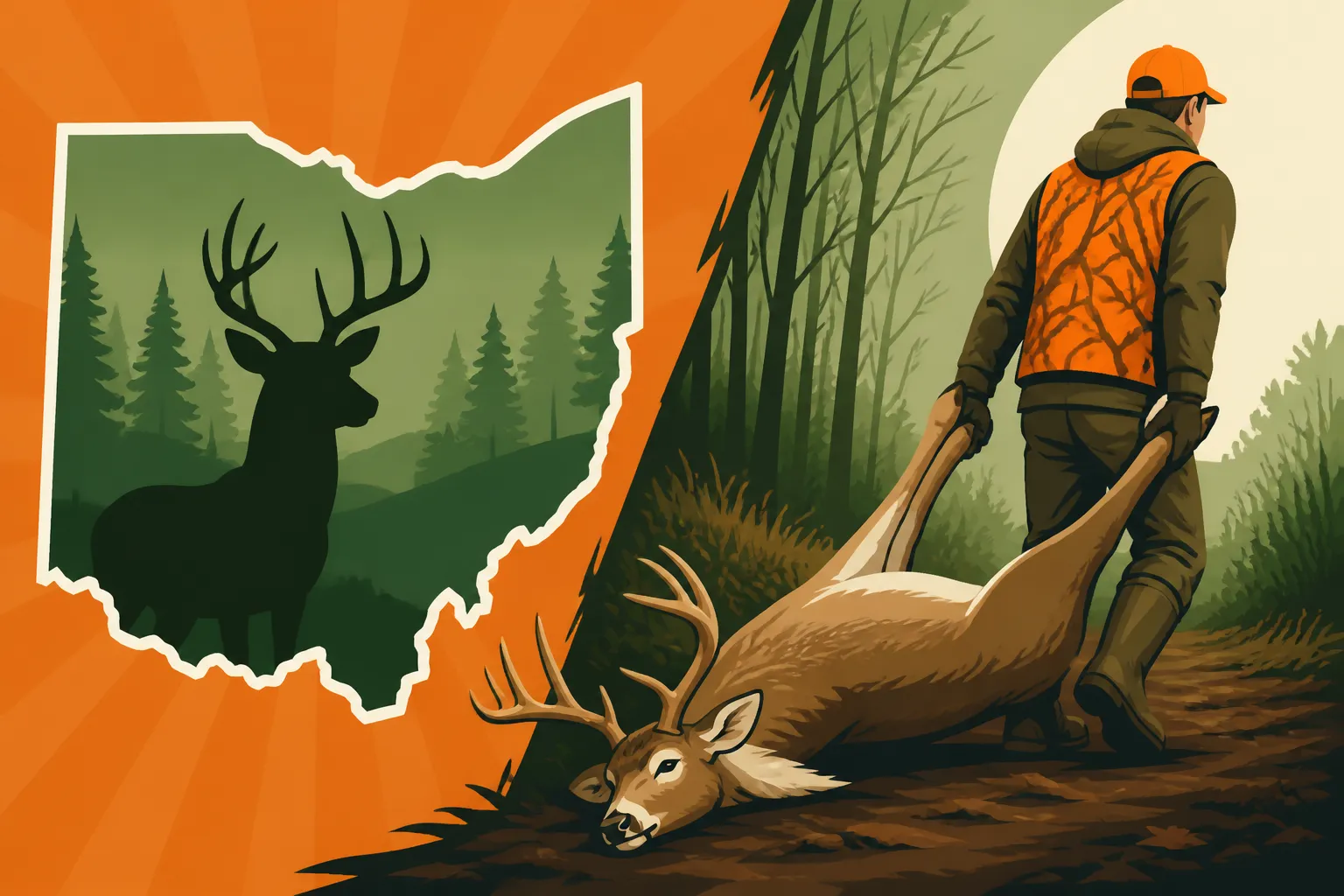
- Whole Carcasses: You cannot simply load a field-dressed deer into your vehicle and drive it home if your destination is outside the DSA.
- Spinal Column: This includes the entire spine from the neck down to the tail. It contains critical neural tissue that can harbor CWD prions.
- Brain: This is a major hotbed for prions. Any brain tissue must remain within the DSA.
- Lymph Nodes and Spleen: These organs also contain high concentrations of prions and must be left behind.
- Any Carcass Parts Containing Brain or Spinal Tissue: This is a blanket rule. If it's got nervous system tissue, it stays.
The reasoning behind these prohibitions is simple: these are the parts where CWD prions are most concentrated. By leaving them within the DSA, the ODNR aims to prevent the geographical spread of the disease. It’s an inconvenience, no doubt, but it's a necessary step to protect our shared wildlife resources.
Practical Steps for Processing Your Deer
Okay, so you've got your deer down, and you're in the DSA. What now? This is where good planning comes into play. You have a few options for processing your deer to meet the movement requirements.
-
Field Deboning: This is often the most practical solution, especially if you're deep in public land or far from a processor.
- Step 1: Field Dress: Remove the entrails as you normally would. This cools the carcass and makes subsequent steps easier.
- Step 2: Quartering: Separate the front shoulders, hindquarters, and backstraps from the spine. You can do this by cutting around the joints and carefully separating muscle groups.
- Step 3: Deboning: Once the quarters are off, carefully debone them. Remove all meat from the bone, making sure to trim away any obvious lymph nodes (they usually look like small, bean-shaped glands, often surrounded by fat).
- Step 4: Prepare the Cape/Skull: If you want the cape, remove it from the skull. Then, you'll need to clean the skull thoroughly, removing all brain and soft tissue from the skull plate if you're keeping the antlers attached to the skull plate. For a European mount, the whole skull would need to be cleaned within the DSA by boiling or dermestid beetles.
- Step 5: Package: Place all deboned meat into game bags or coolers. Keep it cool!
- Step 6: Dispose of Remains: All prohibited parts (bones, spinal column, brain, etc.) must be left at the kill site or properly disposed of within the DSA, typically in a landfill that accepts animal waste or by burying deeply. Leaving them accessible to scavengers that could move them is not advised.
-
Using a Local Processor: This is often the easiest, though potentially costlier, option.
- Find a licensed deer processor within the DSA. Many processors in affected counties are well-versed in CWD regulations and can process your deer in a way that allows you to take home legal cuts of meat.
- They will handle the deboning and proper disposal of prohibited parts. Make sure to communicate your intention to transport the meat out of the DSA, so they follow the correct protocols.
It’s always a good idea to bring extra strong trash bags, a sharp knife set, and a portable cutting surface if you plan to do your own field processing. And remember, cooling the meat quickly is paramount, regardless of where you do the work. Proper Field Dressing a Deer in Cold Weather is important, but even more so for early season hunts. If you're doing a full breakdown, check out tips for Butchering a Deer at Camp.
Planning Your Hunt and Carcass Management in the DSA
Hunting in the DSA doesn't have to be a nightmare, but it does require a bit more foresight. Just like you'd scout for deer sign or plan your treestand approach, you need to plan for what happens after the shot. Being prepared can turn a potential logistical headache into a smooth operation, letting you focus on the hunt itself rather than stressing over regulations.
Pre-Hunt Preparation and Resources
The absolute best defense against problems with carcass movement is knowing the lay of the land before you even step foot in the woods. Before your hunt, take the time to:
- Confirm DSA Boundaries: Look up the most current maps of Ohio's CWD Disease Surveillance Area. The boundaries can sometimes shift, so always check the latest information from the ODNR. Ignorance of the law is no excuse, and getting caught moving a whole carcass out of the DSA could lead to fines.
- Utilize Mapping Tools: Tools like
GoHuntor the Ohio HuntFish App are invaluable. They can layer property lines, public land boundaries, and often even show DSA boundaries. This allows you to pinpoint exactly where you are in relation to the DSA, helping you avoid accidentally harvesting a deer in the restricted zone if your home is outside it. Seriously, if you're not using something likeGoHunt, you're missing out on a huge advantage for navigating complex hunting regulations and terrain. You can also explore Scouting With the Ohio HuntFish App or even use onX Layers for Ohio Land Status to confirm your position in the field. - Have a Processing Plan: Decide before you leave home whether you'll field debone your deer or use a local processor if you're successful. This includes packing the necessary tools for deboning (knives, game bags, tarp, cooler) or researching contact information for processors in the area.
- Identify Disposal Sites: If you plan to field debone, know where you can legally dispose of the prohibited carcass parts within the DSA. Deep burial at the kill site is often permitted on private land with landowner permission, but check specific rules for public land. Landfills that accept animal waste are also an option.
Utilizing Local Processors and Taxidermists
If the thought of field deboning a deer makes your stomach turn, or you simply don't have the time or space, local businesses within the DSA can be your best friends.
- Certified Processors: Many processors in areas like Wyandot, Hardin, or Marion counties are very familiar with CWD regulations. They can handle the breakdown, ensure all prohibited parts are removed and properly disposed of, and package your meat so it's ready for transport. This option often incurs a fee, but it buys you peace of mind and saves a ton of work. Always call ahead to confirm their services and turnaround times.
- Taxidermists: If you're planning a shoulder mount, a local taxidermist within the DSA can prepare the cape for you. They will remove the skull plate and any associated brain matter, ensuring the cape is legal for transport. Again, confirm their process and ensure they understand the CWD carcass movement restrictions. They can also often handle the skull plate cleaning for antler mounts. Remember that heads intended for CWD testing will still need to be submitted at an official ODNR location, such as a self-serve kiosk. You can find more info on Ohio CWD Sampling Station Locations.
This approach might add a bit to your hunting budget, but it’s a small price to pay for compliance and convenience, especially if you're traveling a good distance.
Self-Processing for Maximum Control
For many seasoned hunters, self-processing is a badge of honor, and it gives you complete control over your venison. When inside the DSA, it also offers the most flexibility for adhering to carcass movement rules.
- Field or Camp Processing: If you're on private land, you can often do a full breakdown at your camp or the kill site. On public land, you'll need to debone at the kill site or move the field-dressed carcass only to an approved disposal site within the DSA for further processing.
- Equipment List: Make sure you have:
- Sharp knives (a boning knife and a skinning knife are essential)
- A sharpening steel or stone
- Nitrile gloves (for hygiene and protection)
- Game bags (breathable, to protect the meat)
- A large cooler with plenty of ice (critical for quick cooling)
- A clean tarp or ground cloth (to keep meat off the ground)
- Plastic bags for waste disposal
- A small saw (for antlers or difficult bone cuts, if needed)
- Safe Disposal: This is paramount. All non-transportable parts (spinal column, brain, etc.) must be disposed of within the DSA. Burying them deeply at the kill site on private land (with permission) is common. If on public land or without burial options, you'll need to transport these parts to an approved landfill within the DSA. Never just dump prohibited parts where they could be accessed by scavengers, as this defeats the purpose of the containment zone. This is a critical responsibility every hunter must take seriously.
By planning your self-processing steps, from the shot to the cooler, you can confidently navigate the DSA rules and bring home delicious, legal venison.
Frequently Asked Questions and Common Pitfalls
Even with all the information in the world, new questions can pop up, especially when you're out in the field and emotions are running high. Let's tackle some common concerns and potential missteps related to moving deer carcasses out of Ohio's DSA. The goal is to keep you hunting responsibly and legally.
What if I accidentally cross the line with an intact carcass?
This is a scenario that keeps many hunters up at night, especially if you’re hunting near the DSA boundaries. Maybe you weren't quite sure where the line was, or your mapping app was glitchy. Whatever the reason, if you find yourself outside the DSA with an intact deer carcass harvested within the zone, you need to act immediately and responsibly.
First and foremost, do not try to hide it or dispose of it improperly. That will only make a bad situation worse, potentially leading to fines and legal trouble. The ODNR takes CWD prevention very seriously, and violations can carry significant penalties.
Your best course of action is to immediately contact the Ohio Department of Natural Resources (ODNR) Division of Wildlife. Explain the situation truthfully. They are generally understanding when a genuine mistake has been made, especially if you're proactively seeking to rectify it. They will guide you on the proper steps, which will likely involve returning the carcass to the DSA for proper processing or disposal. While it might be an inconvenient and perhaps embarrassing situation, being upfront is always the correct move. This isn't just about avoiding a ticket; it's about being a responsible hunter and contributing to the health of our deer herd.
Can I take my deer to a local taxidermist just outside the DSA?
This is another common question, especially for hunters who have a trusted taxidermist just outside the DSA. The short answer is: not with the prohibited parts still attached.
If your taxidermist is outside the DSA, you cannot bring them a whole deer head with the brain and spinal tissue still intact. You are responsible for ensuring all prohibited materials are removed before crossing the DSA boundary. This means you would need to:
- Remove the cape from the skull.
- Clean the skull plate (if keeping antlers attached) thoroughly, ensuring all brain and soft tissue is removed.
- Dispose of the prohibited skull and brain material within the DSA.
Many taxidermists within the DSA are experienced with these regulations and can perform the necessary prep work. If you insist on using a taxidermist outside the zone, you'll need to do the initial, critical processing yourself or find another processor inside the DSA who can prepare the cape and skull plate for you. The onus is always on the hunter to comply with the Ohio Carcass Movement Restrictions.
What about CWD testing requirements?
It's crucial to remember that carcass movement restrictions and CWD testing requirements are two separate, though related, regulations. Just because you've processed your deer to legally move it out of the DSA doesn't mean you're exempt from mandatory CWD testing if you harvested it during a specific testing window.
For example, if you harvest a deer in a mandatory testing county within the DSA during the opening weekend of gun season, you are still required to submit the head for testing, even if you plan to debone the meat and take it home. The head, specifically the brainstem, is needed for testing.
You would still need to follow the protocol for submitting the head at an official CWD sampling station. These can often be found at designated kiosks or check stations. Information on Submitting a Deer Head at a Sampling Kiosk is readily available. After testing, the head can be returned to you if you wish, or properly disposed of by the ODNR. Just ensure you coordinate with the testing station on how to retrieve or dispose of it. Be aware that How Long Ohio CWD Results Take can vary, so don't expect immediate answers.
Always check the current ODNR regulations for specific testing dates and locations, especially if you're hunting during high-pressure periods like the first firearms weekend. Compliance with both movement restrictions and testing is essential for responsible hunting in the DSA.
Ohio's DSA Carcass Movement Rules: A Quick Guide
To help keep everything straight, here's a handy table summarizing what you can and cannot move out of Ohio's Disease Surveillance Area once you've harvested a deer. This is a crucial reference to ensure you're always in compliance.
| Carcass Part/Preparation | Permitted for Transport Out of DSA? | Key Considerations |
|---|---|---|
| Whole Carcass (intact) | No | Must be processed within the DSA. |
| Deboned Meat | Yes | All meat removed from bone. |
| Clean Skull Plate | Yes | Must be free of all brain/spinal/soft tissue. |
| Antlers (detached) | Yes | Shed antlers or antlers separated from the skull. |
| Capes (with skull plate) | Yes | Skull plate must be removed and cleaned thoroughly. |
| Hides/Skins | Yes | Once separated from the carcass. |
| Spinal Column | No | Must remain within the DSA for proper disposal. |
| Brain | No | Must remain within the DSA for proper disposal. |
| Lymph Nodes/Spleen | No | Must remain within the DSA for proper disposal. |
| Skull (for European mount) | No (unless professionally cleaned) | Full skull with brain must be cleaned within DSA. |
This table serves as a quick reference, but always refer to the official ODNR guidelines for the most up-to-date and detailed information.
Disclaimer
Please remember that hunting regulations can change. While this guide aims to provide accurate and comprehensive information based on current Ohio hunting laws regarding the Disease Surveillance Area, it is your responsibility as a hunter to consult the official Ohio Department of Natural Resources (ODNR) Division of Wildlife regulations and publications before heading afield. Always verify specific dates, rules, and requirements directly with the ODNR to ensure compliance.